
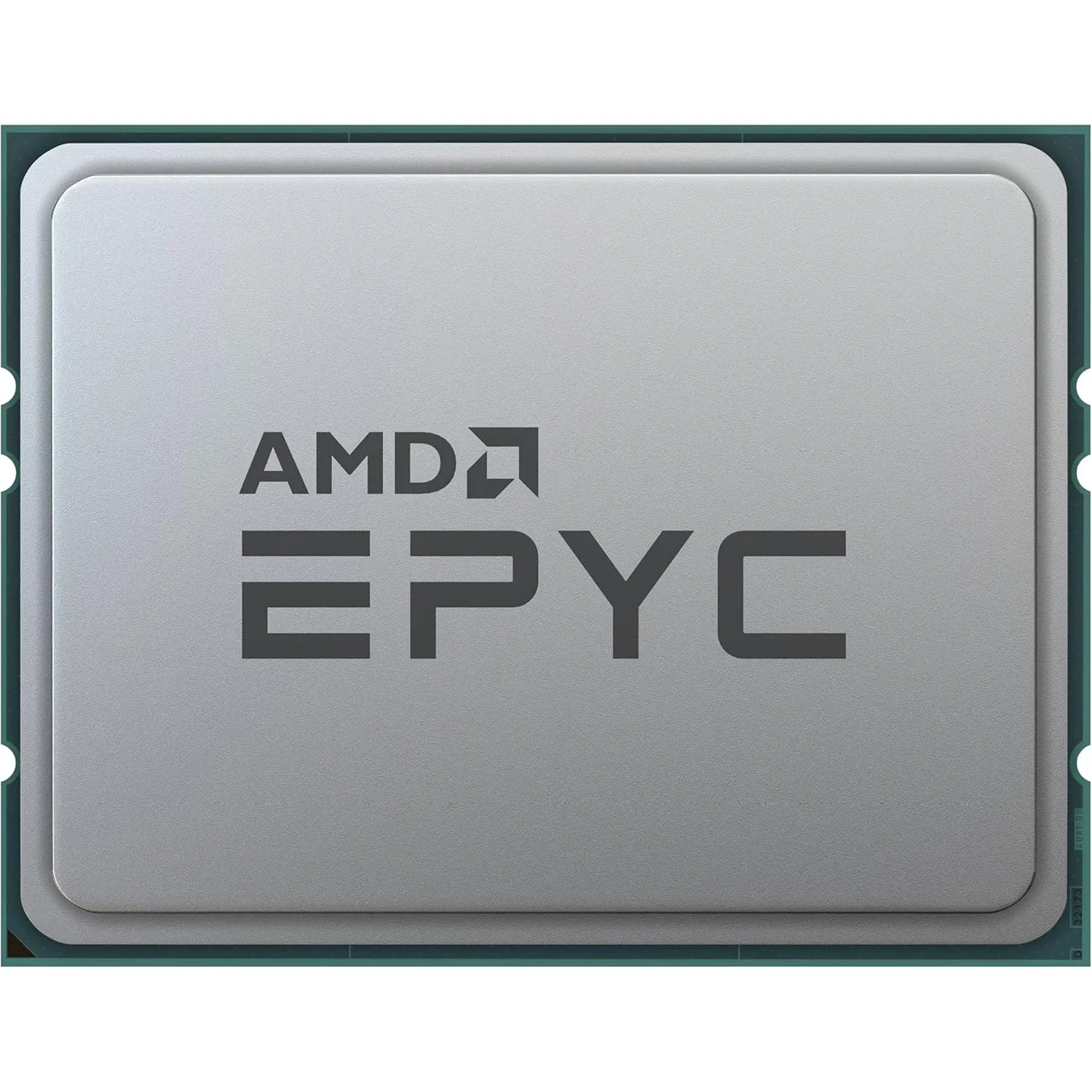
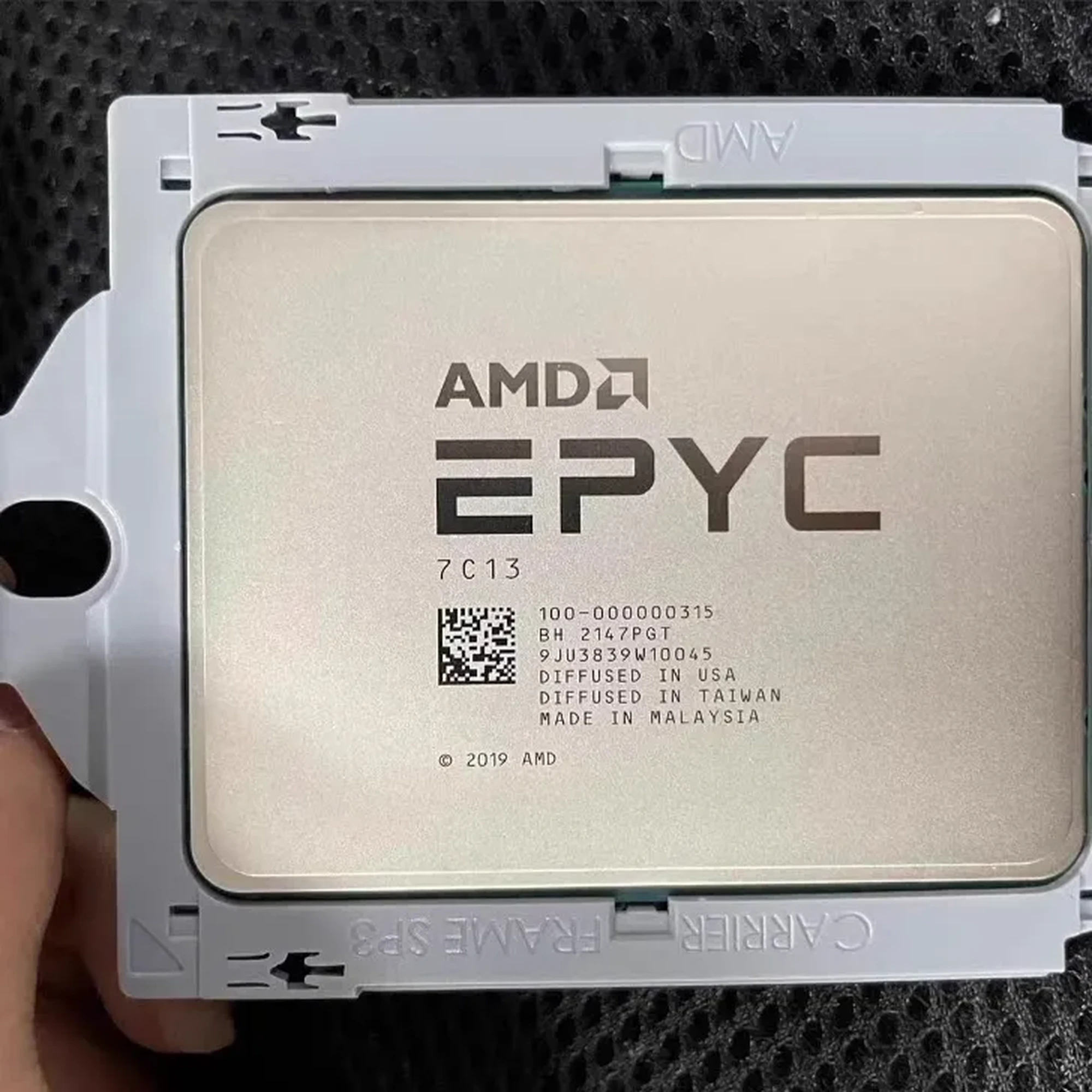
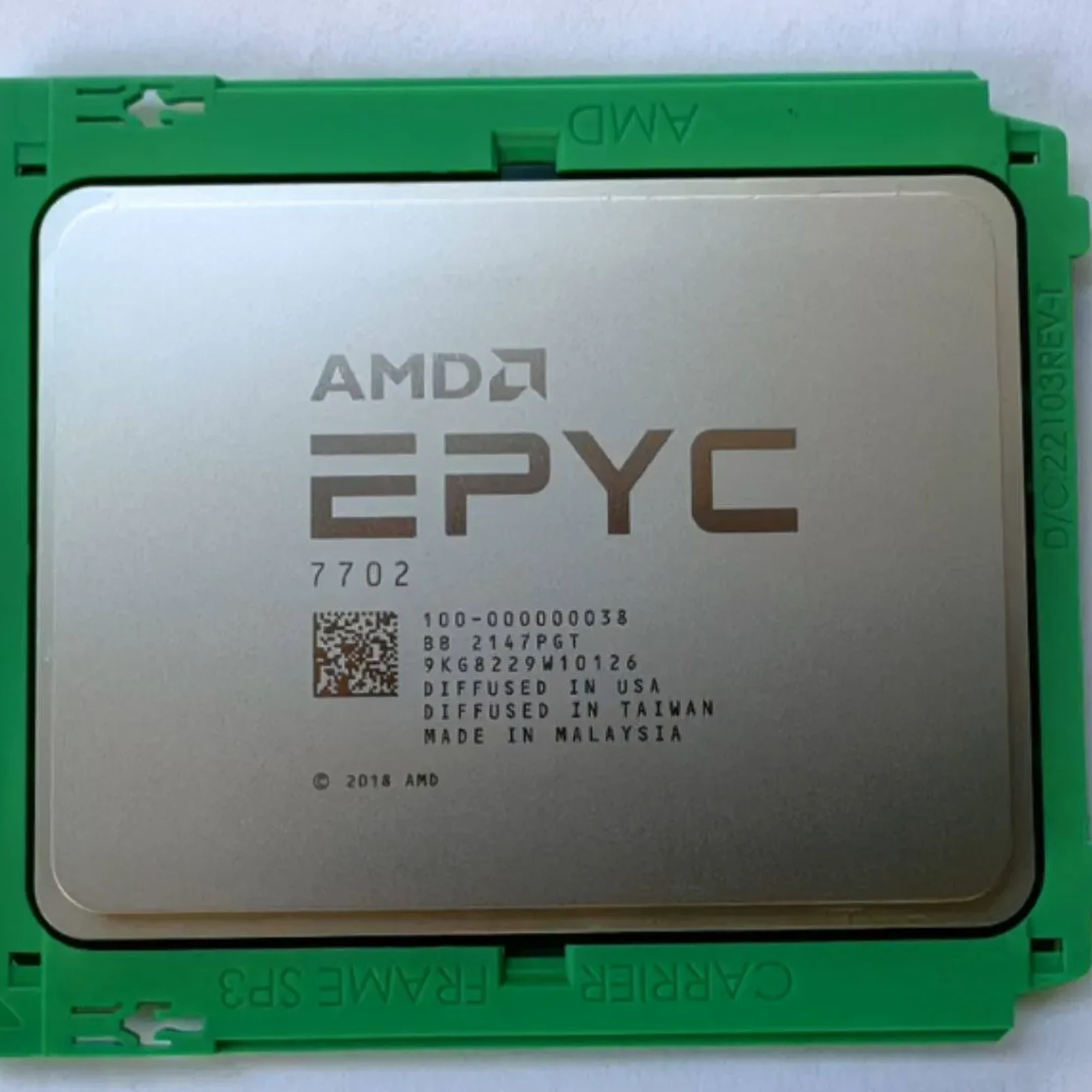

 AMD EPYC 7203 Server Processor | 8-Core 16-Thread, 3.4GHz Boost, 64MB L3 Cache, DDR4 Support
| Specification | Details |
|---|---|
| Product Name | AMD EPYC 7203 Server Processor |
| Product Series | AMD EPYC 7003 (Milan) Series |
| Architecture | Zen 3 (Milan) |
| Manufacturing Process | 7nm (TSMC) |
| Cores | 8 Physical Cores |
| Threads | 16 Threads (SMT Supported) |
| Base Clock Speed | 2.8 GHz |
| Max Boost Clock Speed | 3.4 GHz |
| L3 Cache | 64 MB |
| TDP (Default) | 120W |
| Configurable TDP (cTDP) | 120W – 150W |
| Socket | AMD Socket SP3 |
| Socket Count | 1P / 2P Supported |
| Memory Type | DDR4 |
| Memory Channels | 8 Channels |
| Max Memory Speed | 3200 MT/s |
| Per Socket Memory Bandwidth | 204.8 GB/s |
| PCIe Version | PCIe 4.0 |
| PCIe Lanes | 128 Lanes |
| ECC Memory Support | Yes |
| Virtualization Support | Yes (Hardware Virtualization, IOMMU) |
| Vector Extensions | AVX, AVX2 (No AVX-512) |
| Release Date | September 5, 2023 |
| 1kU Pricing | $348 USD |
| Product IDs (Boxed) | 100-100001286WOF |
| Product IDs (Tray) | 100-000001286 |
| Supported Technologies | AMD Infinity Guard, AMD Infinity Architecture |
| Workload Affinity | General Purpose |
In the fast-paced world of data centers and enterprise computing, choosing the right server processor is critical to ensuring optimal performance, reliability, and cost-efficiency. The AMD EPYC 7203 Server Processor stands out as a versatile, high-value solution designed to meet the demands of modern general-purpose server workloads, making it an ideal choice for small to mid-sized data centers, cloud service providers, and enterprise IT teams. Launched in September 2023 as part of AMD’s EPYC 7003 (Milan) series, the EPYC 7203 leverages AMD’s cutting-edge Zen 3 architecture to deliver a powerful combination of performance, energy efficiency, and scalability—all at a competitive price point.
Key Architecture & Core Performance
At the heart of the AMD EPYC 7203 is AMD’s Zen 3 microarchitecture, a significant upgrade over previous generations that delivers substantial improvements in IPC (Instructions Per Cycle) and overall efficiency. Built on a 7nm manufacturing process by TSMC, the EPYC 7203 features 8 physical cores and 16 threads, thanks to AMD’s Simultaneous Multithreading (SMT) technology, which effectively doubles the number of concurrent tasks the processor can handle. This core configuration makes it well-suited for multitasking-heavy workloads, including web hosting, virtualization, database management, and light batch processing.
The processor operates at a base clock speed of 2.8GHz, providing consistent performance for everyday server tasks, while a maximum boost clock of 3.4GHz delivers an extra burst of speed when handling more demanding workloads. This balance between base and boost clocks ensures that the EPYC 7203 can handle both routine operations and peak demand without sacrificing stability. Unlike some server processors, the EPYC 7203’s multiplier is locked, which limits overclocking potential but helps maintain reliability and consistency in mission-critical environments—an essential feature for server hardware.
Another key performance feature of the EPYC 7203 is its 64MB of L3 cache. The L3 cache acts as a high-speed buffer between the processor cores and main memory, reducing latency and improving data access speeds for frequently used data. This large cache size is particularly beneficial for workloads that require frequent access to large datasets, such as database queries, virtual machine (VM) management, and content delivery networks (CDNs). By minimizing the need to access slower main memory, the EPYC 7203 ensures that tasks are completed faster and more efficiently, reducing overall system bottlenecks.
Memory & Connectivity: Speed, Capacity, and Versatility
The AMD EPYC 7203 supports DDR4 memory with an 8-channel interface, a critical feature for server performance. With official support for memory speeds up to 3200 MT/s, the processor can deliver a per-socket memory bandwidth of 204.8 GB/s, ensuring that data is transferred quickly between the processor and main memory. This high memory bandwidth is essential for memory-intensive workloads, such as virtualization, big data analytics, and high-performance computing (HPC) tasks. Additionally, the EPYC 7203 supports ECC (Error-Correcting Code) memory, which detects and corrects data corruption—an indispensable feature for mission-critical server environments where data integrity is non-negotiable.
In terms of connectivity, the EPYC 7203 features PCIe 4.0 x128 lanes, providing exceptional I/O bandwidth for connecting storage devices, network adapters, and other peripherals. PCIe 4.0 is twice as fast as PCIe 3.0, delivering up to 16 GT/s per lane, which enables faster data transfer between the processor and high-speed devices like NVMe SSDs and 100Gbps network cards. This connectivity ensures that the EPYC 7203 can keep up with the demands of modern server storage and networking, reducing I/O bottlenecks and improving overall system performance.
The processor is compatible with the AMD Socket SP3, supporting both 1P (1-processor) and 2P (2-processor) configurations. This scalability allows IT teams to expand their server capacity as their needs grow, making the EPYC 7203 a future-proof solution for businesses that anticipate growth. Whether deployed in a single-processor server for small workloads or a dual-processor configuration for more demanding tasks, the EPYC 7203 delivers consistent performance and reliability.
Power Efficiency & Thermal Management
For data centers and enterprise environments, power efficiency is a top priority—reducing energy consumption not only lowers operational costs but also minimizes environmental impact. The AMD EPYC 7203 features a default TDP (Thermal Design Power) of 120W, with AMD’s Configurable TDP (cTDP) technology allowing for adjustment between 120W and 150W. This flexibility enables IT teams to optimize power consumption based on their specific workload requirements: lower TDP for energy-efficient operation during light loads, and higher TDP for maximum performance during peak demand.
The 7nm manufacturing process plays a key role in the EPYC 7203’s power efficiency, allowing AMD to pack more transistors into a smaller die while reducing power consumption. This process technology, combined with Zen 3’s architectural improvements, results in a processor that delivers more performance per watt than many competing server processors. For businesses looking to reduce their carbon footprint and energy bills, the EPYC 7203 offers an ideal balance of performance and efficiency.
Thermal management is also a critical consideration for server processors, as overheating can lead to performance throttling and hardware failure. The EPYC 7203’s 120W TDP is designed to be compatible with standard server cooling solutions, making it easy to integrate into existing server chassis without the need for specialized cooling. This compatibility simplifies deployment and reduces the total cost of ownership (TCO) for businesses.
Workload Optimization & Use Cases
The AMD EPYC 7203 is classified as a general-purpose server processor, meaning it is optimized for a wide range of workloads. Its 8-core, 16-thread configuration, combined with high memory bandwidth and PCIe 4.0 connectivity, makes it suitable for a variety of applications, including:
- Virtualization: The EPYC 7203’s SMT technology and high core count make it ideal for running multiple virtual machines simultaneously. Each VM can be assigned dedicated cores, minimizing resource contention and ensuring smooth performance. Hardware virtualization support, including IOMMU virtualization (PCI passthrough), allows guest VMs to directly access host hardware, further improving virtualization performance.
- Web Hosting & Content Delivery: For web servers and CDNs, the EPYC 7203’s consistent performance and high I/O bandwidth ensure fast response times for user requests. Its energy efficiency also makes it a cost-effective choice for large-scale web hosting environments.
- Database Management: The processor’s large L3 cache and high memory bandwidth make it well-suited for database workloads, including SQL and NoSQL databases. Faster data access and processing speeds reduce query latency, improving the performance of database-driven applications.
- Light HPC & Scientific Computing: While not designed for heavy HPC workloads, the EPYC 7203 can handle light scientific computing tasks, such as small-scale simulations and data analysis, thanks to its multi-core architecture and support for advanced vector extensions (AVX and AVX2).
- Small to Mid-Sized Data Centers: For businesses with limited IT resources, the EPYC 7203 offers a cost-effective, scalable solution that can handle a variety of workloads without the need for expensive, high-core-count processors. Its 2P scalability allows for future expansion as data center needs grow.
Pricing & Value Proposition
The AMD EPYC 7203 is priced at $348 per unit for 1kU (1000-unit) orders, making it a highly cost-effective option for businesses looking to balance performance and budget. Compared to competing server processors in the same price range, the EPYC 7203 offers a superior combination of core count, cache size, memory bandwidth, and connectivity—delivering more value per dollar.
The processor’s low TDP also contributes to its value proposition, as it reduces long-term energy costs. Over the lifetime of a server, lower energy consumption can result in significant savings, making the EPYC 7203 a cost-effective choice even beyond the initial purchase price. Additionally, AMD’s reputation for reliability and durability ensures that the EPYC 7203 will provide consistent performance for years to come, further reducing TCO.
Technical Support & Resources
AMD provides comprehensive technical support and resources for the EPYC 7203, ensuring that IT teams have the tools they need to deploy and maintain the processor effectively. This includes access to drivers, firmware updates, technical documentation, and a dedicated support team. AMD also offers selection and estimation tools to help businesses choose the right EPYC processor for their specific workloads, ensuring that they get the most out of their investment.
The EPYC 7203 is also supported by a wide range of server manufacturers, including Dell, HP, Lenovo, and Supermicro, making it easy to find pre-built servers or build custom systems using the processor. This broad compatibility ensures that businesses can integrate the EPYC 7203 into their existing IT infrastructure without compatibility issues.
Conclusion
The AMD EPYC 7203 Server Processor is a versatile, high-value solution that delivers exceptional performance, energy efficiency, and scalability for general-purpose server workloads. Its 8-core, 16-thread configuration, Zen 3 architecture, 64MB L3 cache, DDR4 support, and PCIe 4.0 connectivity make it ideal for small to mid-sized data centers, cloud service providers, and enterprise IT teams. With a competitive price point, low TDP, and broad compatibility, the EPYC 7203 offers an excellent balance of performance and cost-efficiency, making it a top choice for businesses looking to optimize their server infrastructure.
Whether you’re deploying a new server, upgrading an existing one, or building a scalable data center, the AMD EPYC 7203 provides the reliability, performance, and flexibility you need to meet the demands of modern computing. Its combination of advanced features and cost-effectiveness makes it a standout processor in the server market, delivering value that is hard to match with competing solutions.
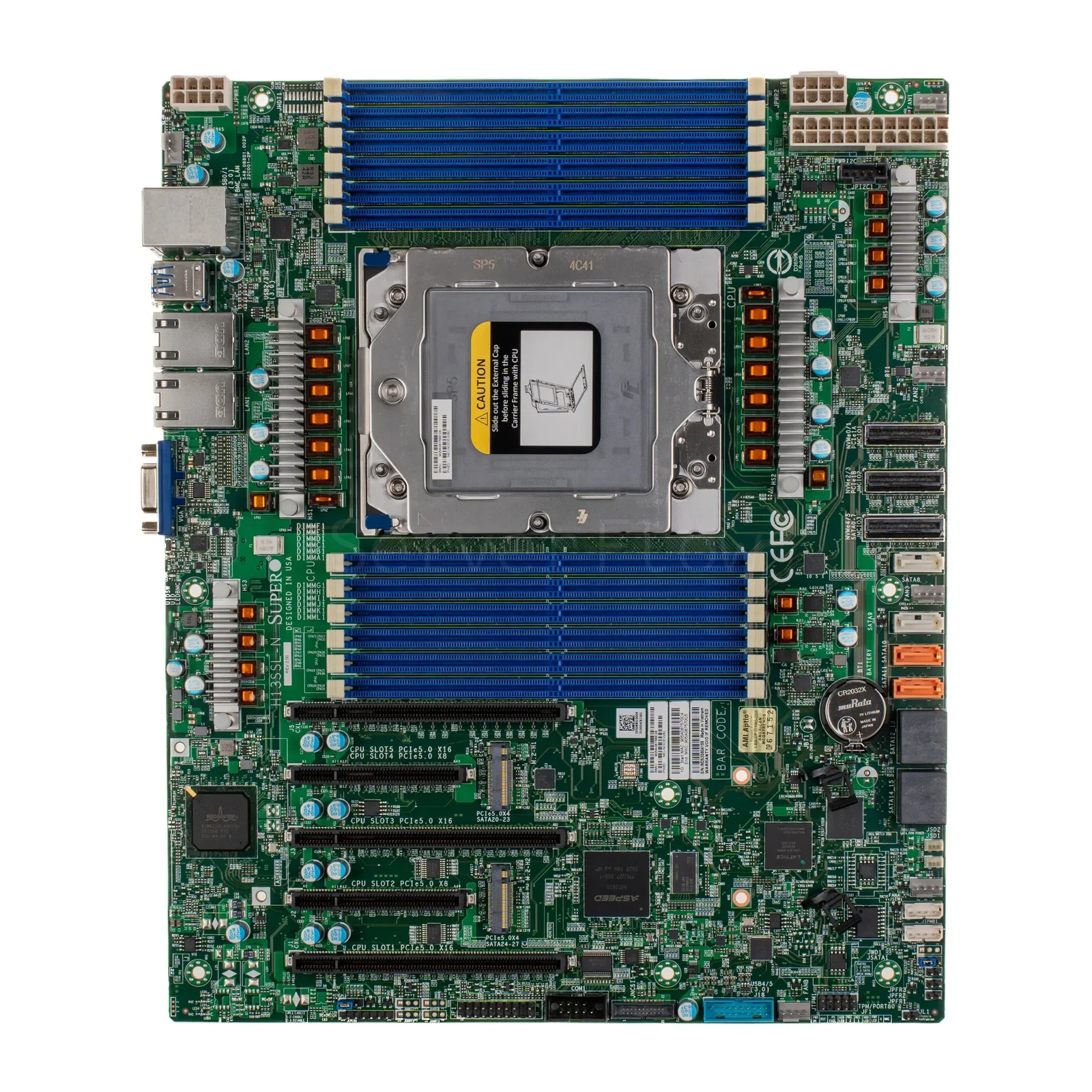
Recommended Motherboards for AMD EPYC 7002/7003 SP3 Processors
| Model | Brand | CPU Configuration | Memory Slots | Max Memory | LAN | PCIe Expansion | Storage | Form Factor | BMC |
|---|---|---|---|---|---|---|---|---|---|
| MZ72-HB2 | GIGABYTE | Dual SP3 | 16×DDR4 | 2TB | 2×10G + 1×Mgmt LAN | 5×PCIe 4.0 x16/x8 | 5×SlimSAS, 1×M.2 | E-ATX | AST2600 |
| MZ32-AR0 | GIGABYTE | Single SP3 | 16×DDR4 | 2TB | 2×1G (Intel I350) | 7×PCIe 4.0/3.0 x16/x8 | 6×SlimSAS, 2×M.2 | E-ATX | AST2600 |
| MZ71-CE1 | GIGABYTE | Dual SP3 | 16×DDR4 | 2TB | 2×1G (BCM5720) + Mgmt LAN | 5×PCIe 4.0 x16/x8 | 3×SlimSAS, 4×SATA | E-ATX | AST2600 |
| ROMED8-2T/BCM | ASRock Rack | Single SP3 | 8×DDR4 | 256GB | 2×10G (Intel X550) + IPMI | 7×PCIe 4.0 x16 | 10×SATA, 2×M.2 | ATX | AST2500 |
| ROMED4ID-2T | ASRock Rack | Single SP3 | 4×DDR4 | 256GB | 2×10G (Intel X550) + IPMI | 1×PCIe 4.0 x16 | 16×SATA, 1×M.2 | Mini-ITX | AST2500 |
| ROME2D16-2T | ASRock Rack | Dual SP3 | 16×DDR4 | 4TB | 2×10G (Intel X550) + IPMI | 5×PCIe 4.0 x16 + 1×x8 | 2×SlimSAS, 2×OcuLink, 2×M.2 | EEB | AST2600 |
| ROME2D32GM-2T | ASRock Rack | Dual SP3 | 32×DDR4 | 8TB | 2×10G + IPMI | 6×PCIe 4.0 x16 | 19×SlimSAS, 1×M.2 | EEB | AST2600 |
| H12SSL-NT | Supermicro | Single SP3 | 8×DDR4 | 2TB | 2×10G (BCM57416) + IPMI | 5×PCIe 4.0 x16/x8 | 2×SlimSAS (SATA/NVMe) | ATX | AST2500 |
| H12SSL-i | Supermicro | Single SP3 | 8×DDR4 | 2TB | 2×1G (BCM5720) | 5×PCIe 4.0 x16, 2×x8 | 8×SATA, 2×M.2 | ATX | AST2500 |
| H12DSi-N6 | Supermicro | Dual SP3 | 16×DDR4 | 4TB | 2×1G + IPMI | 3×PCIe 4.0 x16, 3×x8 | 10×SATA, 1×M.2 | E-ATX | AST2600 |
AMD EPYC 7003 Series Processors Specifications
| Name | # of CPU Cores | # of Threads | Max. Boost Clock | Base Clock | L3 Cache | Default TDP |
| AMD EPYC™ 7203P | 8 | 16 | Up to 3.4 GHz | 2.8 GHz | 64 MB | 120W |
| AMD EPYC™ 7203 | 8 | 16 | Up to 3.4 GHz | 2.8 GHz | 64 MB | 120W |
| AMD EPYC™ 72F3 | 8 | 16 | Up to 4.1 GHz | 3.7 GHz | 256 MB | 180W |
| AMD EPYC™ 7303P | 16 | 32 | Up to 3.4 GHz | 2.4 GHz | 64 MB | 130W |
| AMD EPYC™ 7303 | 16 | 32 | Up to 3.4 GHz | 2.4 GHz | 64 MB | 130W |
| AMD EPYC™ 73F3 | 16 | 32 | Up to 4 GHz | 3.5 GHz | 256 MB | 240W |
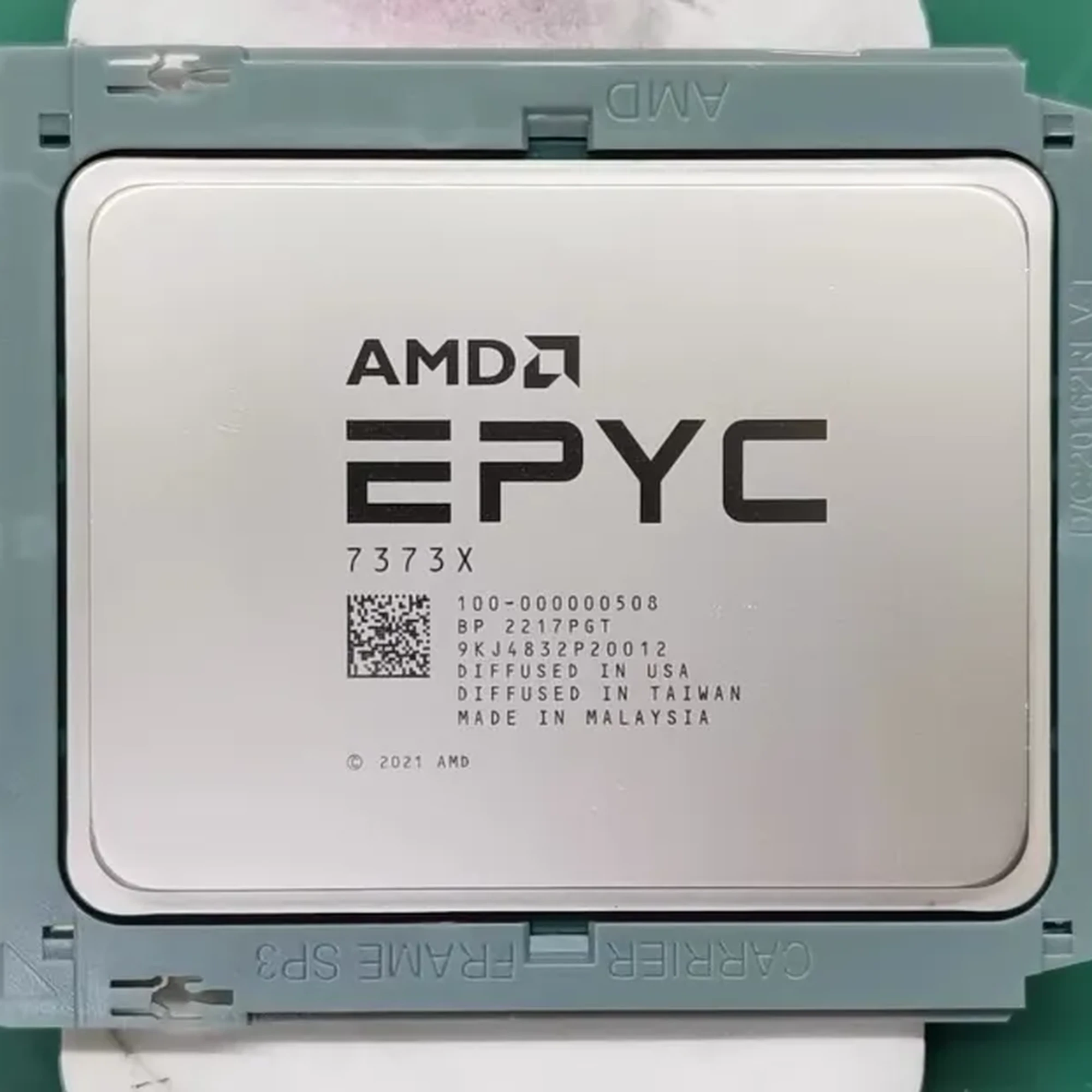
| AMD EPYC™ 7373X | 16 | 32 | Up to 3.8 GHz | 3.05 GHz | 768 MB | 240W |
| AMD EPYC™ 7343 | 16 | 32 | Up to 3.9 GHz | 3.2 GHz | 128 MB | 190W |
| AMD EPYC™ 7313P | 16 | 32 | Up to 3.7 GHz | 3 GHz | 128 MB | 155W |
| AMD EPYC™ 7313 | 16 | 32 | Up to 3.7 GHz | 3 GHz | 128 MB | 155W |
| AMD EPYC™ 74F3 | 24 | 48 | Up to 4 GHz | 3.2 GHz | 256 MB | 240W |
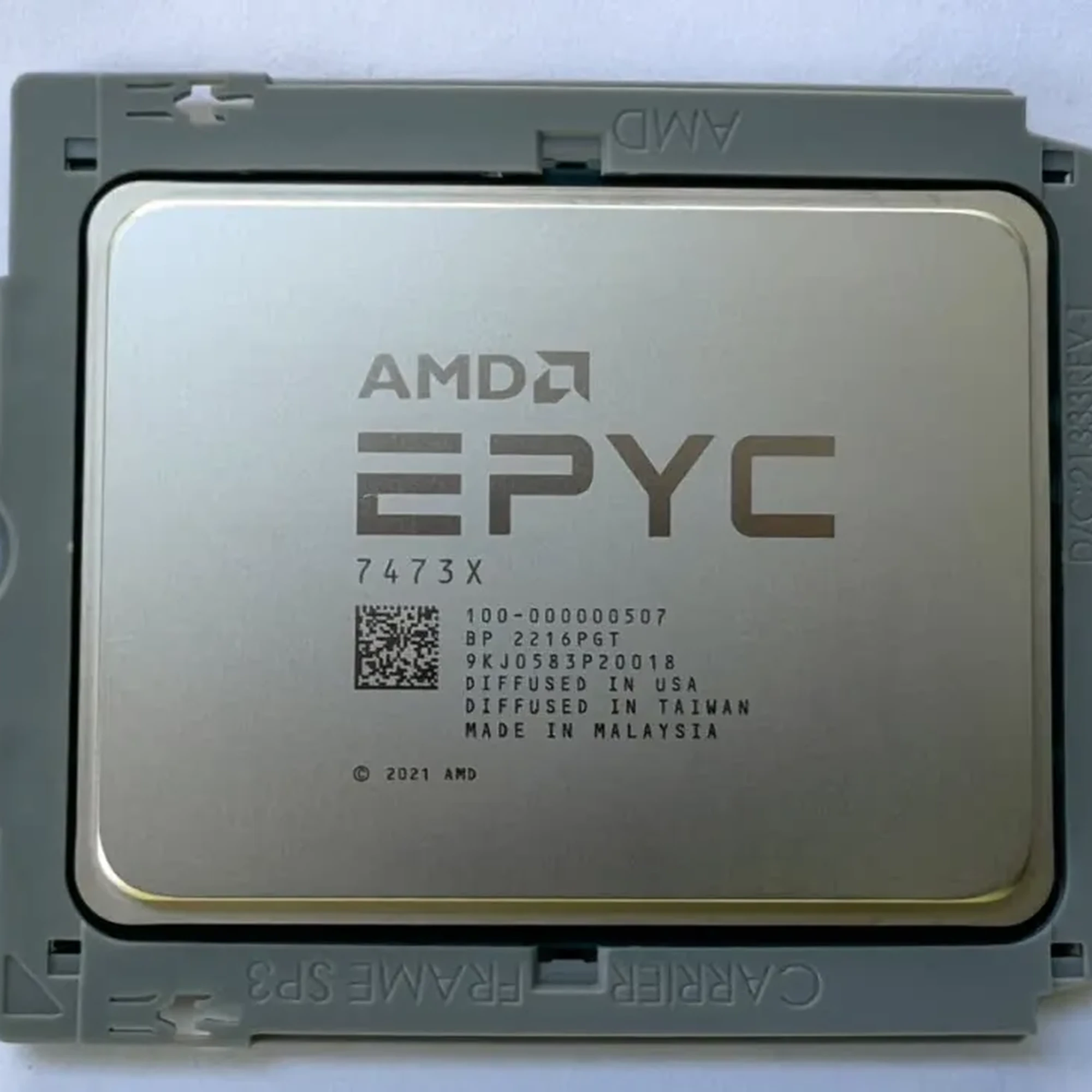
| AMD EPYC™ 7473X | 24 | 48 | Up to 3.7 GHz | 2.8 GHz | 768 MB | 240W |
| AMD EPYC™ 7443P | 24 | 48 | Up to 4 GHz | 2.85 GHz | 128 MB | 200W |
| AMD EPYC™ 7443 | 24 | 48 | Up to 4 GHz | 2.85 GHz | 128 MB | 200W |
| AMD EPYC™ 7413 | 24 | 48 | Up to 3.6 GHz | 2.65 GHz | 128 MB | 180W |
| AMD EPYC™ 7453 | 28 | 56 | Up to 3.45 GHz | 2.75 GHz | 64 MB | 225W |
| AMD EPYC™ 75F3 | 32 | 64 | Up to 4 GHz | 2.95 GHz | 256 MB | 280W |
| AMD EPYC™ 7573X | 32 | 64 | Up to 3.6 GHz | 2.8 GHz | 768 MB | 280W |
| AMD EPYC™ 7543P | 32 | 64 | Up to 3.7 GHz | 2.8 GHz | 256 MB | 225W |
| AMD EPYC™ 7543 | 32 | 64 | Up to 3.7 GHz | 2.8 GHz | 256 MB | 225W |
| AMD EPYC™ 7513 | 32 | 64 | Up to 3.65 GHz | 2.6 GHz | 128 MB | 200W |
| AMD EPYC™ 7643P | 48 | 96 | Up to 3.6 GHz | 2.3 GHz | 256 MB | 225W |
| AMD EPYC™ 7643 | 48 | 96 | Up to 3.6 GHz | 2.3 GHz | 256 MB | 225W |
| AMD EPYC™ 7663 | 56 | 112 | Up to 3.5 GHz | 2 GHz | 256 MB | 240W |
| AMD EPYC™ 7663P | 56 | 112 | Up to 3.5 GHz | 2 GHz | 256 MB | 240W |
| AMD EPYC™ 7773X | 64 | 128 | Up to 3.5 GHz | 2.2 GHz | 768 MB | 280W |
| AMD EPYC™ 7763 | 64 | 128 | Up to 3.5 GHz | 2.45 GHz | 256 MB | 280W |
| AMD EPYC™ 7713P | 64 | 128 | Up to 3.67 GHz | 2 GHz | 256 MB | 225W |
| AMD EPYC™ 7713 | 64 | 128 | Up to 3.67 GHz | 2 GHz | 256 MB | 225W |


