
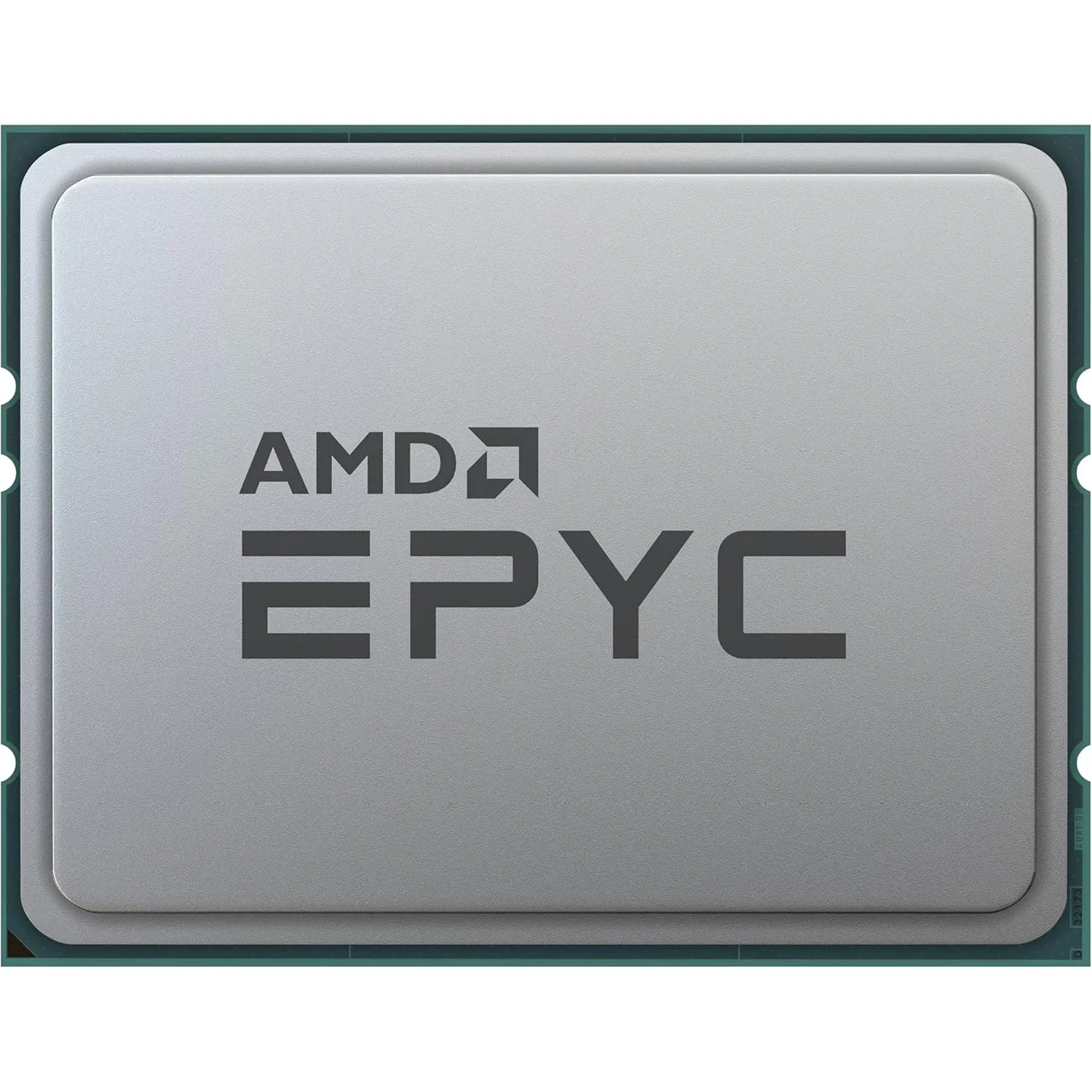
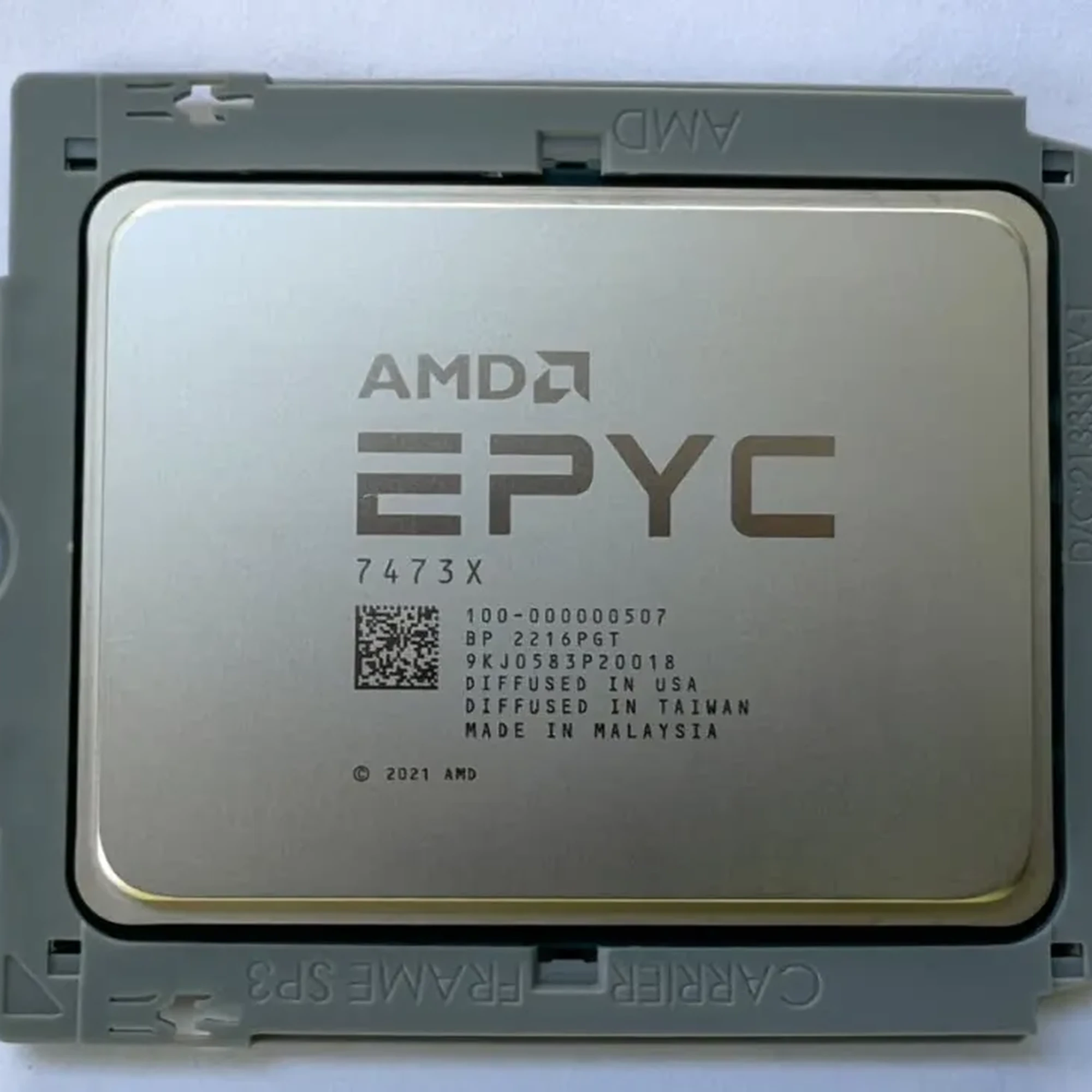
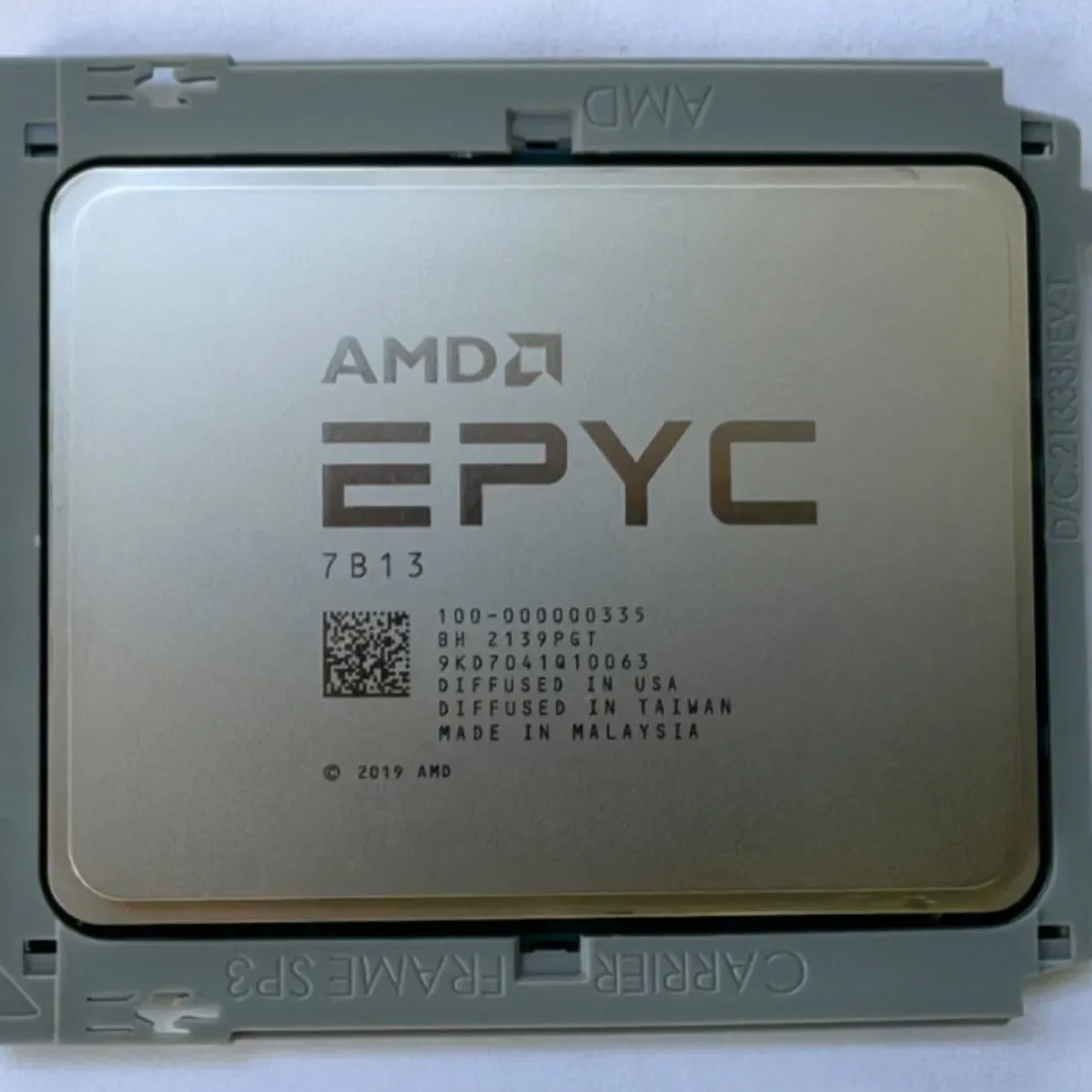
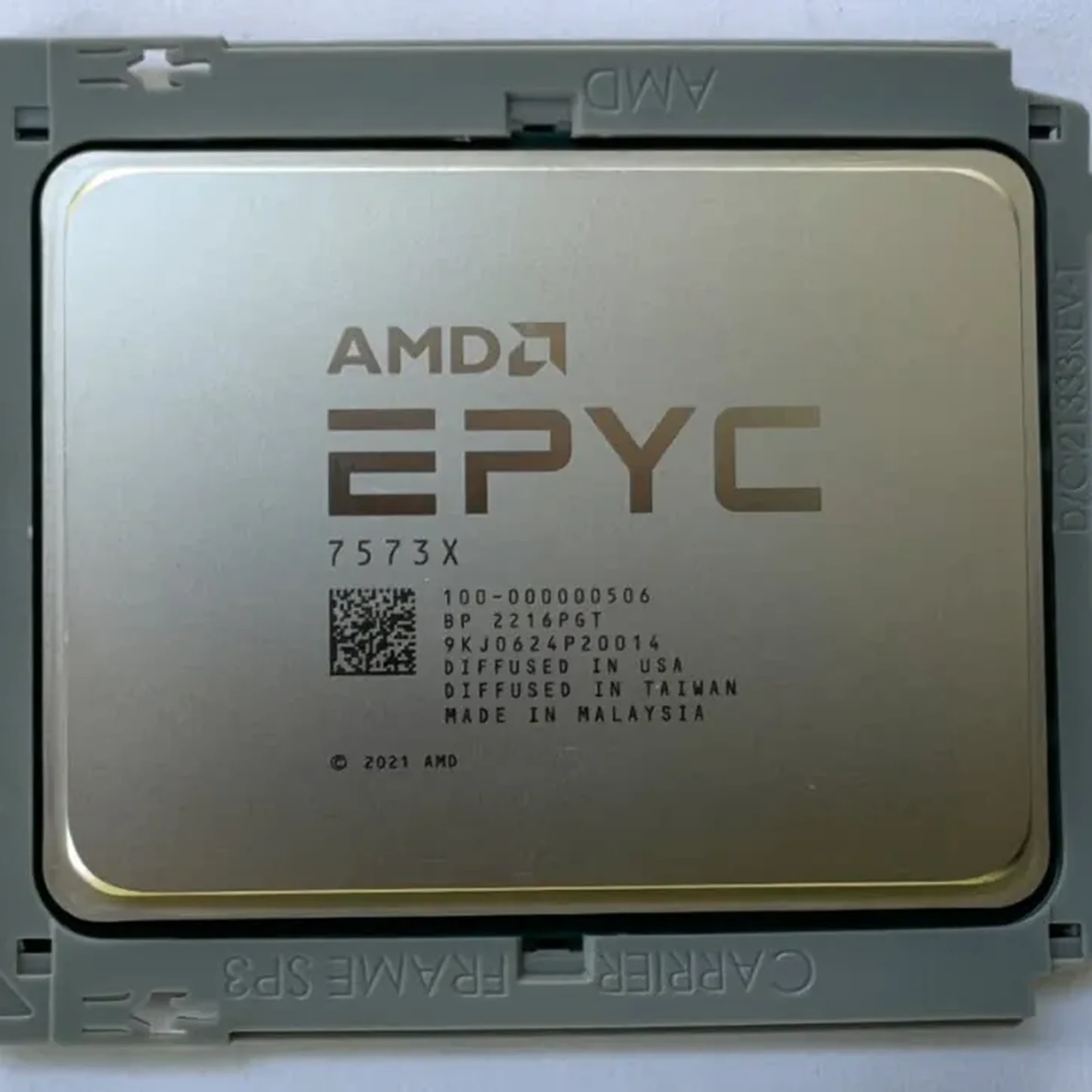
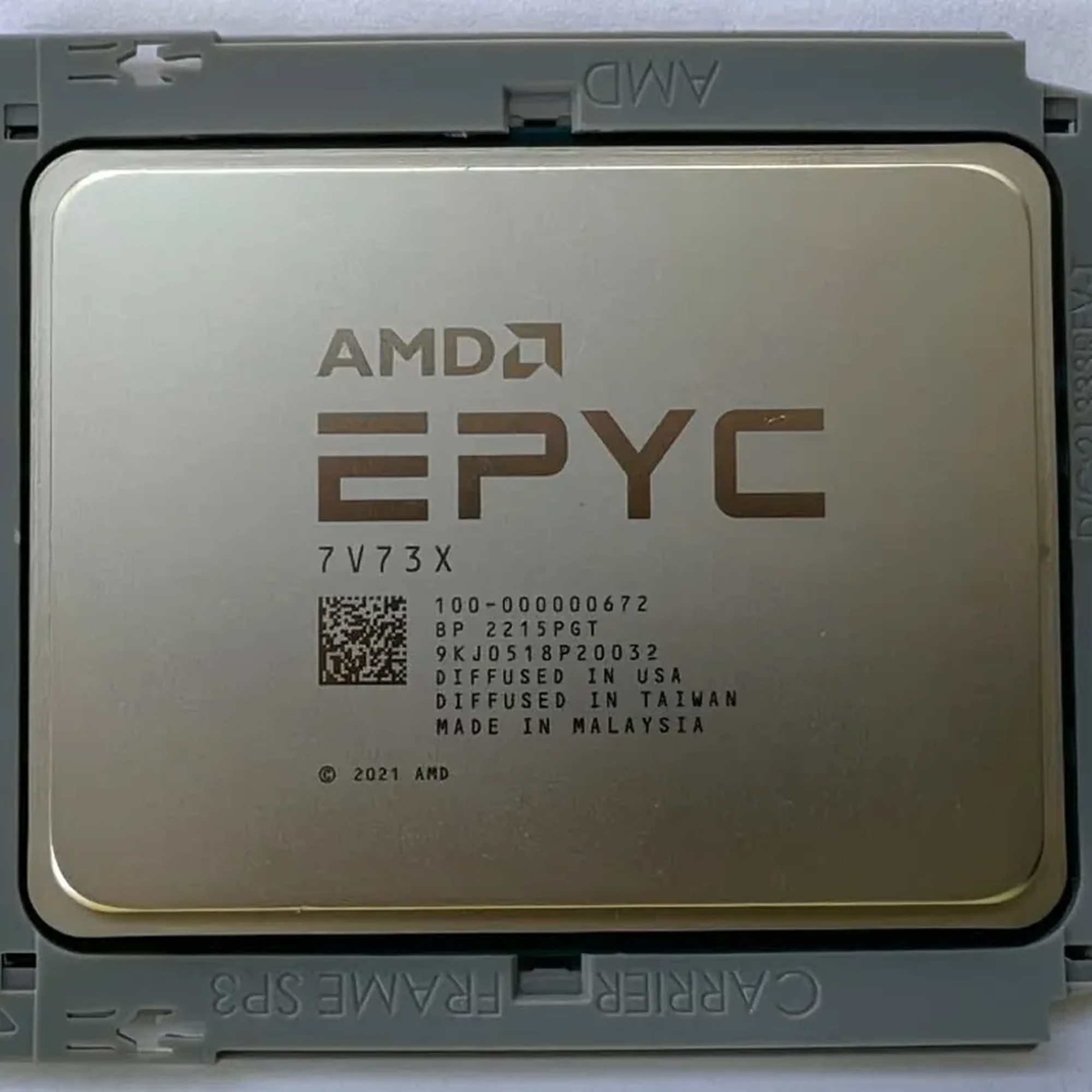
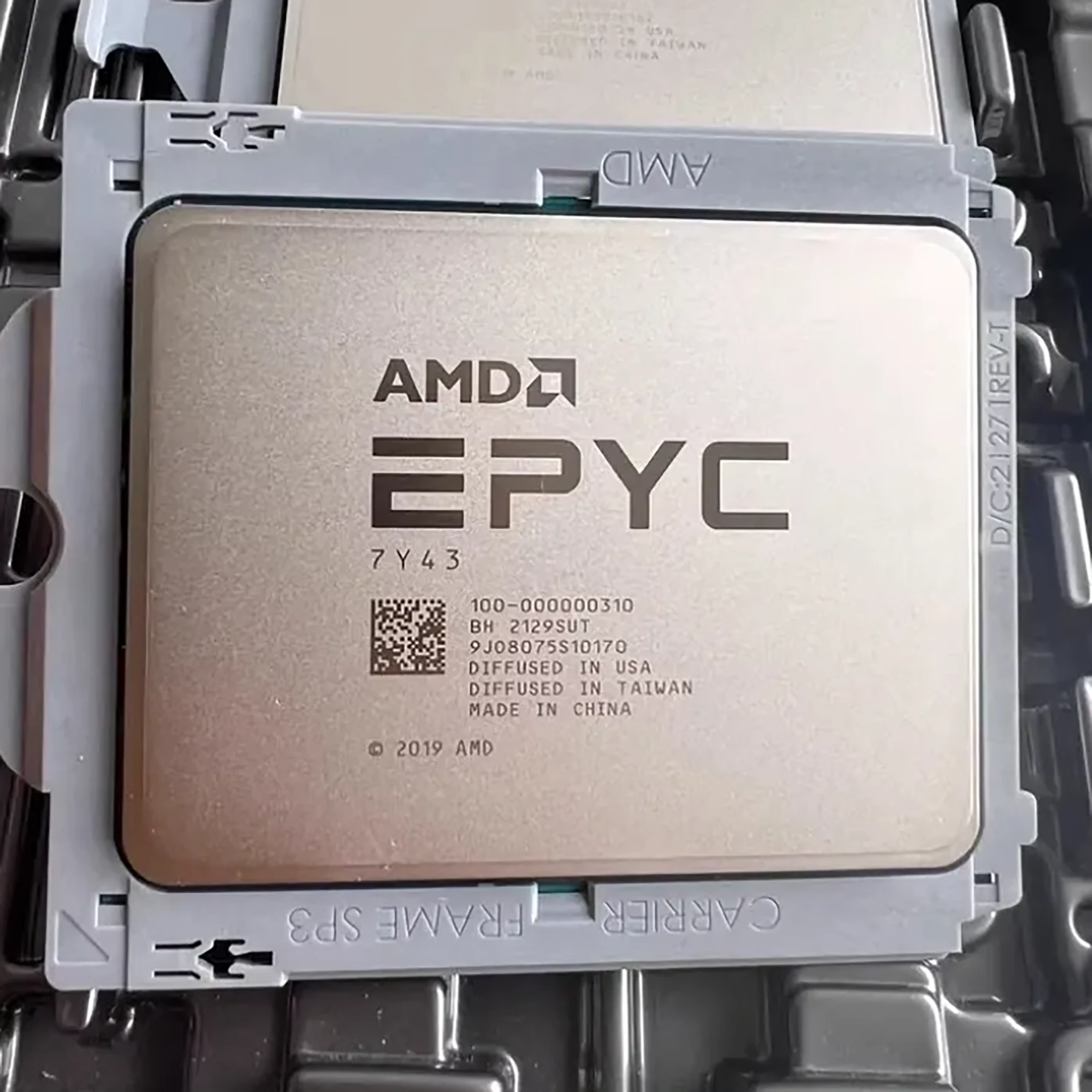

AMD EPYC 7473X 24-Core 48-Thread Server CPU | 768MB L3 Cache, PCIe 4.0, Milan-X Architecture
| Specification | Details |
|---|---|
| Processor Model | AMD EPYC 7473X |
| Series | AMD EPYC 7003 Series (Milan-X) |
| Architecture | Zen 3 (Milan-X), 7nm Manufacturing Process (TSMC) |
| Cores | 24 Physical Cores |
| Threads | 48 Threads (AMD SMT Technology) |
| Base Clock | 2.8 GHz |
| Max Boost Clock | Up to 3.7 GHz |
| Cache | L1: 1.5 MB (24x32KB Instruction + 24x32KB Data), L2: 12 MB (24x512KB), L3: 768 MB (Shared, 3D V-Cache) |
| Memory Support | 8-Channel DDR4, Up to 3200 MT/s, Maximum 4TB System Memory, ECC Memory Supported |
| PCIe Version | PCIe 4.0 |
| PCIe Lanes | 128 Lanes |
| Socket Type | SP3 |
| TDP (Thermal Design Power) | 240W, Configurable TDP (cTDP): 225W – 280W |
| Configurable Processors | 1P (1-Processor) / 2P (2-Processor) Configurations |
| Key Technologies | AMD 3D V-Cache, AMD Infinity Architecture, AMD Infinity Guard, AMD-V (Virtualization) |
| Product ID (Tray) | 100-000000507 |
| Launch Date | March 22, 2022 |
| Launch MSRP | $3900 |
| Transistor Count | 33.2 Billion |
| Die Size | 8x 81 mm² (CPU Die), 416 mm² (I/O Die) |
| Supported Workloads | Virtualization, Database Management, Analytics, HPC (CFD, EDA, FEA), Cloud Computing |
In the fast-paced world of enterprise computing, data centers, cloud infrastructure, and high-performance computing (HPC) demand processors that can deliver consistent, reliable power without compromising on efficiency or scalability. The AMD EPYC 7473X emerges as a standout solution in this space, belonging to AMD’s 7003 series (Milan-X) of server processors—engineered to meet the rigorous demands of modern enterprise workloads. Designed with a focus on performance, security, and cost-effectiveness, the EPYC 7473X is a 24-core, 48-thread powerhouse that combines advanced architecture, massive cache capacity, and cutting-edge connectivity to redefine what’s possible for server performance.
Overview of the AMD EPYC 7473X: A Enterprise-Grade Powerhouse
Launched in March 2022, the AMD EPYC 7473X is part of AMD’s EPYC 7003 series, built on the Milan-X architecture—an enhanced version of the Zen 3 microarchitecture that introduces AMD’s revolutionary 3D V-Cache technology. This processor is tailored for enterprise environments where every cycle counts, from virtualization and database management to analytics and HPC workloads like CFD, EDA, and FEA solvers. With a launch MSRP of $3900, it positions itself as a high-value option for organizations seeking to optimize their data center infrastructure without sacrificing performance or reliability.
At its core, the EPYC 7473X features 24 physical cores and 48 threads, thanks to AMD’s Simultaneous Multithreading (SMT) technology, which allows each core to handle two threads simultaneously. This multi-threaded performance is critical for modern server workloads, which often require parallel processing to handle multiple tasks at once—whether it’s serving thousands of web requests, processing large datasets, or running multiple virtual machines (VMs) concurrently. The processor’s base clock of 2.8GHz ensures consistent performance under sustained loads, while its max boost clock of up to 3.7GHz delivers the extra power needed for peak demand scenarios, such as sudden spikes in traffic or intensive computational tasks.
Key Architecture & Technology: Milan-X and 3D V-Cache
The AMD EPYC 7473X is built on the Milan-X architecture, which leverages TSMC’s 7nm manufacturing process to balance performance and power efficiency. This process technology allows for a higher transistor density—33.2 billion transistors packed into the chip—enabling more cores, larger cache, and faster clock speeds without a proportional increase in power consumption. The 7nm process also reduces heat output, making the EPYC 7473X suitable for dense data center environments where space and cooling are at a premium.
One of the most significant advancements in the EPYC 7473X is AMD’s 3D V-Cache technology, which dramatically increases the processor’s L3 cache capacity to an impressive 768MB. Cache is critical for server performance, as it stores frequently accessed data close to the CPU, reducing latency and minimizing the need to access slower system memory. The 768MB L3 cache in the EPYC 7473X is shared across all 24 cores, ensuring that every thread has quick access to the data it needs—whether it’s running a database query, processing a virtual machine, or handling a complex HPC workload. This massive cache capacity is a game-changer for memory-bound applications, delivering up to 30% better performance compared to previous-generation processors without 3D V-Cache.
Complementing the 3D V-Cache is AMD’s Infinity Architecture, which provides a high-speed, low-latency interconnect between the processor’s cores, cache, and I/O. This architecture ensures that data moves seamlessly across the chip, eliminating bottlenecks and maximizing throughput. Additionally, the EPYC 7473X supports AMD Infinity Guard, a suite of enterprise-grade security features that includes memory encryption, secure boot, and runtime integrity checks—critical for protecting sensitive data in data center and cloud environments.
Performance: Designed for Enterprise Workloads
The AMD EPYC 7473X delivers exceptional performance across a wide range of enterprise workloads, making it a versatile choice for data centers, cloud providers, and HPC environments. According to PassMark benchmarks, the EPYC 7473X achieves a multi-thread rating of 59,280 and a single-thread rating of 2,751, placing it among the top-performing server processors in its class. These benchmarks translate to real-world performance gains: faster database queries, smoother virtualization, and quicker processing of large datasets.
For virtualization, the EPYC 7473X excels, supporting up to 128 PCIe 4.0 lanes and 8-channel DDR4 memory (up to 3200 MT/s, 4TB maximum capacity). This combination allows for high-density virtualization, enabling organizations to run more VMs per server—reducing hardware costs and improving resource utilization. The processor’s hardware virtualization support (AMD-V) and IOMMU virtualization (PCI passthrough) further enhance virtual machine performance, allowing guest VMs to directly access host hardware for faster, more efficient operation.
In HPC workloads, the EPYC 7473X’s 24 cores, 48 threads, and massive L3 cache shine. Applications like CFD (Computational Fluid Dynamics), EDA (Electronic Design Automation), and FEA (Finite Element Analysis) require intensive parallel processing and fast memory access—areas where the EPYC 7473X excels. The processor’s support for advanced vector extensions (AVX, AVX2) further boosts performance for calculation-heavy tasks, making it ideal for research, engineering, and scientific computing environments.
For database and analytics workloads, the EPYC 7473X’s high core count and large cache capacity reduce latency when accessing and processing large datasets. Whether it’s running a SQL database, a NoSQL database, or a big data analytics platform (like Hadoop or Spark), the processor delivers consistent, reliable performance—ensuring that businesses can derive insights from their data faster than ever before. The 8-channel DDR4 memory support also ensures that the processor has quick access to large datasets, minimizing bottlenecks and improving throughput.
Connectivity & Compatibility: Seamless Integration with Existing Infrastructure
The AMD EPYC 7473X is designed for seamless integration with existing data center infrastructure, supporting the SP3 socket type—compatible with a wide range of server motherboards. This compatibility ensures that organizations can upgrade their processors without replacing their entire server infrastructure, reducing upgrade costs and minimizing downtime. The processor also supports 1P (1-processor) and 2P (2-processor) configurations, allowing for scalability as workloads grow—organizations can start with a single EPYC 7473X and add a second processor later to double performance.
In terms of connectivity, the EPYC 7473X features 128 PCIe 4.0 lanes, which provide twice the bandwidth of PCIe 3.0 (up to 32 GT/s per lane). This high-speed connectivity is critical for modern data centers, supporting high-performance storage (like NVMe SSDs), network adapters, and accelerators (like GPUs for AI/ML workloads). The PCIe 4.0 lanes also enable faster data transfer between components, reducing latency and improving overall system performance. Additionally, the processor supports ECC (Error-Correcting Code) memory, which is essential for mission-critical systems—ECC memory detects and corrects data corruption, ensuring data integrity and system reliability.
Power Efficiency & Total Cost of Ownership (TCO)
Despite its high performance, the AMD EPYC 7473X is designed to be energy-efficient, with a TDP (Thermal Design Power) of 240W and configurable TDP (cTDP) ranging from 225W to 280W. This flexibility allows organizations to adjust the processor’s power consumption based on their workloads—reducing power usage during periods of low demand and increasing it during peak hours. The 7nm manufacturing process further enhances energy efficiency, delivering more performance per watt compared to previous-generation processors and competing Intel Xeon models. This improved power efficiency translates to lower electricity costs, making the EPYC 7473X a cost-effective choice for data centers with high power consumption.
When it comes to total cost of ownership (TCO), the EPYC 7473X offers significant advantages. Its high core density and multi-threaded performance allow organizations to run more workloads per server, reducing the number of servers needed to support their operations. This reduces hardware costs, as well as costs associated with space, cooling, and maintenance. Additionally, the processor’s compatibility with existing infrastructure and long product lifecycle (common in enterprise processors) further reduces TCO, as organizations can use the EPYC 7473X for years without needing to upgrade.
Who Should Choose the AMD EPYC 7473X?
The AMD EPYC 7473X is ideal for organizations that require high-performance, enterprise-grade computing for their data centers, cloud infrastructure, or HPC environments. Specifically, it is well-suited for:
- Data centers looking to optimize virtualization density and reduce TCO
- Cloud providers needing reliable, scalable processors for multi-tenant environments
- HPC organizations running compute-intensive workloads like CFD, EDA, and scientific computing
- Businesses with large databases or analytics platforms that require fast data processing
- Organizations seeking enterprise-grade security features to protect sensitive data
Whether you’re a small business looking to upgrade your server infrastructure or a large enterprise managing a massive data center, the AMD EPYC 7473X delivers the performance, reliability, and scalability you need to stay competitive in today’s digital landscape.
Conclusion: The AMD EPYC 7473X—A Top-Tier Enterprise Server CPU
The AMD EPYC 7473X stands out as a top-tier enterprise server processor, combining advanced Milan-X architecture, 3D V-Cache technology, and exceptional multi-threaded performance to meet the demands of modern data centers and HPC environments. With 24 cores, 48 threads, 768MB L3 cache, 128 PCIe 4.0 lanes, and 8-channel DDR4 support, it delivers the power and connectivity needed for virtualization, database management, analytics, and compute-intensive workloads.
Its energy efficiency, compatibility with existing infrastructure, and enterprise-grade security features make it a cost-effective choice for organizations of all sizes, while its scalability (support for 1P/2P configurations) ensures that it can grow with your business. If you’re looking for a processor that balances performance, reliability, and value, the AMD EPYC 7473X is an excellent choice—delivering the power you need to drive innovation and stay ahead in the competitive world of enterprise computing.
Recommended Motherboards for AMD EPYC 7002/7003 SP3 Processors
| Model | Brand | CPU Configuration | Memory Slots | Max Memory | LAN | PCIe Expansion | Storage | Form Factor | BMC |
|---|---|---|---|---|---|---|---|---|---|
| MZ72-HB2 | GIGABYTE | Dual SP3 | 16×DDR4 | 2TB | 2×10G + 1×Mgmt LAN | 5×PCIe 4.0 x16/x8 | 5×SlimSAS, 1×M.2 | E-ATX | AST2600 |
| MZ32-AR0 | GIGABYTE | Single SP3 | 16×DDR4 | 2TB | 2×1G (Intel I350) | 7×PCIe 4.0/3.0 x16/x8 | 6×SlimSAS, 2×M.2 | E-ATX | AST2600 |
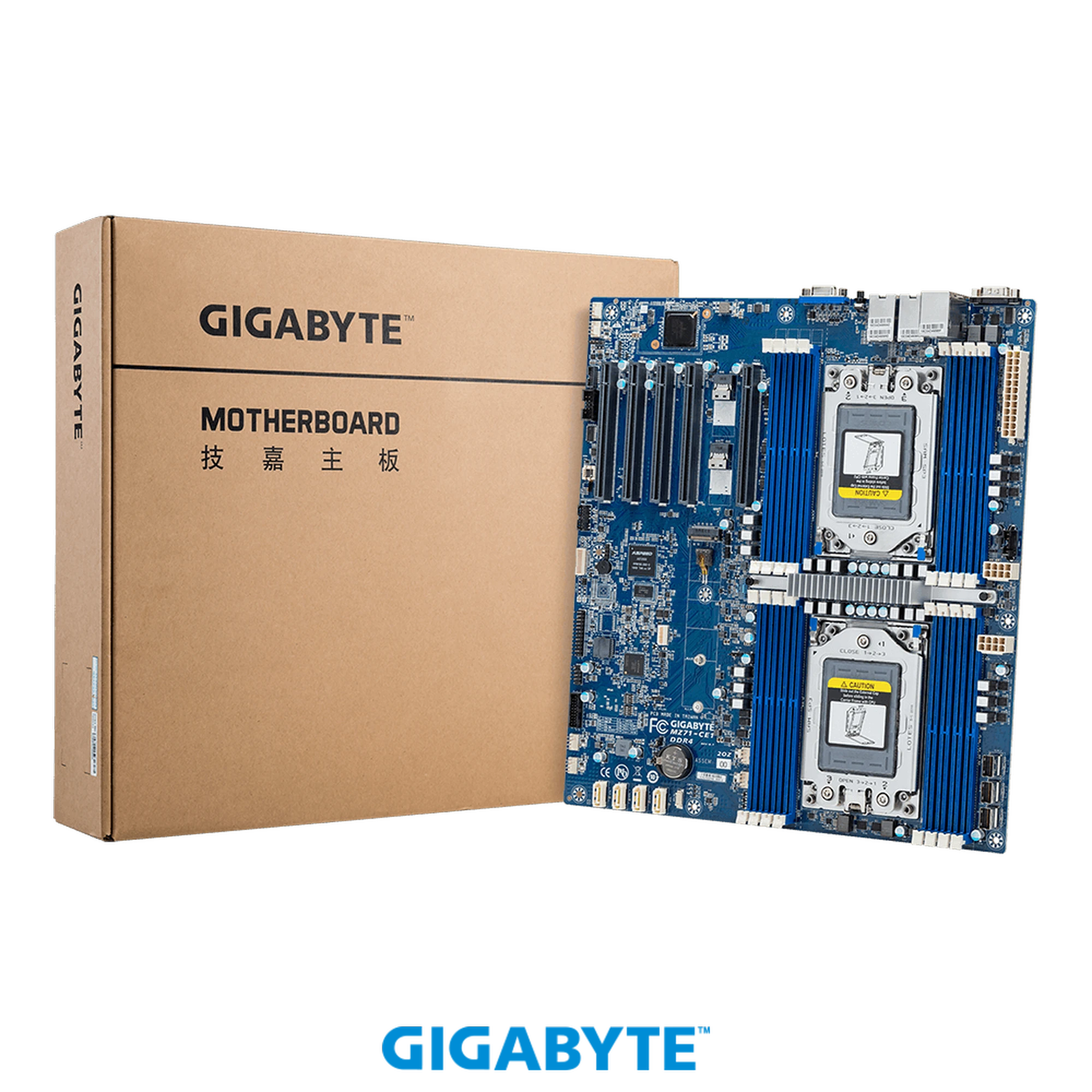
| MZ71-CE1 | GIGABYTE | Dual SP3 | 16×DDR4 | 2TB | 2×1G (BCM5720) + Mgmt LAN | 5×PCIe 4.0 x16/x8 | 3×SlimSAS, 4×SATA | E-ATX | AST2600 |
| ROMED8-2T/BCM | ASRock Rack | Single SP3 | 8×DDR4 | 256GB | 2×10G (Intel X550) + IPMI | 7×PCIe 4.0 x16 | 10×SATA, 2×M.2 | ATX | AST2500 |
| ROMED4ID-2T | ASRock Rack | Single SP3 | 4×DDR4 | 256GB | 2×10G (Intel X550) + IPMI | 1×PCIe 4.0 x16 | 16×SATA, 1×M.2 | Mini-ITX | AST2500 |
| ROME2D16-2T | ASRock Rack | Dual SP3 | 16×DDR4 | 4TB | 2×10G (Intel X550) + IPMI | 5×PCIe 4.0 x16 + 1×x8 | 2×SlimSAS, 2×OcuLink, 2×M.2 | EEB | AST2600 |
| ROME2D32GM-2T | ASRock Rack | Dual SP3 | 32×DDR4 | 8TB | 2×10G + IPMI | 6×PCIe 4.0 x16 | 19×SlimSAS, 1×M.2 | EEB | AST2600 |
| H12SSL-NT | Supermicro | Single SP3 | 8×DDR4 | 2TB | 2×10G (BCM57416) + IPMI | 5×PCIe 4.0 x16/x8 | 2×SlimSAS (SATA/NVMe) | ATX | AST2500 |
| H12SSL-i | Supermicro | Single SP3 | 8×DDR4 | 2TB | 2×1G (BCM5720) | 5×PCIe 4.0 x16, 2×x8 | 8×SATA, 2×M.2 | ATX | AST2500 |
| H12DSi-N6 | Supermicro | Dual SP3 | 16×DDR4 | 4TB | 2×1G + IPMI | 3×PCIe 4.0 x16, 3×x8 | 10×SATA, 1×M.2 | E-ATX | AST2600 |
| Model | Cores/Threads | Base Clock | Max Boost | TDP | L3 Cache | Architecture | Socket | PCIe | Memory | Official AMD Link |
|---|---|---|---|---|---|---|---|---|---|---|
| EPYC 72F3 | 8 / 16 | 3.7GHz | 4.1GHz | 180W | 256MB | Zen3 (Milan) | SP3 | 128x PCIe 4.0 | 8‑channel DDR4‑3200, ECC, up to 4TB | EPYC 72F3 |
| EPYC 73F3 | 16 / 32 | 3.4GHz | 4.0GHz | 240W | 256MB | Zen3 (Milan) | SP3 | 128x PCIe 4.0 | 8‑channel DDR4‑3200, ECC, up to 4TB | EPYC 73F3 |
| EPYC 74F3 | 24 / 48 | 3.2GHz | 4.0GHz | 240W | 256MB | Zen3 (Milan) | SP3 | 128x PCIe 4.0 | 8‑channel DDR4‑3200, ECC, up to 4TB | EPYC 74F3 |
| EPYC 75F3 | 32 / 64 | 2.9GHz | 4.0GHz | 240W | 256MB | Zen3 (Milan) | SP3 | 128x PCIe 4.0 | 8‑channel DDR4‑3200, ECC, up to 4TB | EPYC 75F3 |
| EPYC 7313 | 16 / 32 | 3.0GHz | 3.7GHz | 155W | 256MB | Zen3 (Milan) | SP3 | 128x PCIe 4.0 | 8‑channel DDR4‑3200, ECC, up to 4TB | EPYC 7313 |
| EPYC 7343 | 16 / 32 | 3.2GHz | 3.9GHz | 190W | 256MB | Zen3 (Milan) | SP3 | 128x PCIe 4.0 | 8‑channel DDR4‑3200, ECC, up to 4TB | EPYC 7343 |
| EPYC 7443 | 24 / 48 | 2.9GHz | 3.7GHz | 190W | 256MB | Zen3 (Milan) | SP3 | 128x PCIe 4.0 | 8‑channel DDR4‑3200, ECC, up to 4TB | EPYC 7443 |
| EPYC 7453 | 28 / 56 | 2.7GHz | 3.7GHz | 225W | 256MB | Zen3 (Milan) | SP3 | 128x PCIe 4.0 | 8‑channel DDR4‑3200, ECC, up to 4TB | EPYC 7453 |
| EPYC 7543 | 32 / 64 | 2.8GHz | 3.7GHz | 225W | 256MB | Zen3 (Milan) | SP3 | 128x PCIe 4.0 | 8‑channel DDR4‑3200, ECC, up to 4TB | EPYC 7543 |
| EPYC 7553 | 32 / 64 | 2.7GHz | 3.7GHz | 225W | 256MB | Zen3 (Milan) | SP3 | 128x PCIe 4.0 | 8‑channel DDR4‑3200, ECC, up to 4TB | EPYC 7553 |
| EPYC 7643 | 48 / 96 | 2.3GHz | 3.6GHz | 225W | 256MB | Zen3 (Milan) | SP3 | 128x PCIe 4.0 | 8‑channel DDR4‑3200, ECC, up to 4TB | EPYC 7643 |
| EPYC 7663 | 56 / 112 | 2.0GHz | 3.5GHz | 240W | 256MB | Zen3 (Milan) | SP3 | 128x PCIe 4.0 | 8‑channel DDR4‑3200, ECC, up to 4TB | EPYC 7663 |
| EPYC 7713 | 64 / 128 | 2.0GHz | 3.7GHz | 225W | 256MB | Zen3 (Milan) | SP3 | 128x PCIe 4.0 | 8‑channel DDR4‑3200, ECC, up to 4TB | EPYC 7713 |
| EPYC 7763 | 64 / 128 | 2.45GHz | 3.5GHz | 280W | 256MB | Zen3 (Milan) | SP3 | 128x PCIe 4.0 | 8‑channel DDR4‑3200, ECC, up to 4TB | EPYC 7763 |
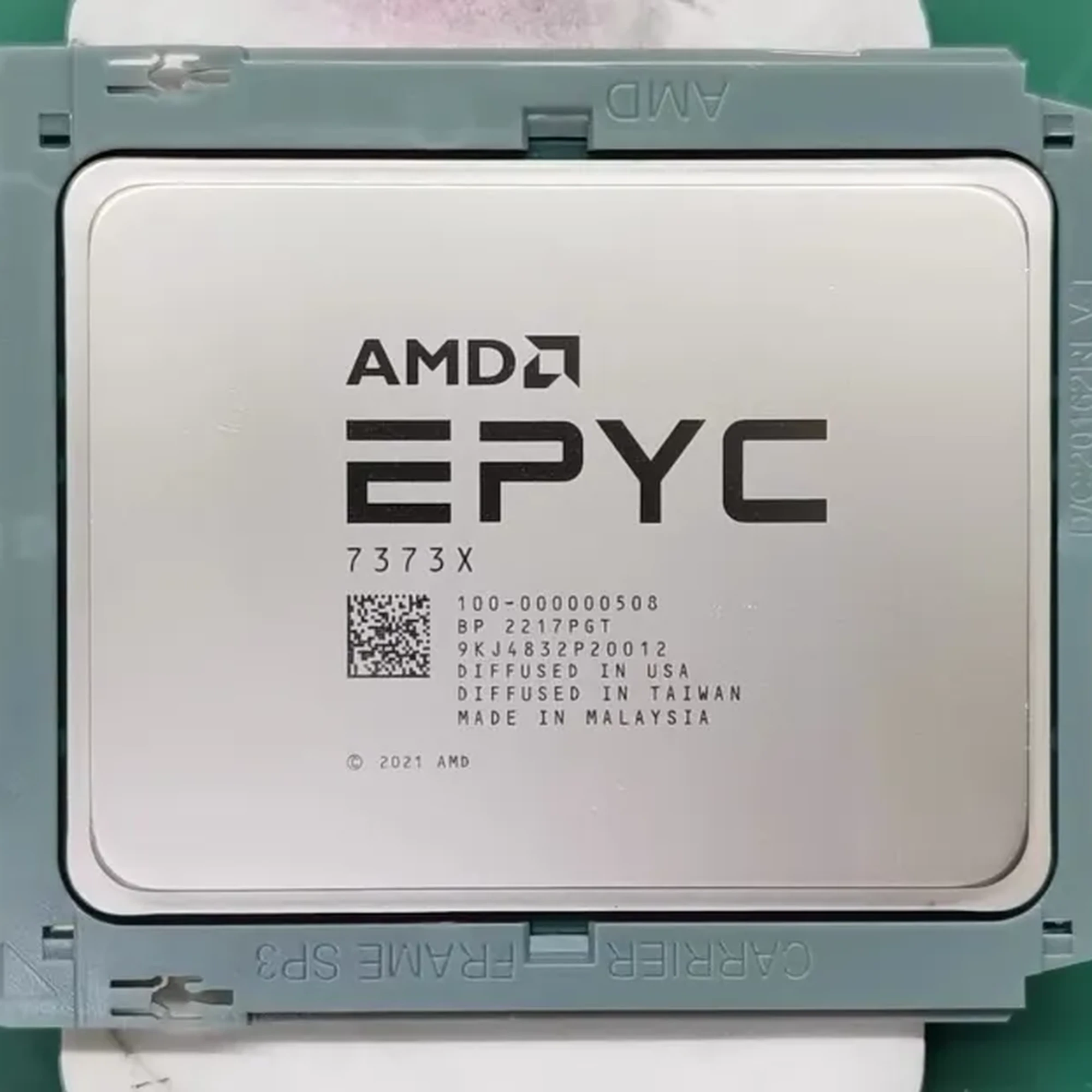
| EPYC 7373X | 16 / 32 | 3.05GHz | 3.8GHz | 240W | 768MB | Zen3 (Milan‑X, 3D V‑Cache) | SP3 | 128x PCIe 4.0 | 8‑channel DDR4‑3200, ECC, up to 4TB | EPYC 7373X |
| EPYC 7473X | 24 / 48 | 2.8GHz | 3.7GHz | 240W | 768MB | Zen3 (Milan‑X, 3D V‑Cache) | SP3 | 128x PCIe 4.0 | 8‑channel DDR4‑3200, ECC, up to 4TB | EPYC 7473X |
| EPYC 7573X | 32 / 64 | 2.8GHz | 3.6GHz | 280W | 768MB | Zen3 (Milan‑X, 3D V‑Cache) | SP3 | 128x PCIe 4.0 | 8‑channel DDR4‑3200, ECC, up to 4TB | EPYC 7573X |
| EPYC 7773X | 64 / 128 | 2.2GHz | 3.5GHz | 280W | 768MB | Zen3 (Milan‑X, 3D V‑Cache) | SP3 | 128x PCIe 4.0 | 8‑channel DDR4‑3200, ECC, up to 4TB | EPYC 7773X |


