
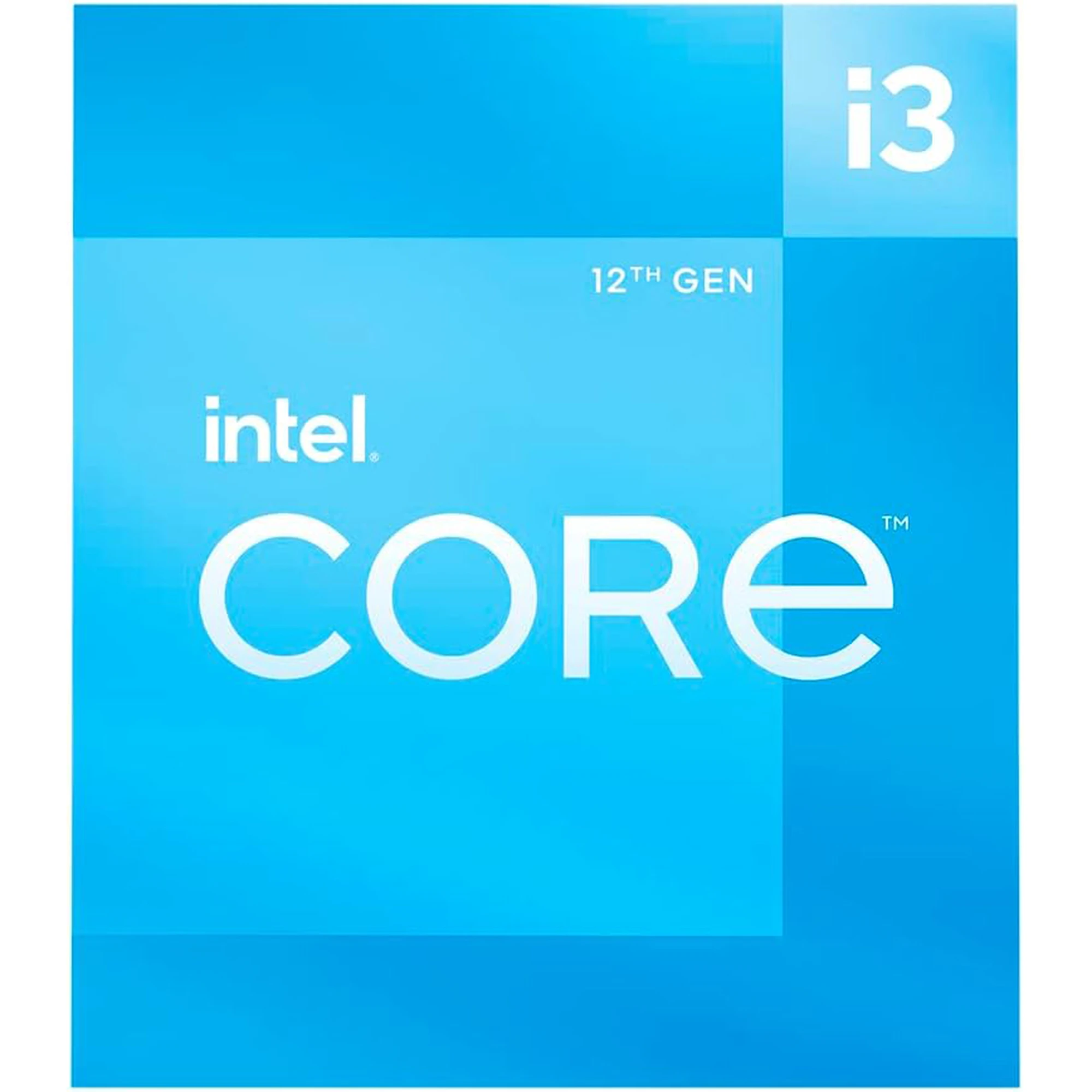
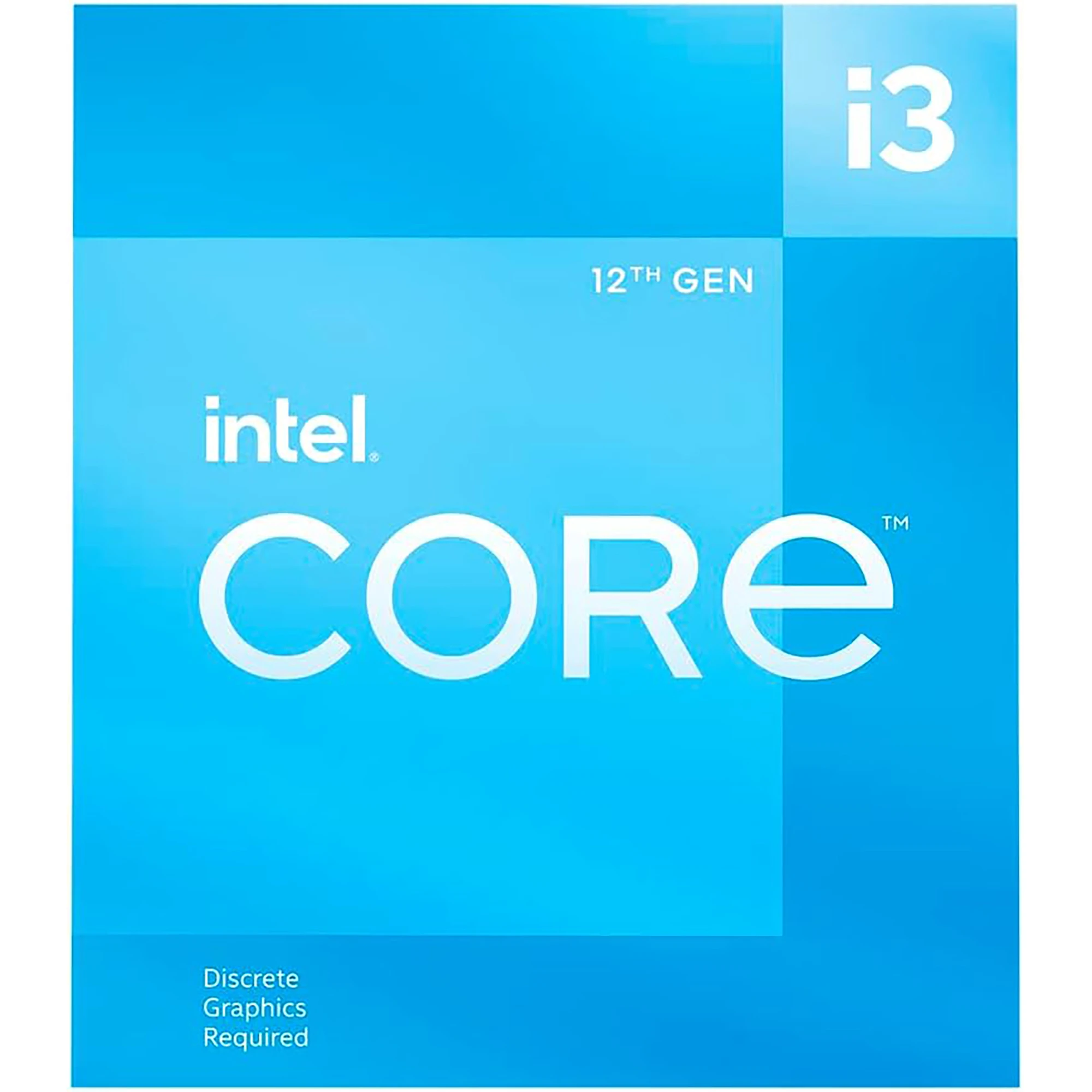
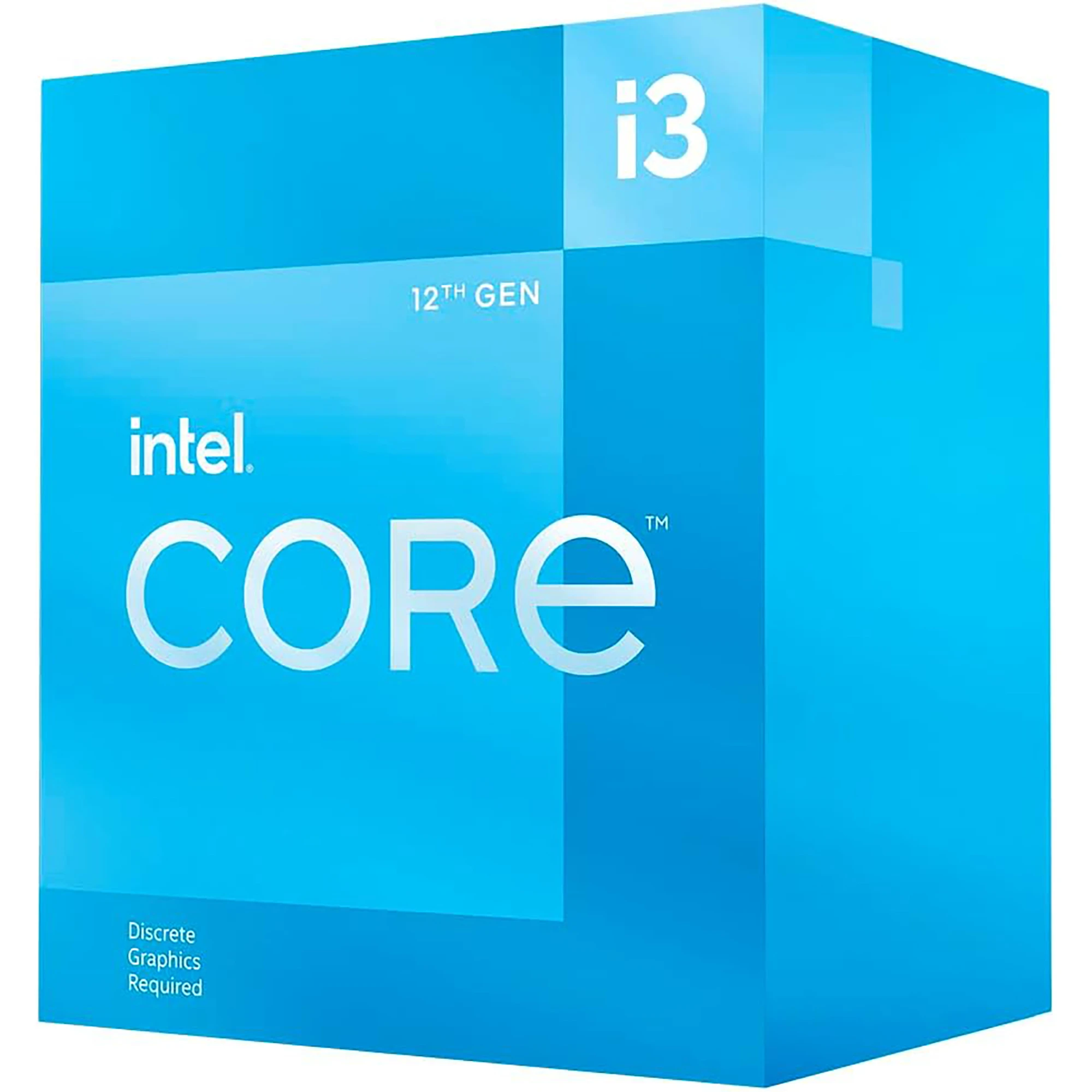
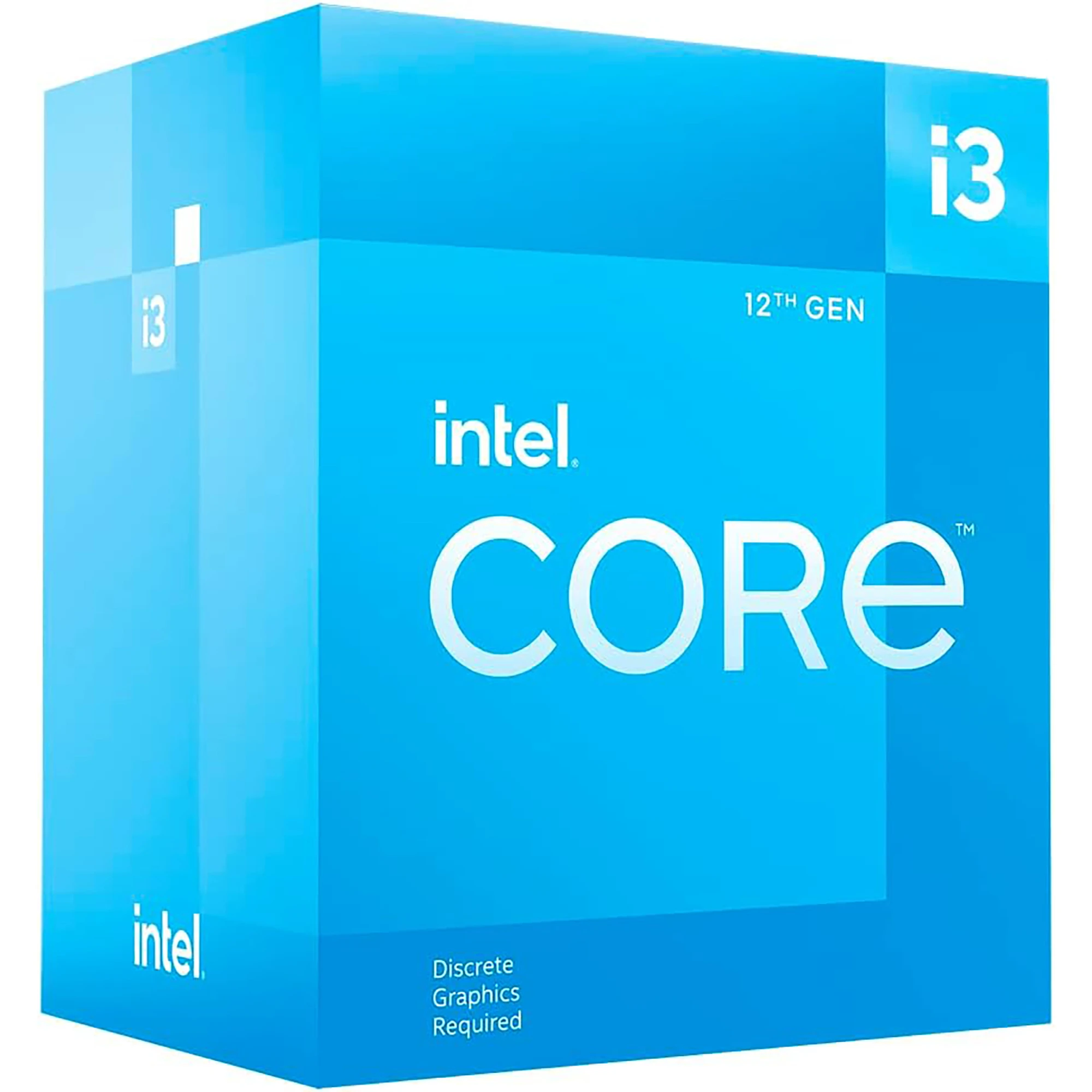
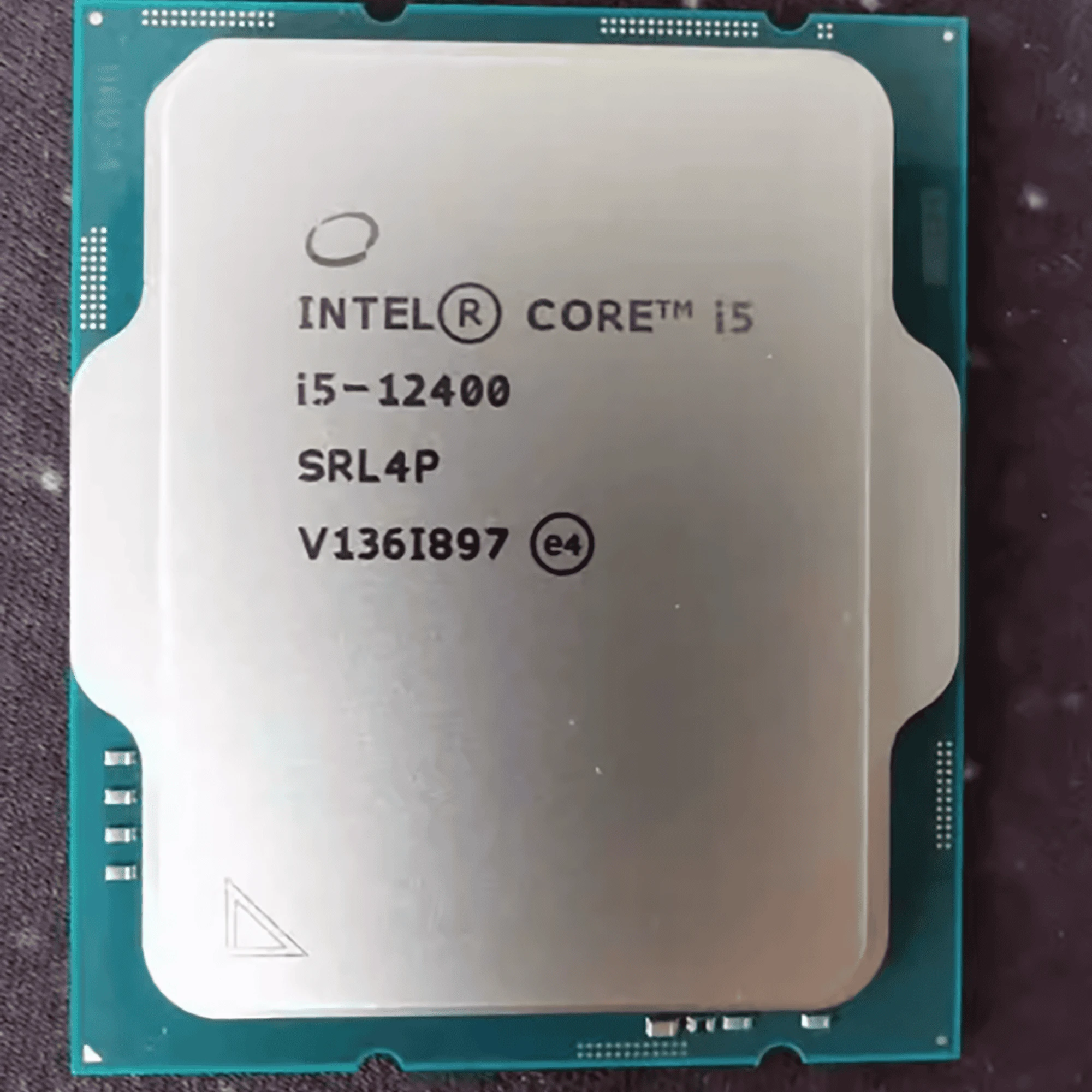
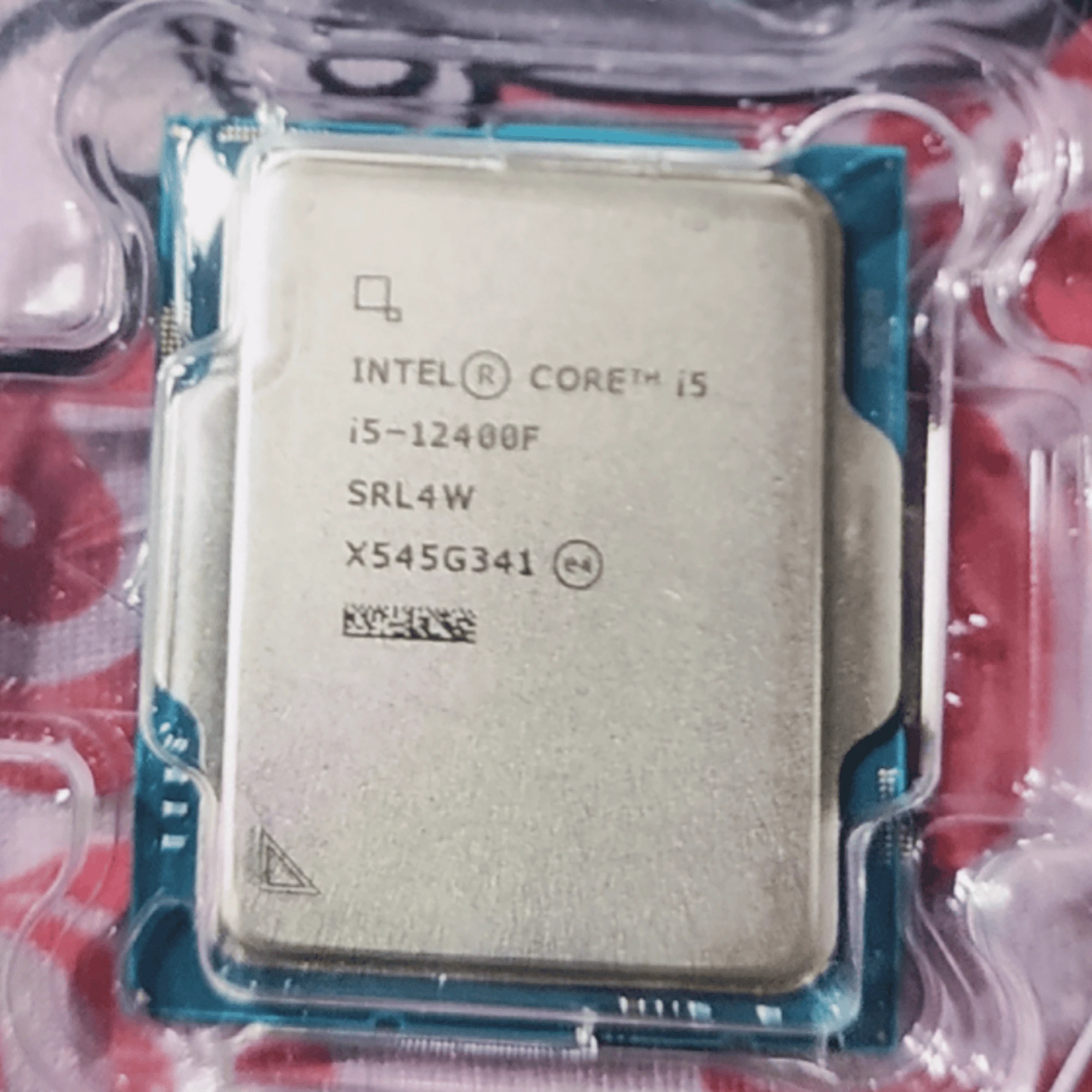
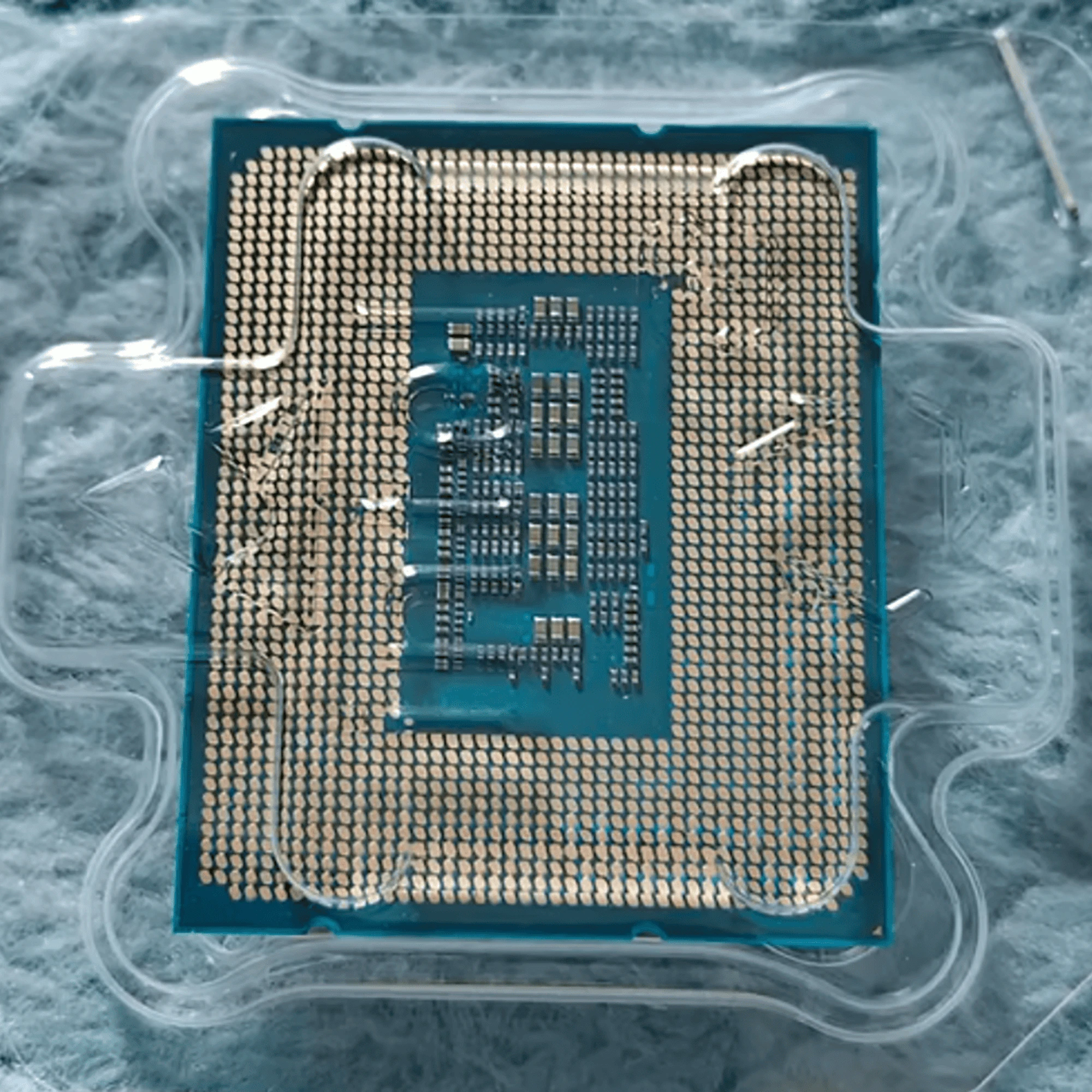
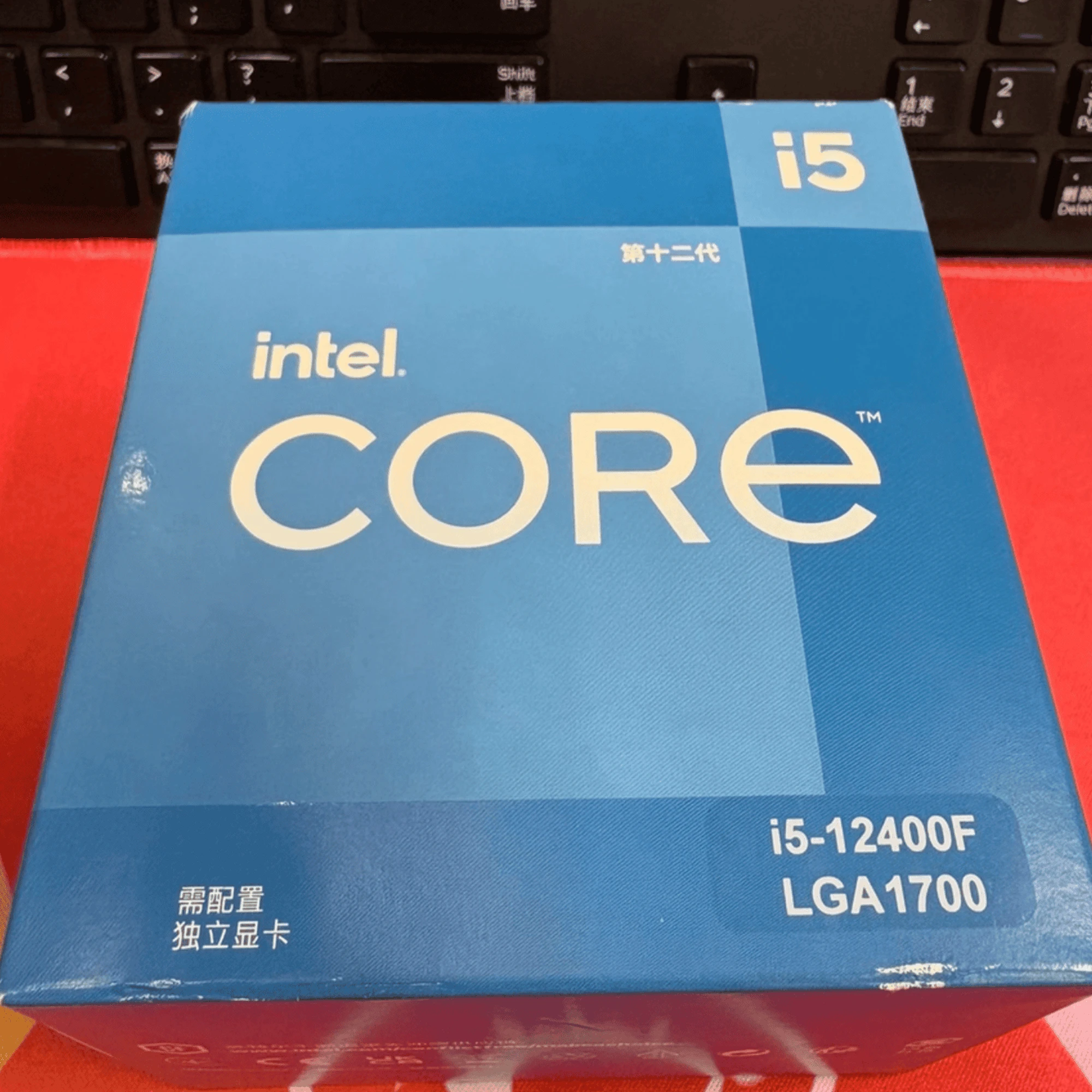
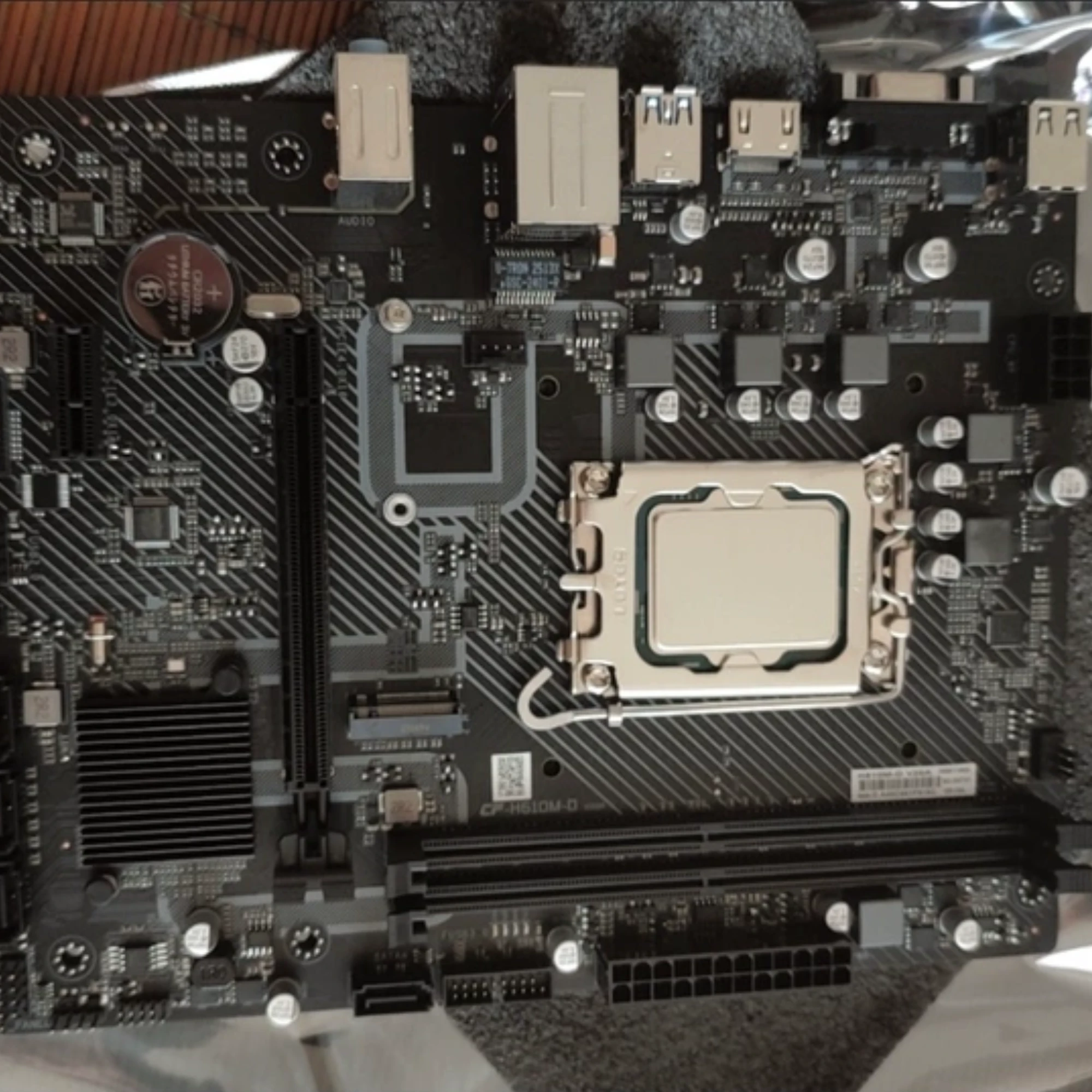
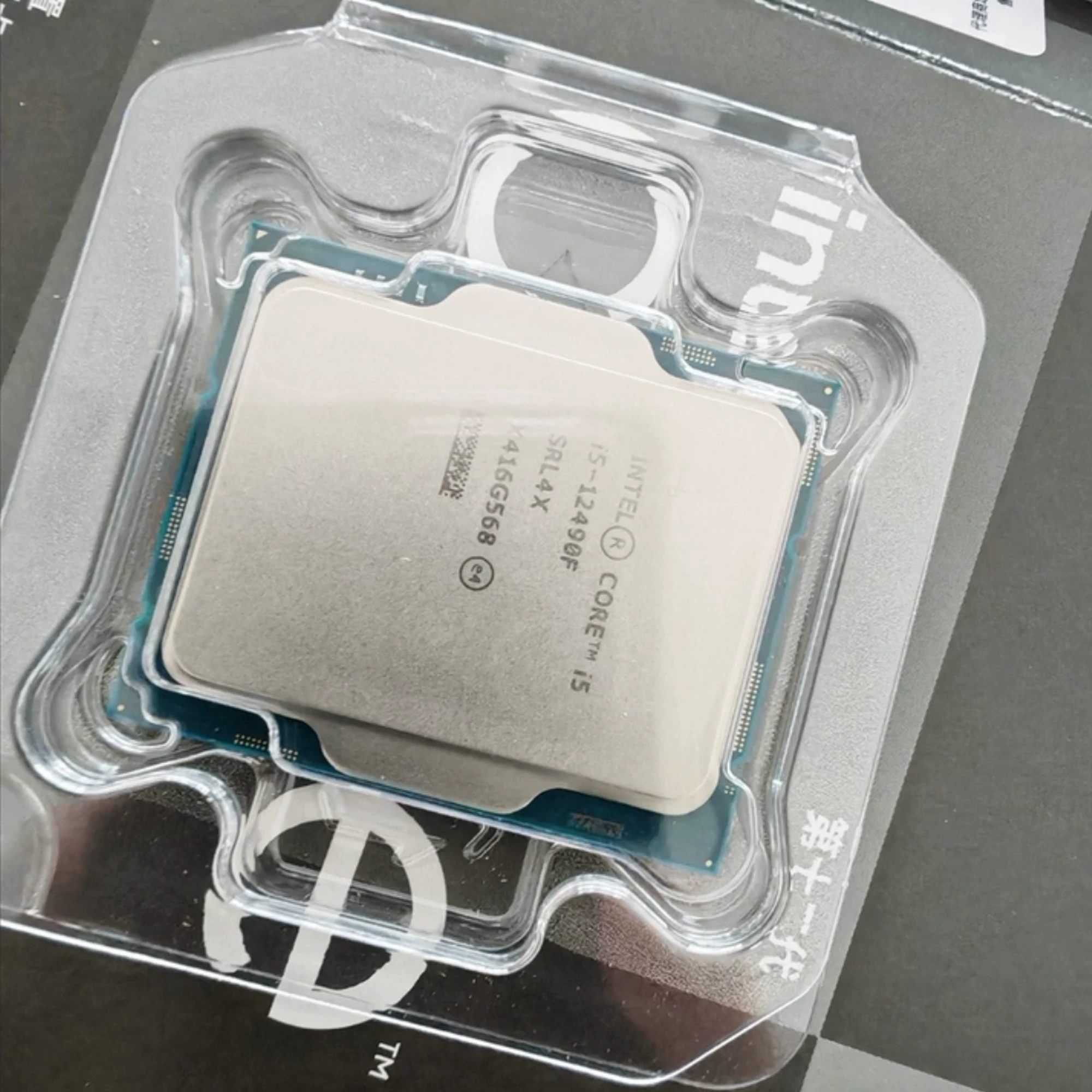
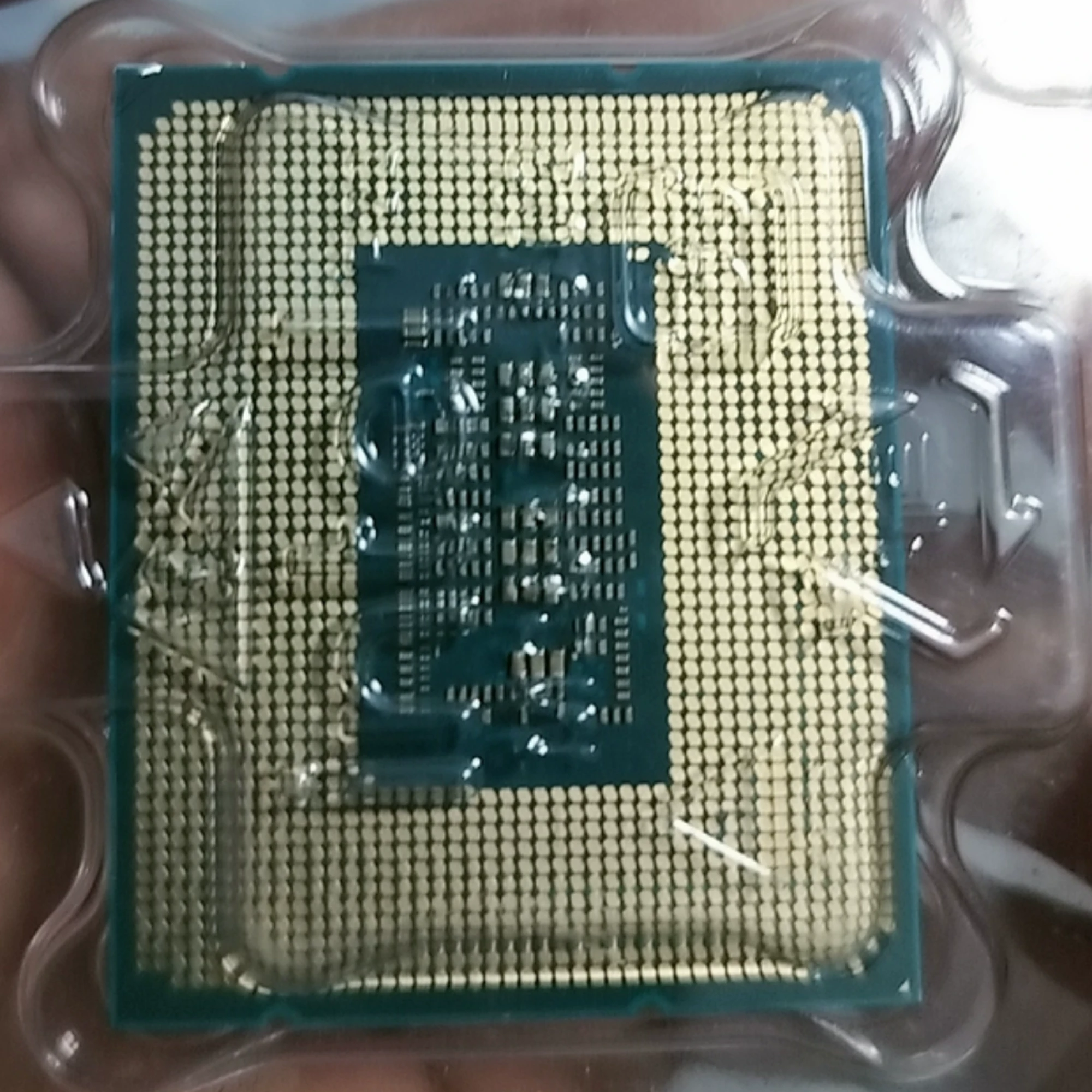
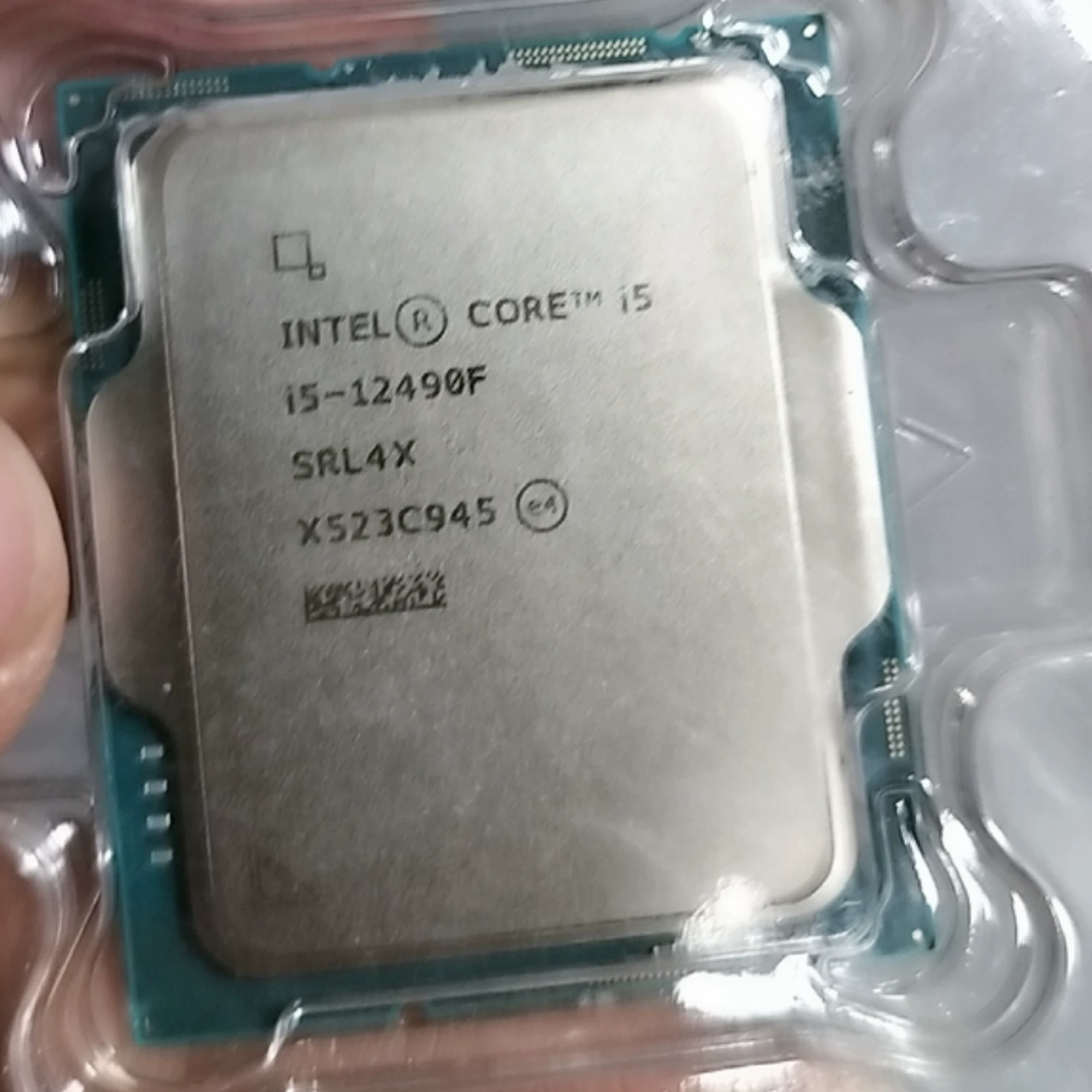

Intel Core i3-12100F Processor | 4 Cores 8 Threads, 4.3GHz Turbo, 12MB Cache, LGA1700 Desktop CPU (No iGPU)
| Specification Category | Details |
|---|---|
| Processor Model | Intel Core i3-12100F |
| Product Line | 12th Generation Intel Core i3 Processors |
| Microarchitecture | Alder Lake |
| Manufacturing Process | Intel 7 (10nm Enhanced SuperFin) |
| Cores/Threads | 4 Performance Cores, 8 Threads (Intel Hyper-Threading Technology) |
| Base Frequency | 3.3GHz (all cores) |
| Max Turbo Frequency | 4.3GHz (single core); 4.0GHz (4 cores) |
| Cache | 12MB Intel Smart Cache (L3); 5MB Total L2 Cache |
| Memory Support | DDR4-3200 MT/s, DDR5-4800 MT/s; 2 Memory Channels; Max 128GB |
| Memory Bandwidth | 76.8 GB/s |
| Integrated Graphics | None (No iGPU); Requires Dedicated Graphics Card |
| PCIe Support | PCIe 5.0 and 4.0; Max 20 Lanes; Configurations: Up to 1×16+4, 2×8+4 |
| Socket Type | FCLGA1700 |
| Motherboard Compatibility | Intel 600-Series (Z690, H670, B660, H610) & 700-Series (Z790, B760, H770) Chipsets |
| Power Consumption (TDP) | 60W (Base); 89W (Max Turbo Power) |
| Max Operating Temperature (Tjunction) | 100°C |
| Package Size | 45.0 mm x 37.5 mm |
| Advanced Technologies | Intel DL Boost, Intel Hyper-Threading, Intel Turbo Boost 2.0, Intel Optane Memory Support, Intel Speed Shift Technology |
| Security Features | Intel TDT, Intel AES New Instructions, Intel VT-x, Intel VT-d, Intel Boot Guard |
| Launch Date | Q1 2022 |
| Suggested Customer Price | $119.00 – $129.00 |
The Intel Core i3-12100F Processor is a cost-effective, performance-focused entry-level to mid-range desktop CPU, designed to cater to budget-conscious users who prioritize processing power over integrated graphics. As part of Intel’s 12th-Generation Alder Lake lineup, launched in Q1 2022, the i3-12100F shares most core specifications with its sibling, the i3-12100, with the key distinction being the absence of integrated graphics (hence the “F” suffix). This omission makes the 12100F a more affordable option, ideal for users who plan to pair it with a dedicated GPU for gaming, content creation, or productivity tasks that require discrete graphics support. Built on Intel 7 (10nm Enhanced SuperFin) process technology and featuring 4 Golden Cove Performance Cores, the i3-12100F delivers reliable multi-threaded and single-threaded performance, making it a standout choice for budget gaming rigs, home offices, and small business workstations.
Key Architecture & Manufacturing Process: Intel 7 & Golden Cove Cores
At the core of the Intel Core i3-12100F is Intel’s advanced Intel 7 manufacturing process—formerly known as 10nm Enhanced SuperFin—which represents a significant upgrade over the 14nm process used in 11th-Generation i3 processors. This cutting-edge process technology reduces power consumption while increasing transistor density, enabling the processor to deliver higher clock speeds without compromising stability or thermal efficiency. The i3-12100F is built on the Alder Lake microarchitecture, but unlike higher-tier Alder Lake CPUs (i5, i7, i9) that feature a hybrid design (Performance + Efficiency cores), it focuses solely on performance with 4 dedicated Golden Cove Performance Cores.
Golden Cove cores are engineered to deliver improved IPC (Instructions Per Cycle) compared to the Skylake-derived cores of the 11th-Gen i3-11100F, translating to faster performance in everyday tasks, gaming, and light content creation. By eliminating Efficiency Cores, the i3-12100F simplifies its design, ensuring that all available resources are dedicated to performance-critical tasks—making it ideal for users who need consistent responsiveness without the complexity of hybrid core management. This architecture also contributes to the processor’s low power consumption and quiet operation, even under moderate loads.
Performance: Clock Speeds, Cache, & Multitasking Capabilities
The Intel Core i3-12100F boasts a base frequency of 3.3GHz across all 4 Performance Cores, with a maximum turbo frequency of 4.3GHz when a single core is loaded—perfect for single-threaded tasks like application launching, web browsing, and gaming, where single-core performance is critical. When all 4 cores are active, the turbo frequency drops to a still-impressive 4.0GHz, ensuring smooth multitasking even when running multiple applications simultaneously (e.g., browser tabs, email, word processing, and background applications).
To support its performance capabilities, the i3-12100F is equipped with 12MB of Intel Smart Cache (L3 Cache) and 5MB of total L2 Cache. The L3 Cache acts as a high-speed buffer for frequently accessed data, reducing latency and improving data throughput between the processor and system memory. This cache configuration is particularly beneficial for multitasking and light content creation, as it allows the processor to quickly access critical data without relying on slower system memory. Additionally, the processor supports Intel Turbo Boost Technology 2.0, which dynamically adjusts clock speeds based on workload demand, ensuring that the processor only uses the power and performance needed for the task at hand—optimizing both performance and efficiency.
In benchmark testing, the i3-12100F consistently outperforms its 11th-Gen predecessor, the i3-11100F, by 10-15% in single-threaded performance and 5-10% in multi-threaded performance, thanks to its improved architecture and higher turbo frequencies. In PassMark benchmarks, the i3-12100F achieves a Single Thread Mark of 3250 and a CPU Mark of 12600, placing it well above entry-level processors and even competing with some mid-range processors from previous generations. For real-world users, this translates to faster application load times, smoother multitasking, and more responsive gaming performance when paired with a dedicated GPU.
Memory Support: DDR4 & DDR5 Flexibility
One of the standout features of the Intel Core i3-12100F is its dual memory support, allowing users to choose between DDR4 and DDR5 memory modules—providing flexibility for both budget-conscious builds and future-upgradable systems. The processor supports DDR4 memory up to 3200 MT/s and DDR5 memory up to 4800 MT/s, with a maximum memory capacity of 128GB across 2 memory channels. This dual support is particularly valuable for users who already own DDR4 memory, as it allows them to reuse existing components and reduce build costs, while those looking to future-proof their system can opt for DDR5 memory for improved bandwidth and performance down the line.
The maximum memory bandwidth of the i3-12100F is 76.8 GB/s, which ensures fast data transfer between the processor and memory—critical for multitasking, gaming, and light content creation. Whether using DDR4 or DDR5, the processor’s memory controller is optimized to deliver stable performance, with support for ECC memory (error-correcting code) in select configurations, making it suitable for small business or workstation builds that require data reliability. This flexibility makes the i3-12100F a versatile choice for a wide range of build types, from budget gaming rigs to office workstations.
No Integrated Graphics: Focus on Dedicated GPU Pairing
The most notable difference between the Intel Core i3-12100F and the standard i3-12100 is the absence of integrated graphics (iGPU). Unlike the i3-12100, which features Intel UHD Graphics 730, the 12100F has no integrated GPU, meaning a dedicated graphics card is required to display content on a monitor. This omission is intentional, as it allows Intel to offer the 12100F at a lower price point, making it an ideal choice for users who already own a dedicated GPU or plan to purchase one for gaming, video editing, or other graphics-intensive tasks.
For gaming builds, the i3-12100F pairs exceptionally well with mid-range dedicated GPUs (e.g., NVIDIA GTX 1650, AMD RX 6500 XT, RTX 3050, RX 6600), as its 4 Performance Cores and 8 Threads provide enough processing power to avoid bottlenecking these GPUs at 1080p resolution. For office and productivity builds, a low-cost dedicated GPU (e.g., NVIDIA GT 1030, AMD R5 230) is sufficient to enable display output, while still keeping the overall build cost low. The lack of an iGPU also reduces power consumption slightly, further enhancing the processor’s thermal efficiency.
Expansion & Connectivity: PCIe 5.0/4.0 & Platform Compatibility
The Intel Core i3-12100F supports PCI Express (PCIe) 5.0 and 4.0 protocols, with a maximum of 20 PCIe lanes. This allows users to connect high-speed peripherals and expansion cards, including NVMe SSDs, dedicated graphics cards, and network adapters, ensuring future compatibility with the latest hardware. The PCIe configuration supports up to 1×16+4 or 2×8+4 lanes, providing flexibility for different build configurations—whether you’re using a single dedicated GPU (16 lanes) or a combination of GPU and NVMe SSDs (8+4 lanes).
The processor uses the LGA1700 socket, which is compatible with Intel 600-series (Z690, H670, B660, H610) and 700-series (Z790, B760, H770) motherboards. This wide compatibility ensures that users have a range of motherboard options to choose from, from budget-friendly H610 motherboards to more feature-rich B660 or Z690 motherboards. It’s important to note that the i3-12100F does not support overclocking (the processor is locked), so there’s no need for a Z-series motherboard (which is designed for overclocking), making B660 or H610 motherboards the most cost-effective choices for this processor.
Other connectivity features include Direct Media Interface (DMI) 4.0 with 8 lanes, which provides high-speed communication between the processor and motherboard chipset, ensuring fast data transfer between components. The processor also supports Intel Volume Management Device (VMD), which simplifies storage management for NVMe SSDs, making it easier to configure and manage multiple drives in a system.
Power Consumption & Thermal Efficiency
The Intel Core i3-12100F is designed with power efficiency in mind, featuring a processor base power (TDP) of 60W and a maximum turbo power (MTP) of 89W. This low power consumption means that the processor can be cooled with a basic stock cooler (included with most retail versions) or a budget aftermarket cooler, reducing overall build costs. Even under heavy load (e.g., gaming, multitasking), the i3-12100F maintains low temperatures (typically between 58-68°C with a stock cooler), ensuring quiet operation and long-term reliability.
The processor also supports Enhanced Intel SpeedStep Technology and Idle States, which dynamically adjust power consumption based on workload demand. When the processor is idle or running light tasks, it reduces its clock speed and power usage, saving energy and reducing heat output. This makes the i3-12100F an ideal choice for compact builds, gaming rigs, or systems that run for extended periods, as it consumes less power and generates less heat than higher-tier processors.
Advanced Technologies & Security Features
Despite being an entry-level, budget-focused processor, the Intel Core i3-12100F includes a range of advanced technologies and security features to enhance performance, reliability, and data protection. These features include:
- Intel Deep Learning Boost (Intel DL Boost): Optimizes AI and machine learning workloads, improving performance in applications like image recognition, video editing, and AI-assisted software.
- Intel Hyper-Threading Technology: Enables each core to handle two threads simultaneously, increasing multi-threaded performance by up to 30% compared to processors without hyper-threading.
- Intel Optane Memory Support: Allows users to add Intel Optane memory modules to accelerate storage performance, reducing load times for applications and operating systems installed on mechanical hard drives.
- Intel Threat Detection Technology (TDT): Monitors system activity for potential security threats, providing an additional layer of protection against malware and cyberattacks.
- Intel AES New Instructions: Accelerates encryption and decryption tasks, improving security for sensitive data and reducing performance overhead for encrypted applications.
- Intel Virtualization Technology (VT-x) & VT-d: Supports virtualization, allowing users to run multiple operating systems or virtual machines simultaneously, ideal for developers, IT professionals, and power users.
Ideal Use Cases & Target Audience
The Intel Core i3-12100F is a versatile processor that caters to a specific set of users who prioritize performance and value, while not requiring integrated graphics. Its ideal use cases include:
- Budget Gaming Rigs: Perfect for casual and entry-level gamers who want a reliable processor that pairs well with mid-range dedicated GPUs. The i3-12100F delivers enough performance to run titles like Minecraft, League of Legends, CS:GO, Fortnite, and even some AAA games at 1080p resolution with smooth frame rates when paired with a suitable GPU.
- Home Office & Productivity Builds: Suitable for users who need a reliable processor for everyday tasks like web browsing, email, word processing, spreadsheets, and video conferencing. When paired with a low-cost dedicated GPU, the 12100F provides a cost-effective solution for home office setups.
- Student Computers: Ideal for students who need a powerful yet affordable processor for online classes, homework, research, and light creative tasks (e.g., photo editing, presentation design). The processor’s multitasking capabilities and low power consumption make it suitable for long study sessions.
- Small Business & Workstations: Suitable for small business systems used for accounting, inventory management, and basic content creation. The processor’s reliability, low power consumption, and multi-monitor support (via a dedicated GPU) make it ideal for office environments.
- Upgrades for Older Systems: A great upgrade option for users with older desktop systems (e.g., 8th or 9th-Gen Intel CPUs) who want to improve performance without investing in a full system overhaul. The LGA1700 socket compatibility ensures future upgradeability.
Conclusion: Why Choose the Intel Core i3-12100F?
The Intel Core i3-12100F Processor is a standout choice in the budget desktop CPU market, offering an unbeatable combination of performance, efficiency, and value. Its 4 Golden Cove Performance Cores, 8 Threads, and 4.3GHz max turbo frequency deliver reliable performance for gaming, multitasking, and productivity tasks, while its Intel 7 process technology ensures low power consumption and quiet operation. The absence of integrated graphics makes it more affordable than the standard i3-12100, making it ideal for users who plan to pair it with a dedicated GPU.
Whether you’re building a budget gaming rig, a home office PC, a student computer, or a small business workstation, the i3-12100F offers the performance and features you need without breaking the bank. Its wide motherboard compatibility, dual DDR4/DDR5 memory support, and advanced technologies make it a future-proof choice, ensuring that your system will remain capable for years to come. For users who prioritize value, reliability, and performance—without the need for integrated graphics—the Intel Core i3-12100F is undoubtedly one of the best budget desktop processors available today.
| Weight | 1 kg |
|---|---|
| Dimensions | 10 × 10 × 10 cm |
| CPU Series | 12th Generation Intel Core i3 Processors |
| CPU Cores | 4 |
| Threads | 8 |
| Max. Boost Clock | 4.3 GHz |
| Base Clock | 3.3 GHz |
| L2 Cache | 5 MB |
| L3 Cache | 12 MB |
| Default TDP | 60W |
| CPU Socket | LGA1700 |
| Products Status | USED |
| Warranty(Year) | 1-Year Limited |


Reviews
There are no reviews yet.