
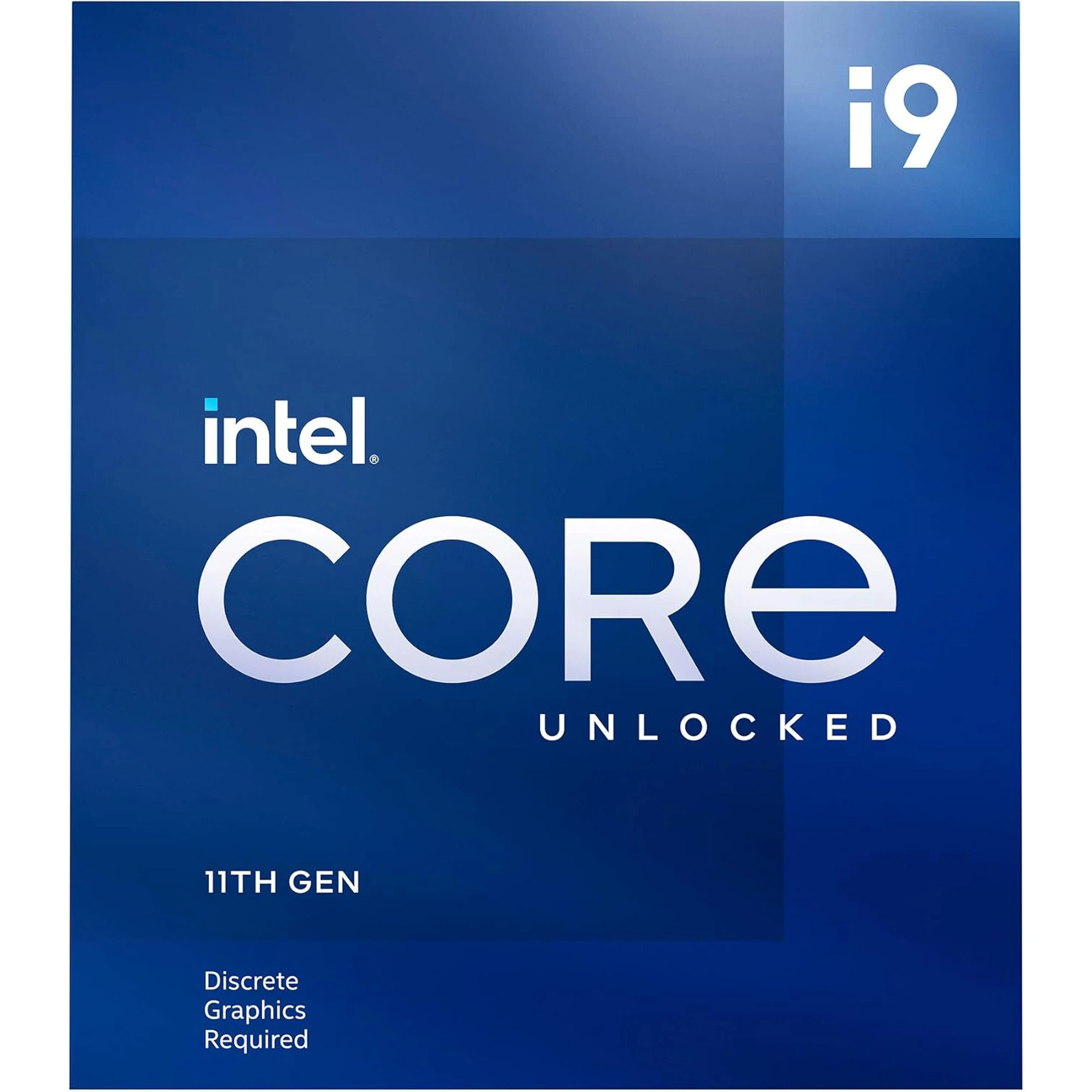
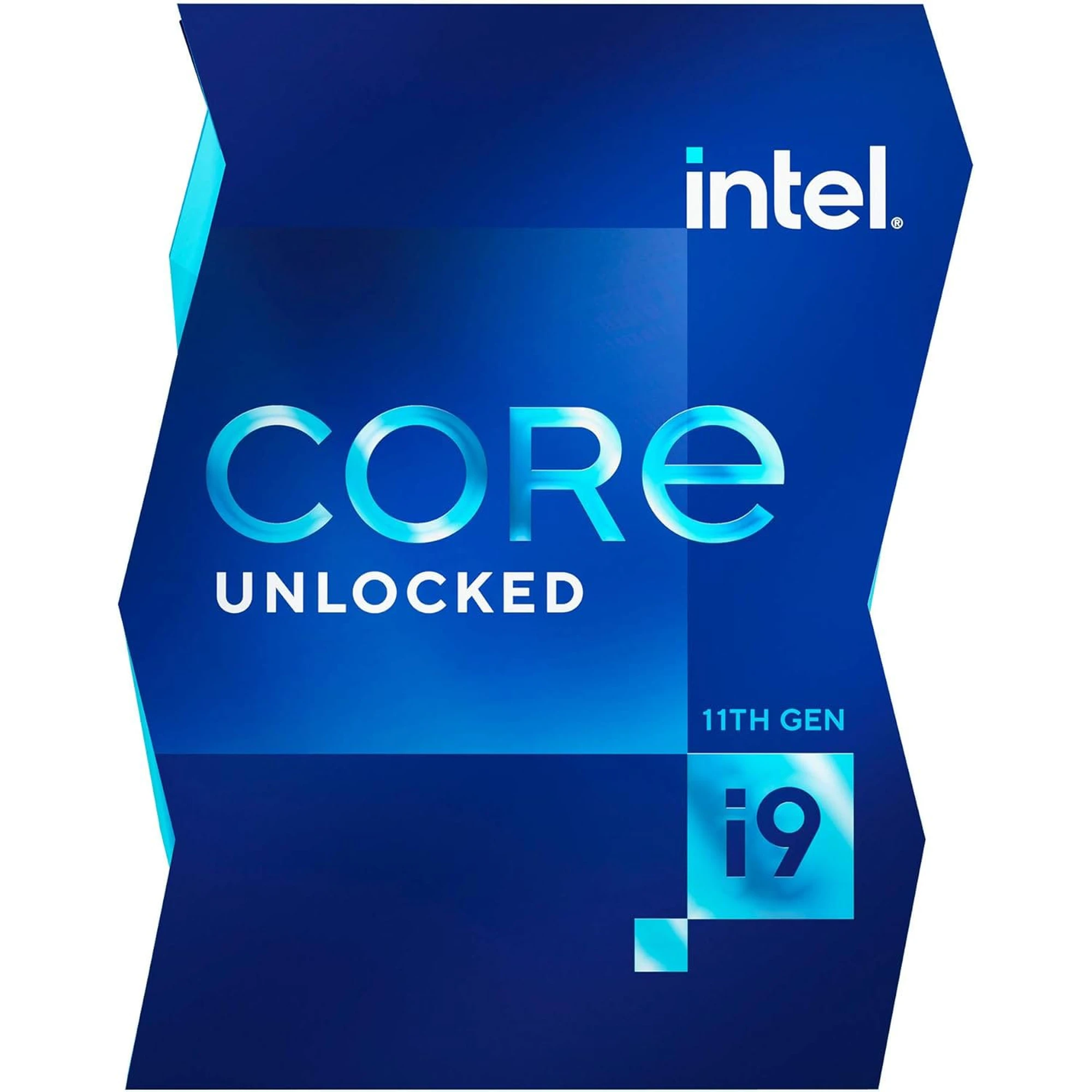
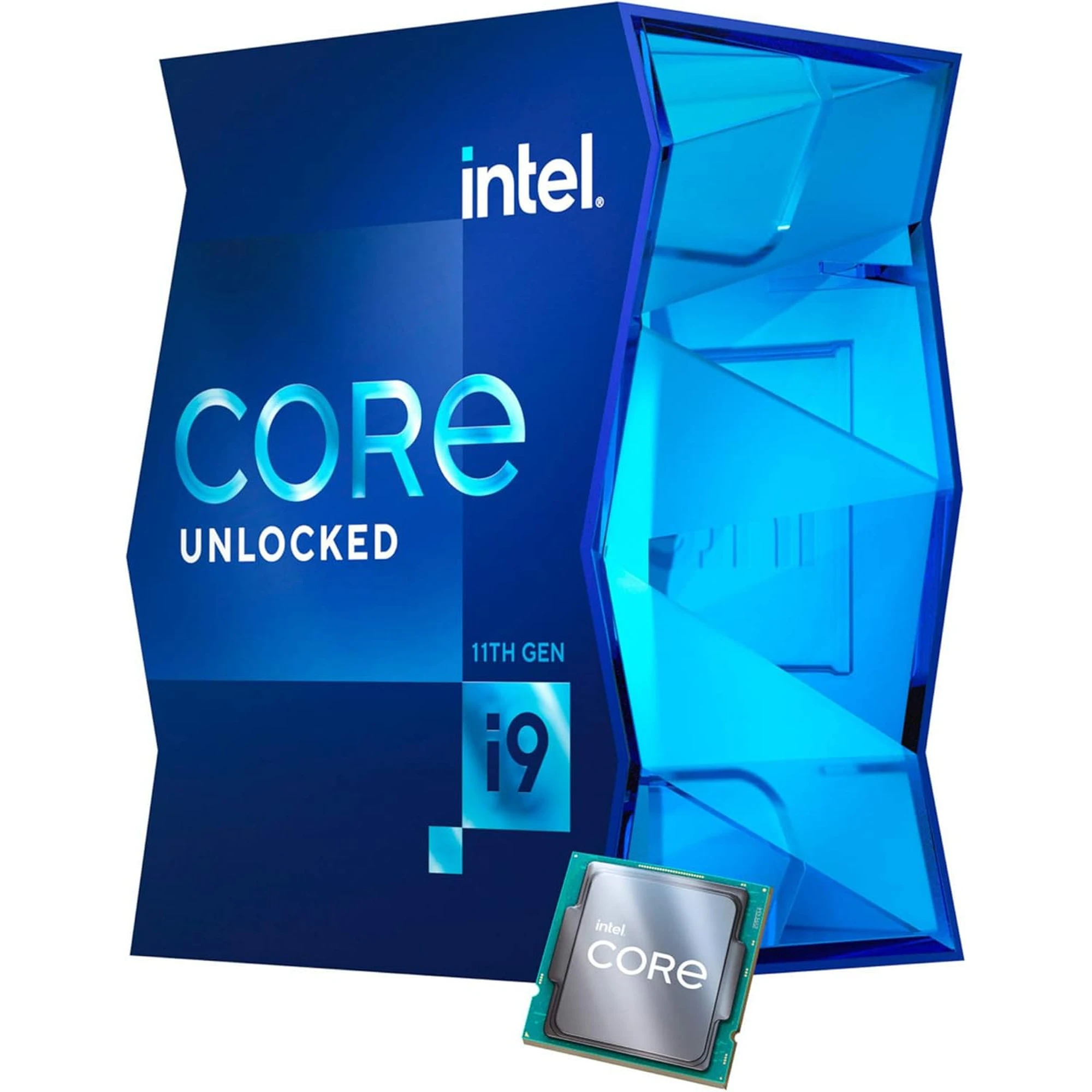
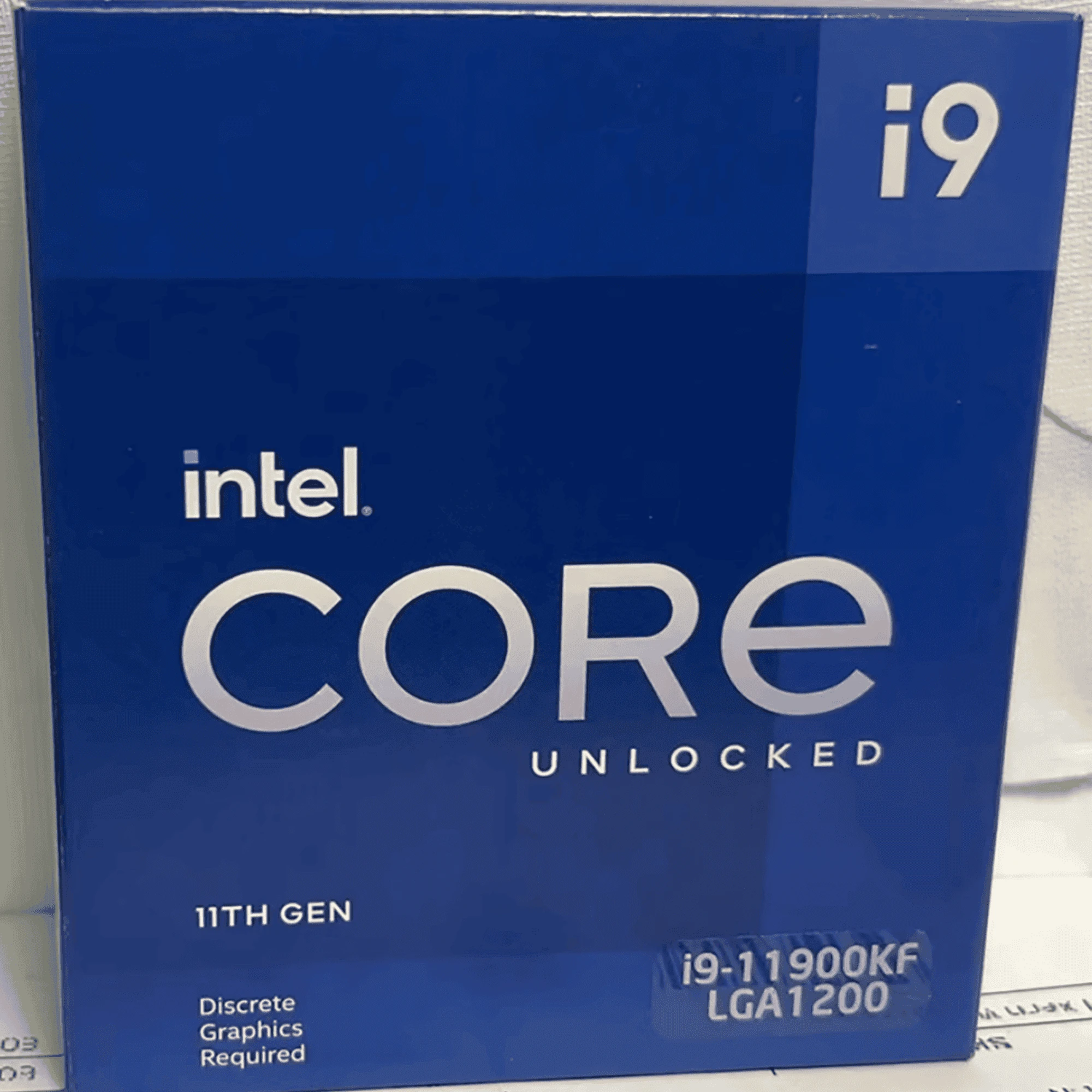
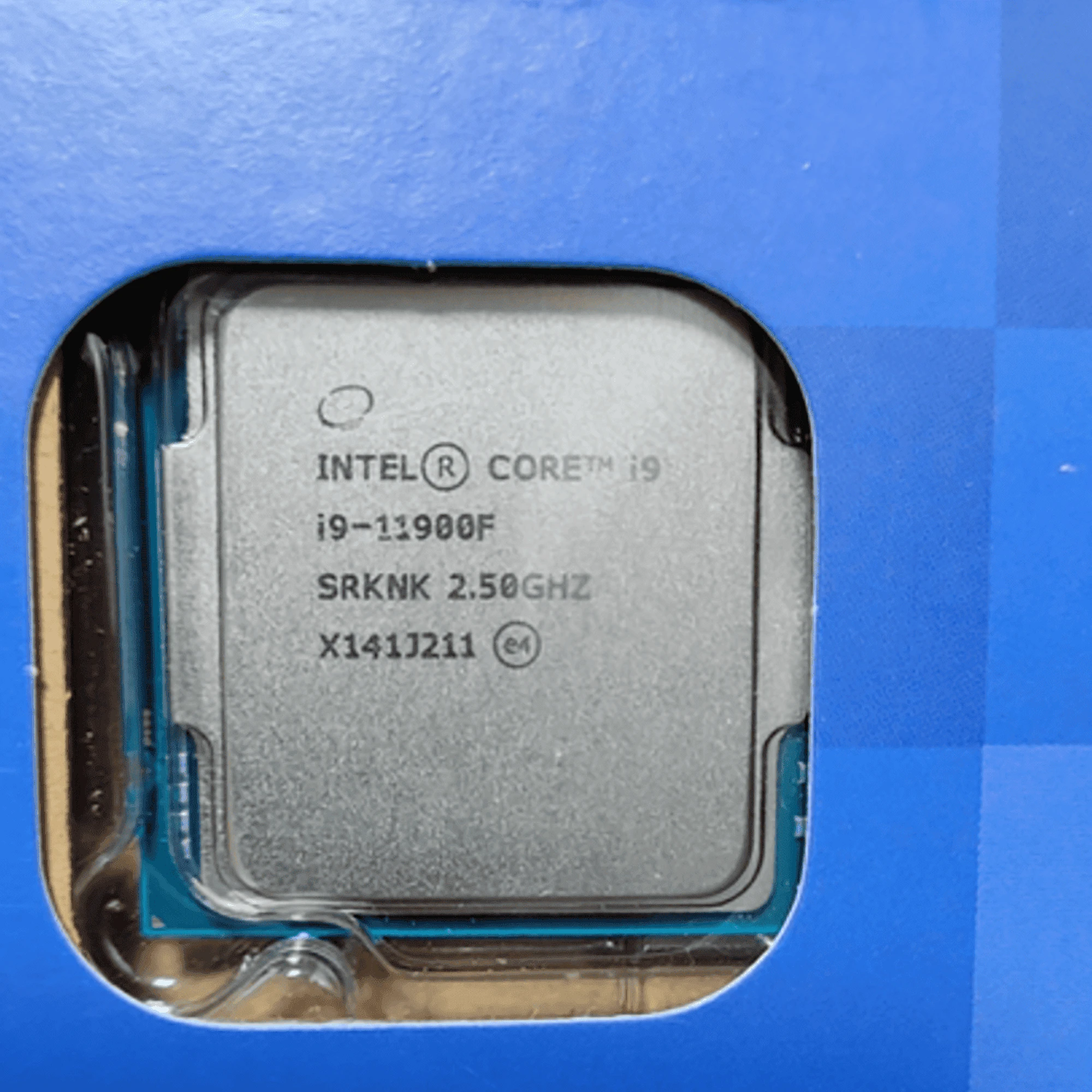
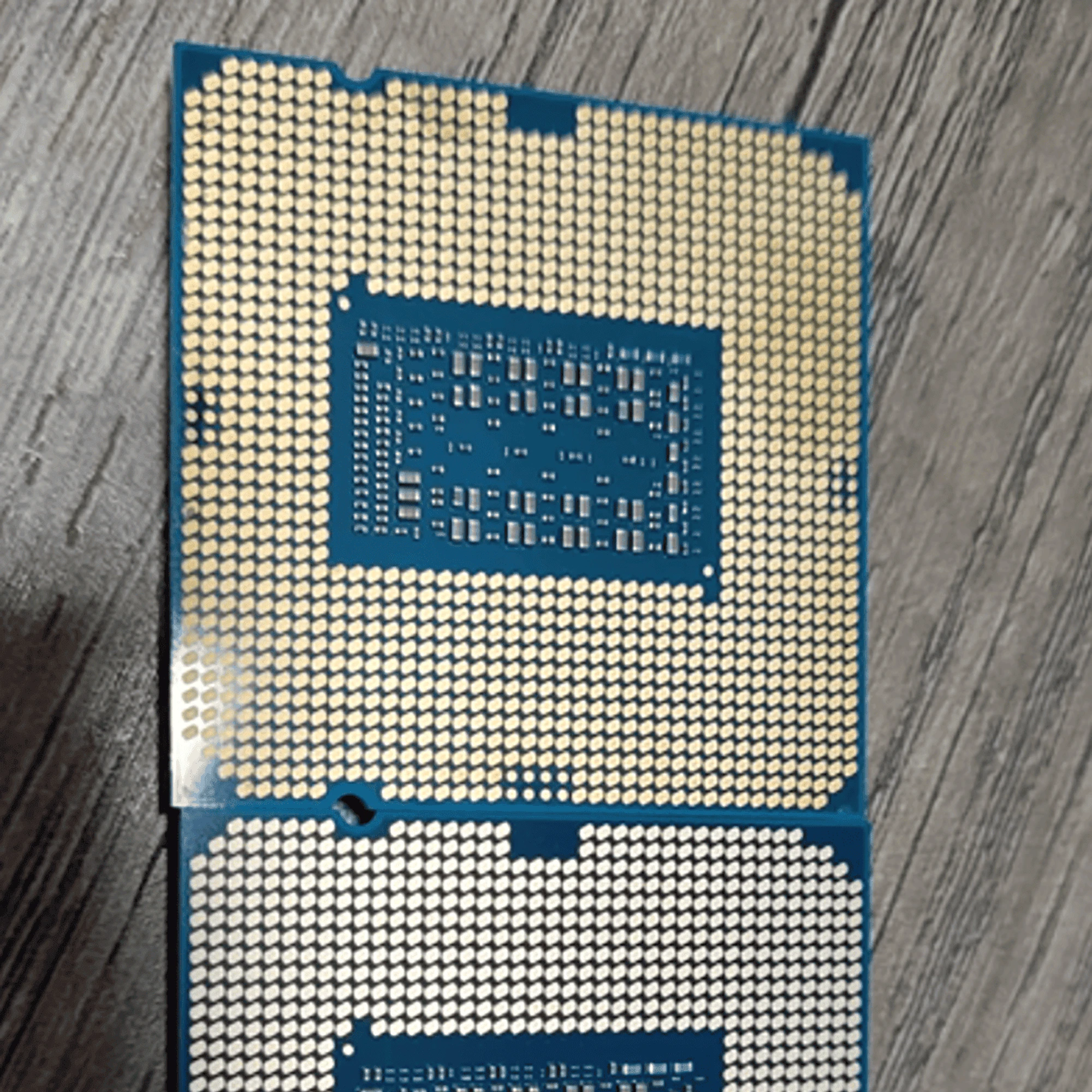
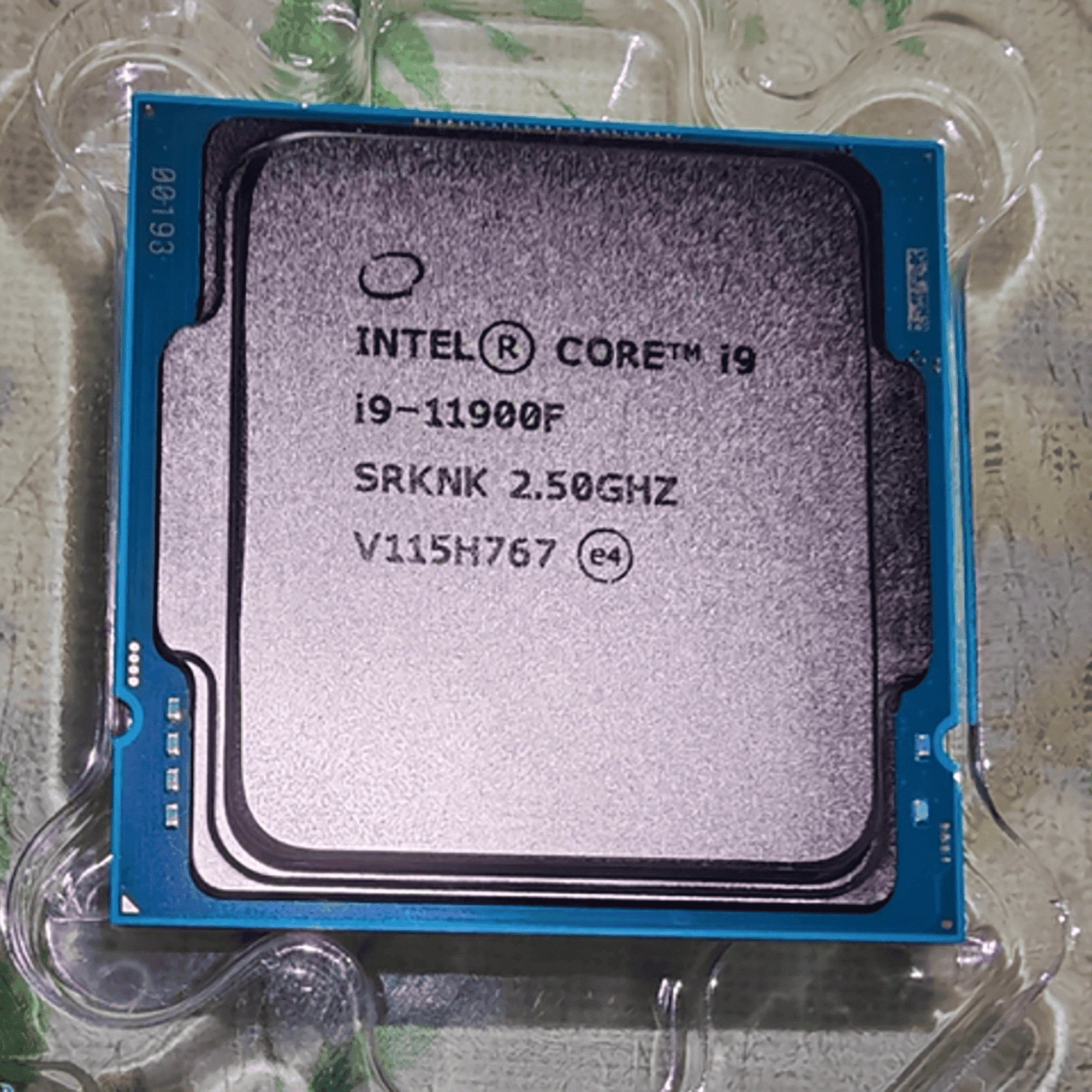
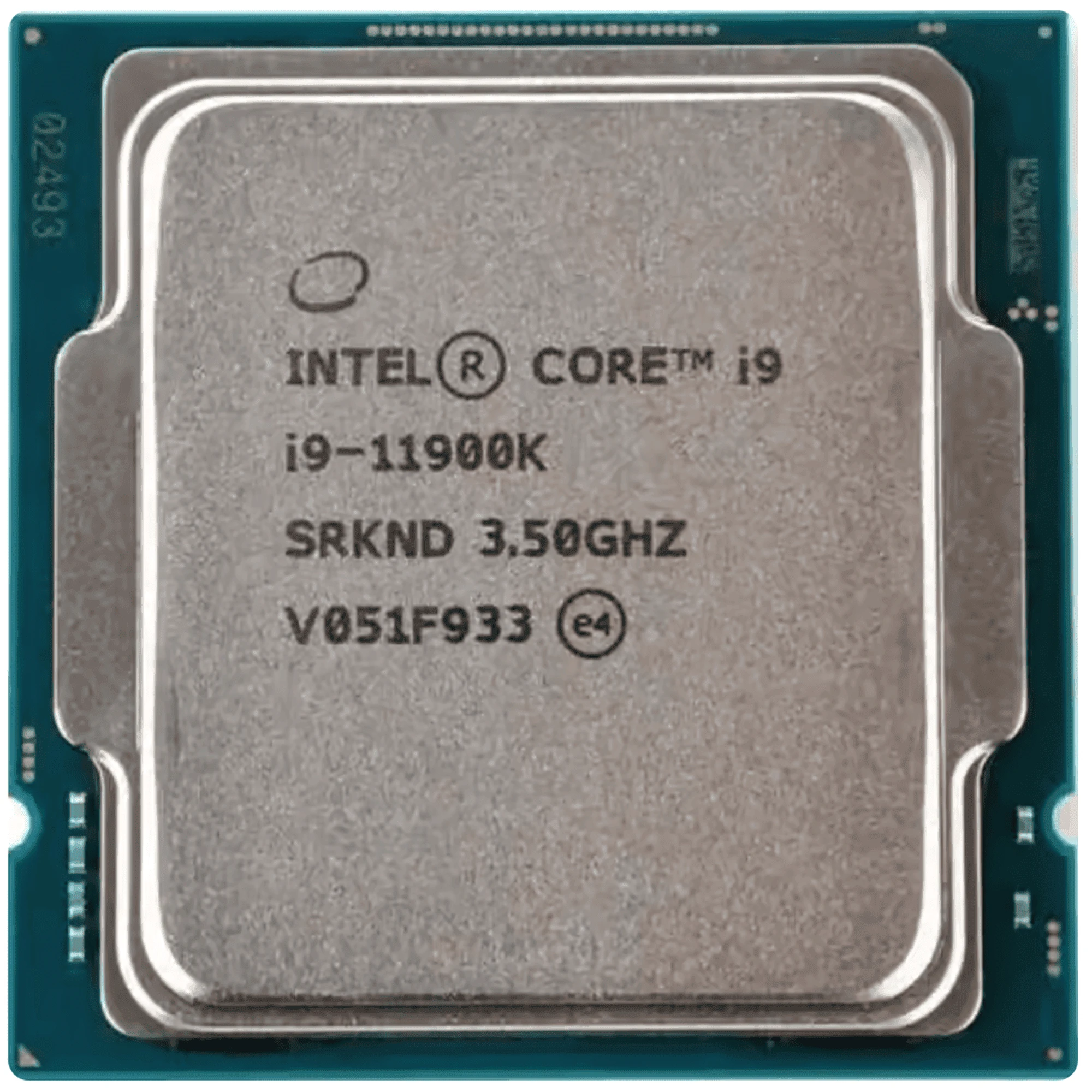
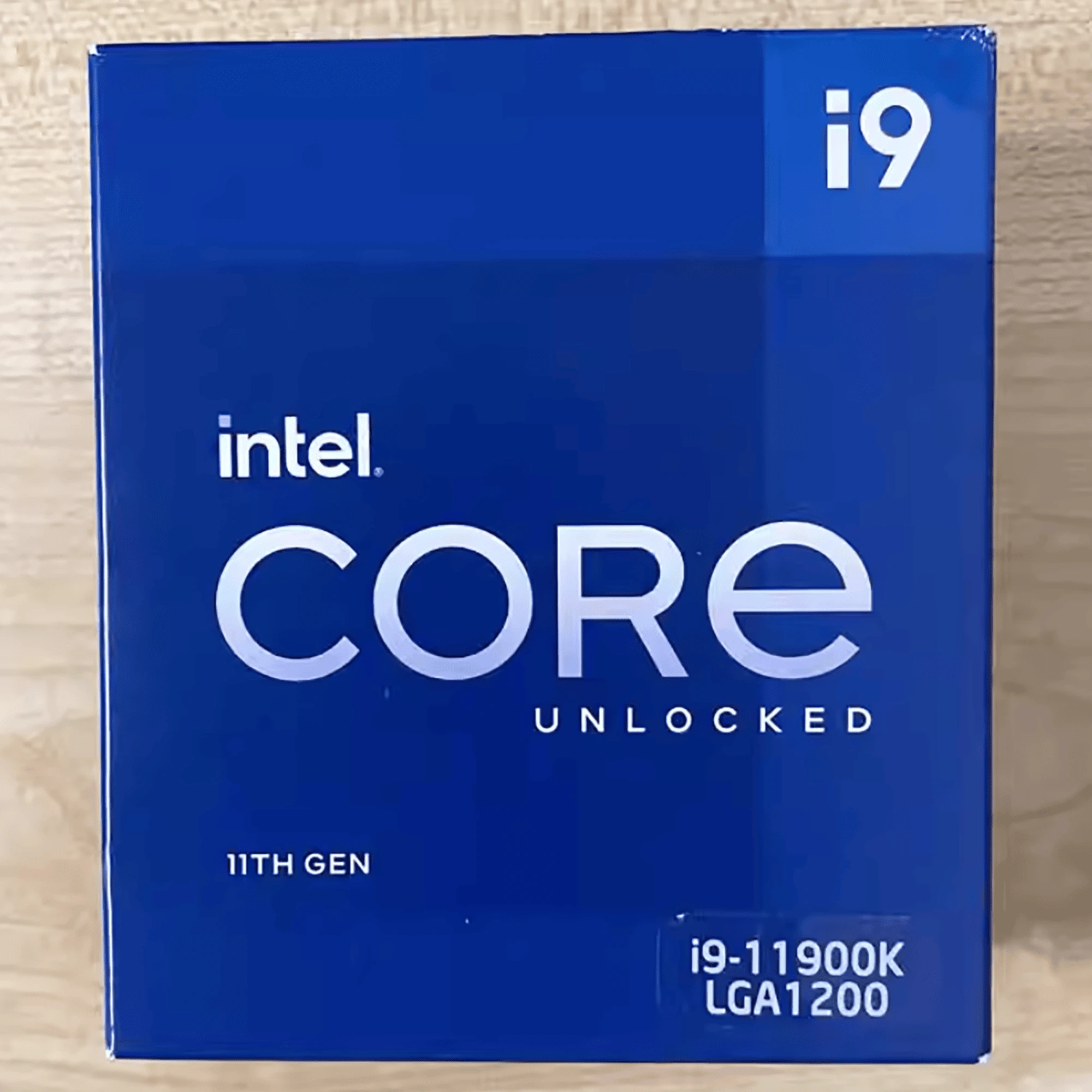
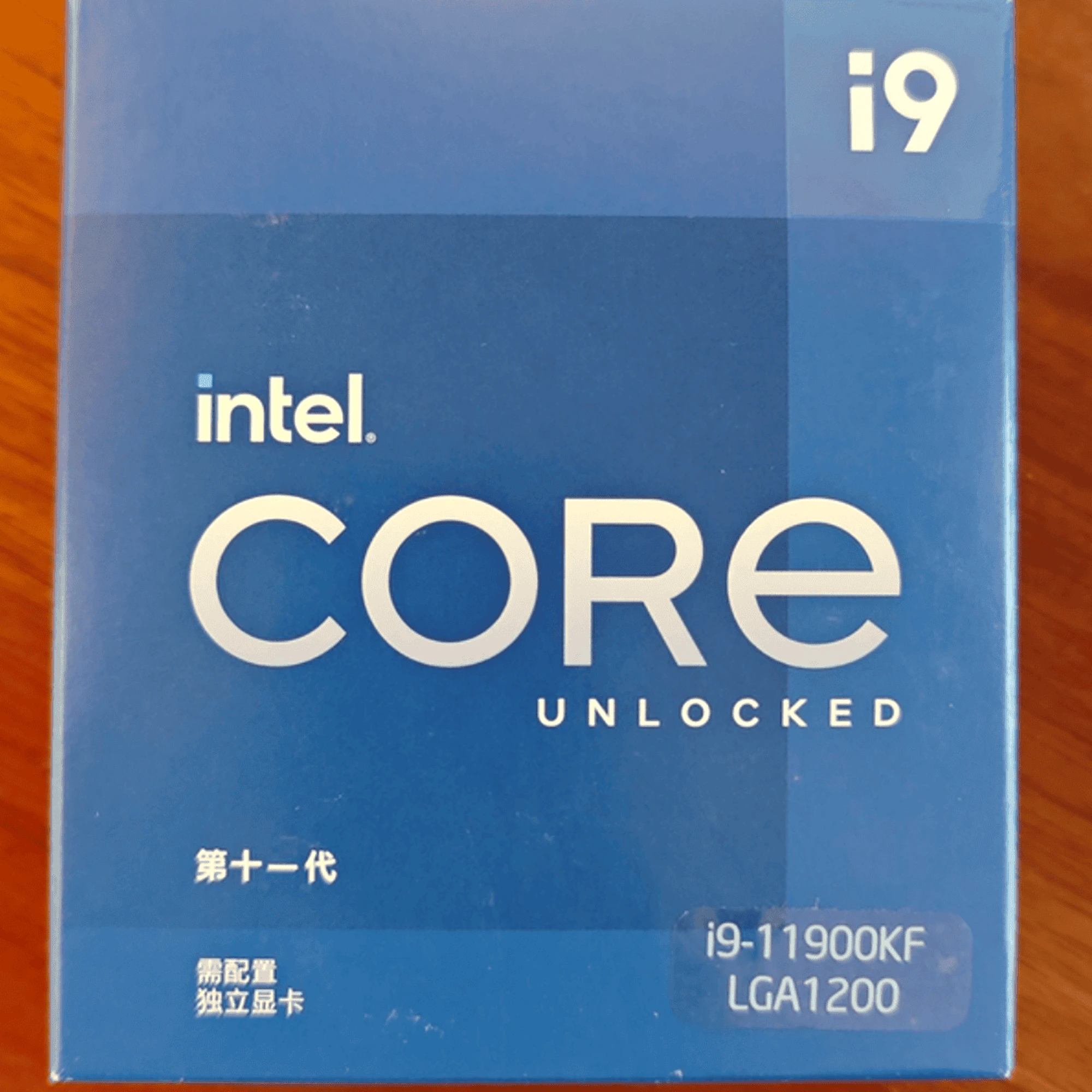
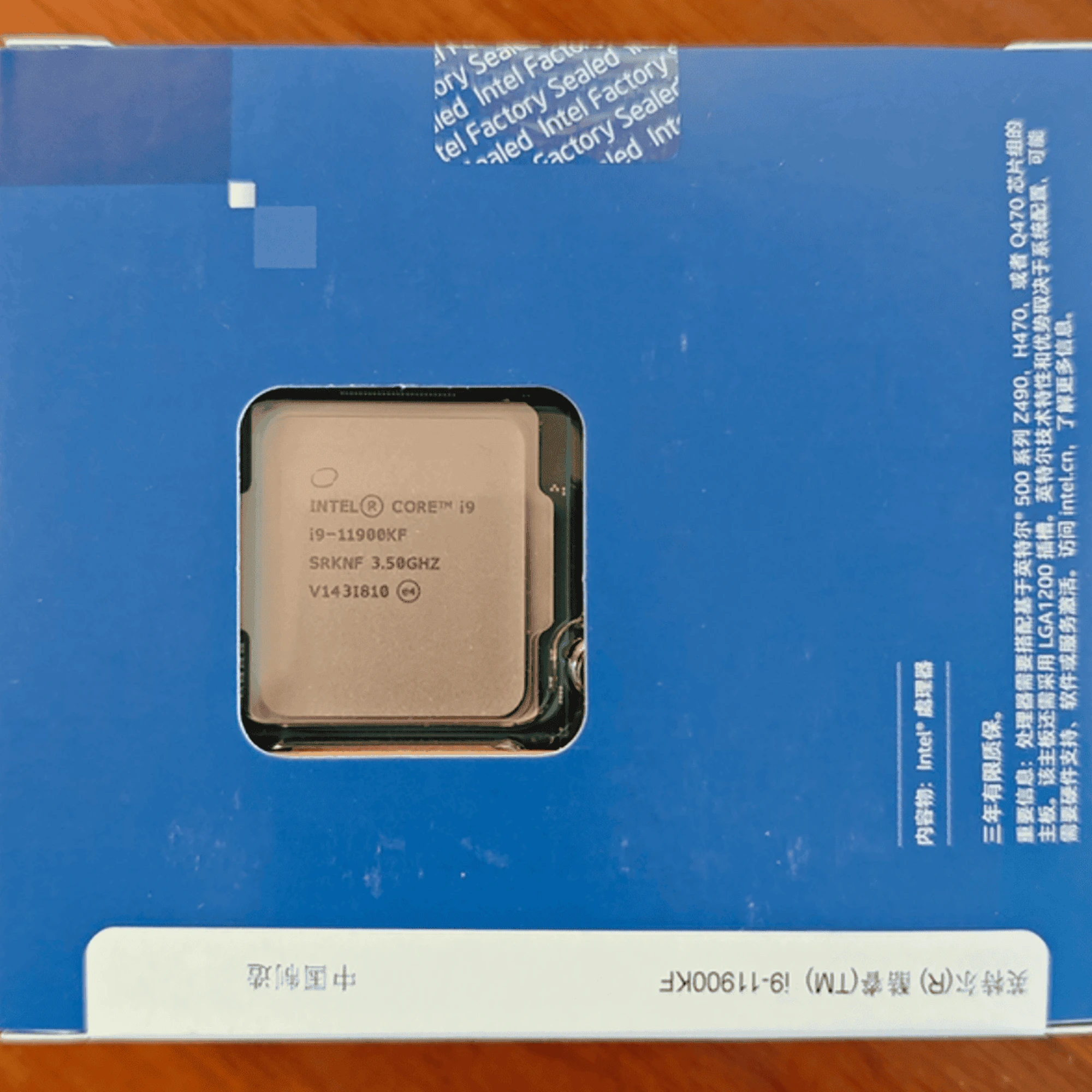

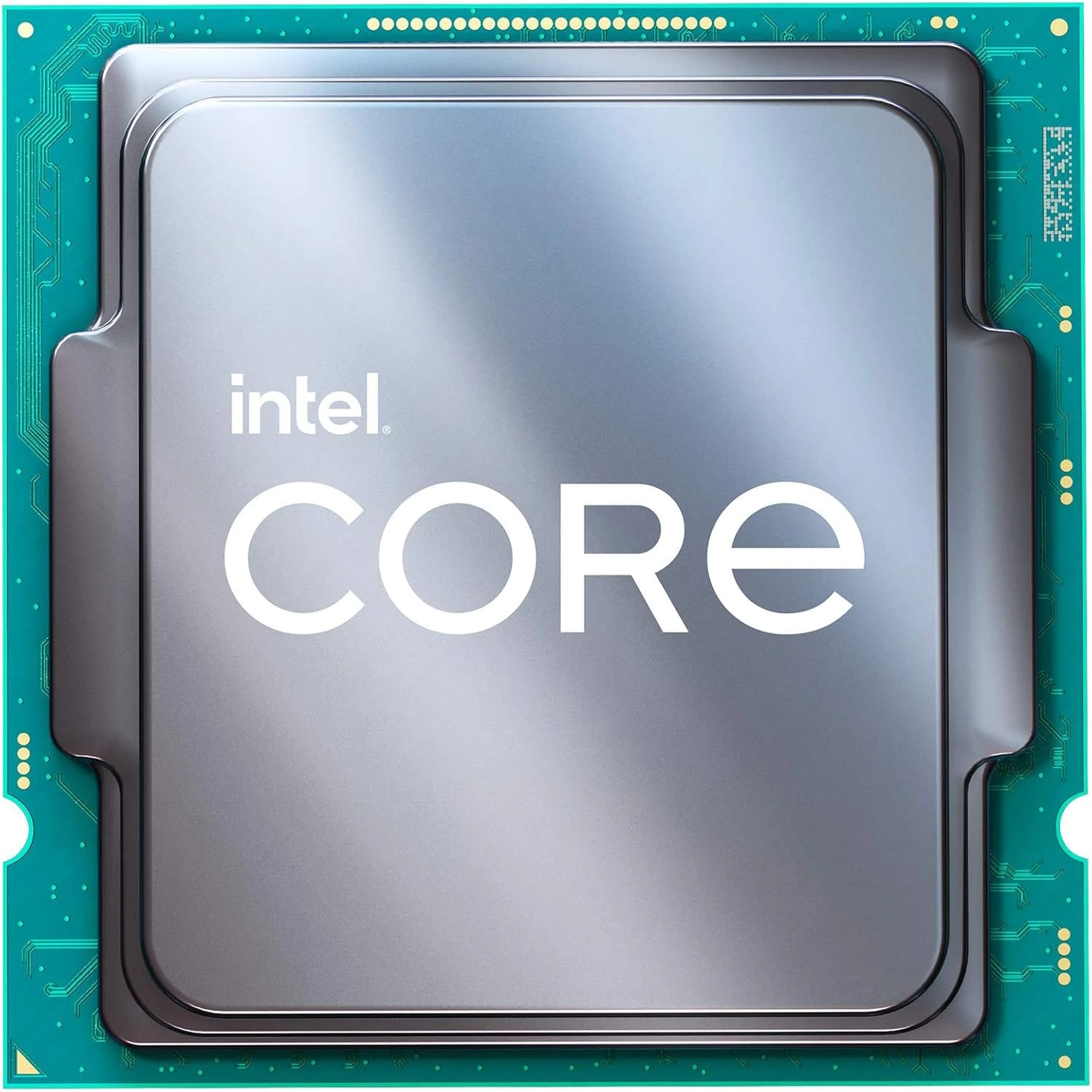
Intel Core i9-11900K Processor | 8-Core 16-Thread, 5.3GHz Turbo, 14nm Rocket Lake Desktop CPU
| Specification | Details |
|---|---|
| Processor Model | Intel Core i9-11900K |
| Product Collection | 11th Generation Intel Core i9 Processors |
| Code Name | Rocket Lake-S |
| Lithography | 14nm |
| Vertical Segment | Desktop |
| Total Cores | 8 |
| Total Threads | 16 |
| Processor Base Frequency | 3.50 GHz |
| Max Turbo Frequency | 5.30 GHz (Intel Thermal Velocity Boost) |
| Intel Turbo Boost Max 3.0 Frequency | 5.20 GHz |
| Intel Turbo Boost 2.0 Frequency | 5.10 GHz |
| Cache | 16 MB Intel Smart Cache |
| Bus Speed | 8 GT/s |
| TDP | 125 W |
| Configurable TDP-Down Base Frequency | 3.00 GHz |
| Configurable TDP-Down | 95 W |
| Launch Date | Q1’21 |
| Embedded Options Available | No |
| Max Memory Size | 128 GB (dependent on memory type) |
| Memory Types | DDR4-3200 |
| Max Number of Memory Channels | 2 |
| Max Memory Bandwidth | 50 GB/s |
| ECC Memory Supported | No |
| Processor Graphics | Intel UHD Graphics 750 |
| Graphics Base Frequency | 350 MHz |
| Graphics Max Dynamic Frequency | 1.30 GHz |
| Graphics Video Max Memory | 64 GB |
| Execution Units | 32 |
| 4K Support | Yes, at 60Hz |
| Max Resolution (HDMI) | 4096 x 2160 @ 60 Hz |
| Max Resolution (DP) | 5120 x 3200 @ 60 Hz |
| Max Resolution (eDP) | 5120 x 3200 @ 60 Hz |
| DirectX Support | 12.1 |
| OpenGL Support | 4.5 |
| OpenCL Support | 3.0 |
| Number of Displays Supported | 3 |
| PCI Express Revision | 4.0 |
| Max Number of PCI Express Lanes | 20 |
| PCI Express Configurations | Up to 1×16 + 1×4, 2×8 + 1×4, 1×8 + 3×4 |
| Sockets Supported | FCLGA1200 |
| Max CPU Configuration | 1 |
| Thermal Solution Specification | PCG 2019A |
| Intel Thermal Velocity Boost Temperature | 70 °C |
| T Junction | 100 °C |
| Package Size | 37.5 mm x 37.5 mm |
| Advanced Technologies | Intel Gaussian & Neural Accelerator 2.0, Intel DL Boost, Intel Optane Memory Support, Intel Thermal Velocity Boost, Intel Turbo Boost Max 3.0, Intel Turbo Boost 2.0, Intel Hyper-Threading, Intel 64 |
| Instruction Set Extensions | Intel SSE 4.1, Intel SSE 4.2, Intel AVX 2, Intel AVX-512 |
The Intel Core i9-11900K Processor stands as a flagship offering in Intel’s 11th Generation Rocket Lake-S lineup, designed to deliver uncompromising performance for desktop enthusiasts, gamers, and content creators alike. Launched in Q1 2021, this processor builds on Intel’s proven 14nm manufacturing process while introducing key architectural enhancements that elevate both single-core and multi-core performance, solidifying its position as a versatile powerhouse for demanding workloads. Whether you’re building a high-end gaming rig, a content creation workstation, or a professional system for intensive tasks, the i9-11900K combines raw power, advanced technologies, and reliable compatibility to meet and exceed expectations.
Architecture and Core Specifications: The Foundation of Performance
At the heart of the Intel Core i9-11900K lies the Rocket Lake-S architecture, a refined iteration of Intel’s 14nm process that incorporates Cypress Cove cores—an optimized version of the 10nm Ice Lake’s Sunny Cove design, adapted for 14nm manufacturing. This architectural upgrade delivers significant improvements in IPC (Instructions Per Cycle) compared to the previous 10th Generation Comet Lake processors, translating to faster single-core performance—a critical factor for gaming, where single-core speed often dictates frame rates and responsiveness.
The i9-11900K features 8 cores and 16 threads, leveraging Intel’s Hyper-Threading Technology to handle multiple tasks simultaneously with exceptional efficiency. Each core operates at a base clock speed of 3.5GHz, providing a solid foundation for everyday computing, while Intel’s Turbo Boost Technologies push performance to new heights when demand increases. The processor’s maximum Turbo Frequency reaches an impressive 5.3GHz with Intel Thermal Velocity Boost (TVB), which automatically increases clock speeds when thermal conditions allow, delivering short bursts of peak performance for CPU-intensive tasks. Additionally, Intel Turbo Boost Max Technology 3.0 targets the fastest core on the processor, boosting it to 5.2GHz, while Turbo Boost 2.0 provides a sustained max boost of 5.1GHz across multiple cores.
Complementing its core performance is a 16MB Intel Smart Cache, which reduces latency and improves data access speeds by storing frequently used data closer to the processor cores. This cache size ensures that the i9-11900K can handle large datasets and complex workloads—such as video editing, 3D rendering, and software development—without bottlenecks, keeping performance consistent even under heavy load. The processor also features a bus speed of 8 GT/s, facilitating fast data transfer between the CPU and other system components, including memory and storage.
Performance: Gaming, Content Creation, and Beyond
The Intel Core i9-11900K is engineered for peak performance across a wide range of use cases, making it one of the most versatile processors in Intel’s desktop lineup. For gamers, its high single-core clock speed and IPC improvements deliver exceptional frame rates in both AAA titles and competitive games. When paired with a high-end graphics card (such as an NVIDIA RTX 40 series or AMD Radeon RX 7000 series), the i9-11900K ensures that the CPU never becomes a bottleneck, even at 1080p, 1440p, or 4K resolutions. Benchmark tests show that the i9-11900K outperforms its predecessor, the i9-10900K, in single-core gaming scenarios by up to 10%, while maintaining strong multi-core performance for games that utilize multiple threads.
For content creators, the i9-11900K’s 8 cores and 16 threads excel at multi-threaded workloads, including video editing (Premiere Pro, DaVinci Resolve), 3D rendering (Blender, Cinema 4D), and graphic design (Photoshop, Illustrator). The processor’s support for Intel Deep Learning Boost (Intel DL Boost) accelerates AI-driven tasks, such as video upscaling, content-aware fill, and real-time rendering, reducing editing time and improving workflow efficiency. Additionally, the 16MB Smart Cache and fast memory bandwidth ensure that large project files are processed quickly, minimizing lag and improving productivity.
Professional users will appreciate the i9-11900K’s reliability and performance for intensive tasks like software development, data analysis, and virtualization. The processor’s support for Intel Virtualization Technology (VT-x) and VT-d enables efficient virtual machine management, allowing users to run multiple operating systems and applications simultaneously without sacrificing performance. Its 125W TDP (Thermal Design Power) balances performance and power consumption, though users should note that actual power draw can reach 250-300W under full load, especially when overclocking—requiring a high-quality cooling solution and power supply.
Integrated Graphics and Display Capabilities
The Intel Core i9-11900K features integrated Intel UHD Graphics 750, a capable iGPU that eliminates the need for a dedicated graphics card for basic computing tasks, casual gaming, and media playback. With 32 execution units, a base frequency of 350MHz, and a max dynamic frequency of 1.30GHz, the UHD Graphics 750 supports 4K resolution at 60Hz, making it ideal for streaming media, video conferencing, and light gaming. It also supports up to three displays simultaneously, allowing users to set up a multi-monitor workspace for increased productivity.
The integrated graphics also includes support for advanced technologies like Intel Quick Sync Video, which accelerates video encoding and decoding, reducing the time required to export videos or stream content. Intel InTru 3D Technology and Intel Clear Video HD Technology enhance visual quality, providing sharper images and more vibrant colors for both media consumption and creative work. While the UHD Graphics 750 is not designed for high-end gaming, it offers a convenient backup option in case of a dedicated GPU failure and is sufficient for casual games like Minecraft, League of Legends, and Fortnite at moderate settings.
Memory and Expansion Options
The Intel Core i9-11900K supports DDR4 memory, with a maximum memory size of 128GB (depending on the motherboard) and a maximum memory bandwidth of 50GB/s. It features two memory channels, supporting DDR4-3200 memory natively—though users can overclock memory to higher speeds (up to 5333MHz) when paired with a compatible Z590 motherboard. This flexibility allows users to customize their system’s memory configuration to match their needs, whether they’re prioritizing speed for gaming or capacity for content creation.
In terms of expansion, the i9-11900K supports PCI Express 4.0, a significant upgrade over the previous generation’s PCIe 3.0. With up to 20 PCIe lanes, the processor enables fast data transfer speeds for high-performance components like NVMe SSDs, dedicated graphics cards, and expansion cards. The PCIe 4.0 interface delivers double the bandwidth of PCIe 3.0, reducing load times for games and applications, and improving the performance of storage devices like the Samsung 980 Pro NVMe SSD. The processor’s PCIe configuration options (up to 1×16 + 1×4, 2×8 + 1×4, or 1×8 + 3×4) provide flexibility for building systems with multiple high-speed components.
Compatibility and System Requirements
The Intel Core i9-11900K uses the LGA1200 socket, making it compatible with motherboards featuring 500 series chipsets (Z590, B560, H570, H510) and select 400 series chipsets (Z490, B460, H470, H410) with a BIOS update. For optimal performance, especially for overclocking, a Z590 motherboard is recommended, as it offers improved VRM (Voltage Regulator Module) design, better cooling, and full support for PCIe 4.0 and memory overclocking. Budget-conscious users can opt for a B560 motherboard, which supports DDR4-3200 memory and PCIe 4.0 (depending on the motherboard) at a lower cost.
Cooling is a critical consideration for the i9-11900K, as its 125W TDP and high clock speeds generate significant heat, especially when overclocked. A high-quality aftermarket cooler—such as a 240mm or 360mm AIO liquid cooler or a premium air cooler—is recommended to maintain stable temperatures and prevent thermal throttling. The processor does not include a stock cooler, so users must purchase a cooler separately.
Power supply requirements for the i9-11900K vary based on the system configuration. A minimum 650W 80+ Gold power supply is recommended for systems with a mid-range graphics card, while systems with high-end graphics cards (RTX 4080/4090) or overclocked configurations require a 750W-850W power supply to ensure stable performance. It’s important to choose a reliable power supply from a reputable brand to avoid power-related issues.
Advanced Technologies and Security Features
The Intel Core i9-11900K is packed with advanced technologies that enhance performance, efficiency, and security. Intel Thermal Velocity Boost (TVB) optimizes clock speeds based on thermal conditions, delivering peak performance when the processor is cool enough. Intel Turbo Boost Max Technology 3.0 identifies the fastest core on the processor and boosts its clock speed for single-core tasks, while Intel Hyper-Threading Technology doubles the number of threads, improving multi-tasking efficiency.
For security, the i9-11900K includes Intel AES New Instructions (AES-NI), which accelerates encryption and decryption tasks, protecting sensitive data. Intel Identity Protection Technology (IPT) adds an extra layer of security for online transactions and authentication, while Intel Trusted Execution Technology (TXT) ensures that the system boots securely and runs in a trusted environment. The processor also supports Intel Virtualization Technology (VT-x) and VT-d, enabling secure virtualization and efficient management of virtual machines.
Other notable technologies include Intel Gaussian & Neural Accelerator 2.0, which accelerates AI and machine learning tasks, and Intel Optane Memory support, which improves system responsiveness by caching frequently used data. Enhanced Intel SpeedStep Technology optimizes power consumption by adjusting clock speeds based on workload, reducing power draw during light use and increasing performance during heavy load.
Conclusion: A Versatile Powerhouse for Enthusiasts
The Intel Core i9-11900K Processor remains a compelling choice for desktop enthusiasts, gamers, and content creators in 2025, thanks to its strong single-core performance, versatile multi-core capabilities, and support for advanced technologies. While newer generations of Intel processors have been released, the i9-11900K offers excellent value for users who already own LGA1200 motherboards or are building a high-performance system on a budget. Its 8-core, 16-thread configuration, 5.3GHz max turbo frequency, PCIe 4.0 support, and integrated UHD Graphics 750 make it a versatile processor that can handle virtually any task, from gaming and content creation to professional workloads.
Whether you’re upgrading an existing system or building a new one, the Intel Core i9-11900K delivers the performance and reliability that enthusiasts demand. With proper cooling and a compatible motherboard, it can reach its full potential, providing a smooth and responsive experience for years to come. For users seeking a high-performance desktop processor that balances power, efficiency, and compatibility, the Intel Core i9-11900K is an excellent choice.


