
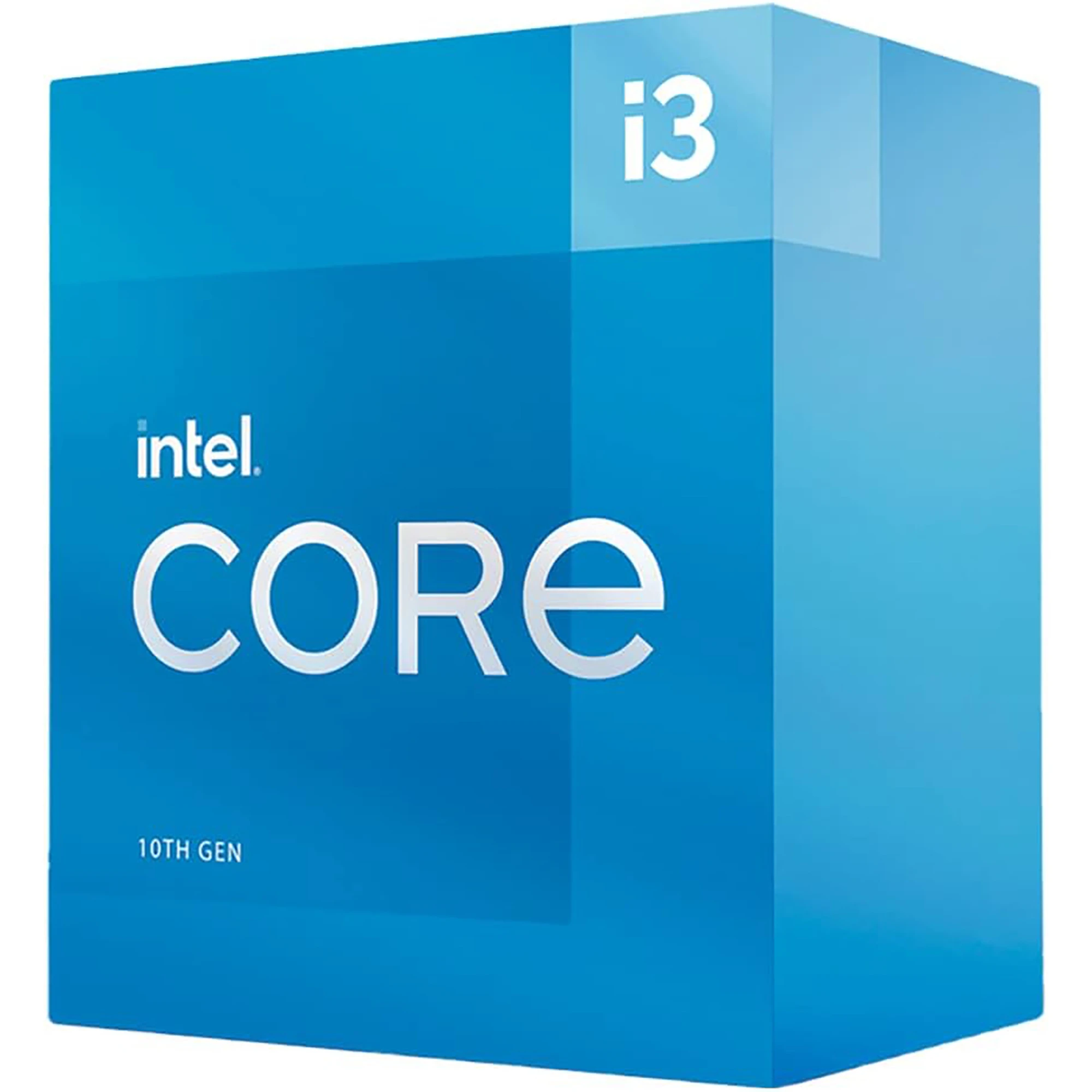
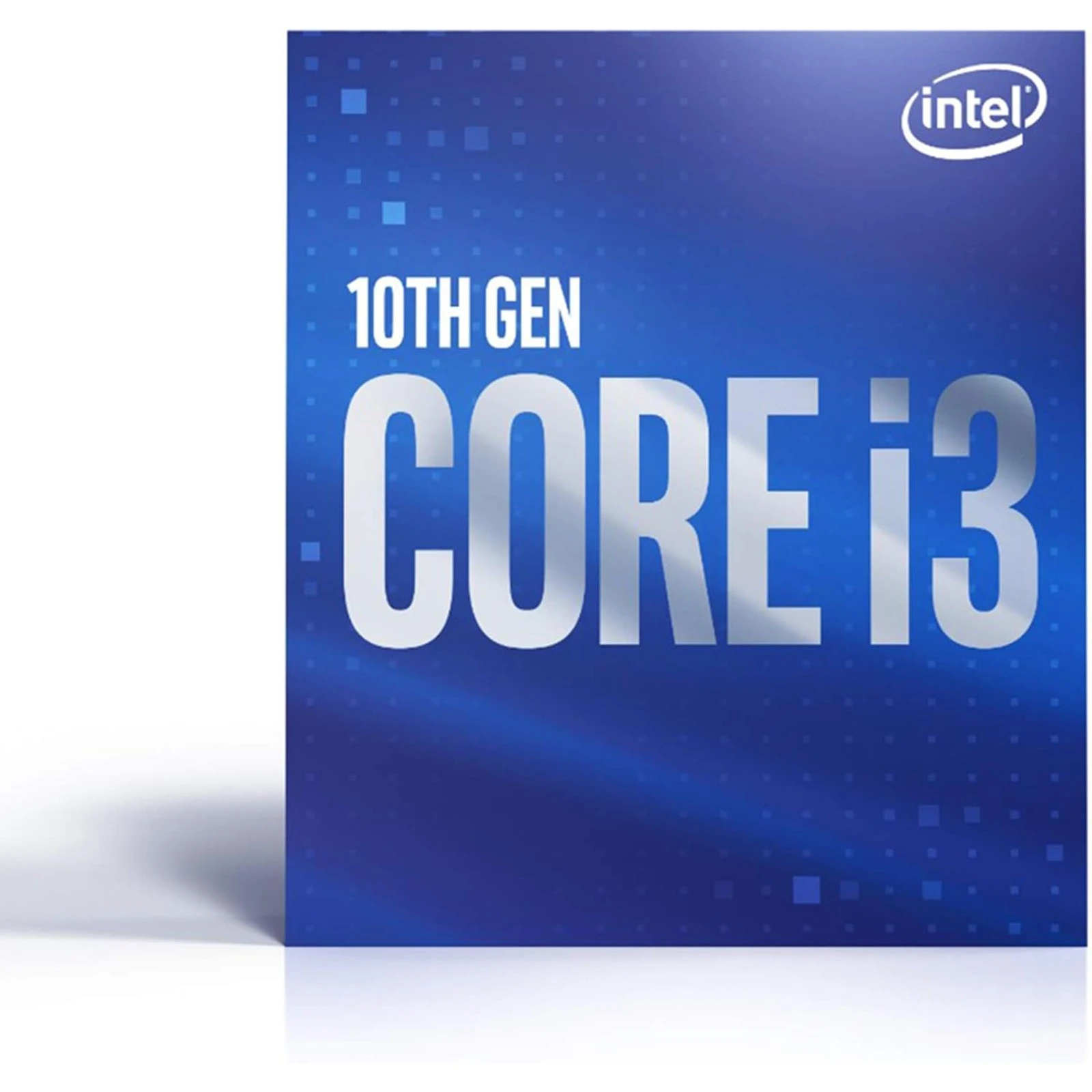
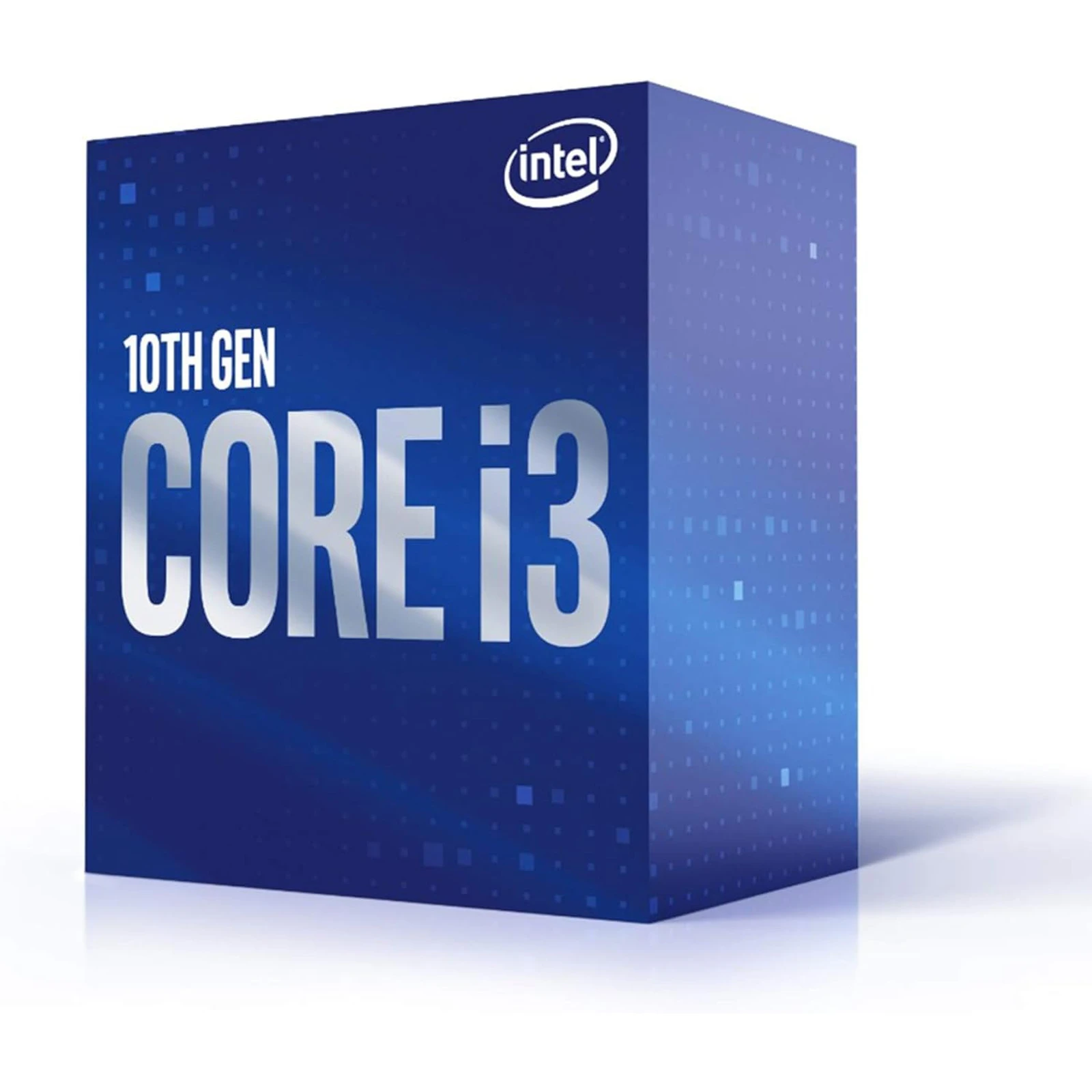
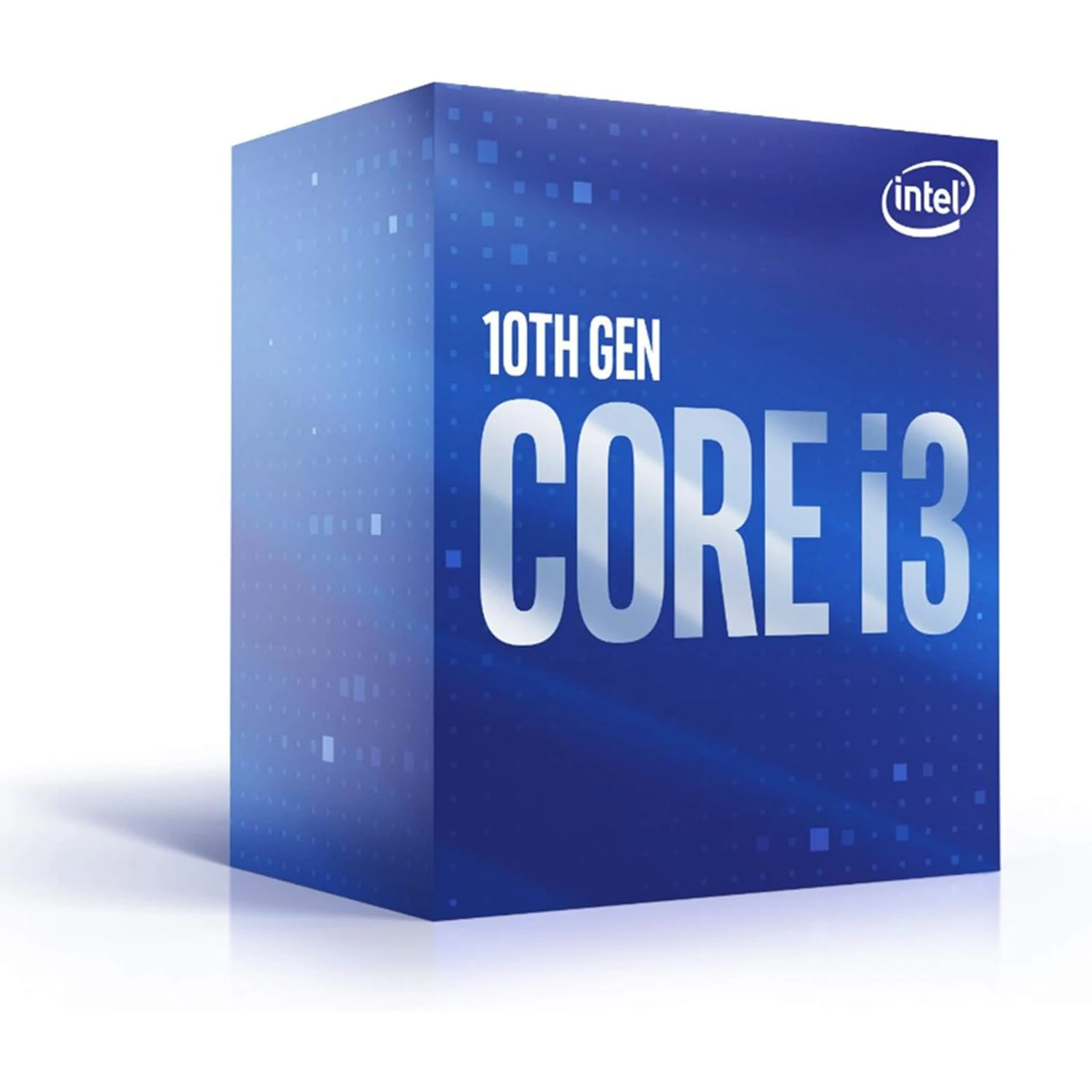
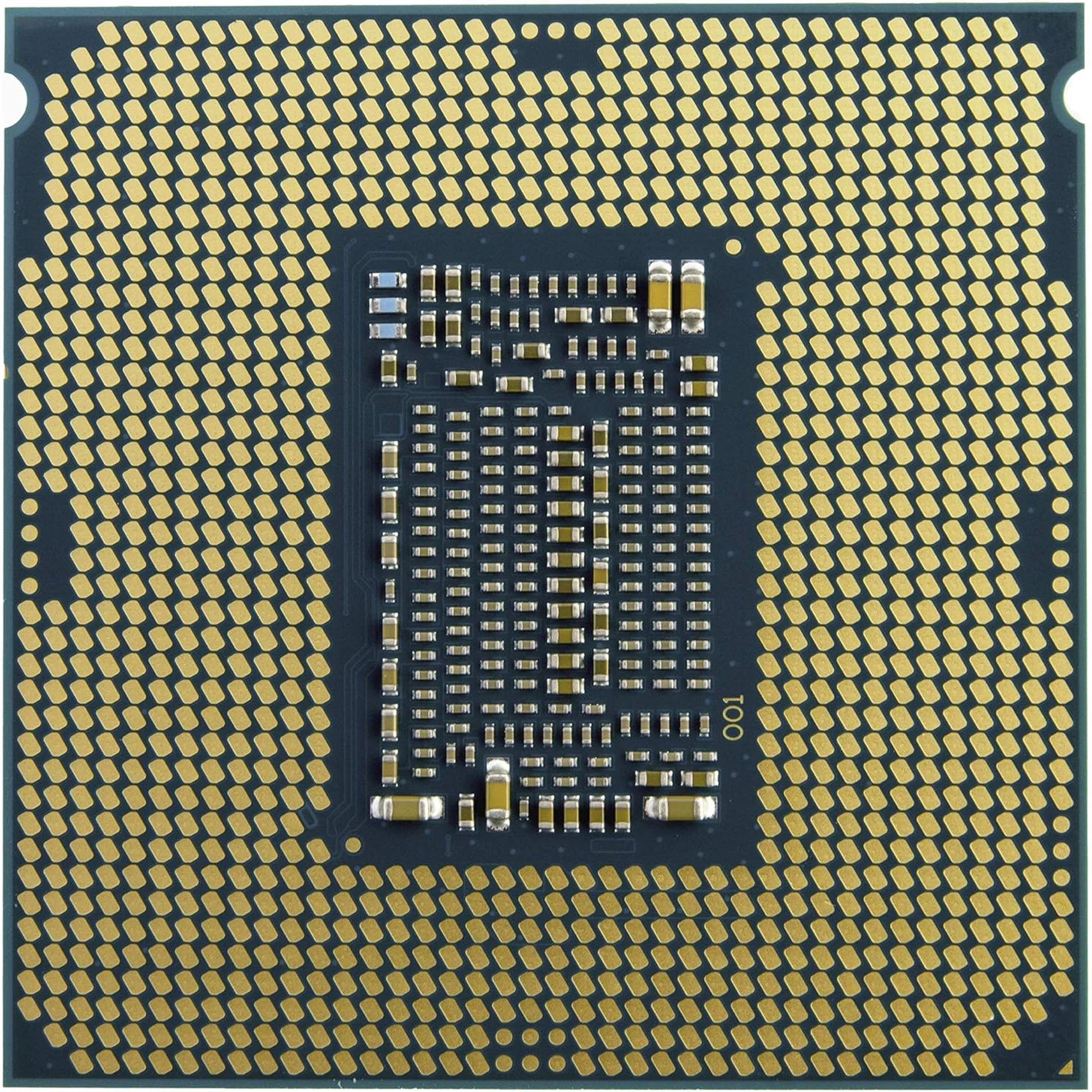
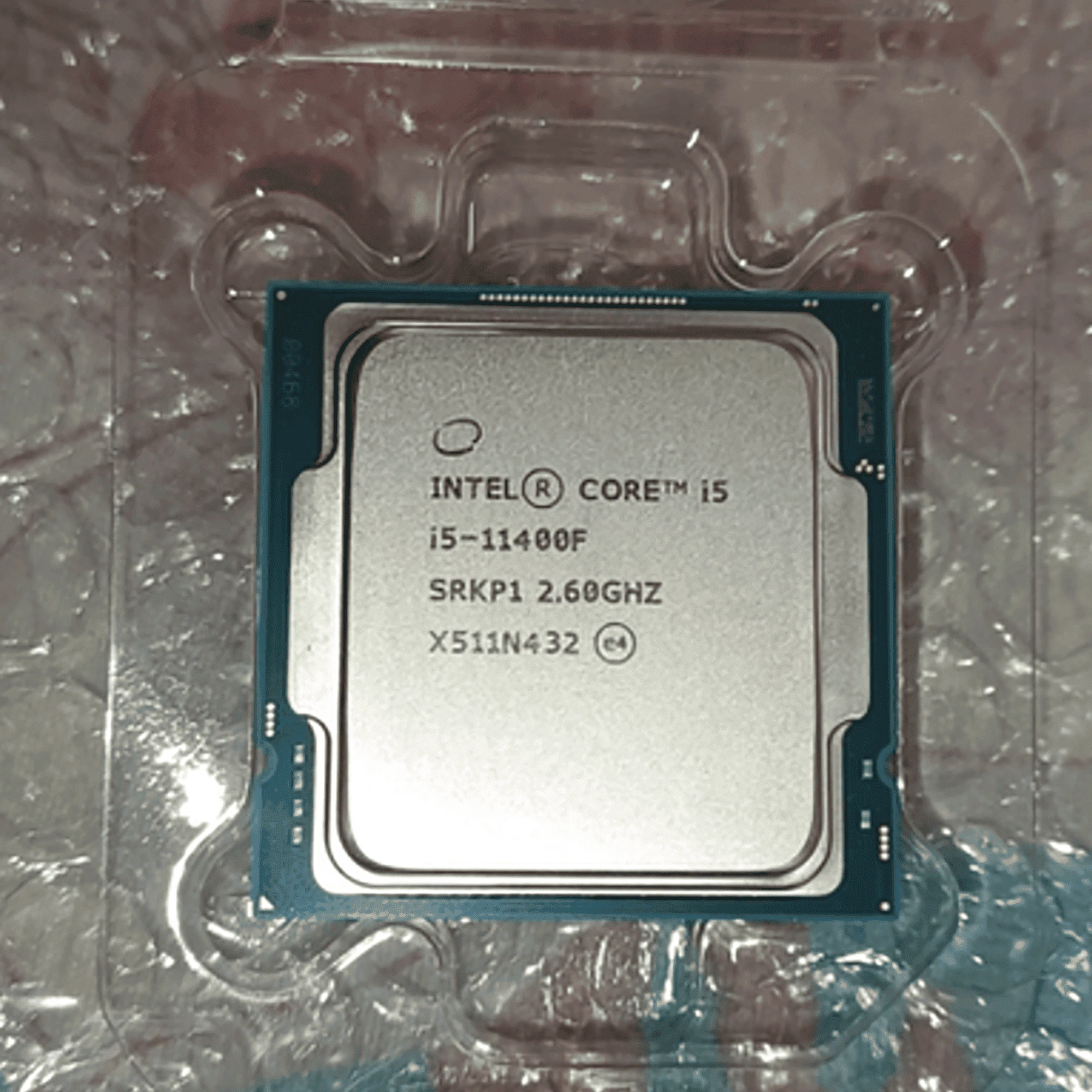
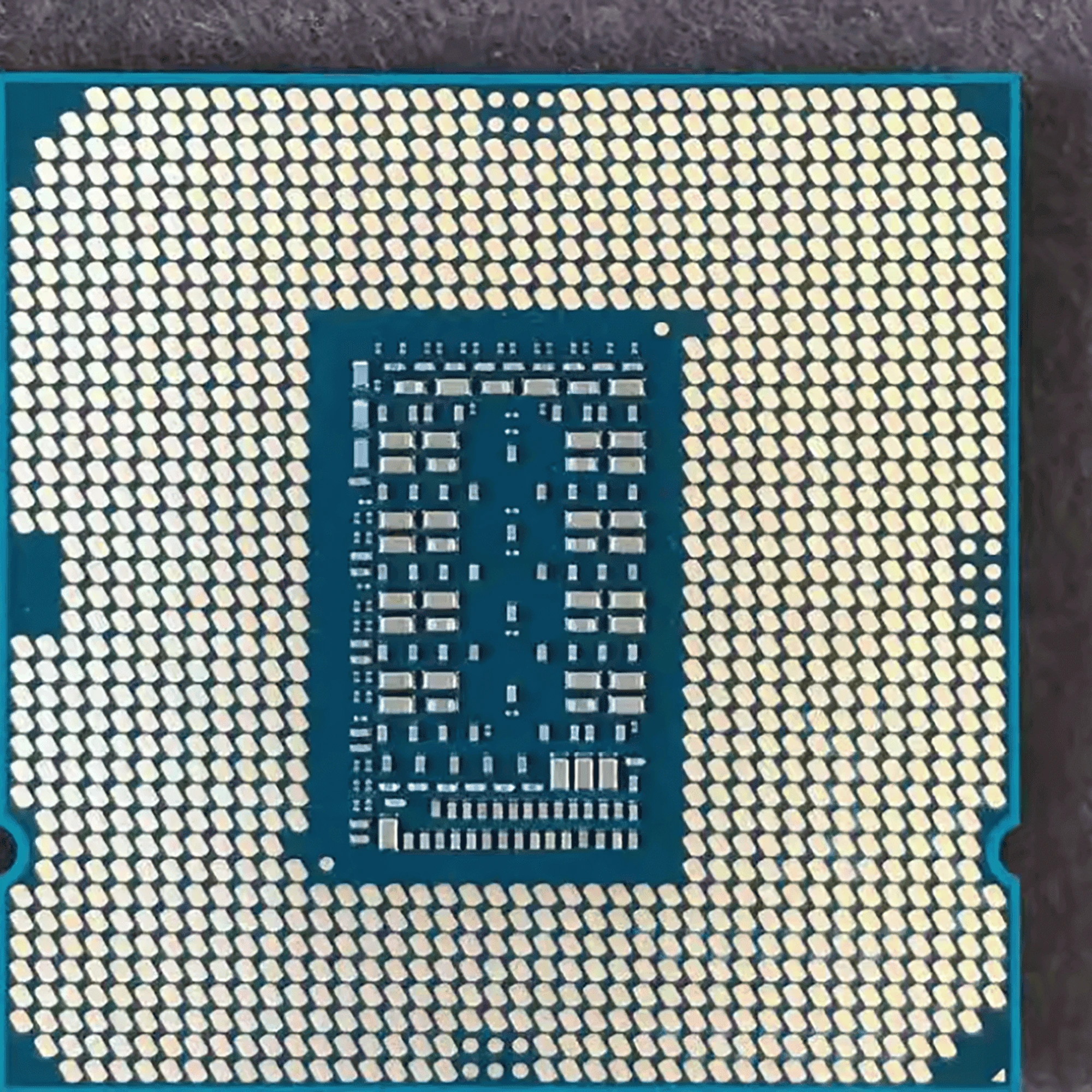
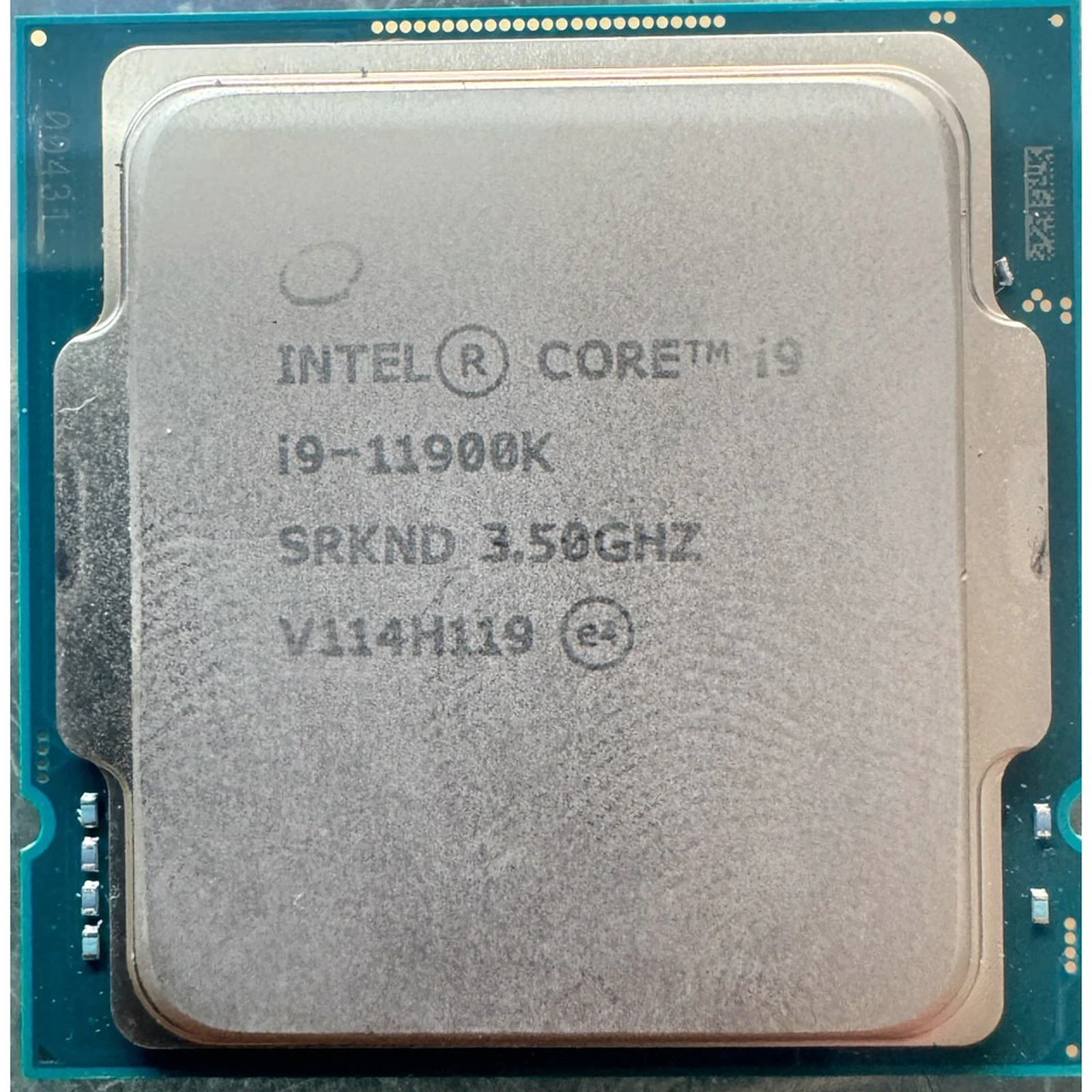
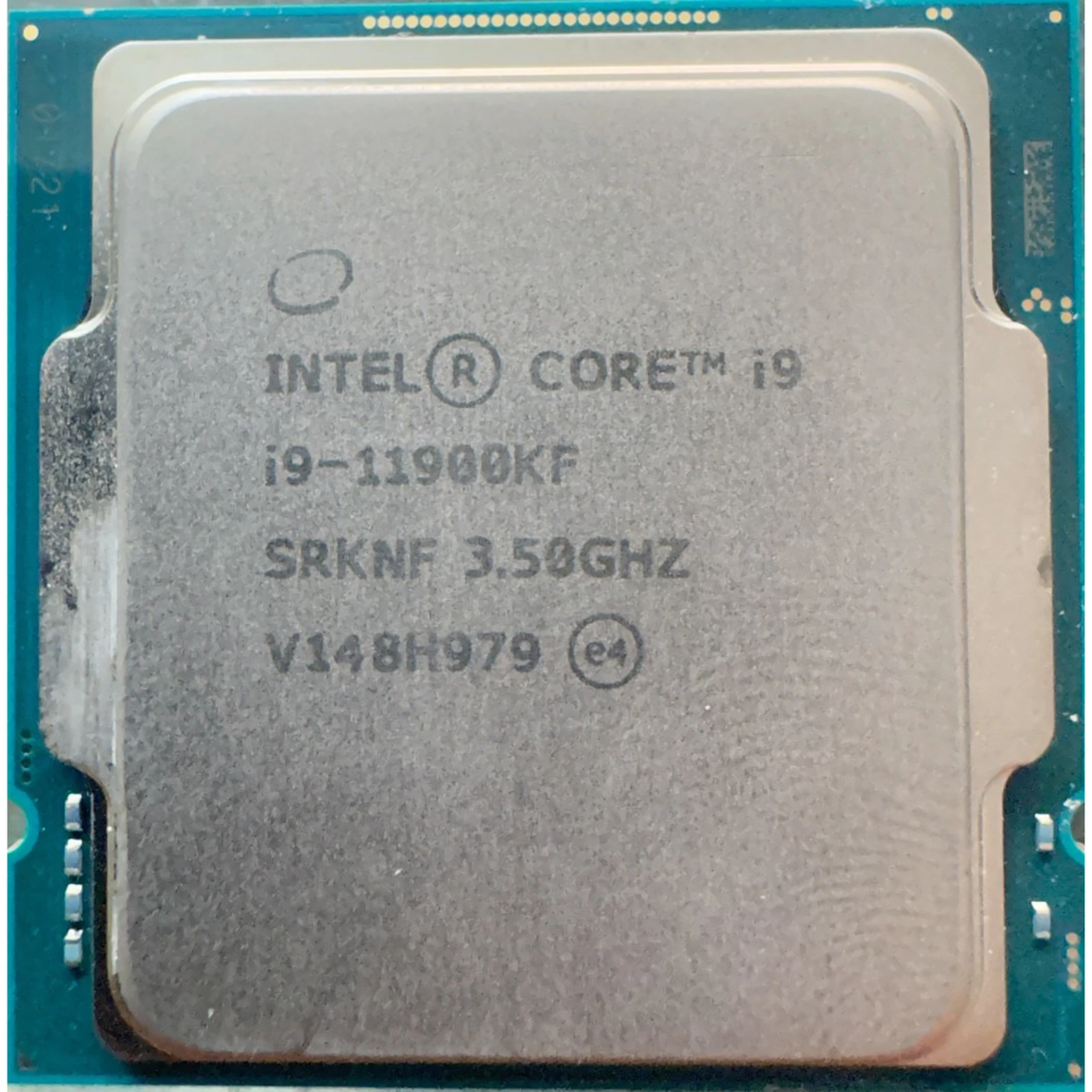

Intel Core i3-10320 Processor | 4 Cores 8 Threads, 3.8GHz Base, 4.6GHz Turbo, 8MB Cache, LGA1200 Desktop CPU
| Specification Category | Details |
|---|---|
| Product Line | 10th Generation Intel Core i3 Processors |
| Code Name | Comet Lake-S |
| Lithography | 14nm FinFET |
| Socket Type | FCLGA1200 |
| Target Segment | Desktop (PC/Client/Tablet) |
| Launch Date | Q2 2020 |
| Marketing Status | Launched |
| Total Cores | 4 |
| Total Threads | 8 (Hyper-Threading Technology supported) |
| Base Frequency | 3.80 GHz |
| Max Turbo Frequency | 4.60 GHz (Intel Turbo Boost Technology 2.0) |
| Cache | 8MB Intel Smart Cache |
| Bus Speed | 8 GT/s |
| TDP (Thermal Design Power) | 65W |
| Max CPU Configuration | 1 |
| Thermal Solution Specification | PCG 2015C |
| T Junction | 100°C |
| Package Size | 37.5 mm x 37.5 mm |
| Max Memory Size | 128GB (dependent on memory type) |
| Memory Types | DDR4-2666 |
| Max Memory Channels | 2 |
| Max Memory Bandwidth | 41.6 GB/s |
| ECC Memory Supported | No |
| Processor Graphics | Intel® UHD Graphics 630 |
| Graphics Base Frequency | 350 MHz |
| Graphics Max Dynamic Frequency | 1.15 GHz |
| Graphics Video Max Memory | 64 GB |
| 4K Support | Yes, at 60Hz |
| Max Resolution (HDMI) | 4096 x 2160 @ 30 Hz |
| Max Resolution (DP) | 4096 x 2304 @ 60 Hz |
| Max Resolution (eDP – Integrated Flat Panel) | 4096 x 2304 @ 60 Hz |
| DirectX Support | 12 |
| OpenGL Support | 4.5 |
| Intel Quick Sync Video | Yes |
| Number of Displays Supported | 3 |
| Device ID | 0x9BC8 |
| Scalability | 1S Only |
| PCI Express Revision | 3.0 |
| PCI Express Configurations | Up to 1×16, 2×8, 1×8 + 2×4 |
| Max Number of PCI Express Lanes | 16 |
| Intel Optane Memory Supported | Yes |
| Intel Thermal Velocity Boost | No |
| Intel Turbo Boost Max Technology 3.0 | No |
| Intel 64 | Yes |
| Instruction Set | 64-bit |
| Instruction Set Extensions | Intel® SSE 4.1, Intel® SSE 4.2, Intel® AVX2 |
| Idle States | Yes |
| Enhanced Intel SpeedStep Technology | Yes |
| Thermal Monitoring Technologies | Yes |
| Intel Identity Protection Technology | Yes |
| Intel AES New Instructions | Yes |
| Secure Key | Yes |
| Intel Software Guard Extensions (SGX) | Yes with Intel® ME |
| Intel OS Guard | Yes |
| Intel Trusted Execution Technology | No |
| Execute Disable Bit | Yes |
| Intel Boot Guard | Yes |
| Intel Stable IT Platform Program (SIPP) | No |
| Intel Virtualization Technology (VT-x) | Yes |
| Intel Virtualization Technology for Directed I/O (VT-d) | Yes |
The Intel Core i3-10320 Processor stands as a reliable entry-level to mid-range desktop CPU, part of Intel’s 10th Generation Core lineup (codenamed Comet Lake-S), launched in Q2 2020 to cater to users seeking balanced performance, energy efficiency, and affordability for everyday computing needs. Designed for desktop systems, this processor combines solid multi-tasking capabilities, decent single-core performance, and integrated graphics to deliver a versatile solution for home users, small businesses, students, and casual gamers. While it may not compete with high-end Intel Core i5, i7, or i9 processors for intensive workloads like 4K video editing, 3D rendering, or AAA gaming at max settings, the Core i3-10320 excels in its target segment, offering exceptional value for money and consistent performance across a wide range of common tasks.
Key Overview: What Makes the Intel Core i3-10320 Stand Out?
At its core, the Intel Core i3-10320 is built on Intel’s 14nm FinFET lithography, a mature manufacturing process that balances performance and power efficiency—critical for systems that run daily without requiring high-end cooling or excessive power consumption. Unlike newer generations that leverage 10nm or 7nm processes, the 14nm node here ensures stability, compatibility with a wide range of motherboards, and cost-effectiveness, making it an attractive option for budget builds or upgrades to older LGA1200-based systems.
One of the most notable features of the Core i3-10320 is its 4 physical cores and 8 threads, enabled by Intel’s Hyper-Threading Technology. This means the processor can handle up to 8 simultaneous tasks, a significant advantage over quad-core processors without hyper-threading, as it allows for smoother multitasking—whether you’re running multiple browser tabs, office applications (Word, Excel, PowerPoint), video conferencing tools (Zoom, Microsoft Teams), and background processes simultaneously. The 3.8GHz base frequency ensures consistent performance for everyday tasks, while the 4.6GHz max turbo frequency (powered by Intel Turbo Boost Technology 2.0) provides a burst of speed when needed, such as opening large files, running light photo editing software, or launching casual games.
Complementing its core and thread count is the 8MB Intel Smart Cache, which acts as a high-speed buffer between the processor and system memory, reducing latency and improving data access speeds. This cache size is optimal for the i3-10320’s target use cases, ensuring that frequently accessed data is readily available, thus enhancing responsiveness and reducing bottlenecks in daily computing tasks. Whether you’re switching between applications, browsing the web, or editing simple documents, the 8MB cache helps keep the system running smoothly.
Performance Breakdown: Who Is This Processor For?
The Intel Core i3-10320 is engineered for users who prioritize reliability and value over raw performance. Its target audience includes: home users who need a processor for web browsing, streaming (Netflix, Hulu, YouTube), and social media; students who rely on it for online classes, homework, and light creative work; small business owners who use it for office productivity, accounting software, and customer management tools; and casual gamers who enjoy titles like Minecraft, CS:GO, DOTA 2, or League of Legends at moderate settings.
In terms of benchmark performance, the Core i3-10320 delivers competitive results for its class. In Cinebench R23, it scores approximately 6,366 in multi-core tests and 1,280 in single-core tests, while Geekbench 6 yields around 5,173 multi-core and 1,532 single-core points. These scores place it above entry-level Celeron and Pentium processors, and on par with mid-range AMD Ryzen 3 processors like the Ryzen 3 3300X, making it a solid choice for budget builds. For everyday tasks, such as web browsing with 20+ tabs open, running Microsoft Office suites, or video conferencing, the processor handles these with ease, with no lag or slowdowns.
For casual gaming, the Core i3-10320’s integrated Intel UHD Graphics 630 provides basic graphical capabilities, supporting 4K video playback at 60Hz and light gaming at 720p or 1080p resolution with low to medium settings. Titles like Minecraft run smoothly at 60+ FPS, while CS:GO can achieve 60-80 FPS on low settings—perfect for casual gamers who don’t want to invest in a dedicated graphics card. For more demanding games, pairing the i3-10320 with a mid-range GPU (such as the NVIDIA GTX 1650 or AMD RX 5500 XT) will significantly improve performance, allowing for 1080p gaming at high settings.
Energy efficiency is another strong suit of the Core i3-10320, with a 65W TDP (Thermal Design Power). This means the processor consumes relatively little power, making it suitable for compact builds, small form factor (SFF) PCs, or systems that run 24/7 (such as home servers or NAS devices). The 65W TDP also means that basic cooling solutions—like a stock Intel cooler or a low-cost aftermarket CPU cooler—are sufficient to keep the processor running at optimal temperatures, reducing overall system costs.
Technical Specifications & Compatibility
The Intel Core i3-10320 uses the LGA1200 socket, which is compatible with Intel 400-series (B460, H410, Z490) and 500-series (B560, H510, Z590) motherboards. This compatibility provides flexibility for users looking to upgrade their existing LGA1200-based systems or build a new budget PC without having to replace the motherboard. It’s important to note that the processor does not support overclocking, as it lacks an unlocked multiplier—this is a common limitation in Intel’s Core i3 lineup, but it’s not a significant drawback for its target audience, who prioritize stability over overclocking.
In terms of memory support, the Core i3-10320 supports up to 128GB of DDR4-2666 memory across 2 channels, with a maximum memory bandwidth of 41.6 GB/s. This is more than enough for everyday computing, as most users will only need 8GB or 16GB of RAM. The processor does not support ECC memory, which is typically used in workstations and servers, so it’s not ideal for mission-critical applications, but this is consistent with its focus on home and small business use.
The integrated Intel UHD Graphics 630 offers a range of features, including support for DirectX 12, OpenGL 4.5, Intel Quick Sync Video (for fast video encoding/decoding), and up to 3 displays simultaneously. It also supports 4K resolution at 60Hz via DisplayPort, and 4K at 30Hz via HDMI, making it suitable for users who need multiple monitors for productivity or entertainment. The graphics card has a base frequency of 350MHz and a max dynamic frequency of 1.15GHz, which is sufficient for basic graphical tasks but not for intensive gaming or creative work.
Advanced Technologies & Security Features
The Intel Core i3-10320 comes equipped with a range of advanced technologies to enhance performance, security, and usability. Intel Turbo Boost Technology 2.0 automatically increases the processor’s frequency when needed, ensuring that you get the most out of the CPU for demanding tasks. Hyper-Threading Technology doubles the number of threads, improving multitasking performance and allowing the processor to handle more tasks simultaneously.
For security, the processor includes Intel AES New Instructions (AES-NI), which accelerates encryption and decryption tasks, making it easier to secure sensitive data. It also features Intel Software Guard Extensions (Intel SGX), which provides hardware-based security to protect sensitive code and data from unauthorized access. Additionally, Intel Boot Guard and Execute Disable Bit help prevent malware and unauthorized code from running during system boot, enhancing overall system security.
Other features include Enhanced Intel SpeedStep Technology, which adjusts the processor’s frequency and voltage to balance performance and power consumption, and Intel Temperature Monitoring Technologies, which help prevent overheating by monitoring the processor’s temperature and adjusting performance as needed. These technologies ensure that the Core i3-10320 runs reliably and efficiently, even under extended use.
Pros & Cons of the Intel Core i3-10320
Pros
- Excellent value for money, offering balanced performance for everyday tasks.
- 4 cores and 8 threads (Hyper-Threading) for smooth multitasking.
- 3.8GHz base frequency and 4.6GHz max turbo frequency for responsive performance.
- Integrated Intel UHD Graphics 630 eliminates the need for a dedicated GPU for basic tasks and light gaming.
- 65W TDP for energy efficiency and compatibility with basic cooling solutions.
- Compatible with LGA1200 motherboards (400-series and 500-series), providing upgrade flexibility.
- Supports up to 128GB of DDR4-2666 memory, enough for most users’ needs.
- Includes advanced security features (AES-NI, SGX) for data protection.
Cons
- 14nm lithography is less energy-efficient than newer 7nm or 10nm processes.
- No overclocking support (unlocked multiplier not included).
- Integrated graphics are not suitable for intensive gaming or creative work (requires a dedicated GPU).
- Limited multi-threaded performance compared to higher-end Core i5/i7 processors.
- Does not support PCIe 4.0 (only PCIe 3.0), which may limit future GPU upgrades.
- No ECC memory support, making it unsuitable for workstations or servers.
Comparison to Competitors
When compared to its main competitors, the Intel Core i3-10320 holds its own in the budget segment. Its closest rival is the AMD Ryzen 3 3300X, which offers 4 cores, 8 threads, a 3.8GHz base frequency, 4.3GHz max turbo frequency, and 16MB of L3 cache. The Ryzen 3 3300X has a slightly lower max turbo frequency but a larger cache, making it slightly better for multi-threaded tasks. However, the Core i3-10320 has integrated graphics, which the Ryzen 3 3300X lacks—this is a key advantage for users who don’t want to purchase a dedicated GPU.
Another competitor is the Intel Core i3-10105, which is a slightly lower-cost alternative with a 3.7GHz base frequency and 4.4GHz max turbo frequency. The i3-10320 offers a higher base and turbo frequency, making it more responsive for single-threaded tasks, while the i3-10105 is slightly more affordable. For users who need the extra speed, the i3-10320 is worth the small price premium.
In comparison to newer 12th or 13th Gen Intel Core i3 processors (such as the i3-12100 or i3-13100), the i3-10320 is less powerful, as newer generations feature better multi-threaded performance, higher clock speeds, and support for PCIe 4.0. However, the i3-10320 is more affordable and compatible with older LGA1200 motherboards, making it a better choice for users looking to upgrade an existing system without replacing the motherboard.
Ideal Use Cases for the Intel Core i3-10320
The Intel Core i3-10320 is best suited for the following use cases:
- Home Computing: Web browsing, streaming video, social media, and basic productivity tasks (word processing, spreadsheets, email).
- Student Use: Online classes, homework, research, and light creative work (simple photo editing, presentation design).
- Small Business: Office productivity, accounting software, customer management tools, and video conferencing.
- Casual Gaming: Light gaming at 720p/1080p resolution with low to medium settings (Minecraft, CS:GO, DOTA 2).
- Home Servers/NAS: 24/7 operation with low power consumption, ideal for file storage and media streaming.
- Budget Builds: Entry-level to mid-range PCs where cost is a priority, and performance needs are moderate.
Conclusion
The Intel Core i3-10320 Processor is a reliable, cost-effective solution for users seeking balanced performance for everyday computing tasks. Its 4 cores, 8 threads, solid clock speeds, and integrated graphics make it ideal for home users, students, small businesses, and casual gamers, while its 65W TDP and compatibility with LGA1200 motherboards ensure energy efficiency and upgrade flexibility. While it may not match the performance of higher-end processors, it delivers exceptional value for money, making it one of the best budget CPUs for those who don’t need intensive computing power.
Whether you’re building a new budget PC or upgrading an existing LGA1200-based system, the Intel Core i3-10320 offers the perfect balance of performance, reliability, and affordability. Its mature 14nm architecture ensures stability, while its advanced features (Hyper-Threading, Turbo Boost, integrated graphics) make it a versatile choice for a wide range of use cases. For anyone looking to get the most out of their budget without compromising on performance, the Core i3-10320 is an excellent choice.
| Product Name | Launch Date | Total Cores | Max Turbo Frequency | Cache | GPU Name‡ |
| Intel® Core™ i3-10105 Processor | Q1’21 | 4 | 4.40 GHz | 6 MB Intel® Smart Cache | Intel® UHD Graphics 630 |
| Intel® Core™ i3-10105F Processor | Q1’21 | 4 | 4.40 GHz | 6 MB Intel® Smart Cache | |
| Intel® Core™ i3-10105T Processor | Q1’21 | 4 | 3.90 GHz | 6 MB Intel® Smart Cache | Intel® UHD Graphics 630 |
| Intel® Core™ i3-10305 Processor | Q1’21 | 4 | 4.50 GHz | 8 MB Intel® Smart Cache | Intel® UHD Graphics 630 |
| Intel® Core™ i3-10305T Processor | Q1’21 | 4 | 4.00 GHz | 8 MB Intel® Smart Cache | Intel® UHD Graphics 630 |
| Intel® Core™ i3-10325 Processor | Q1’21 | 4 | 4.70 GHz | 8 MB Intel® Smart Cache | Intel® UHD Graphics 630 |
| Intel® Core™ i3-10100F Processor | Q4’20 | 4 | 4.30 GHz | 6 MB Intel® Smart Cache | |
| Intel® Core™ i3-10100 Processor | Q2’20 | 4 | 4.30 GHz | 6 MB Intel® Smart Cache | Intel® UHD Graphics 630 |
| Intel® Core™ i3-10100T Processor | Q2’20 | 4 | 3.80 GHz | 6 MB Intel® Smart Cache | Intel® UHD Graphics 630 |
| Intel® Core™ i3-10300 Processor | Q2’20 | 4 | 4.40 GHz | 8 MB Intel® Smart Cache | Intel® UHD Graphics 630 |
| Intel® Core™ i3-10300T Processor | Q2’20 | 4 | 3.90 GHz | 8 MB Intel® Smart Cache | Intel® UHD Graphics 630 |
| Intel® Core™ i3-10320 Processor | Q2’20 | 4 | 4.60 GHz | 8 MB Intel® Smart Cache | Intel® UHD Graphics 630 |


