
AMD EPYC 9V74 80‑Core Server Processor – High‑Performance Data Center CPU
🚀 Introduction to the AMD EPYC 9V74
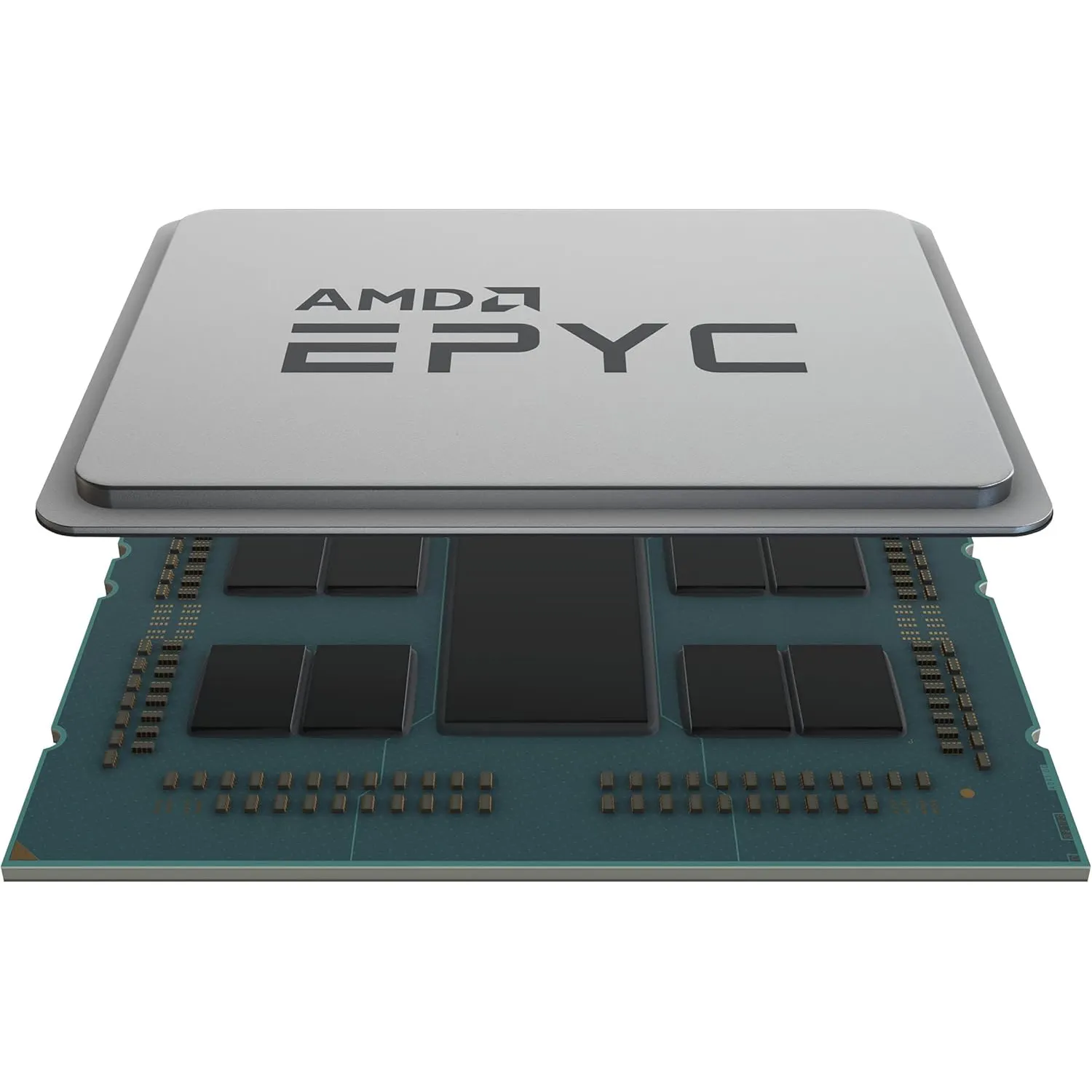
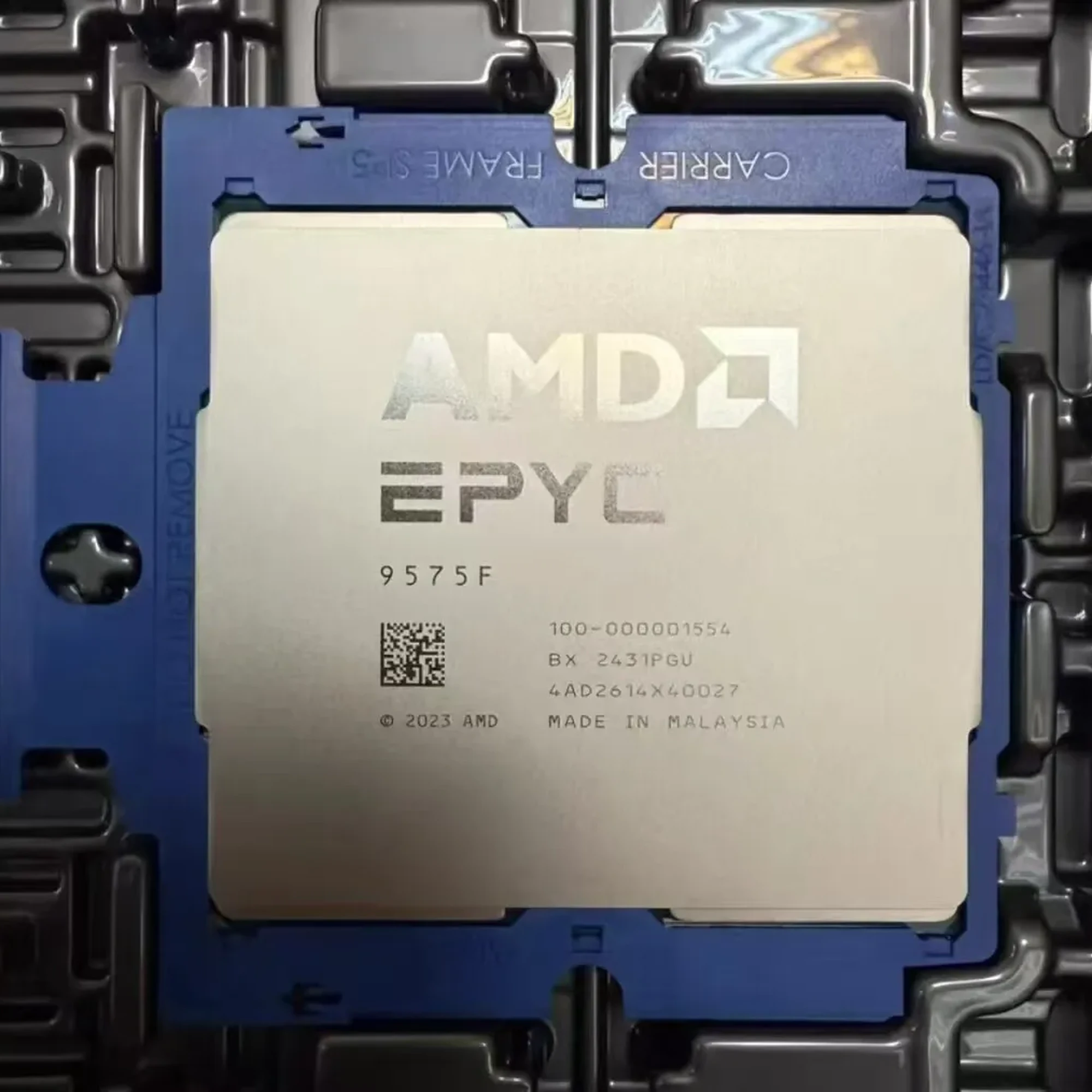
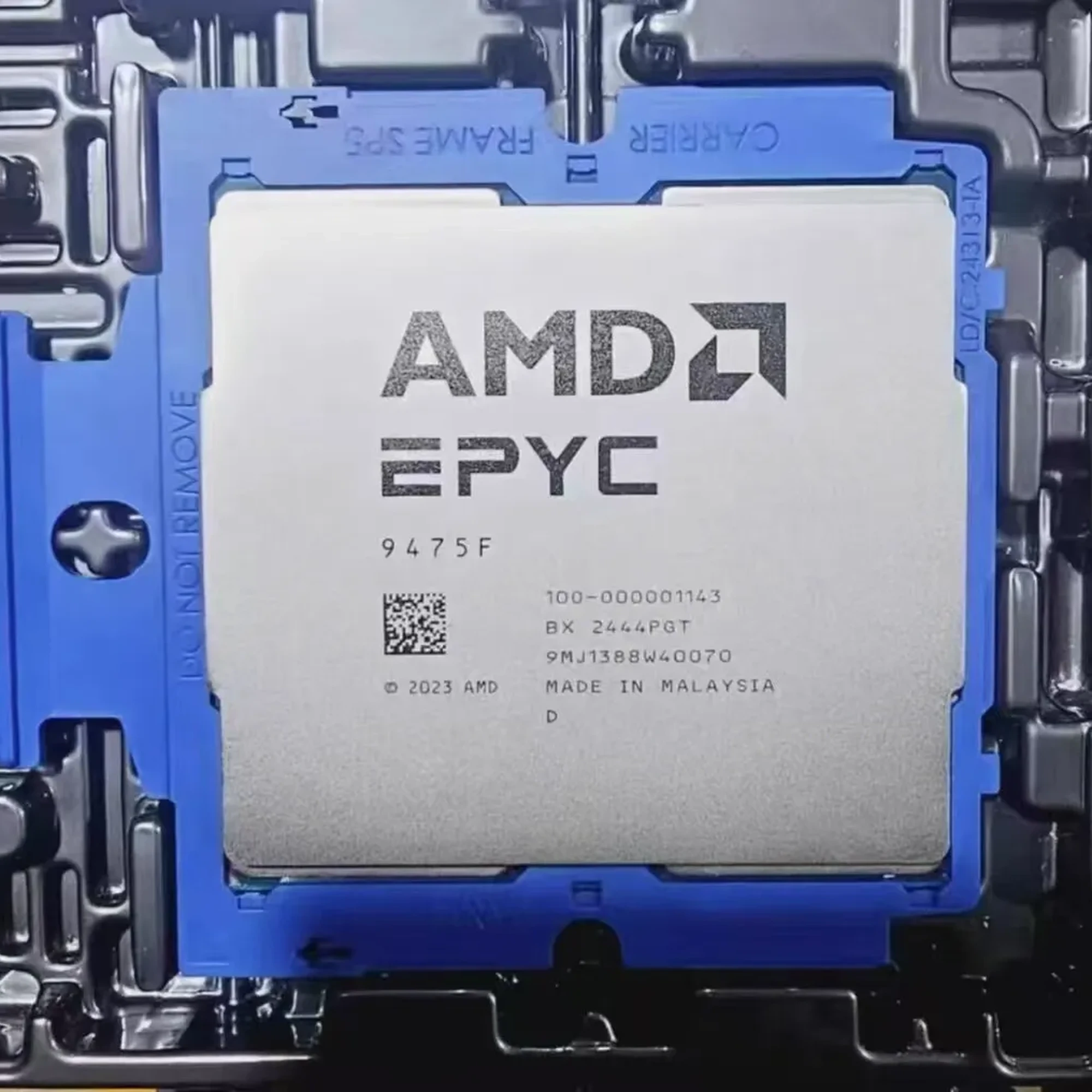
The AMD EPYC 9V74 is a cutting‑edge, high‑performance server‑class processor designed for modern enterprise, cloud, and data center environments. Built to handle intense workloads with efficiency and stability, this CPU delivers exceptional multi‑threaded throughput and scalability. Whether deployed in virtualization clusters, high‑performance computing (HPC), AI/ML pipelines, or large‑scale databases, the EPYC 9V74 stands out as a powerhouse in the AMD EPYC server lineup.
Installed in servers that require top‑tier performance and responsiveness, the AMD EPYC 9V74 brings unprecedented levels of processing power to enterprise infrastructures around the world. This processor is ideal for organizations that demand uncompromised compute capacity, reliable uptime, and flexible deployment options.
💡 Overview of EPYC Server Architecture
The AMD EPYC family of processors represents some of the most advanced server CPU technology available today. Designed with a focus on multi‑core performance, high memory bandwidth, and robust I/O capabilities, EPYC processors have become a preferred choice in data center architectures globally. AMD’s commitment to scale‑up computing and enterprise workloads has produced a lineup capable of outperforming traditional server CPUs. Features such as DDR5 memory support, extensive PCIe lanes, and advanced security technologies make the EPYC series a versatile choice for diverse computing needs.
At the heart of this innovation is the Zen 5 microarchitecture, which elevates performance per watt while maintaining scalability across multiple cores. This architecture supports advanced instruction sets and virtualization technologies, making EPYC ideal for cloud providers, virtualization engineers, and HPC administrators.
🔍 Detailed Feature Breakdown
🔹 Massive Core and Thread Count
One of the defining characteristics of the AMD EPYC 9V74 is its 80 physical cores and 160 simultaneous threads, giving servers exceptional parallel processing capability. This high core count enables the CPU to excel in multi‑threaded applications such as large database queries, machine learning tasks, and VR/AR compute clusters, all of which benefit from broad compute distribution.
🔹 Clock Speed and Turbo Performance
The base frequency of 2.6 GHz provides a solid foundation for steady performance in sustained workloads, while the turbo boost up to 3.7 GHz allows the processor to accelerate critical threads when peak performance is needed. This flexibility ensures that both high throughput and responsive performance are balanced for dynamic data center workloads.
🔹 High Thermal Design Power (TDP)
To support its robust design and multi‑core execution, the EPYC 9V74 operates with a 400 W TDP, which must be paired with effective server cooling and power management. While more demanding in power consumption than mainstream CPUs, the performance gains in data‑intensive environments justify enterprise thermal and power planning.
🔹 Socket Compatibility
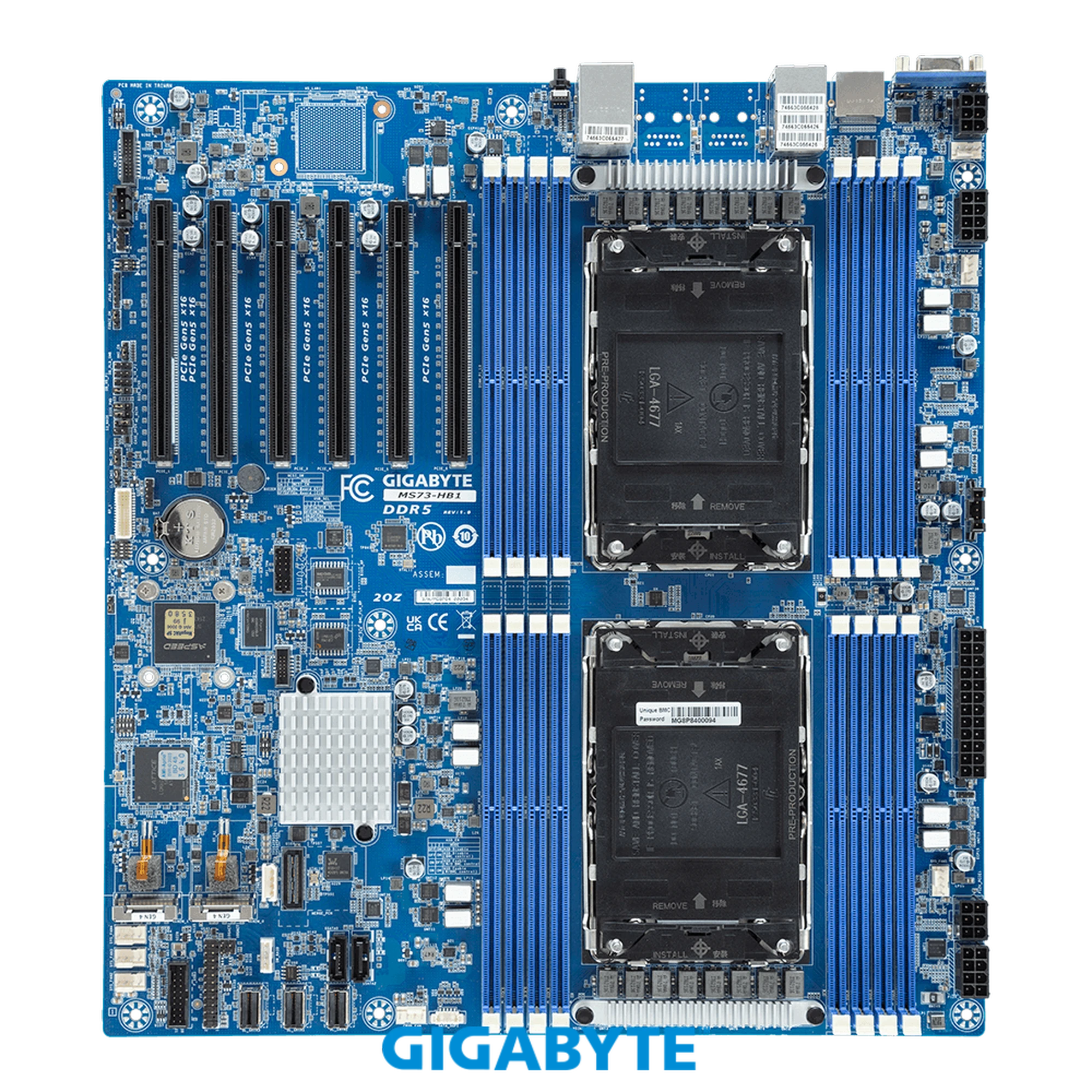
This processor is compatible with the SP5 server socket, a modern interface that supports advanced server platform features such as improved memory performance and increased PCIe lane counts. SP5‑based systems are geared for high‑end computing environments, enabling hardware flexibility and future expandability.
🧠 Performance Insights
🧮 Benchmark Highlights
According to benchmark data, the AMD EPYC 9V74 achieves extremely high multi‑threaded scores — over 117,000 in PassMark CPU Mark tests — demonstrating its superiority in server workload contexts compared with a wide range of enterprise processors.
The CPU also performs well in single‑threaded tests, achieving scores around 2,888, which is notable for a server‑grade processor that prioritizes throughput over extreme single‑core performance. These results make the EPYC 9V74 suitable for both highly parallel computations and threaded workloads that depend on per‑core responsiveness.
📊 Real‑World Application Performance
In practice, the 80‑core EPYC 9V74 excels in environments such as:
- Virtualized infrastructure, where numerous virtual machines (VMs) can be hosted simultaneously.
- AI & machine learning training servers, where parallel math operations and matrix computations are critical.
- Big data analytics, which benefit from high core counts and memory throughput.
- High‑performance databases, where concurrent queries and data streams require consistent processing power.
These application areas highlight the versatility and compute density that organizations expect from a top‑tier server CPU.
📈 Scalability and Systems Integration
The AMD EPYC 9V74 is not just a standalone processor but part of a broader ecosystem that enables scalable server clusters. Systems based on this CPU can be deployed in:
- Single‑socket server configurations for optimized price‑to‑performance.
- Dual‑socket platforms for doubling core counts and expanding memory capacity.
- Rack‑scale clusters for distributed computing and cloud service infrastructure.
AMD’s EPYC platform is engineered to provide scale with consistency, allowing enterprises to tune their server environments according to workload demand.
🔒 Security and Enterprise Reliability
Security is a pillar of modern server architecture, and EPYC processors incorporate robust hardware‑based features including secure virtualization, encrypted memory support, and protections against common attack vectors. This helps protect sensitive enterprise data and maintain secure operating environments across cloud and on‑premises infrastructures.
Moreover, AMD’s reliability and long‑term availability make the EPYC 9V74 a trustworthy choice for mission‑critical deployments.
🛠️ Deployment Considerations
💼 System Designers and Integrators
When integrating the EPYC 9V74 into enterprise systems, engineers should consider:
- Cooler and Thermal Design — Adequate airflow and heat dissipation strategies are essential to maintain performance under sustained loads.
- Power Supply Planning — High TDP requires robust power delivery to ensure uptime and system stability.
- Memory Configuration — Take advantage of high memory channel counts for optimal data throughput.
With proper system design and infrastructure support, the AMD EPYC 9V74 becomes an integral component of resilient and scalable server solutions.
🌐 Summary
The AMD EPYC 9V74 represents a state‑of‑the‑art server processor that delivers unmatched performance for demanding business environments. Powerful multi‑threaded processing, broad scalability, robust security features, and compatibility with modern server platforms make it a go‑to choice for enterprise, cloud, and data center deployments worldwide.
Whether you’re planning a new data center build or expanding existing IT infrastructure, the EPYC 9V74 delivers the performance, reliability, and scalability needed for today’s complex workloads.
📋 Specifications Sheet
| Specification | Details |
|---|---|
| Processor Name | AMD EPYC 9V74 |
| CPU Class | Server |
| Cores / Threads | 80 / 160 |
| Base Clock | 2.60 GHz |
| Turbo Clock | Up to 3.70 GHz |
| Socket | SP5 |
| TDP | 400 W |
| Architecture | Zen 5 (likely “Genoa”) |
| Memory Support | DDR5 (multi‑channel) |
| PCIe Support | PCIe Gen5 (platform dependent) |
| Typical Workloads | Cloud, AI/ML, Virtualization, HPC |
| Release Date | Q1 2025 |
4th Gen 9004 Series Model Specifications
Name | # of CPU Cores | # of Threads | Max. Boost Clock | Base Clock | L3 Cache | Default TDP |
|---|---|---|---|---|---|---|
| AMD EPYC™ 9754S | 128 | 128 | Up to 3.1 GHz | 2.25 GHz | 256 MB | 360W |
| AMD EPYC™ 9754 | 128 | 256 | Up to 3.1 GHz | 2.25 GHz | 256 MB | 360W |
| AMD EPYC™ 9734 | 112 | 224 | Up to 3 GHz | 2.2 GHz | 256 MB | 340W |
| AMD EPYC™ 9684X | 96 | 192 | Up to 3.7 GHz | 2.55 GHz | 1152 MB | 400W |
| AMD EPYC™ 9654P | 96 | 192 | Up to 3.7 GHz | 2.4 GHz | 384 MB | 360W |
| AMD EPYC™ 9654 | 96 | 192 | Up to 3.7 GHz | 2.4 GHz | 384 MB | 360W |
| AMD EPYC™ 9634 | 84 | 168 | Up to 3.7 GHz | 2.25 GHz | 384 MB | 290W |
| AMD EPYC™ 9554P | 64 | 128 | Up to 3.75 GHz | 3.1 GHz | 256 MB | 360W |
| AMD EPYC™ 9554 | 64 | 128 | Up to 3.75 GHz | 3.1 GHz | 256 MB | 360W |
| AMD EPYC™ 9534 | 64 | 128 | Up to 3.7 GHz | 2.45 GHz | 256 MB | 280W |
| AMD EPYC™ 9474F | 48 | 96 | Up to 4.1 GHz | 3.6 GHz | 256 MB | 360W |
| AMD EPYC™ 9454P | 48 | 96 | Up to 3.8 GHz | 2.75 GHz | 256 MB | 290W |
| AMD EPYC™ 9454 | 48 | 96 | Up to 3.8 GHz | 2.75 GHz | 256 MB | 290W |
| AMD EPYC™ 9384X | 32 | 64 | Up to 3.9 GHz | 3.1 GHz | 768 MB | 320W |
| AMD EPYC™ 9374F | 32 | 64 | Up to 4.3 GHz | 3.85 GHz | 256 MB | 320W |
| AMD EPYC™ 9354P | 32 | 64 | Up to 3.8 GHz | 3.25 GHz | 256 MB | 280W |
| AMD EPYC™ 9354 | 32 | 64 | Up to 3.8 GHz | 3.25 GHz | 256 MB | 280W |
| AMD EPYC™ 9334 | 32 | 64 | Up to 3.9 GHz | 2.7 GHz | 128 MB | 210W |
| AMD EPYC™ 9274F | 24 | 48 | Up to 4.3 GHz | 4.05 GHz | 256 MB | 320W |
| AMD EPYC™ 9254 | 24 | 48 | Up to 4.15 GHz | 2.9 GHz | 128 MB | 200W |
| AMD EPYC™ 9224 | 24 | 48 | Up to 3.7 GHz | 2.5 GHz | 64 MB | 200W |
| AMD EPYC™ 9184X | 16 | 32 | Up to 4.2 GHz | 3.55 GHz | 768 MB | 320W |
| AMD EPYC™ 9174F | 16 | 32 | Up to 4.4 GHz | 4.1 GHz | 256 MB | 320W |
| AMD EPYC™ 9124 | 16 | 32 | Up to 3.7 GHz | 3 GHz | 64 MB | 200W |