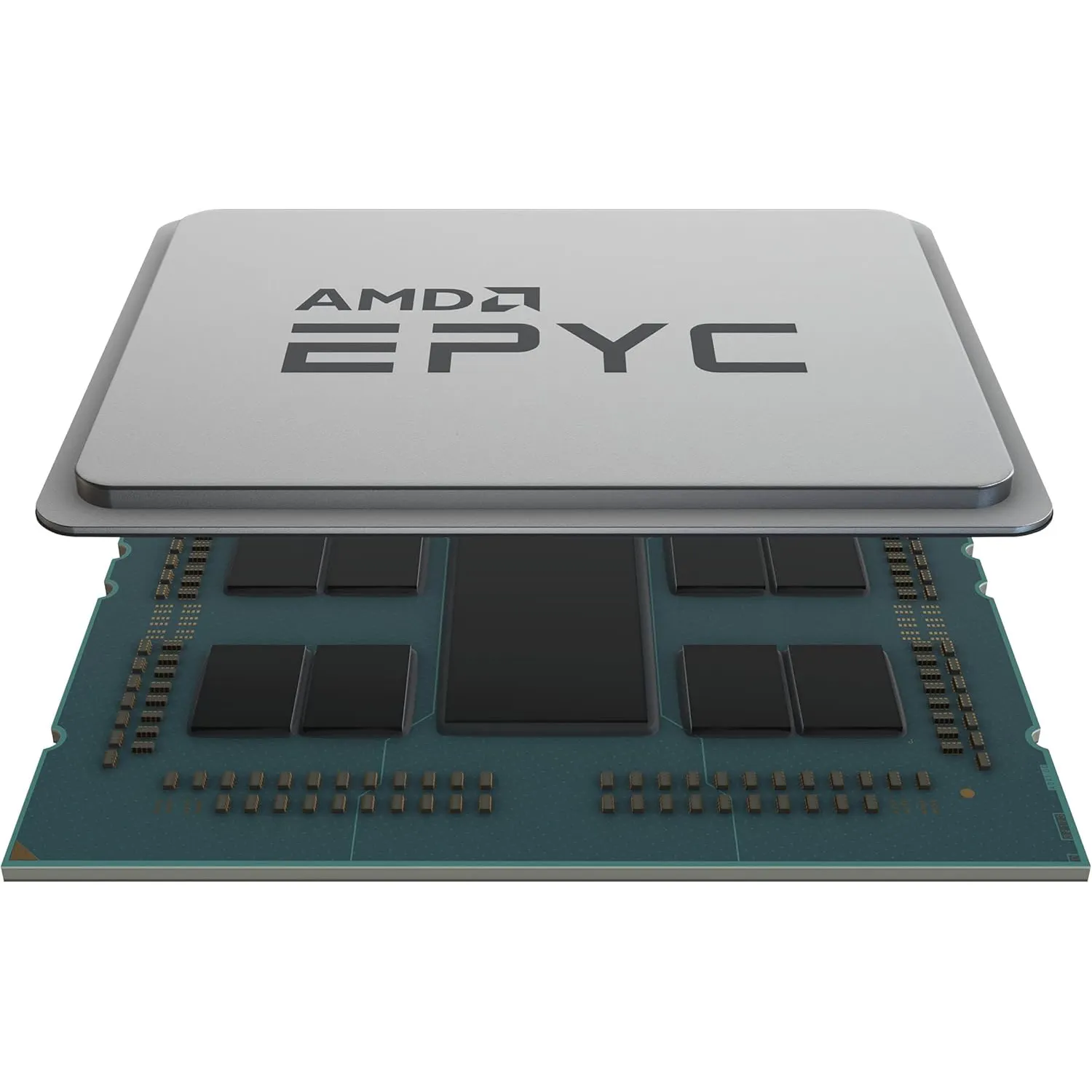
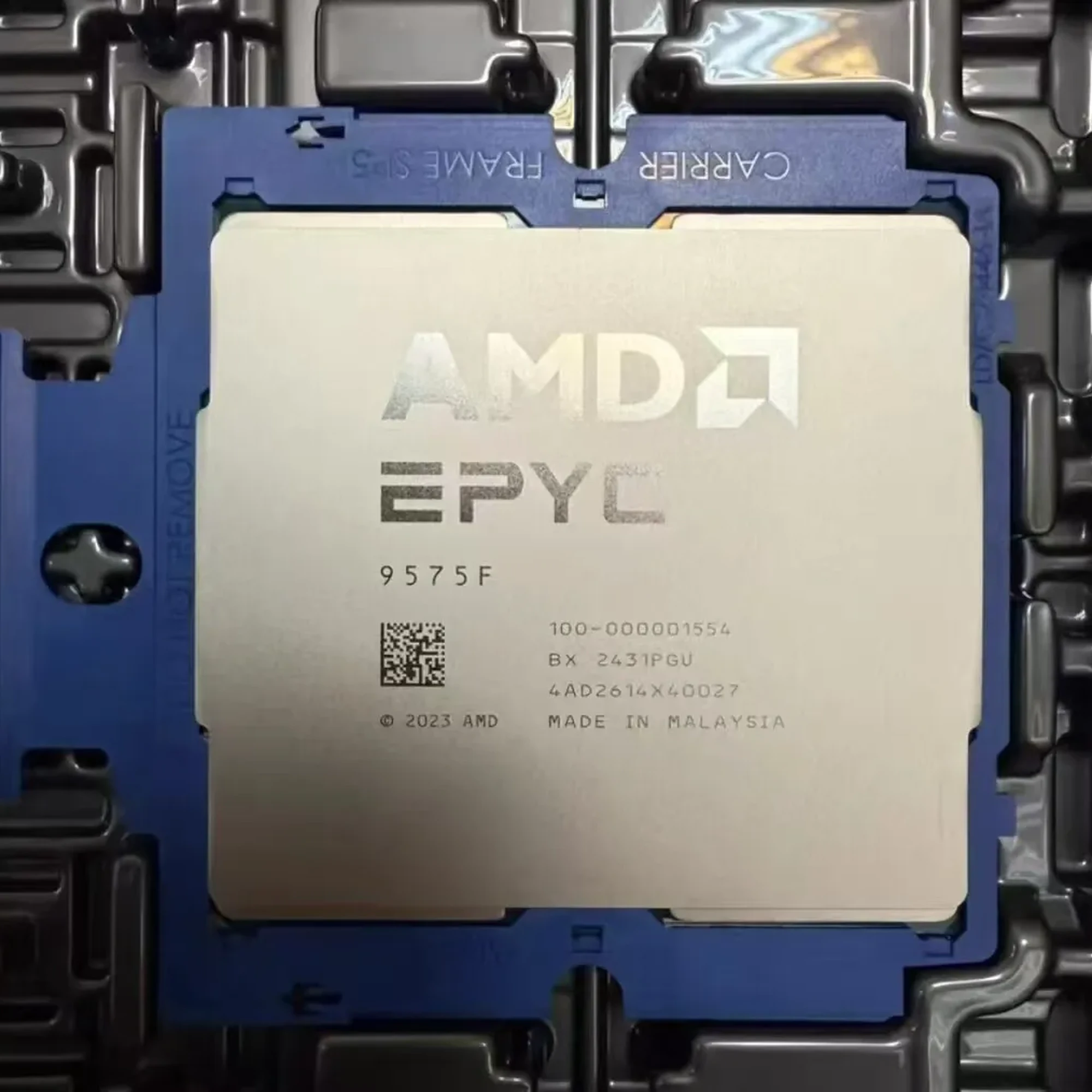
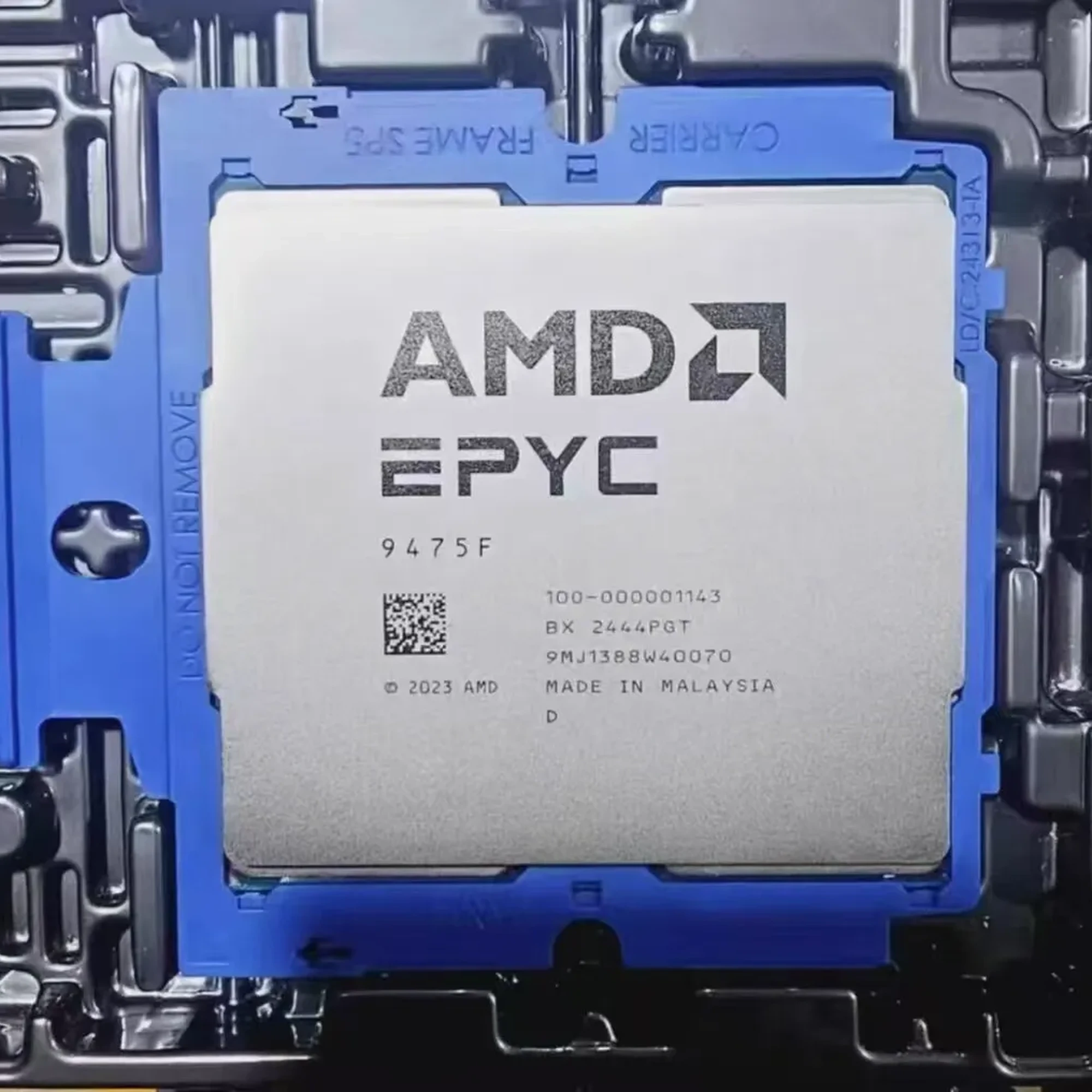
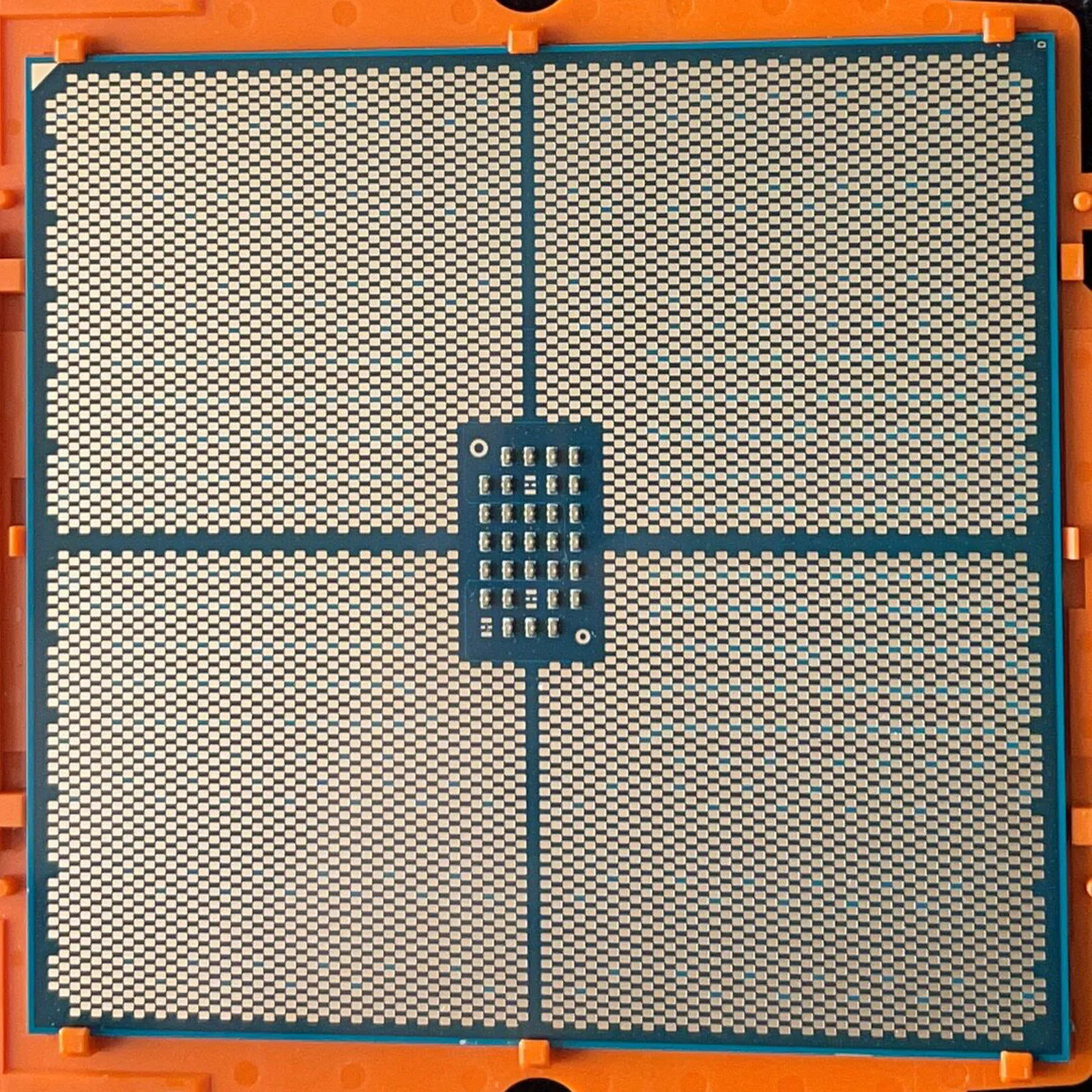
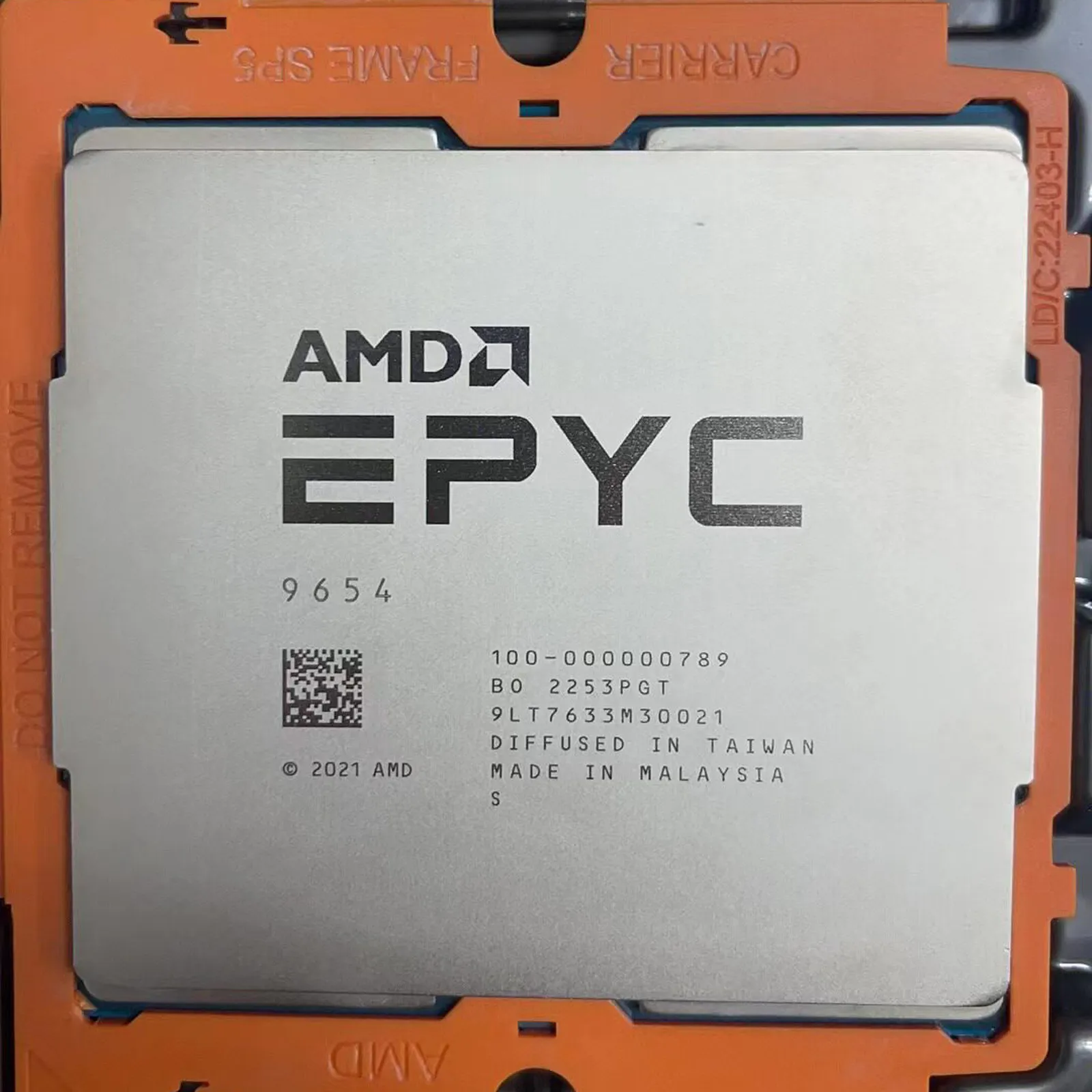

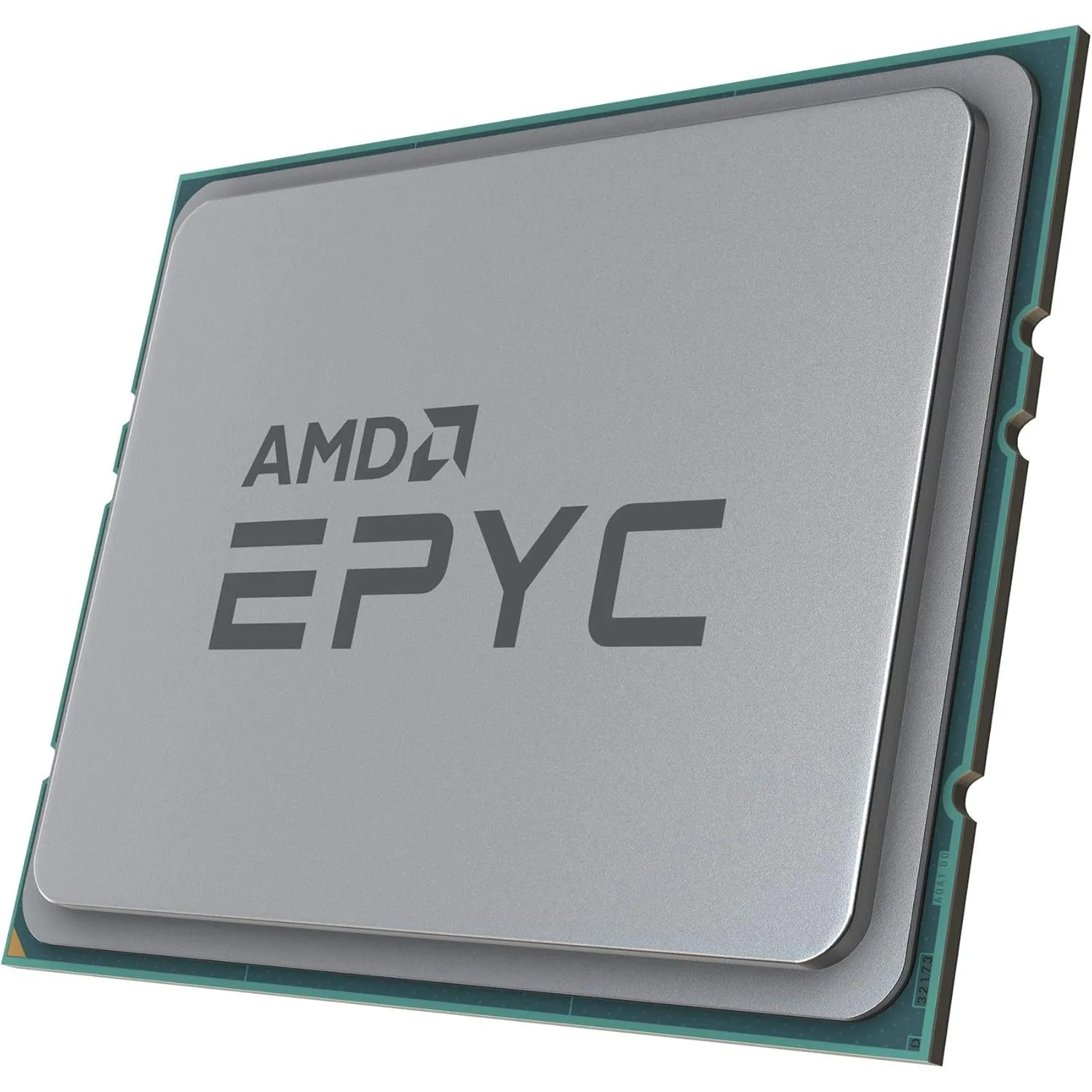
AMD EPYC 9R14 Server CPU – 96‑Core 3.7 GHz High‑Performance Processor
Introduction: Leading the Next Generation of Server Performance
In today’s data‑driven world, server performance is everything — and the AMD EPYC 9R14 stands at the forefront of enterprise compute power. Designed for heavy‑duty workloads in cloud infrastructure, virtualization, high‑performance computing (HPC), and enterprise server platforms, this processor brings remarkable processing muscle to the datacenter while maximizing efficiency and scalability.
AMD’s EPYC lineup has become synonymous with high core counts, robust memory architecture, and unmatched parallel processing capability. The 9R14 embodies these strengths with its massive core and thread count, agile clocking, and support for cutting‑edge server hardware features — making it an ideal choice for organizations aiming for peak performance across demanding applications.
Unmatched Core and Thread Architecture
At the heart of the EPYC 9R14 lies an extraordinary 96 physical cores with 192 threads, built on AMD’s advanced Zen 4 microarchitecture. This extensive core count enables unparalleled simultaneous multi‑threading — which is especially critical for workloads such as virtual machine hosting, large database operations, real‑time analytics, and scientific computing.
By allowing more threads to run concurrently than most competing CPUs, the EPYC 9R14 maintains high efficiency even under extreme workloads. Whether it’s supporting hundreds of virtual machines or massive multi‑user environments, the chip’s high thread density delivers predictable performance without bottlenecks.
High Clock Speeds for Balanced Performance
Clock speed remains a key indicator of computing responsiveness. The AMD EPYC 9R14 operates at an impressive up to 3.7 GHz, striking a well‑balanced blend of high single‑core responsiveness and multi‑core power. This top frequency ensures that even single‑threaded tasks benefit from responsive performance while keeping parallel tasks running efficiently.
This balance is particularly beneficial for applications that mix single‑threaded and multi‑threaded operations — for example, web hosting stacks that handle numerous small tasks concurrently alongside large parallel processes.
Zen 4 Architecture: The Foundation of Advanced Compute
The 9R14 is built on AMD’s Zen 4 architecture, a next‑generation CPU design that emphasizes performance, efficiency, and instruction throughput. Zen 4 delivers improvements in IPC (instructions per cycle), energy efficiency, and architectural scalability compared to earlier generations.
In server environments where performance per watt and overall throughput directly impact operating costs, the Zen 4 core design provides measurable benefits in power efficiency and sustained performance under load.
Massive Memory Support for Enterprise Workloads
A powerful CPU is only as good as the memory subsystem it supports — and EPYC 9R14 excels here as well. Supporting up to 6 TB of DDR5 memory, the platform provides substantial memory headroom for database caching, in‑memory analytics, virtualization overhead, and large‑scale application stacks.
With wider memory channels and higher memory bandwidth, the EPYC architecture ensures that CPU cores are fed with data quickly and efficiently — minimizing bottlenecks and enhancing throughput.
Robust PCIe and I/O Capabilities
Enterprise server applications often rely on extensive peripherals — from NVMe storage arrays and network adapters to hardware accelerators. The EPYC 9R14 brings ample PCIe lanes to the table, accommodating high‑speed connectivity and expandability without compromise. More lanes mean more devices can run simultaneously at full bandwidth.
This capacity makes the 9R14 an excellent choice for data centers focused on scaling storage, networking, or AI acceleration hardware.
Reliable Enterprise‑Grade Features
AMD’s EPYC series excels not only in raw performance but also in reliability and data integrity. Support for advanced security features and enterprise protections, including secure memory encryption and robust instruction sets, provides enterprises with the confidence to deploy EPYC‑based servers for mission‑critical operations.
Whether dealing with compliance‑sensitive workloads or clusters of virtual machines hosting customer services, the platform’s built‑in protections enhance overall system resilience.
Benchmarking Highlights
When evaluated using independent benchmarking tools, the AMD EPYC 9R14 consistently ranks among the higher performing server CPUs. On average, it achieves a multi‑thread CPU Mark score exceeding 116,000, demonstrating exceptional overall throughput in parallelized workloads. Its single‑thread score of ~2920 further underlines its capability to handle both general‑purpose and server‑specific tasks efficiently.
These performance figures place the EPYC 9R14 ahead of many traditional enterprise CPUs and make it a compelling choice for workloads where consistent, scalable performance is essential — especially in multi‑core optimized environments.
Use Cases: Where EPYC 9R14 Shines
Data Centers and Cloud Infrastructure
Data center deployments demand reliability, scalability, and high‑throughput performance. With its high core count and robust I/O capacity, the EPYC 9R14 can power cloud servers that support thousands of users, complex orchestration tasks, and dynamic resource allocation.
Virtualization and Multi‑Tenant Hosting
Virtualized environments benefit directly from high thread counts and memory bandwidth. The architecture of the EPYC 9R14 supports many virtual machines operating simultaneously without performance degradation.
High‑Performance Computing (HPC)
Scientific applications, large‑scale simulations, engineering design packages, and research workloads often require parallel computing capabilities — something the EPYC 9R14 delivers in spades. Its balanced architecture supports demanding HPC tasks at scale.
Future‑Ready Expandability
Deploying servers with the AMD EPYC 9R14 ensures future expandability. With ample memory channels, PCIe lanes, and support for the latest DDR5 standards, organizations can scale hardware configurations without prematurely retiring servers.
This future‑proof aspect is particularly important for businesses seeking long‑term infrastructure investments with minimal upgrade disruption.
Specification Sheet
| Specification | Details |
|---|---|
| CPU Model | AMD EPYC 9R14 |
| Architecture | Zen 4 |
| Market Segment | Server / Enterprise |
| Cores | 96 |
| Threads | 192 |
| Base Clock | 2.6 GHz (typical) |
| Max Boost Clock | Up to 3.7 GHz |
| L3 Cache | 384 MB |
| Max Memory Capacity | Up to 6 TB DDR5 |
| Memory Type | DDR5‑4800 |
| Memory Channels | 12 |
| PCIe Lanes | 128 |
| TDP | ~360 W |
| Socket | SP5 (LGA 6096) |
| Security & Features | Secure Memory Encryption, AES instructions |
| Benchmark CPU Mark (approx.) | 116,475 |
| Single Thread Rating | ~2920 |
| Release Date | Q4 2022 / Q3 2023 (charts) |
4th Gen 9004 Series Model Specifications
Name | # of CPU Cores | # of Threads | Max. Boost Clock | Base Clock | L3 Cache | Default TDP |
|---|---|---|---|---|---|---|
| AMD EPYC™ 9754S | 128 | 128 | Up to 3.1 GHz | 2.25 GHz | 256 MB | 360W |
| AMD EPYC™ 9754 | 128 | 256 | Up to 3.1 GHz | 2.25 GHz | 256 MB | 360W |
| AMD EPYC™ 9734 | 112 | 224 | Up to 3 GHz | 2.2 GHz | 256 MB | 340W |
| AMD EPYC™ 9684X | 96 | 192 | Up to 3.7 GHz | 2.55 GHz | 1152 MB | 400W |
| AMD EPYC™ 9654P | 96 | 192 | Up to 3.7 GHz | 2.4 GHz | 384 MB | 360W |
| AMD EPYC™ 9654 | 96 | 192 | Up to 3.7 GHz | 2.4 GHz | 384 MB | 360W |
| AMD EPYC™ 9634 | 84 | 168 | Up to 3.7 GHz | 2.25 GHz | 384 MB | 290W |
| AMD EPYC™ 9554P | 64 | 128 | Up to 3.75 GHz | 3.1 GHz | 256 MB | 360W |
| AMD EPYC™ 9554 | 64 | 128 | Up to 3.75 GHz | 3.1 GHz | 256 MB | 360W |
| AMD EPYC™ 9534 | 64 | 128 | Up to 3.7 GHz | 2.45 GHz | 256 MB | 280W |
| AMD EPYC™ 9474F | 48 | 96 | Up to 4.1 GHz | 3.6 GHz | 256 MB | 360W |
| AMD EPYC™ 9454P | 48 | 96 | Up to 3.8 GHz | 2.75 GHz | 256 MB | 290W |
| AMD EPYC™ 9454 | 48 | 96 | Up to 3.8 GHz | 2.75 GHz | 256 MB | 290W |
| AMD EPYC™ 9384X | 32 | 64 | Up to 3.9 GHz | 3.1 GHz | 768 MB | 320W |
| AMD EPYC™ 9374F | 32 | 64 | Up to 4.3 GHz | 3.85 GHz | 256 MB | 320W |
| AMD EPYC™ 9354P | 32 | 64 | Up to 3.8 GHz | 3.25 GHz | 256 MB | 280W |
| AMD EPYC™ 9354 | 32 | 64 | Up to 3.8 GHz | 3.25 GHz | 256 MB | 280W |
| AMD EPYC™ 9334 | 32 | 64 | Up to 3.9 GHz | 2.7 GHz | 128 MB | 210W |
| AMD EPYC™ 9274F | 24 | 48 | Up to 4.3 GHz | 4.05 GHz | 256 MB | 320W |
| AMD EPYC™ 9254 | 24 | 48 | Up to 4.15 GHz | 2.9 GHz | 128 MB | 200W |
| AMD EPYC™ 9224 | 24 | 48 | Up to 3.7 GHz | 2.5 GHz | 64 MB | 200W |
| AMD EPYC™ 9184X | 16 | 32 | Up to 4.2 GHz | 3.55 GHz | 768 MB | 320W |
| AMD EPYC™ 9174F | 16 | 32 | Up to 4.4 GHz | 4.1 GHz | 256 MB | 320W |
| AMD EPYC™ 9124 | 16 | 32 | Up to 3.7 GHz | 3 GHz | 64 MB | 200W |