
AMD EPYC 9K84 96-Core Server Processor | 2.6GHz Base, 3.7GHz Boost, 400W TDP – High-Performance Data Center CPU
In the rapidly evolving landscape of data center computing, where performance, efficiency, and scalability are non-negotiable, the AMD EPYC 9K84 emerges as a powerhouse server processor designed to redefine what’s possible for enterprise workloads. As part of AMD’s EPYC Genoa lineup, this processor is engineered to meet the demands of modern data centers, cloud environments, high-performance computing (HPC), artificial intelligence (AI), and even specialized tasks like cryptocurrency mining. With its impressive core count, robust cache configuration, and cutting-edge connectivity, the AMD EPYC 9K84 stands out as a versatile and reliable solution for businesses seeking to optimize their infrastructure and drive innovation.
Key Overview: What Makes the AMD EPYC 9K84 a Game-Changer?
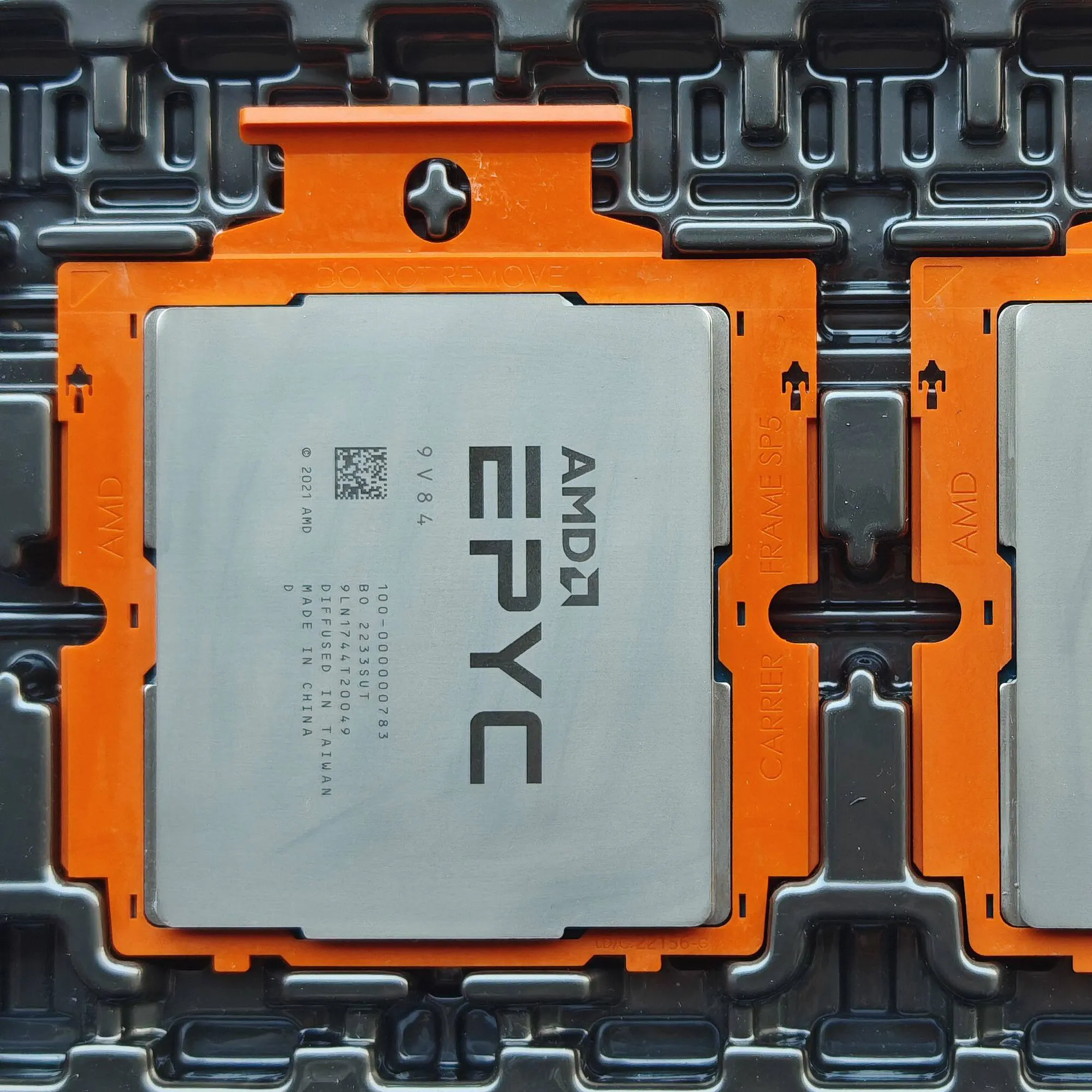
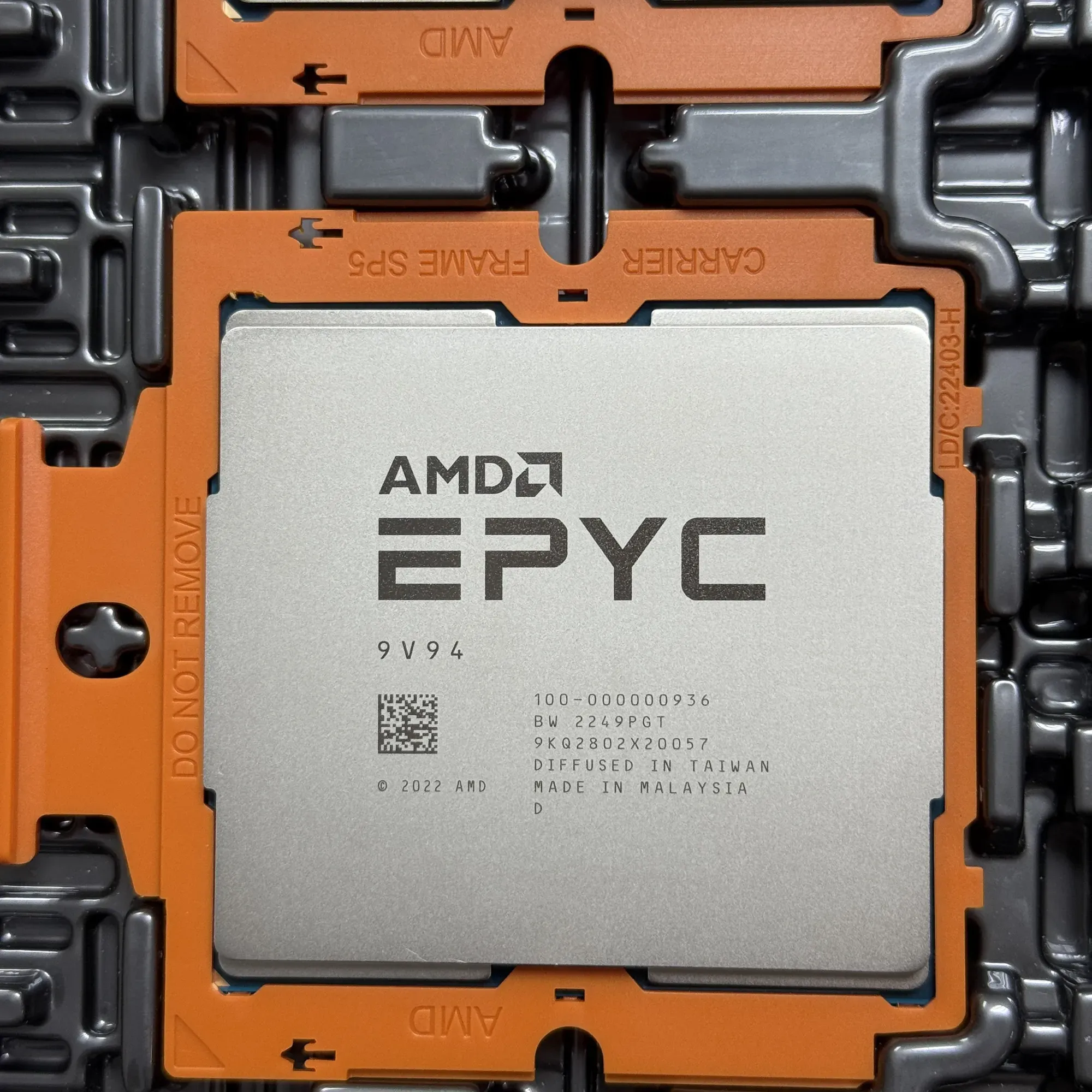
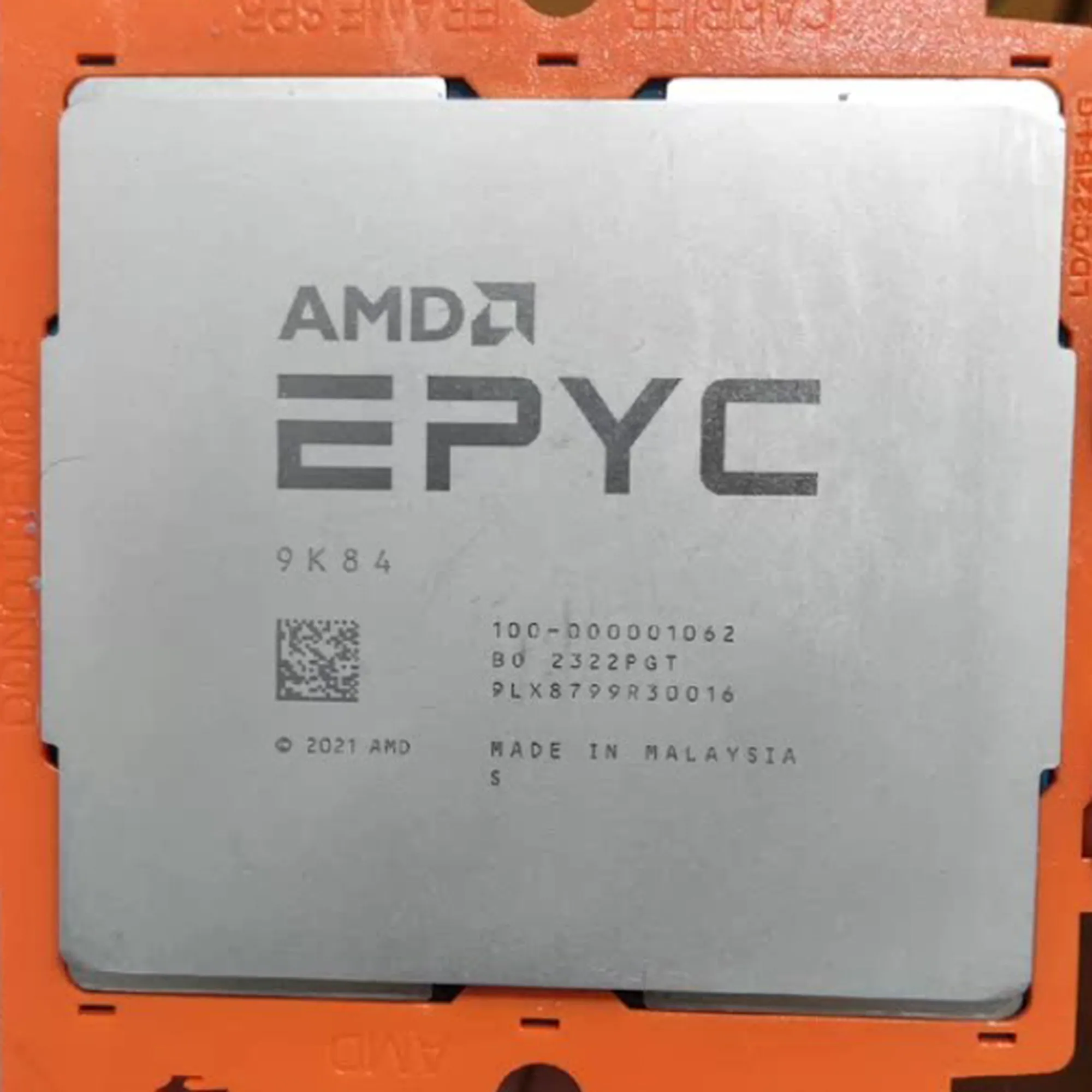
At its core, the AMD EPYC 9K84 is a 96-core, 192-thread server processor built on AMD’s advanced architecture, delivering a perfect balance of raw performance and energy efficiency. Unlike consumer-grade CPUs, this processor is tailored for the rigors of 24/7 data center operation, where stability and consistent performance are critical. With a base clock speed of 2.6GHz and a boost clock of up to 3.7GHz, it can handle even the most demanding workloads—from multi-threaded application processing to intensive AI model training and large-scale virtualization.
One of the most notable features of the EPYC 9K84 is its expansive cache configuration, which includes 3MB of L1 cache, 96MB of L2 cache, and a massive 384MB of L3 cache. This tiered cache system ensures that data is quickly accessible to the processor cores, reducing latency and improving overall throughput. For workloads that rely on frequent data access—such as database management, real-time analytics, and HPC simulations—this large cache size translates to faster processing times and improved application responsiveness.
With a TDP (Thermal Design Power) of 400W, the EPYC 9K84 is optimized for high-performance scenarios while maintaining manageable power consumption relative to its capabilities. This makes it suitable for data centers that need to balance performance with energy efficiency, as it delivers more cores and higher throughput per watt compared to many competing processors. Additionally, the processor supports AMD’s power management technologies, allowing IT administrators to fine-tune power settings to match workload demands and reduce operational costs.
Performance Breakdown: Benchmarks and Real-World Capabilities
The true measure of a server processor lies in its real-world performance, and the AMD EPYC 9K84 does not disappoint. In benchmark testing, this processor has demonstrated exceptional multi-threaded performance, making it ideal for workloads that leverage parallel processing. For example, in 7z compression tests, the EPYC 9K84 achieved a multi-threaded score of 765,570 MIPS, significantly outperforming many other server processors in its class. In video encoding and decoding tasks using FFmpeg, it delivered a multi-threaded score of 15,647,837 μs, highlighting its ability to handle media processing workloads with ease.
For HPC and AI workloads, the EPYC 9K84’s 96 cores and 192 threads provide the parallel processing power needed to accelerate complex simulations, machine learning model training, and scientific computing. In RandomX benchmark testing, the processor achieved a hash rate of 32,903.40 H/s, with a single-thread hash rate of 514.12 H/s, making it a viable option for cryptocurrency mining operations as well. Additionally, its support for advanced instruction sets like AES, AVX, AVX2, and AVX-512 ensures compatibility with modern software optimized for high-performance computing.
In terms of thermal performance, the EPYC 9K84 operates within a temperature range of 43°C to 68°C under typical workloads, with an average temperature of 49.34°C. This ensures that the processor remains stable even during extended periods of high utilization, reducing the risk of thermal throttling and ensuring consistent performance. The processor’s voltage ranges from 0.942V to 1.091V, with an average of 1.065V, further optimizing power efficiency.
Connectivity and Expansion: Designed for Modern Data Centers
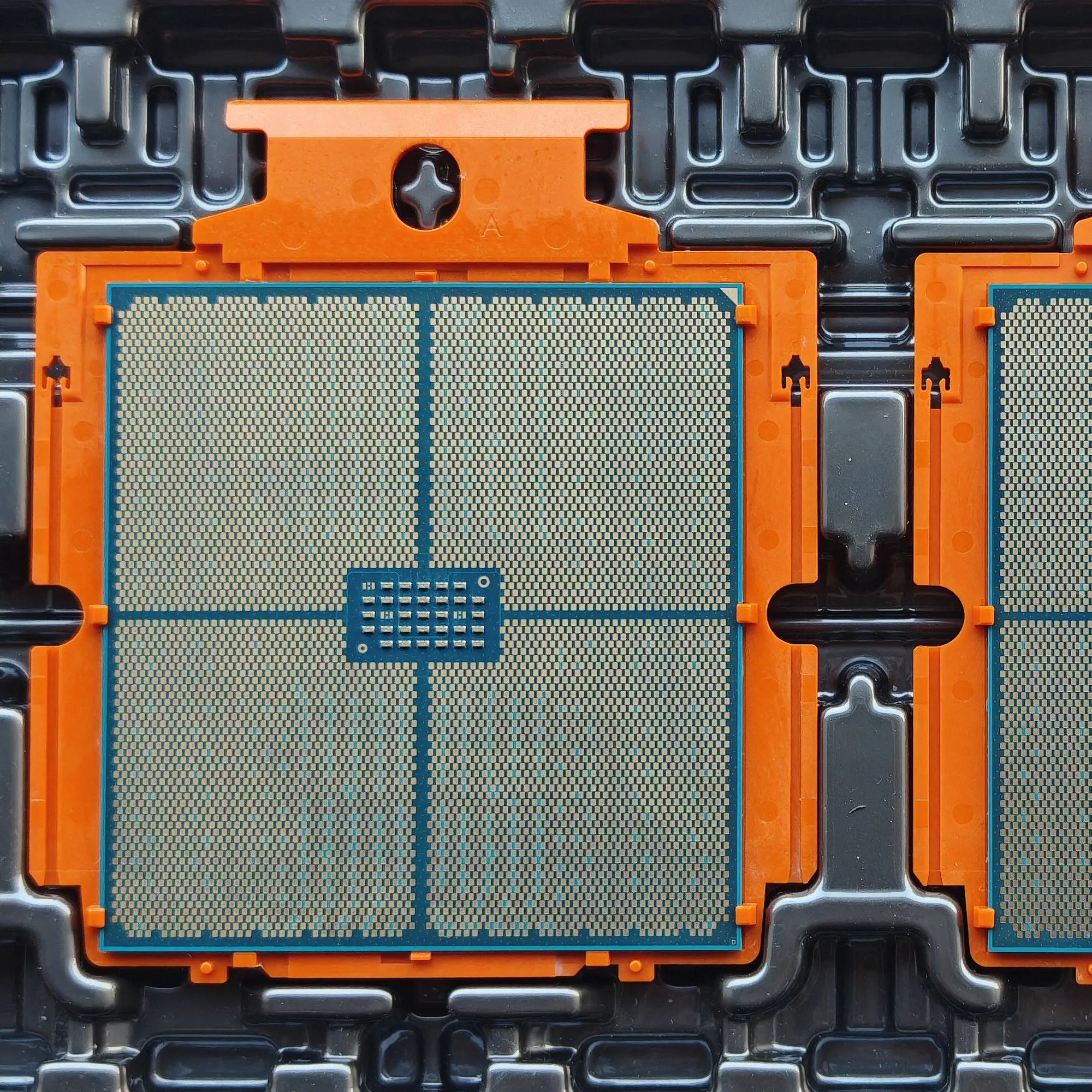
The AMD EPYC 9K84 is built on the SP5 socket platform, which is compatible with a wide range of server motherboards and infrastructure. This ensures flexibility for data centers looking to upgrade their existing hardware without a complete overhaul. The processor supports 128 PCIe 5.0 lanes, providing exceptional I/O bandwidth for connecting high-speed storage devices, network adapters, and GPU accelerators. PCIe 5.0 offers double the bandwidth of PCIe 4.0, making it ideal for modern data center components that require fast data transfer speeds, such as NVMe SSDs and AI accelerators.
In terms of memory support, the EPYC 9K84 features 12 DDR5 memory channels, supporting memory speeds of up to 4800 MT/s (and higher for targeted configurations). This allows for a maximum memory capacity of up to 4TB per socket, ensuring that data-intensive workloads—such as large-scale databases, virtualization, and AI training—have access to ample memory resources. The processor’s memory bandwidth capabilities enable fast data transfer between memory and the processor cores, reducing bottlenecks and improving overall system performance.
For data centers that require high levels of virtualization, the EPYC 9K84 supports AMD’s Virtualization (AMD-V) technology, which enables efficient virtual machine (VM) management and isolation. This allows IT administrators to run multiple VMs on a single server, maximizing resource utilization and reducing hardware costs. Additionally, the processor supports AMD Infinity Guard, a suite of security features designed to protect data and applications from advanced threats, making it suitable for highly regulated industries like finance, healthcare, and government.
Use Cases: Where the AMD EPYC 9K84 Excels
The versatility of the AMD EPYC 9K84 makes it suitable for a wide range of data center workloads, each benefiting from its unique combination of cores, cache, and connectivity. Below are some of the key use cases where this processor stands out:
High-Performance Computing (HPC): HPC workloads, such as scientific simulations, weather forecasting, and computational fluid dynamics (CFD), require massive parallel processing power. The EPYC 9K84’s 96 cores and 192 threads provide the performance needed to accelerate these tasks, reducing time-to-results and enabling researchers to tackle more complex problems.
Artificial Intelligence (AI) and Machine Learning (ML): AI and ML workloads, particularly training large language models (LLMs) and computer vision models, benefit from the EPYC 9K84’s multi-threaded performance and large cache size. The processor’s support for AVX-512 and other advanced instruction sets allows for faster model training and inference, making it a cost-effective solution for AI-driven businesses.
Virtualization and Cloud Computing: Cloud service providers and enterprises rely on virtualization to maximize server utilization. The EPYC 9K84’s high core count and support for AMD-V enable the deployment of multiple VMs per server, reducing hardware costs and improving resource efficiency. Its PCIe 5.0 support also ensures fast connectivity to cloud storage and network resources.
Cryptocurrency Mining: For mining operations, the EPYC 9K84’s hash rate performance makes it a viable option for mining cryptocurrencies that rely on CPU-based algorithms. With an estimated daily profitability of $1.65 (after accounting for electricity costs), it offers a competitive return on investment for mining operations.
Enterprise Databases and Analytics: Large-scale databases and real-time analytics workloads require fast data access and processing. The EPYC 9K84’s 384MB L3 cache and 12 DDR5 memory channels ensure that data is quickly accessible, reducing query times and improving analytics performance. This makes it ideal for data warehouses, business intelligence platforms, and real-time data processing systems.
Pricing and Value Proposition
The AMD EPYC 9K84 is priced at an MSRP of $2,499, making it a cost-effective option for data centers that require high performance without breaking the bank. When compared to competing processors with similar core counts and performance, the EPYC 9K84 offers better value, delivering more cores, higher cache capacity, and faster connectivity at a lower price point. Additionally, its energy efficiency helps reduce long-term operational costs, making it a sustainable choice for data centers looking to minimize their carbon footprint.
For businesses that require a balance of performance and cost, the EPYC 9K84 is an excellent choice. Its versatility means it can be deployed across multiple workloads, reducing the need for specialized hardware and simplifying infrastructure management. Whether you’re building a new data center or upgrading existing servers, the EPYC 9K84 provides the performance, reliability, and scalability needed to support your business’s growth.
Conclusion: Why Choose the AMD EPYC 9K84?
In a market saturated with server processors, the AMD EPYC 9K84 stands out as a top-tier solution for modern data centers. Its 96 cores, 192 threads, large cache configuration, and support for PCIe 5.0 and DDR5 memory make it a versatile and high-performance processor that can handle the most demanding workloads. From HPC and AI to virtualization and mining, the EPYC 9K84 delivers consistent performance, energy efficiency, and scalability, making it a valuable investment for any enterprise.
Whether you’re a cloud service provider, a research institution, or a large enterprise, the AMD EPYC 9K84 offers the performance and flexibility needed to stay ahead in today’s fast-paced digital landscape. With its competitive pricing, robust feature set, and proven reliability, it’s no wonder that the EPYC 9K84 is quickly becoming the processor of choice for data centers around the world.
| Specification | Details |
|---|---|
| Product Name | AMD EPYC 9K84 |
| Brand | AMD |
| Product Line | AMD EPYC Genoa |
| Socket Type | SP5 |
| Core Count | 96 Cores |
| Thread Count | 192 Threads |
| Base Clock Speed | 2.60 GHz |
| Boost Clock Speed | 3.70 GHz |
| L1 Cache | 3 MB |
| L2 Cache | 96 MB |
| L3 Cache | 384 MB |
| TDP (Thermal Design Power) | 400 W |
| PCIe Version | PCIe 5.0 |
| PCIe Lanes | 128 |
| Memory Type | DDR5 |
| Memory Channels | 12 |
| Max Memory Speed | Up to 4800 MT/s (higher for targeted configs) |
| Max Memory Capacity | 4TB per socket |
| MSRP | $2,499 |
| Key Instruction Sets | AES, AVX, AVX2, AVX-512, BMI2, SSE2, SSE3, SSE4.1, POPCNT |
| Virtualization Support | AMD-V |
| Security Features | AMD Infinity Guard |
| Typical Temperature Range | 43°C (Min) – 68°C (Max), 49.34°C (Avg) |
| Voltage Range | 0.942V (Min) – 1.091V (Max), 1.065V (Avg) |
4th Gen 9004 Series Model Specifications
| Name | # of CPU Cores | # of Threads | Max. Boost Clock | Base Clock | L3 Cache | Default TDP |
| AMD EPYC™ 9754S | 128 | 128 | Up to 3.1 GHz | 2.25 GHz | 256 MB | 360W |
| AMD EPYC™ 9754 | 128 | 256 | Up to 3.1 GHz | 2.25 GHz | 256 MB | 360W |
| AMD EPYC™ 9734 | 112 | 224 | Up to 3 GHz | 2.2 GHz | 256 MB | 340W |
| AMD EPYC™ 9684X | 96 | 192 | Up to 3.7 GHz | 2.55 GHz | 1152 MB | 400W |
| AMD EPYC™ 9654P | 96 | 192 | Up to 3.7 GHz | 2.4 GHz | 384 MB | 360W |
| AMD EPYC™ 9654 | 96 | 192 | Up to 3.7 GHz | 2.4 GHz | 384 MB | 360W |
| AMD EPYC™ 9634 | 84 | 168 | Up to 3.7 GHz | 2.25 GHz | 384 MB | 290W |
| AMD EPYC™ 9554P | 64 | 128 | Up to 3.75 GHz | 3.1 GHz | 256 MB | 360W |
| AMD EPYC™ 9554 | 64 | 128 | Up to 3.75 GHz | 3.1 GHz | 256 MB | 360W |
| AMD EPYC™ 9534 | 64 | 128 | Up to 3.7 GHz | 2.45 GHz | 256 MB | 280W |
| AMD EPYC™ 9474F | 48 | 96 | Up to 4.1 GHz | 3.6 GHz | 256 MB | 360W |
| AMD EPYC™ 9454P | 48 | 96 | Up to 3.8 GHz | 2.75 GHz | 256 MB | 290W |
| AMD EPYC™ 9454 | 48 | 96 | Up to 3.8 GHz | 2.75 GHz | 256 MB | 290W |
| AMD EPYC™ 9384X | 32 | 64 | Up to 3.9 GHz | 3.1 GHz | 768 MB | 320W |
| AMD EPYC™ 9374F | 32 | 64 | Up to 4.3 GHz | 3.85 GHz | 256 MB | 320W |
| AMD EPYC™ 9354P | 32 | 64 | Up to 3.8 GHz | 3.25 GHz | 256 MB | 280W |
| AMD EPYC™ 9354 | 32 | 64 | Up to 3.8 GHz | 3.25 GHz | 256 MB | 280W |
| AMD EPYC™ 9334 | 32 | 64 | Up to 3.9 GHz | 2.7 GHz | 128 MB | 210W |
| AMD EPYC™ 9274F | 24 | 48 | Up to 4.3 GHz | 4.05 GHz | 256 MB | 320W |
| AMD EPYC™ 9254 | 24 | 48 | Up to 4.15 GHz | 2.9 GHz | 128 MB | 200W |
| AMD EPYC™ 9224 | 24 | 48 | Up to 3.7 GHz | 2.5 GHz | 64 MB | 200W |
| AMD EPYC™ 9184X | 16 | 32 | Up to 4.2 GHz | 3.55 GHz | 768 MB | 320W |
| AMD EPYC™ 9174F | 16 | 32 | Up to 4.4 GHz | 4.1 GHz | 256 MB | 320W |
| AMD EPYC™ 9124 | 16 | 32 | Up to 3.7 GHz | 3 GHz | 64 MB | 200W |