
AMD EPYC 9J14 96‑Core Server Processor – High Performance Zen4 Server CPU
Introduction to AMD EPYC 9J14
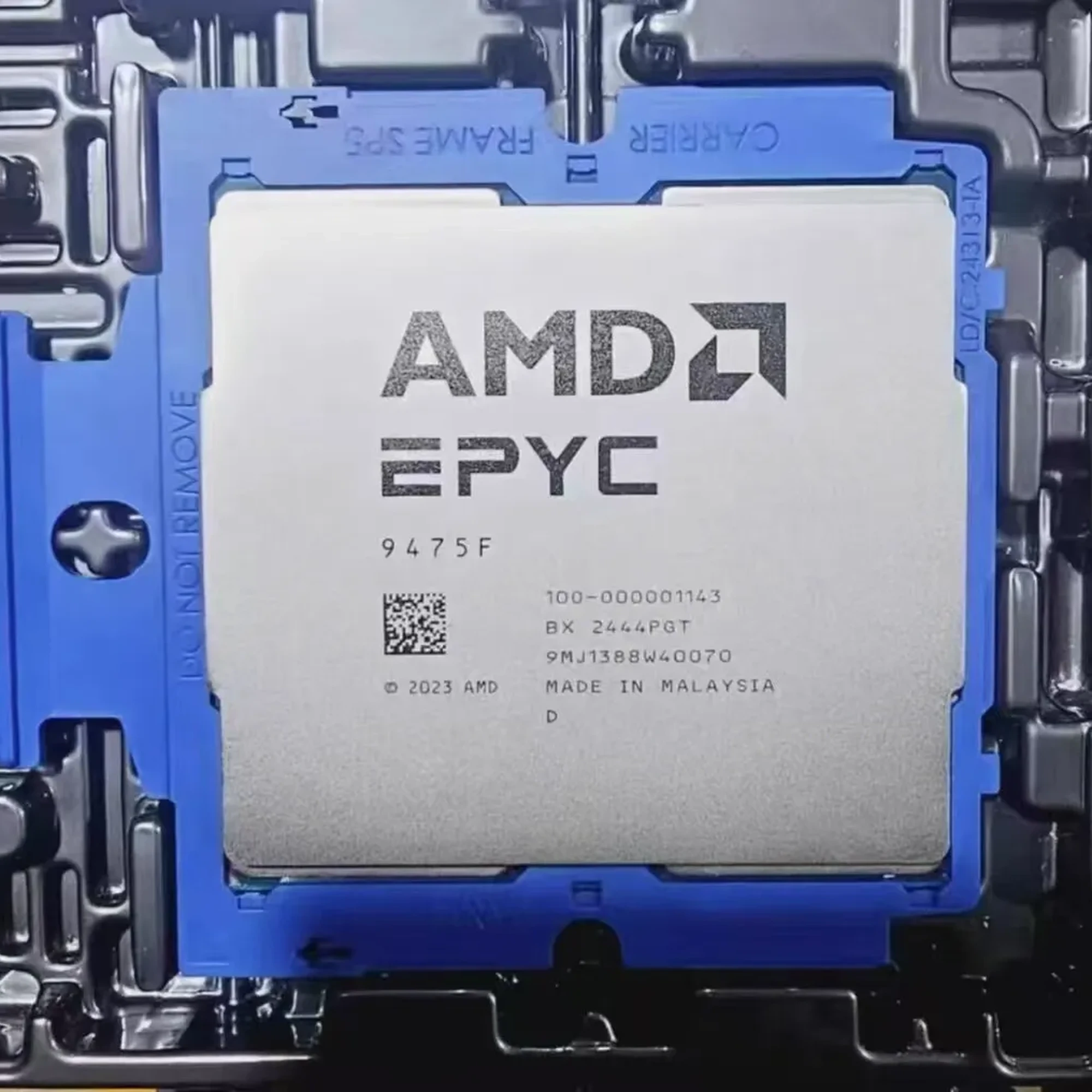
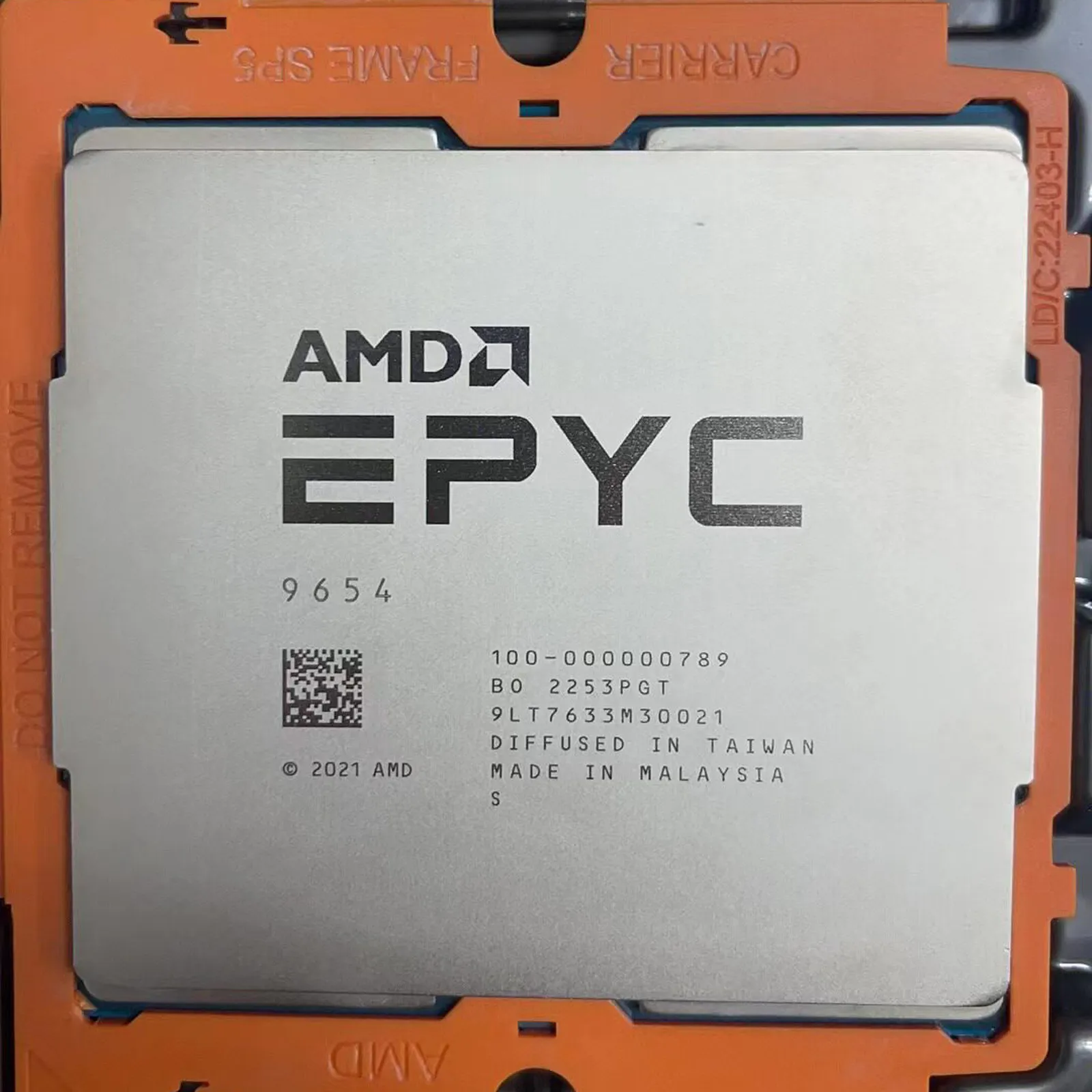
The AMD EPYC 9J14 is a flagship server‑grade processor designed for data centers, cloud infrastructure, virtualization, and high throughput computing applications. As part of AMD’s EPYC family of CPUs, this model pairs an impressive 96 physical cores with 192 threads, delivering formidable parallel processing capability. It’s built on the cutting‑edge Zen4 architecture, leveraging the latest advances in CPU design to provide best‑in‑class performance, scalability, and efficiency.
This processor excels in environments where large amounts of simultaneous computation are essential — from large database systems and virtualization hosts to networked compute clusters. Its balance of core count, clock speed, and memory bandwidth make it a standout for enterprise workloads.
Key Performance Features
1. Exceptional Core and Thread Count
At its core, the AMD EPYC 9J14 brings 96 cores and 192 threads to the table. This high core and thread count is critical for modern server workloads, where multi‑threaded performance dictates throughput. Whether you’re running virtual machines, containerized services, or large batch processing tasks, the EPYC 9J14 delivers the concurrency needed for fast and efficient execution.
2. Advanced Zen4 Architecture
Built on AMD’s Zen4 microarchitecture, the EPYC 9J14 benefits from next‑generation CPU design improvements. Zen4 enhances IPC (instructions per clock), power efficiency, and overall computing throughput. This architecture also supports a rich set of modern instruction extensions such as AVX, AVX2, AVX‑512, and advanced security features — enabling optimized performance for both integer and floating‑point tasks.
3. Strong Clock Performance
With a base operating frequency of 2.6 GHz and a turbo boost speed up to 3.7 GHz, this CPU balances multi‑threaded workloads with responsive single‑thread performance. The ability to jump to higher clock speeds allows servers to respond quickly to burst demands in tasks such as real‑time analytics or high‑performing cloud services.
Architectural and Design Highlights
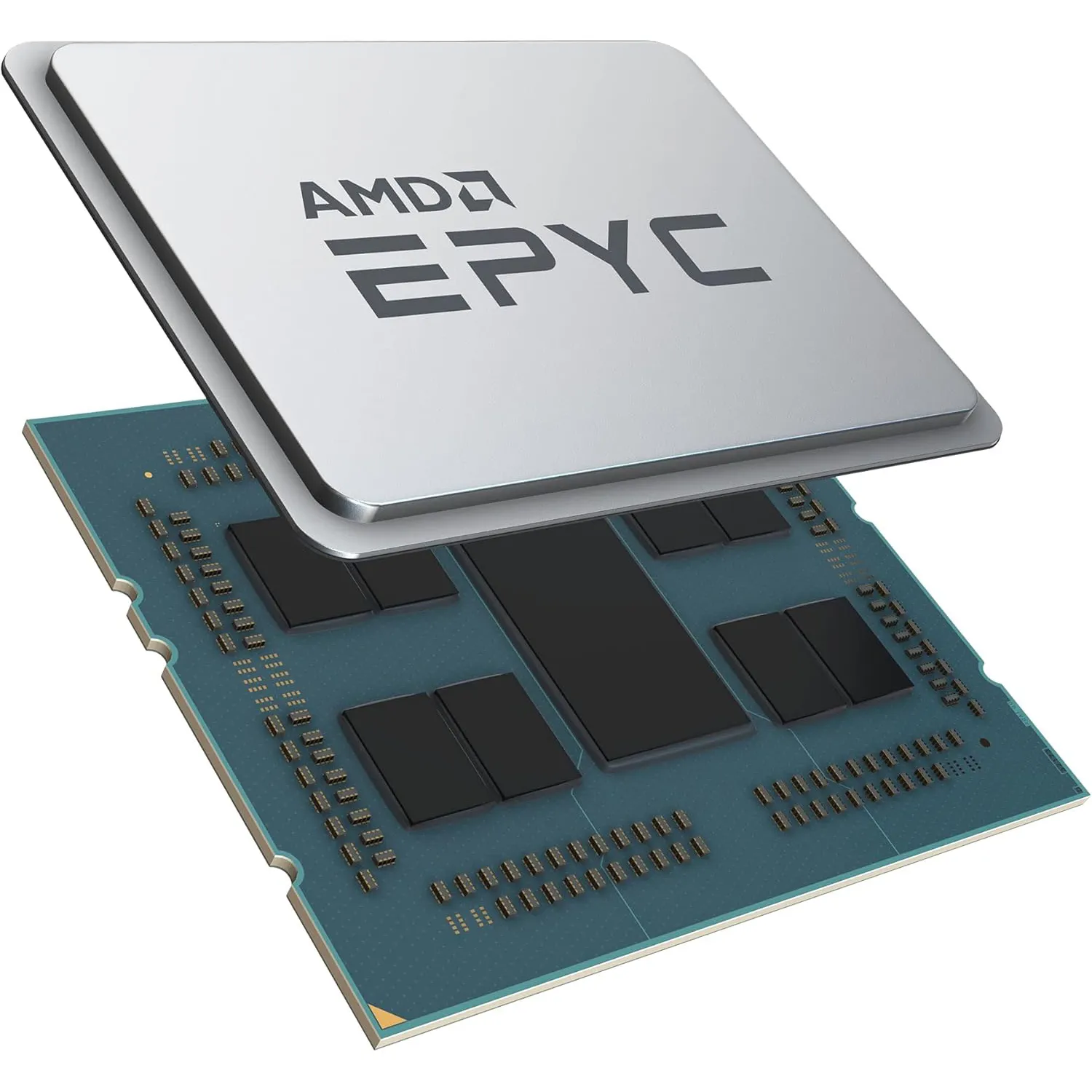
The AMD EPYC 9J14 leverages a 5 nm fabrication process, enabling a high transistor density that boosts efficiency and performance per watt. This manufacturing process not only improves thermal efficiency but also enables more complex designs within the CPU for deeper cache hierarchies and better performance at scale.
Socket and Platform Compatibility
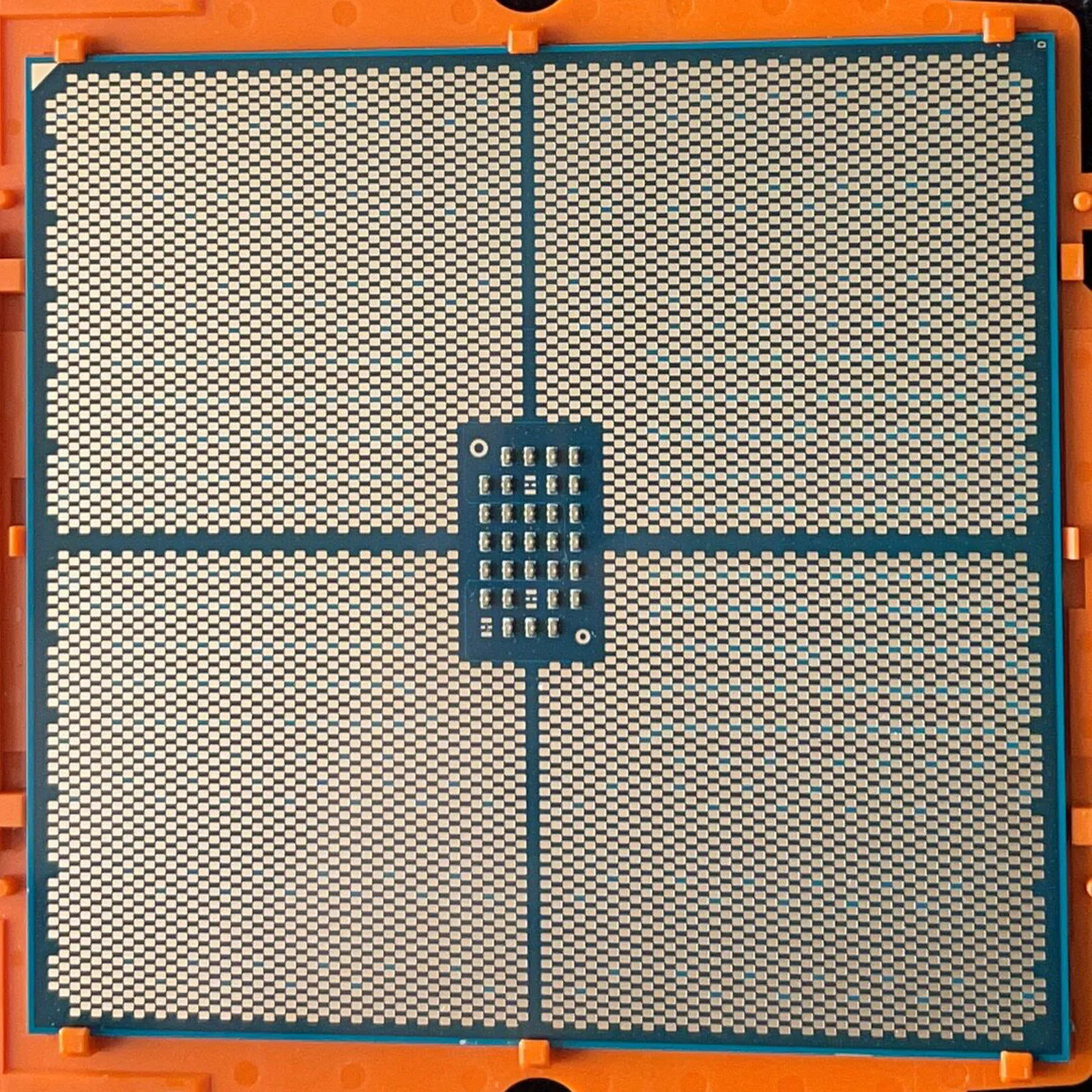
This CPU utilizes Socket SP5, the modern server platform offering extensive memory support and high bandwidth connections to I/O. SP5 is engineered to grow with next‑gen servers, enabling upgradable memory and connectivity with future technologies.
Memory and I/O Performance
Thanks to support for 12‑channel DDR5 memory, the EPYC 9J14 provides enormous memory bandwidth — a key advantage for data‑intensive applications like big data analytics, in‑memory databases, and virtualization farms.
The integrated PCIe 5.0 controller supports more lanes than previous generations, unlocking wide connectivity for high‑speed NVMe storage, accelerators, and high‑throughput networking cards — giving systems built with this CPU room to expand as workloads grow.
Industry and Real‑World Performance
Benchmark results show the AMD EPYC 9J14 delivering impressive multi‑threaded performance measurements, making it competitive among server CPUs in its class. In tests using the PassMark PerformanceTest suite, the EPYC 9J14 has achieved top‑tier ratings in multi‑thread benchmarks, highlighting its scalability in parallel workloads.
Whether handling virtualization density with dozens of VMs, managing sizable databases, or orchestrating cloud services, this processor delivers sustained throughput that enterprises depend on.
Use Cases and Applications
Enterprise Data Centers
Large data centers prioritizing efficiency and performance will find the EPYC 9J14 well‑suited for handling large workloads while maintaining low energy costs relative to performance delivered.
Virtualization Platforms
With 192 threads, this CPU can support large virtual machine densities, making it a prime choice for virtualization hypervisors like VMware ESXi, Microsoft Hyper‑V, or open‑source platforms like Proxmox.
High‑Performance Computing (HPC)
Scientific computing, simulation, and analytical workloads benefit from the EPYC’s raw compute potential, especially in multi‑node clusters.
Cloud Infrastructure
Cloud service providers requiring high throughput and flexible service delivery will appreciate the scalability and performance of EPYC processors.
Energy Efficiency
EPYC CPUs are engineered to be power efficient given their performance envelope. While total power draw depends on workload and server configuration, the underlying design balances high throughput without excessive thermal overhead — critical for datacenter TCO (total cost of ownership).
Support, Security, and Reliability
Enterprise deployments often require features that go beyond pure performance. AMD EPYC processors support advanced security capabilities, including secure memory encryption and robust hardware‑based protections. These technologies help protect data integrity and enhance compliance for sensitive workloads.
Specifications
| Feature | Specification |
|---|---|
| Model | AMD EPYC 9J14 |
| CPU Class | Server Processor |
| Architecture | Zen4 |
| Cores / Threads | 96 / 192 |
| Base Clock | 2.6 GHz |
| Turbo Clock | Up to 3.7 GHz |
| Socket | SP5 |
| Lithography | 5 nm |
| Cache | L1: 96 × 32 KB L2: 96 × 1024 KB L3: 393 216 KB |
| Memory Support | 12‑Channel DDR5‑4800 |
| PCIe Support | PCIe 5.0 (128 lanes) |
| Integrated Graphics | None |
| TDP | 360 W |
| Supported Extensions | SSE, SSE2, SSE3, SSE4, AVX, AVX2, AVX‑512, FMA3, AMD64, AES |
| ECC Memory Support | Yes |
| Typical Uses | Enterprise Servers, Virtualization, Cloud, HPC |
4th Gen 9004 Series Model Specifications
Name | # of CPU Cores | # of Threads | Max. Boost Clock | Base Clock | L3 Cache | Default TDP |
|---|---|---|---|---|---|---|
| AMD EPYC™ 9754S | 128 | 128 | Up to 3.1 GHz | 2.25 GHz | 256 MB | 360W |
| AMD EPYC™ 9754 | 128 | 256 | Up to 3.1 GHz | 2.25 GHz | 256 MB | 360W |
| AMD EPYC™ 9734 | 112 | 224 | Up to 3 GHz | 2.2 GHz | 256 MB | 340W |
| AMD EPYC™ 9684X | 96 | 192 | Up to 3.7 GHz | 2.55 GHz | 1152 MB | 400W |
| AMD EPYC™ 9654P | 96 | 192 | Up to 3.7 GHz | 2.4 GHz | 384 MB | 360W |
| AMD EPYC™ 9654 | 96 | 192 | Up to 3.7 GHz | 2.4 GHz | 384 MB | 360W |
| AMD EPYC™ 9634 | 84 | 168 | Up to 3.7 GHz | 2.25 GHz | 384 MB | 290W |
| AMD EPYC™ 9554P | 64 | 128 | Up to 3.75 GHz | 3.1 GHz | 256 MB | 360W |
| AMD EPYC™ 9554 | 64 | 128 | Up to 3.75 GHz | 3.1 GHz | 256 MB | 360W |
| AMD EPYC™ 9534 | 64 | 128 | Up to 3.7 GHz | 2.45 GHz | 256 MB | 280W |
| AMD EPYC™ 9474F | 48 | 96 | Up to 4.1 GHz | 3.6 GHz | 256 MB | 360W |
| AMD EPYC™ 9454P | 48 | 96 | Up to 3.8 GHz | 2.75 GHz | 256 MB | 290W |
| AMD EPYC™ 9454 | 48 | 96 | Up to 3.8 GHz | 2.75 GHz | 256 MB | 290W |
| AMD EPYC™ 9384X | 32 | 64 | Up to 3.9 GHz | 3.1 GHz | 768 MB | 320W |
| AMD EPYC™ 9374F | 32 | 64 | Up to 4.3 GHz | 3.85 GHz | 256 MB | 320W |
| AMD EPYC™ 9354P | 32 | 64 | Up to 3.8 GHz | 3.25 GHz | 256 MB | 280W |
| AMD EPYC™ 9354 | 32 | 64 | Up to 3.8 GHz | 3.25 GHz | 256 MB | 280W |
| AMD EPYC™ 9334 | 32 | 64 | Up to 3.9 GHz | 2.7 GHz | 128 MB | 210W |
| AMD EPYC™ 9274F | 24 | 48 | Up to 4.3 GHz | 4.05 GHz | 256 MB | 320W |
| AMD EPYC™ 9254 | 24 | 48 | Up to 4.15 GHz | 2.9 GHz | 128 MB | 200W |
| AMD EPYC™ 9224 | 24 | 48 | Up to 3.7 GHz | 2.5 GHz | 64 MB | 200W |
| AMD EPYC™ 9184X | 16 | 32 | Up to 4.2 GHz | 3.55 GHz | 768 MB | 320W |
| AMD EPYC™ 9174F | 16 | 32 | Up to 4.4 GHz | 4.1 GHz | 256 MB | 320W |
| AMD EPYC™ 9124 | 16 | 32 | Up to 3.7 GHz | 3 GHz | 64 MB | 200W |