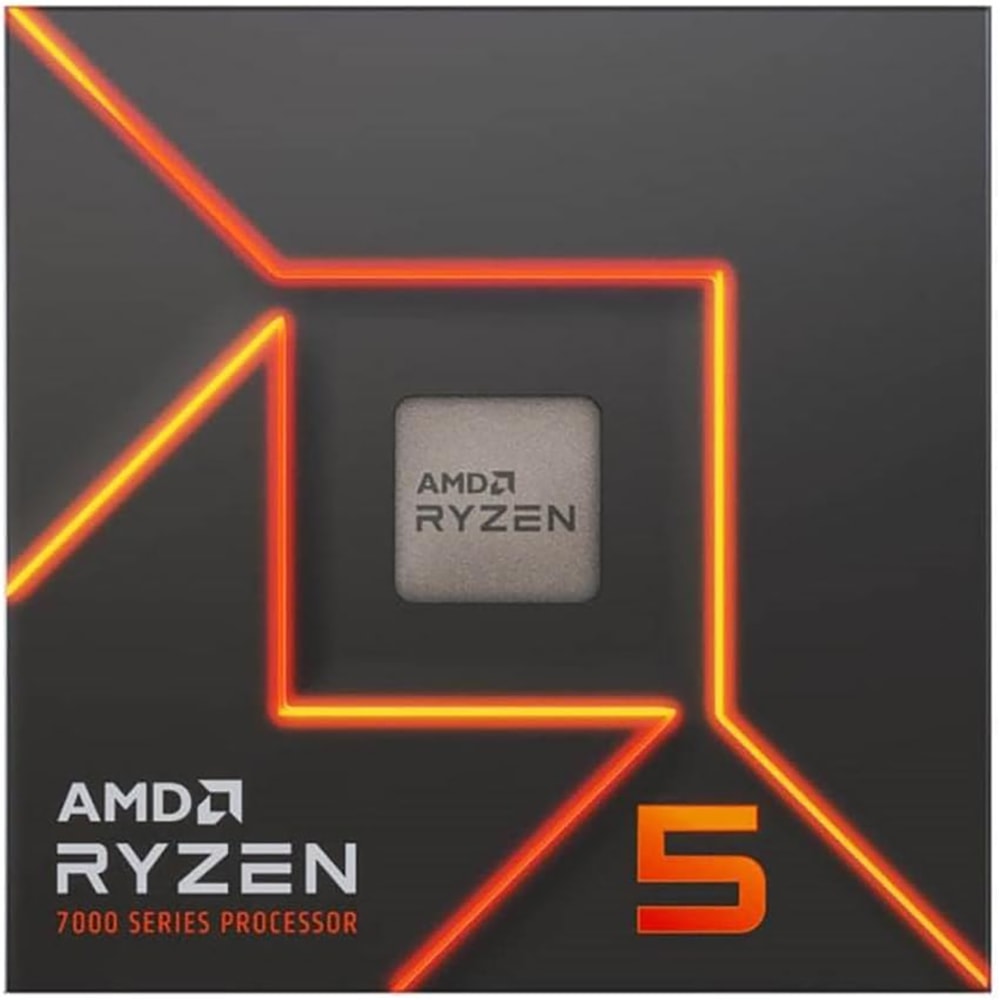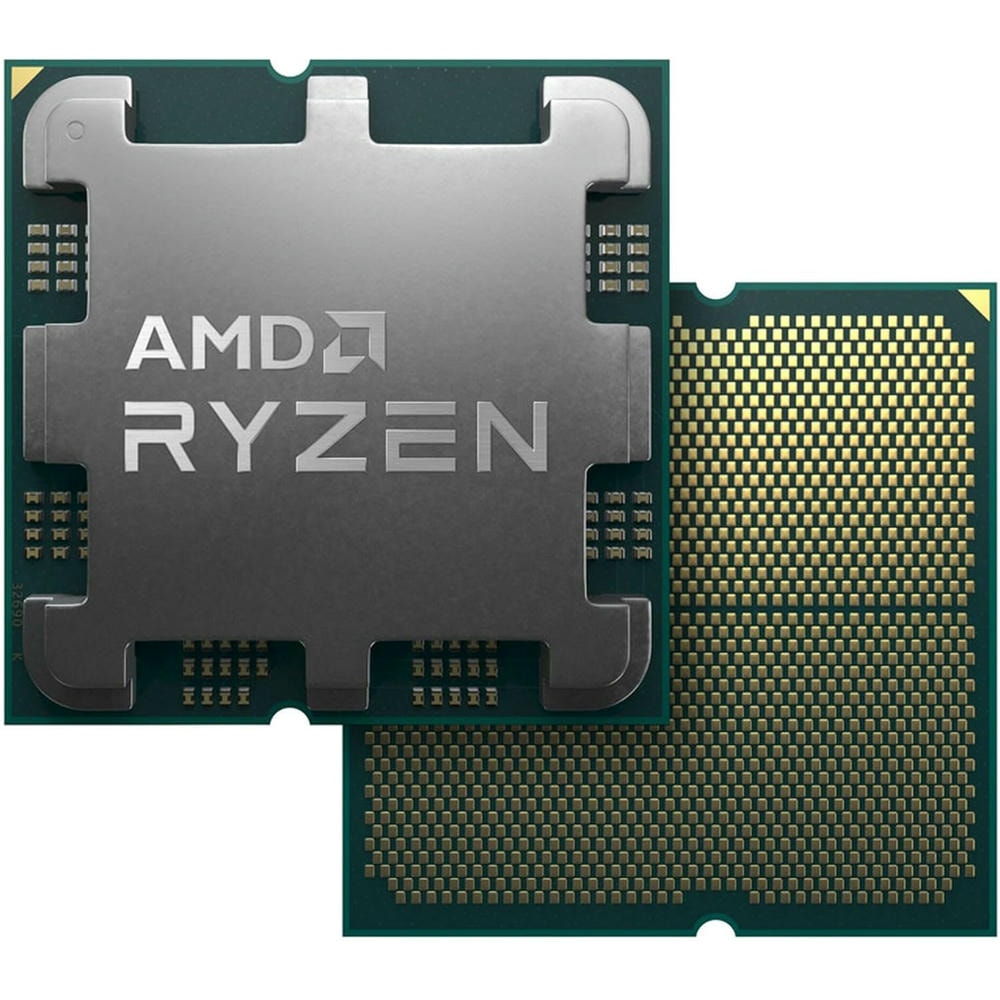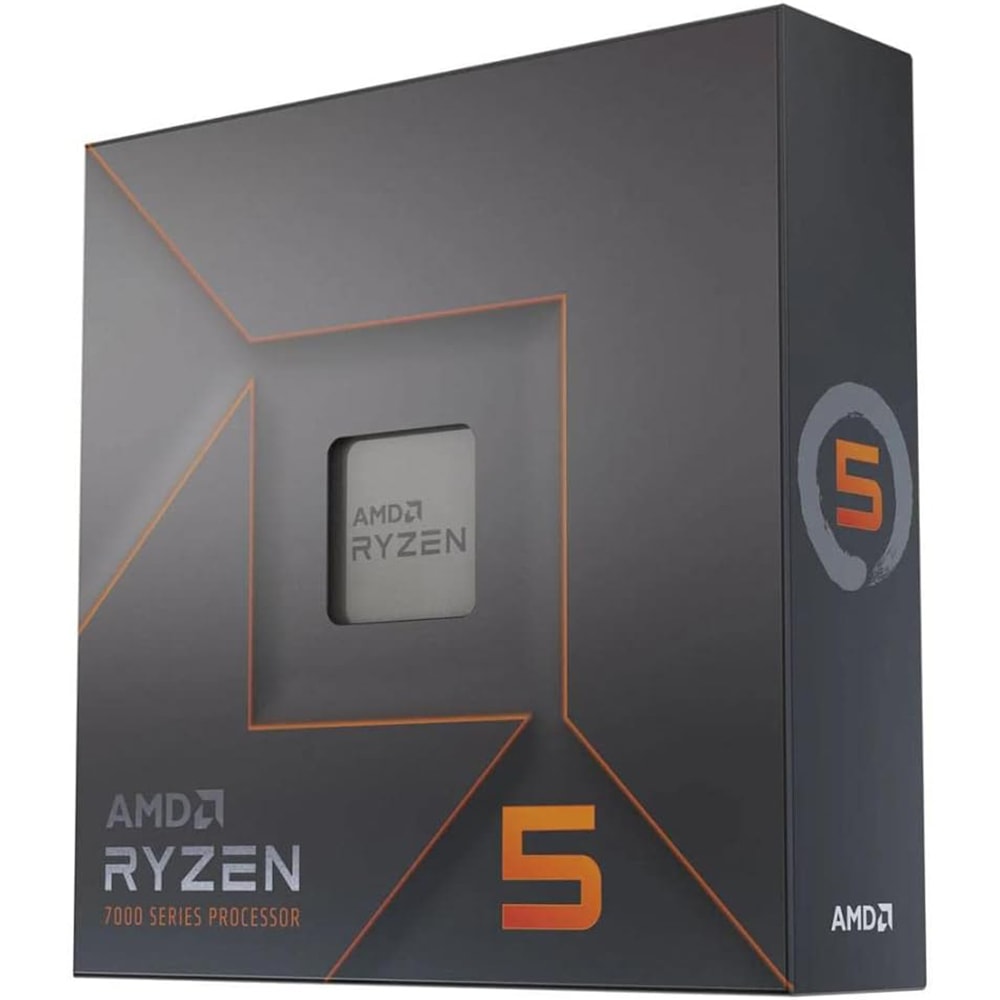
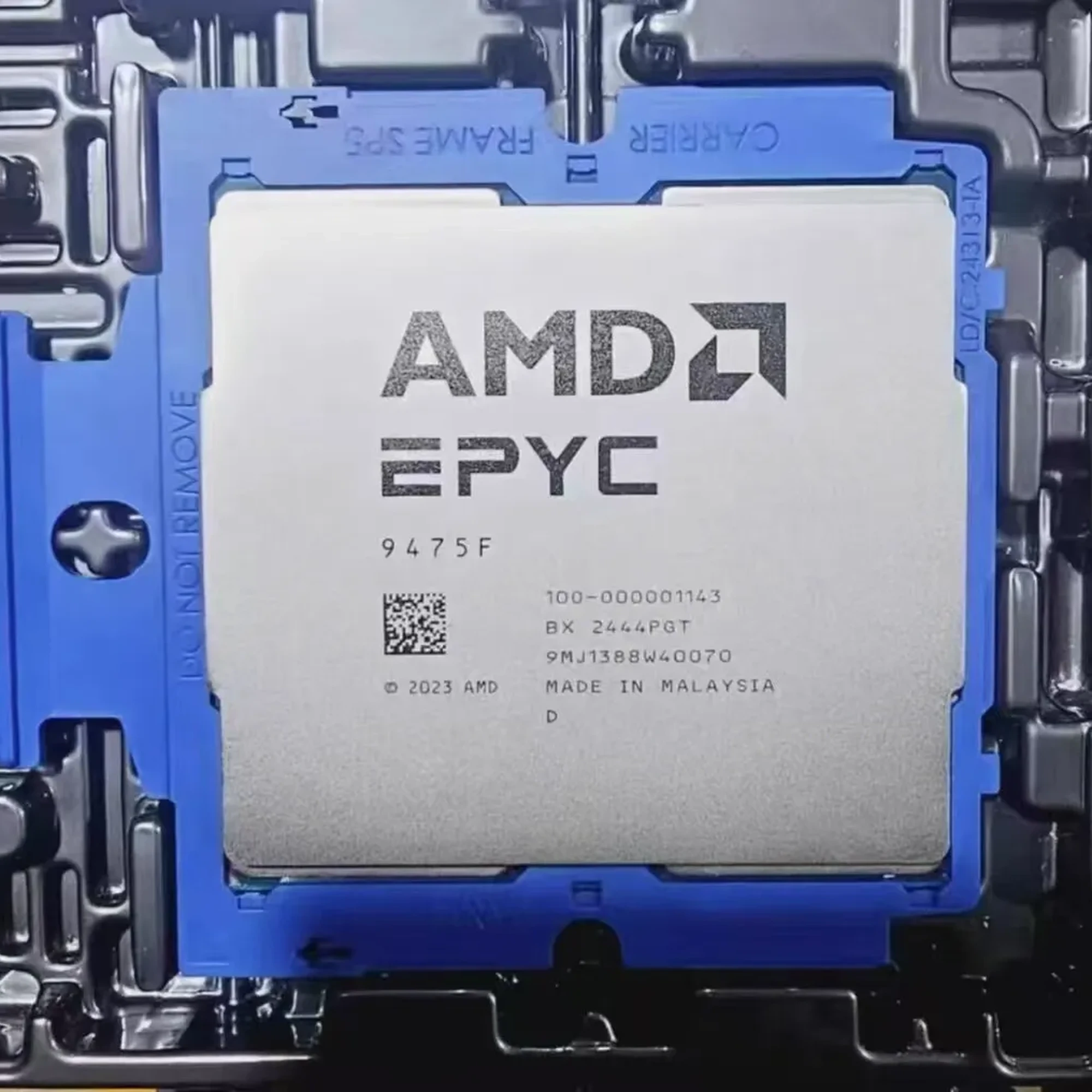

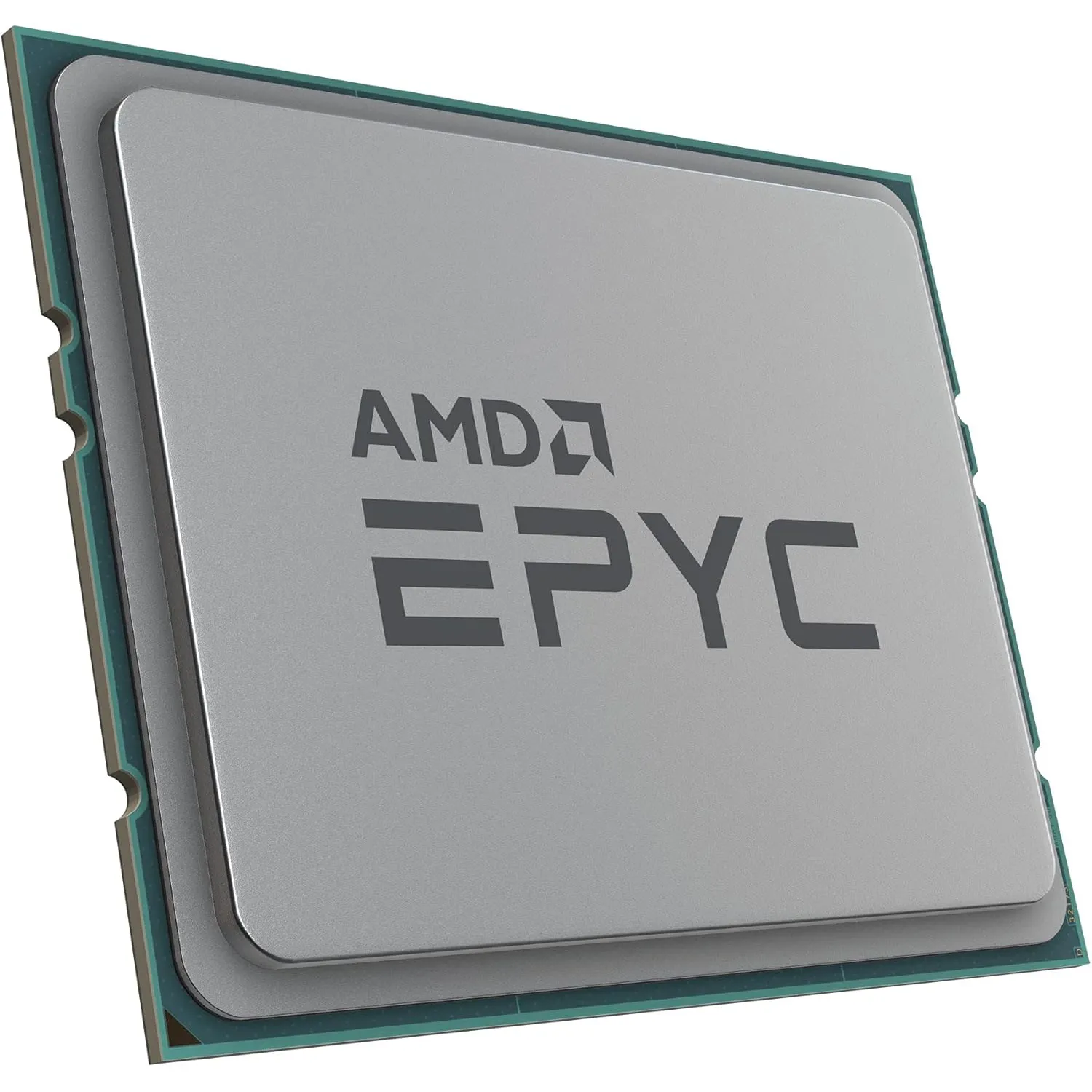
AMD EPYC 9754 4th Gen 9004 Series 128-Core Server CPU SP5 DDR5 PCIe 5.0
Overview of AMD EPYC 9754 4th Gen Processor
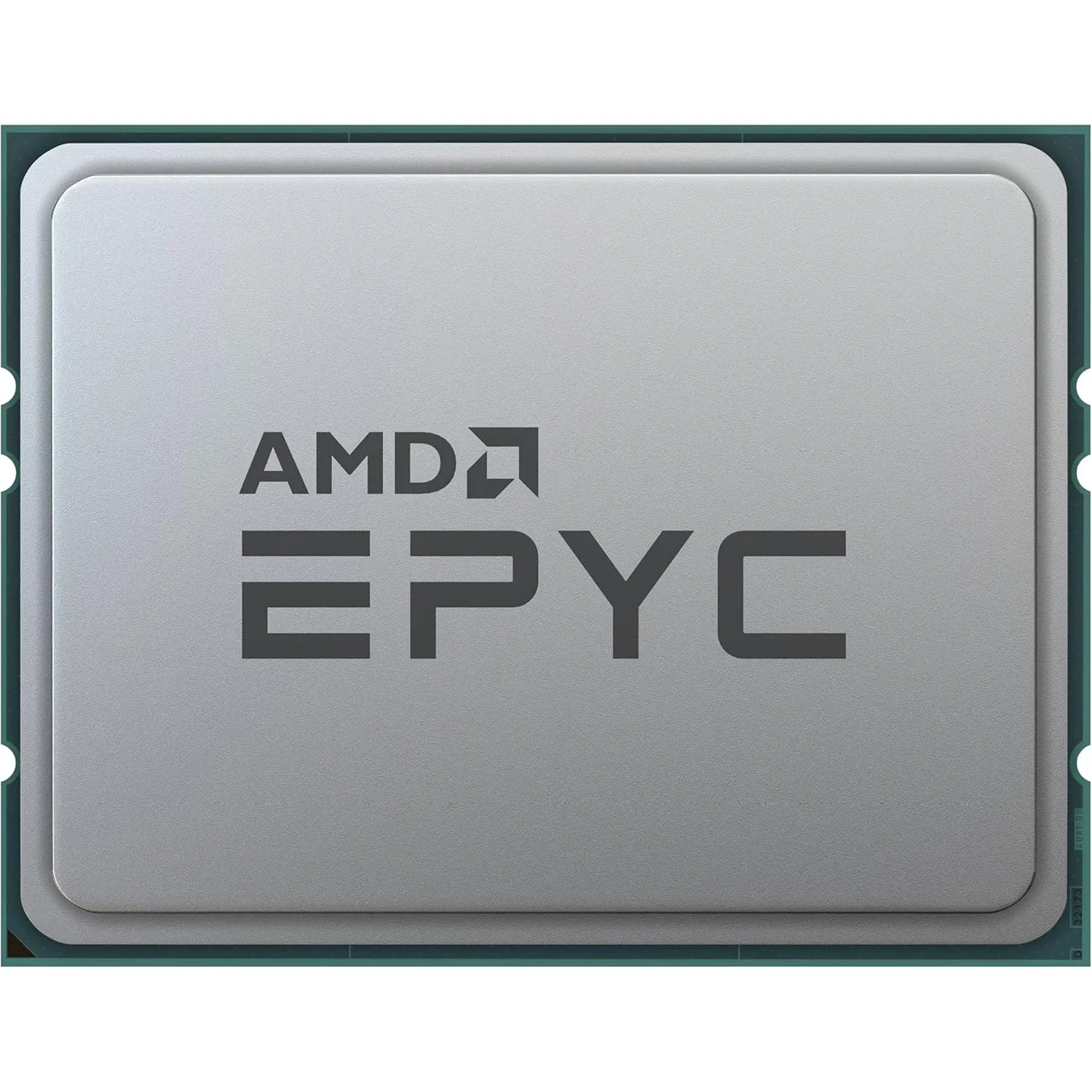
The AMD EPYC 9754 processor is part of the advanced 4th Generation EPYC 9004 Series, engineered to deliver exceptional performance, scalability, and efficiency for modern data centers. Built on the innovative Zen 4c architecture, this processor is specifically optimized for cloud-native environments, hyperscale deployments, and high-density computing workloads.
With 128 cores and 256 threads, the EPYC 9754 stands as one of the highest core-count x86 server processors available. It enables organizations to run more workloads per server, reduce infrastructure complexity, and achieve better total cost of ownership (TCO).
Ultra-High Core Density for Cloud Environments
One of the most significant advantages of the EPYC 9754 is its extreme core density. Featuring 128 cores with simultaneous multithreading (SMT), it can process up to 256 threads concurrently. This makes it ideal for cloud service providers and enterprises that require high virtual machine (VM) density.
The Zen 4c architecture is specifically designed for dense computing environments. It delivers optimized performance per watt while maintaining high throughput across multi-threaded workloads.
This processor is particularly well-suited for:
- Cloud-native applications
- Containerized workloads
- Virtual desktop infrastructure (VDI)
- Microservices architectures
By consolidating workloads onto fewer servers, businesses can significantly reduce operational costs and energy consumption.
Optimized Performance and Clock Speeds
The AMD EPYC 9754 offers a balanced performance profile, with a base clock of 2.25 GHz and a maximum boost clock of up to 3.1 GHz.
This ensures stable and consistent performance across all cores, especially in heavily parallelized workloads. The processor also supports an all-core boost frequency of 3.1 GHz, enabling sustained performance under full load conditions.
This makes it ideal for:
- Distributed computing
- High-performance simulations
- Web hosting and backend services
- AI inference and analytics
Its consistent frequency scaling ensures predictable performance, which is critical for enterprise applications.
Advanced Memory Architecture and Bandwidth
Memory performance is a critical factor in data center workloads, and the EPYC 9754 excels in this area. It supports:
- 12-channel DDR5 memory
- Memory speeds up to 4800 MT/s
- Up to 460.8 GB/s memory bandwidth per socket
This high bandwidth ensures that large datasets can be processed efficiently without bottlenecks.
Key benefits include:
- Faster data access for in-memory databases
- Improved performance in AI/ML workloads
- Enhanced responsiveness in real-time analytics
- Better scalability for enterprise applications
Additionally, ECC memory support enhances reliability and data integrity, making it suitable for mission-critical environments.
PCIe 5.0 and High-Speed Connectivity
The EPYC 9754 supports PCIe 5.0 with up to 128 lanes, providing industry-leading connectivity and data transfer speeds.
This enables seamless integration with modern hardware components such as:
- High-speed NVMe storage devices
- GPUs and AI accelerators
- High-bandwidth networking cards
PCIe 5.0 ensures that data centers are ready for next-generation infrastructure requirements, offering future-proof scalability and performance.
Energy Efficiency and Thermal Optimization
Despite its high core count, the EPYC 9754 is designed for efficiency. It features a default TDP of 360W, with configurable TDP ranging from 320W to 400W depending on deployment needs.
The Zen 4c architecture prioritizes performance per watt, enabling organizations to:
- Reduce energy consumption
- Lower cooling costs
- Improve sustainability metrics
This makes the processor an excellent choice for hyperscale environments where power efficiency is critical.
Scalability and Multi-Socket Support
The EPYC 9754 supports both single-socket (1P) and dual-socket (2P) configurations.
In dual-socket setups, organizations can achieve:
- Up to 256 cores per system
- Massive parallel processing capabilities
- Increased workload consolidation
This scalability allows businesses to expand their infrastructure without increasing complexity.
Enterprise-Level Security Features
Security is a key consideration in modern IT environments, and the EPYC 9754 includes AMD Infinity Guard technologies to protect sensitive data.
These features include:
- Secure Encrypted Virtualization (SEV)
- Memory encryption
- Secure boot
- Hardware-level isolation
These capabilities ensure that workloads remain secure in multi-tenant and cloud environments.
Workload Optimization and Use Cases
The AMD EPYC 9754 is optimized for a wide range of enterprise and cloud workloads.
Cloud Computing
High core density enables efficient multi-tenant environments and improved resource utilization.
Virtualization
Supports high VM density, reducing hardware requirements and improving efficiency.
High-Performance Computing (HPC)
Provides strong parallel processing capabilities for scientific simulations and engineering tasks.
Big Data Analytics
Handles large datasets efficiently with high memory bandwidth and processing power.
Content Delivery and Web Services
Ensures fast and reliable performance for web hosting and streaming platforms.
AMD Infinity Architecture Advantages
The EPYC 9754 leverages AMD Infinity Architecture, which enhances communication between cores, memory, and I/O components.
Benefits include:
- Low-latency interconnects
- Improved scalability
- Efficient data transfer
This architecture ensures optimal performance across complex workloads.
Future-Ready Data Center Platform
The AMD EPYC 9754 is designed with future technologies in mind. With support for DDR5, PCIe 5.0, and advanced security features, it provides a long-term solution for evolving data center requirements.
Organizations benefit from:
- Reduced total cost of ownership
- Long lifecycle support
- Compatibility with next-generation hardware
Conclusion
The AMD EPYC 9754 4th Gen 9004 Series processor is a powerful and efficient solution for modern data centers. With its 128 cores, advanced memory architecture, and high-speed connectivity, it delivers exceptional performance for cloud computing, virtualization, and high-performance workloads.
Its combination of scalability, efficiency, and enterprise-grade features makes it an ideal choice for businesses looking to optimize their infrastructure and prepare for future growth.
✅ Specifications
| Specification | Details |
|---|---|
| Processor Model | AMD EPYC 9754 |
| Architecture | Zen 4c (Bergamo) |
| Cores / Threads | 128 / 256 |
| Base Clock | 2.25 GHz |
| Max Boost Clock | Up to 3.1 GHz |
| All-Core Boost | 3.1 GHz |
| L3 Cache | 256 MB |
| TDP | 360W |
| Configurable TDP | 320W – 400W |
| Socket | SP5 |
| Process Technology | 5nm |
| Memory Type | DDR5 |
| Memory Channels | 12 |
| Max Memory Speed | Up to 4800 MT/s |
| Memory Bandwidth | 460.8 GB/s |
| PCIe Version | PCIe 5.0 |
| PCIe Lanes | 128 |
| Multi-Socket Support | 1P / 2P |
| Launch Date | June 13, 2023 |
4th Gen 9004 Series Model Specifications
Name | # of CPU Cores | # of Threads | Max. Boost Clock | Base Clock | L3 Cache | Default TDP |
|---|---|---|---|---|---|---|
| AMD EPYC™ 9754S | 128 | 128 | Up to 3.1 GHz | 2.25 GHz | 256 MB | 360W |
| AMD EPYC™ 9754 | 128 | 256 | Up to 3.1 GHz | 2.25 GHz | 256 MB | 360W |
| AMD EPYC™ 9734 | 112 | 224 | Up to 3 GHz | 2.2 GHz | 256 MB | 340W |
| AMD EPYC™ 9684X | 96 | 192 | Up to 3.7 GHz | 2.55 GHz | 1152 MB | 400W |
| AMD EPYC™ 9654P | 96 | 192 | Up to 3.7 GHz | 2.4 GHz | 384 MB | 360W |
| AMD EPYC™ 9654 | 96 | 192 | Up to 3.7 GHz | 2.4 GHz | 384 MB | 360W |
| AMD EPYC™ 9634 | 84 | 168 | Up to 3.7 GHz | 2.25 GHz | 384 MB | 290W |
| AMD EPYC™ 9554P | 64 | 128 | Up to 3.75 GHz | 3.1 GHz | 256 MB | 360W |
| AMD EPYC™ 9554 | 64 | 128 | Up to 3.75 GHz | 3.1 GHz | 256 MB | 360W |
| AMD EPYC™ 9534 | 64 | 128 | Up to 3.7 GHz | 2.45 GHz | 256 MB | 280W |
| AMD EPYC™ 9474F | 48 | 96 | Up to 4.1 GHz | 3.6 GHz | 256 MB | 360W |
| AMD EPYC™ 9454P | 48 | 96 | Up to 3.8 GHz | 2.75 GHz | 256 MB | 290W |
| AMD EPYC™ 9454 | 48 | 96 | Up to 3.8 GHz | 2.75 GHz | 256 MB | 290W |
| AMD EPYC™ 9384X | 32 | 64 | Up to 3.9 GHz | 3.1 GHz | 768 MB | 320W |
| AMD EPYC™ 9374F | 32 | 64 | Up to 4.3 GHz | 3.85 GHz | 256 MB | 320W |
| AMD EPYC™ 9354P | 32 | 64 | Up to 3.8 GHz | 3.25 GHz | 256 MB | 280W |
| AMD EPYC™ 9354 | 32 | 64 | Up to 3.8 GHz | 3.25 GHz | 256 MB | 280W |
| AMD EPYC™ 9334 | 32 | 64 | Up to 3.9 GHz | 2.7 GHz | 128 MB | 210W |
| AMD EPYC™ 9274F | 24 | 48 | Up to 4.3 GHz | 4.05 GHz | 256 MB | 320W |
| AMD EPYC™ 9254 | 24 | 48 | Up to 4.15 GHz | 2.9 GHz | 128 MB | 200W |
| AMD EPYC™ 9224 | 24 | 48 | Up to 3.7 GHz | 2.5 GHz | 64 MB | 200W |
| AMD EPYC™ 9184X | 16 | 32 | Up to 4.2 GHz | 3.55 GHz | 768 MB | 320W |
| AMD EPYC™ 9174F | 16 | 32 | Up to 4.4 GHz | 4.1 GHz | 256 MB | 320W |
| AMD EPYC™ 9124 | 16 | 32 | Up to 3.7 GHz | 3 GHz | 64 MB | 200W |