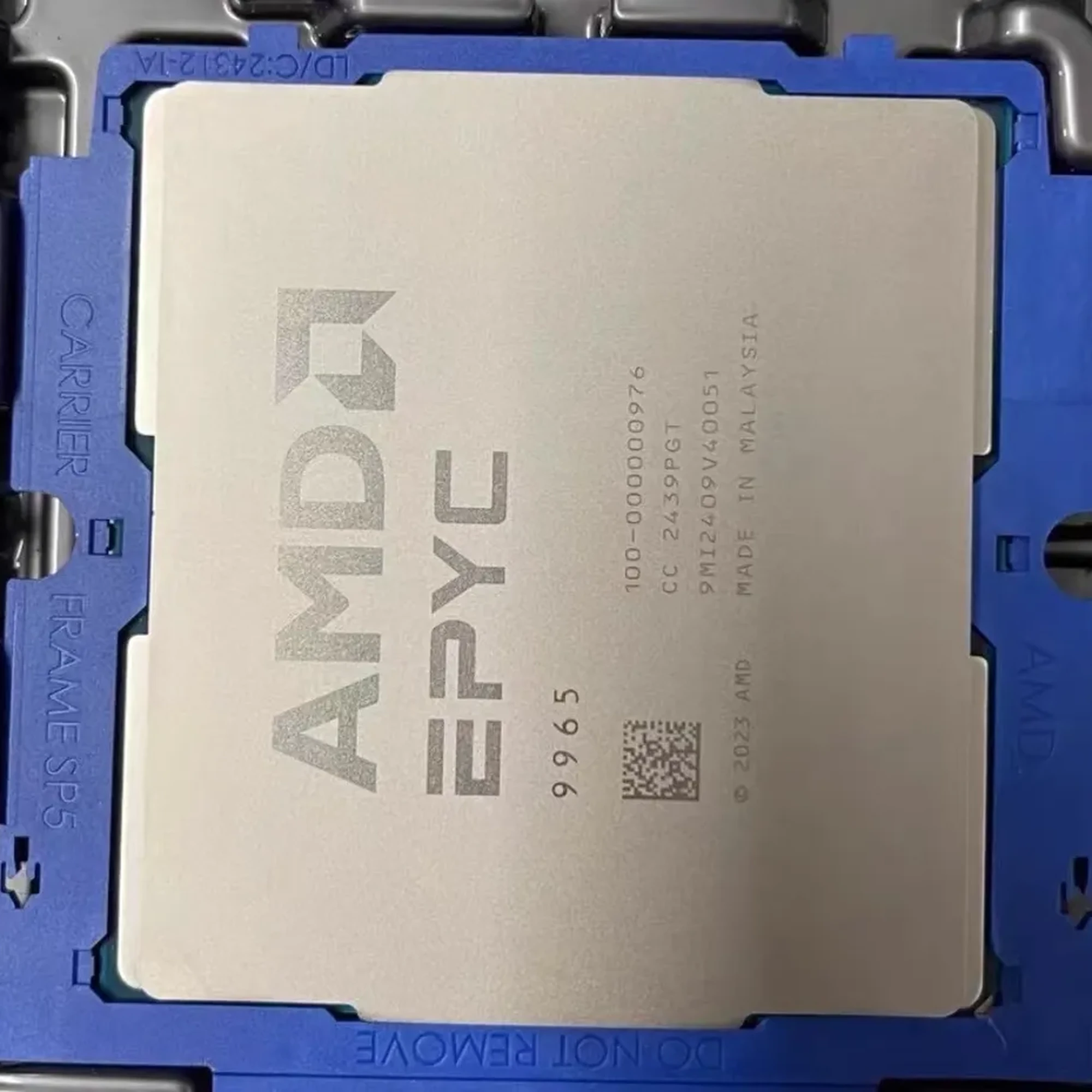

Introduction to AMD EPYC 9375F 5th Gen Processor
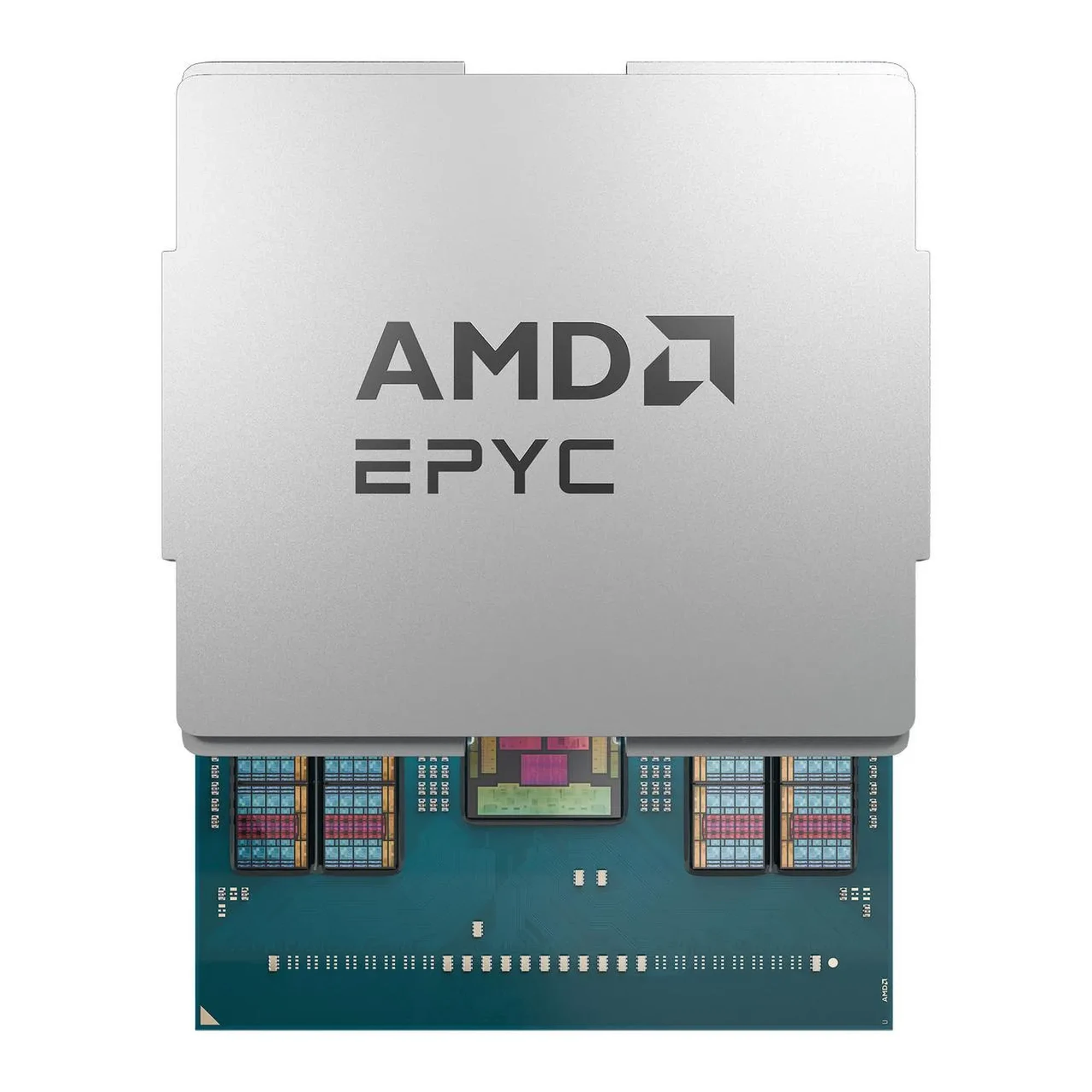
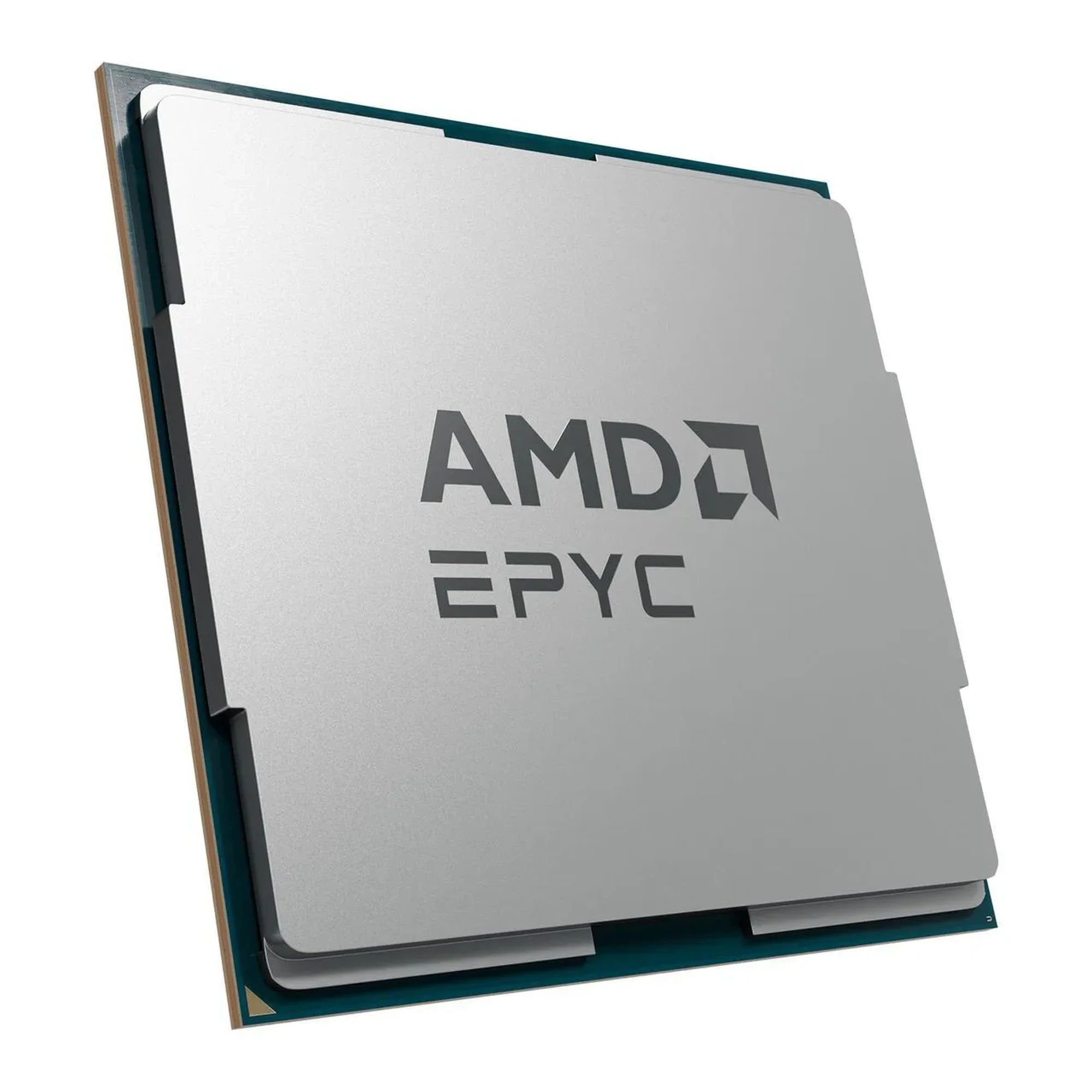
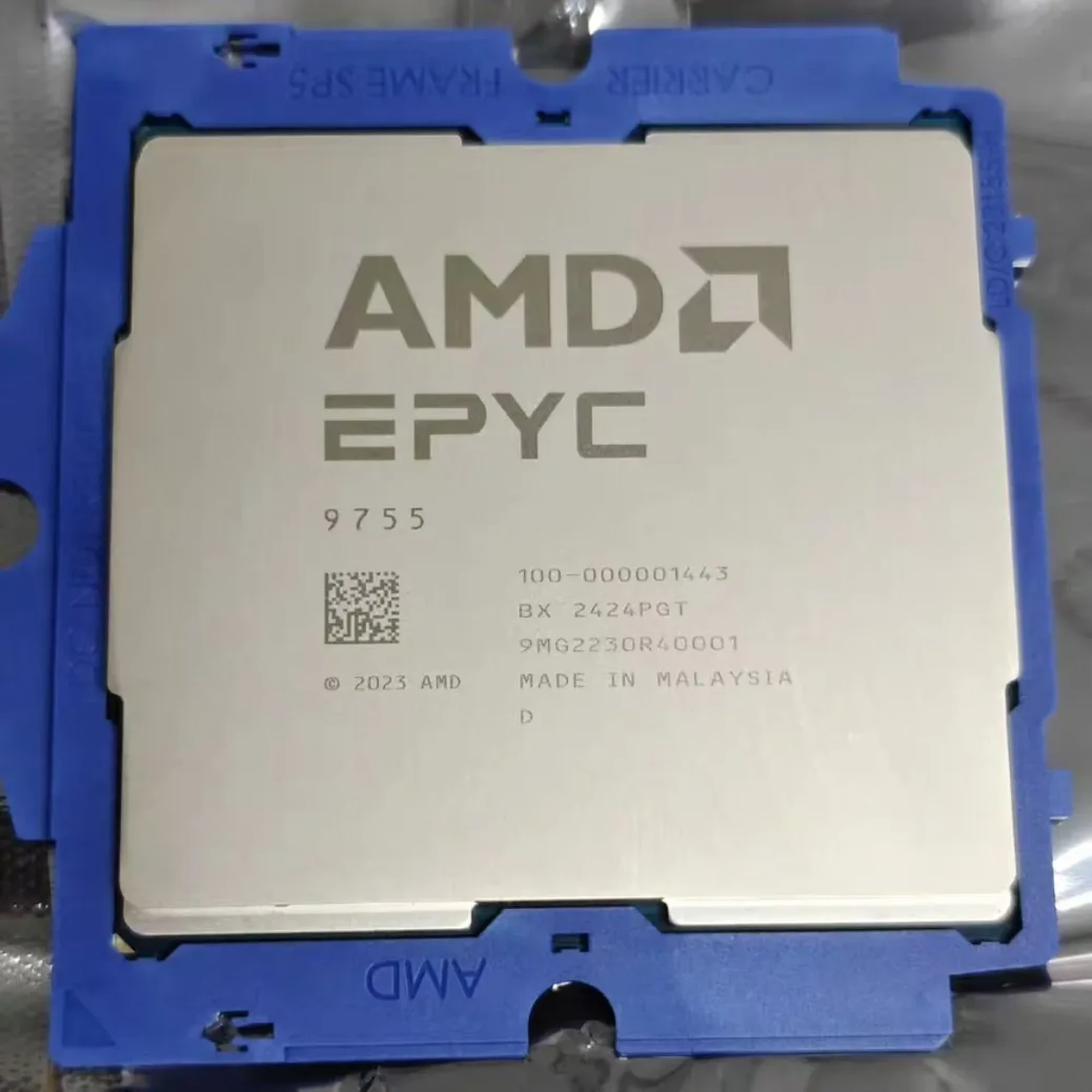
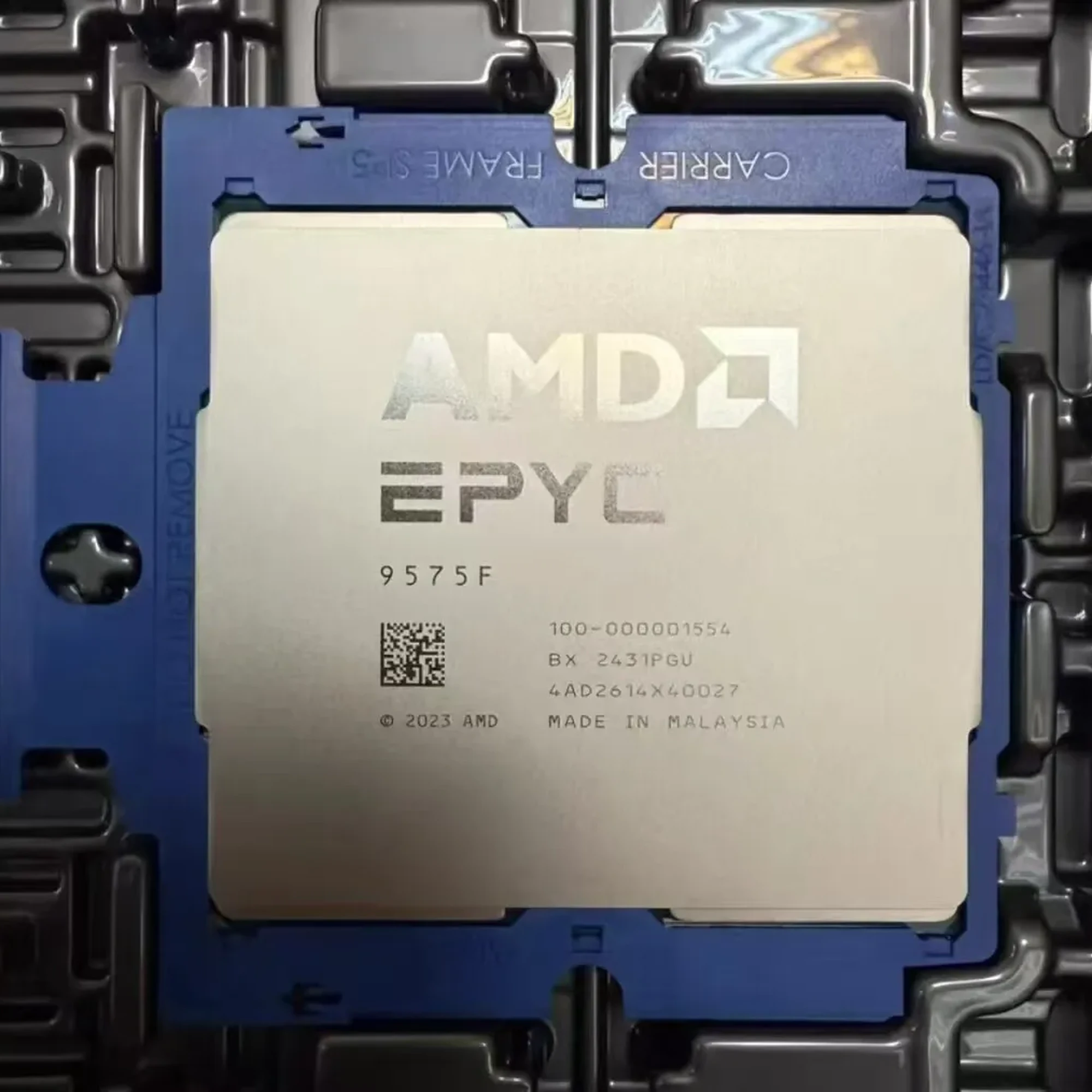
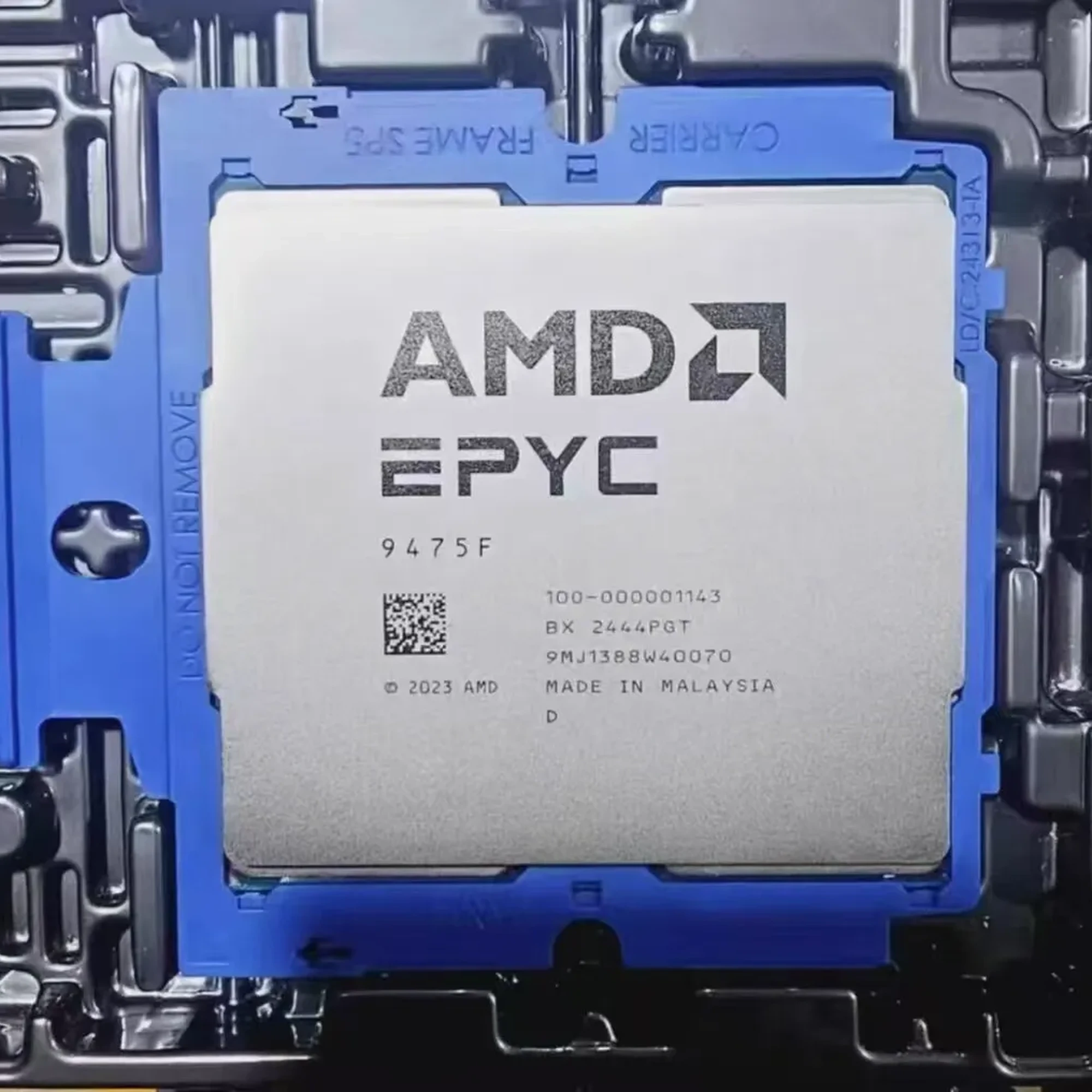
The AMD EPYC 9375F 5th Gen 9005 Series processor represents a powerful evolution in modern data center computing. Built on the advanced Zen 5 architecture, this CPU is engineered for businesses that demand high-frequency performance, efficiency, and scalability across enterprise workloads.
With 32 cores and 64 threads, the EPYC 9375F strikes a balance between strong multi-core capabilities and exceptional per-core performance. Its high base clock and boost frequencies make it particularly suitable for applications that benefit from faster processing speeds, such as databases, virtualization, and high-performance computing (HPC).
Released in late 2024, this processor is part of AMD’s next-generation EPYC 9005 family, offering significant improvements over previous generations in terms of throughput, memory bandwidth, and overall efficiency.
Zen 5 Architecture: Next-Level Efficiency
At the heart of the EPYC 9375F lies the Zen 5 microarchitecture, built using advanced 4nm process technology. This architecture delivers higher instructions per cycle (IPC), improved power efficiency, and better workload optimization compared to previous Zen generations.
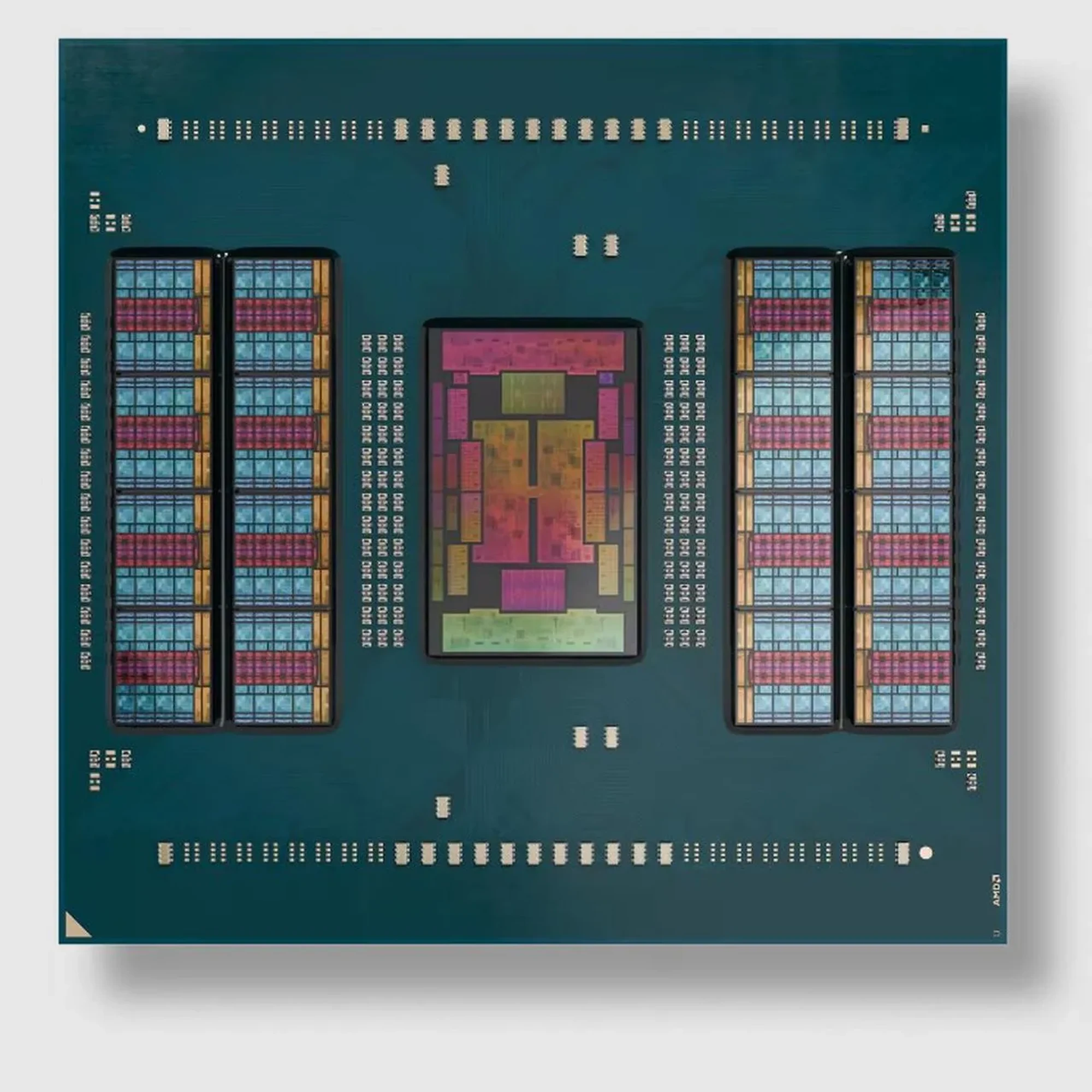
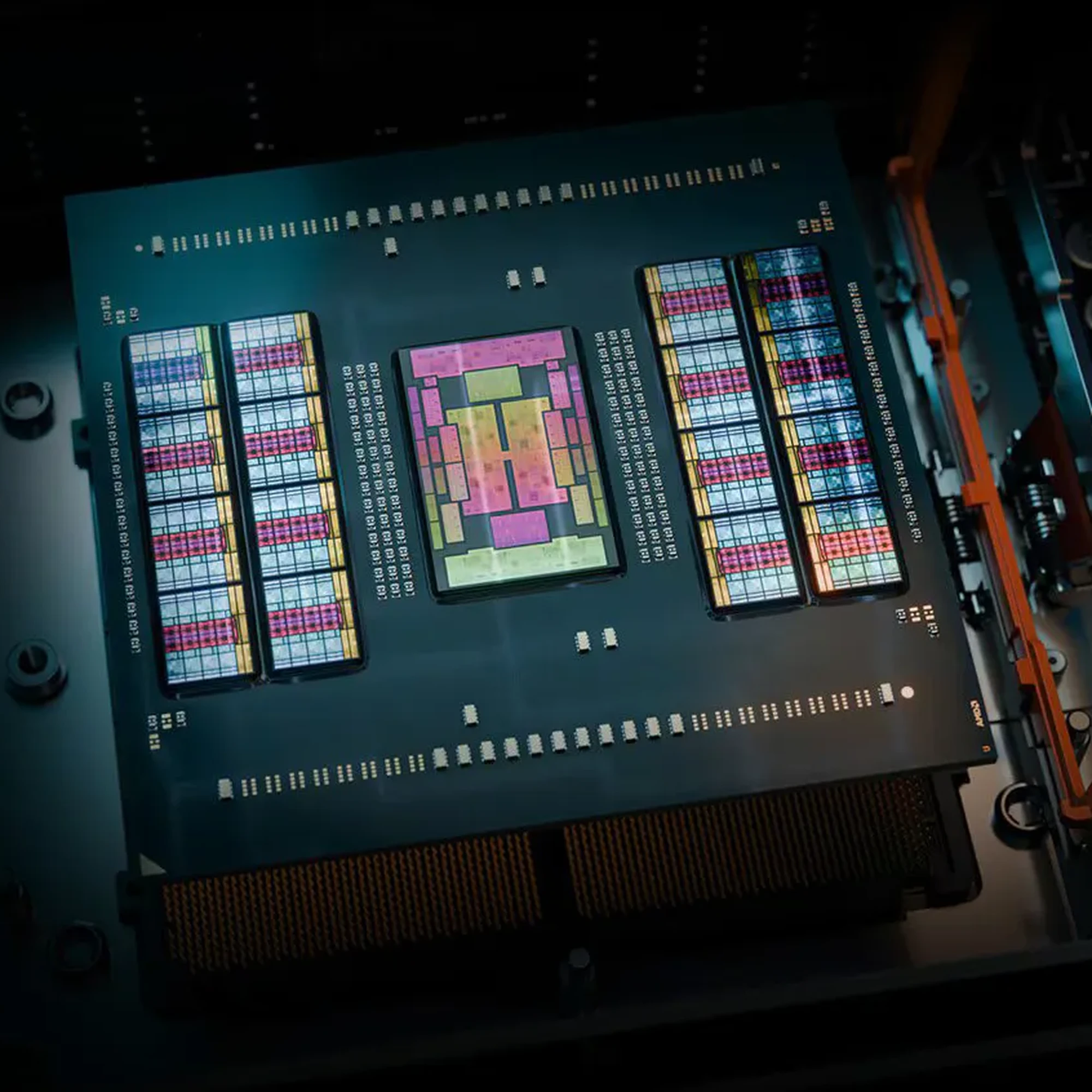
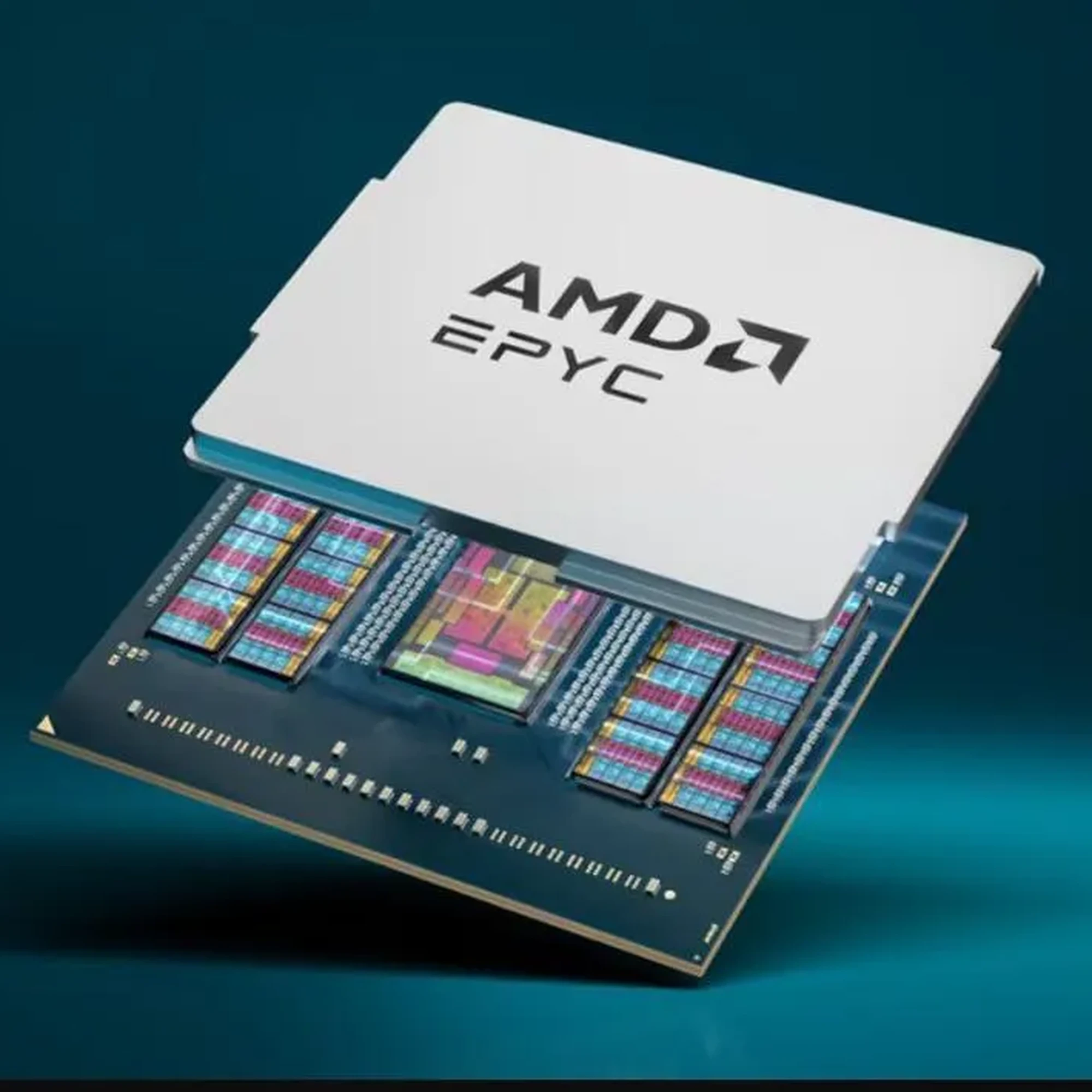
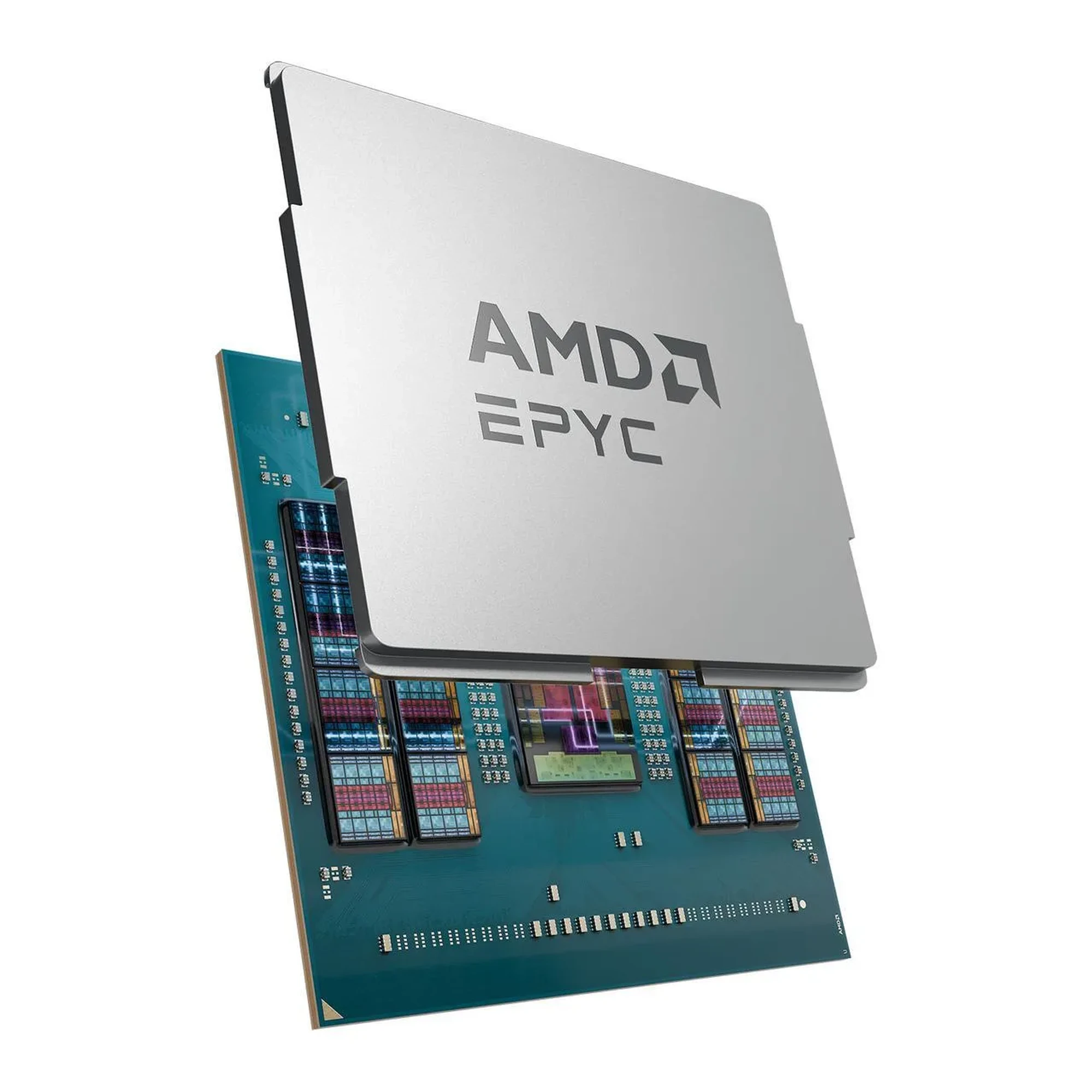
The processor uses a chiplet-based design, combining multiple compute dies with a central I/O die. This modular approach enables better scalability and improved thermal distribution, ensuring consistent performance even under heavy workloads.
Zen 5 also enhances AI acceleration capabilities and supports advanced instruction sets, making it suitable for modern applications such as machine learning, analytics, and real-time data processing.
High-Frequency Performance Advantage
One of the defining features of the EPYC 9375F is its high-frequency design. Unlike standard server CPUs that prioritize core count, the “F” series is optimized for higher clock speeds.
- Base clock: ~3.8 GHz
- Boost clock: up to ~4.8 GHz
This makes it ideal for:
- Database workloads (SQL, Oracle)
- Virtual desktop infrastructure (VDI)
- Enterprise applications with per-core licensing
- Financial modeling and simulations
High clock speeds reduce latency and improve responsiveness, especially in environments where performance per core is critical.
Core and Thread Configuration
The AMD EPYC 9375F features:
- 32 cores
- 64 threads
This configuration allows it to handle both parallel workloads and high-speed single-threaded tasks efficiently. The processor’s simultaneous multithreading (SMT) capability ensures optimal utilization of computing resources.
Compared to higher-core-count CPUs, the 9375F offers a balanced approach, making it a cost-effective solution for businesses that prioritize performance per core rather than sheer core density.
Massive Cache for Data-Intensive Workloads
Cache memory plays a critical role in reducing latency and improving processing efficiency. The EPYC 9375F is equipped with:
- L1 Cache: 80 KB per core
- L2 Cache: 1 MB per core
- L3 Cache: 256 MB shared
The large 256MB L3 cache ensures rapid data access for demanding applications, minimizing the need to fetch data from slower system memory.
This is particularly beneficial for:
- Large databases
- Real-time analytics
- Scientific simulations
Advanced Memory Support
Memory performance is a key factor in server environments, and the EPYC 9375F excels in this area.
Key memory features include:
- 12-channel DDR5 memory support
- Up to 6TB memory capacity
- ECC (Error-Correcting Code) support
- Up to 6000 MT/s memory speed
The 12-channel architecture significantly increases memory bandwidth, allowing faster data transfer and improved performance in memory-intensive workloads.
This makes the processor ideal for:
- In-memory databases
- Virtualization platforms
- Big data analytics
PCIe 5.0 and Expansion Capabilities
The EPYC 9375F supports the latest PCIe 5.0 standard with up to 128 lanes.
Benefits include:
- Faster data transfer speeds
- Support for next-gen GPUs and storage
- Enhanced scalability for enterprise systems
With PCIe 5.0, organizations can future-proof their infrastructure and take advantage of cutting-edge hardware innovations.
Energy Efficiency and Thermal Design
Despite its high performance, the EPYC 9375F maintains efficient power consumption with:
- TDP: 320W
- Configurable TDP: up to 400W
The processor is designed to deliver maximum performance per watt, reducing operational costs in data centers.
Advanced power management features help optimize energy usage without compromising performance, making it suitable for large-scale deployments.
Enterprise and Cloud Workload Optimization
The EPYC 9375F is optimized for a wide range of enterprise workloads, including:
Database Management
High clock speeds and large cache sizes improve query performance and transaction processing.
Virtualization
Supports multiple virtual machines efficiently with high memory bandwidth and thread count.
Cloud Computing
Provides scalable performance for cloud-native applications and containerized environments.
High-Performance Computing (HPC)
Handles complex simulations and computations with ease.
Performance tests show noticeable improvements in transactional workloads compared to previous-generation processors, making it a strong choice for enterprise IT environments.
Security and Reliability Features
AMD EPYC processors are known for their robust security features, and the 9375F is no exception.
Key features include:
- AMD Infinity Guard security suite
- Secure encrypted virtualization (SEV)
- Memory encryption
- Hardware-level security protections
These features ensure data integrity and protection against modern cyber threats, making the processor suitable for sensitive enterprise environments.
Dual-Socket Scalability
The EPYC 9375F supports dual-socket configurations, allowing organizations to scale performance further.
Benefits include:
- Increased core count and memory capacity
- Enhanced redundancy and reliability
- Greater flexibility for large workloads
This scalability makes it ideal for growing businesses and enterprise data centers.
Comparison with Previous Generation
Compared to its predecessor (EPYC 9374F), the 9375F offers:
- Improved performance per core
- Higher efficiency
- Better memory bandwidth
- Enhanced workload optimization
Benchmark results indicate up to ~15–16% improvement in certain workloads, especially database operations.
Ideal Use Cases
The AMD EPYC 9375F is best suited for:
- Enterprise data centers
- Cloud service providers
- Financial institutions
- AI and analytics workloads
- Virtualization environments
Its combination of high frequency and balanced core count makes it particularly effective for workloads that require strong single-thread and multi-thread performance.
Conclusion
The AMD EPYC 9375F 5th Gen 9005 Series processor is a powerful and versatile solution for modern enterprise computing. With its Zen 5 architecture, high clock speeds, large cache, and advanced memory support, it delivers exceptional performance across a wide range of workloads.
Whether deployed in cloud environments, enterprise data centers, or high-performance computing systems, the EPYC 9375F provides the reliability, scalability, and efficiency needed to meet today’s demanding computing challenges.
Specifications Sheet
| Specification | Details |
|---|---|
| Processor Name | AMD EPYC 9375F |
| Series | EPYC 9005 (5th Gen) |
| Architecture | Zen 5 |
| Cores | 32 |
| Threads | 64 |
| Base Clock | 3.8 GHz |
| Max Boost Clock | Up to 4.8 GHz |
| Socket | SP5 |
| Manufacturing Process | 4nm |
| L1 Cache | 80 KB per core |
| L2 Cache | 1 MB per core |
| L3 Cache | 256 MB |
| Memory Type | DDR5 |
| Memory Channels | 12 |
| Max Memory | Up to 6TB |
| PCIe Version | PCIe 5.0 |
| PCIe Lanes | 128 |
| TDP | 320W (up to 400W configurable) |
| ECC Support | Yes |
| Multi-Socket Support | Up to 2P |
| Integrated Graphics | No |
5th Gen AMD EPYC Server CPUs Model Specifications
Name | # of CPU Cores | # of Threads | Max. Boost Clock | Base Clock | L3 Cache | Default TDP |
|---|---|---|---|---|---|---|
| AMD EPYC™ 9965 | 192 | 384 | Up to 3.7 GHz | 2.25 GHz | 384 MB | 500W |
| AMD EPYC™ 9845 | 160 | 320 | Up to 3.7 GHz | 2.1 GHz | 320 MB | 390W |
| AMD EPYC™ 9825 | 144 | 288 | Up to 3.7 GHz | 2.2 GHz | 384 MB | 390W |
| AMD EPYC™ 9755 | 128 | 256 | Up to 4.1 GHz | 2.7 GHz | 512 MB | 500W |
| AMD EPYC™ 9745 | 128 | 256 | Up to 3.7 GHz | 2.4 GHz | 256 MB | 400W |
| AMD EPYC™ 9655P | 96 | 192 | Up to 4.5 GHz | 2.6 GHz | 384 MB | 400W |
| AMD EPYC™ 9655 | 96 | 192 | Up to 4.5 GHz | 2.6 GHz | 384 MB | 400W |
| AMD EPYC™ 9645 | 96 | 192 | Up to 3.7 GHz | 2.3 GHz | 256 MB | 320W |
| AMD EPYC™ 9575F | 64 | 128 | Up to 5 GHz | 3.3 GHz | 256 MB | 400W |
| AMD EPYC™ 9565 | 72 | 144 | Up to 4.3 GHz | 3.15 GHz | 384 MB | 400W |
| AMD EPYC™ 9555P | 64 | 128 | Up to 4.4 GHz | 3.2 GHz | 256 MB | 360W |
| AMD EPYC™ 9555 | 64 | 128 | Up to 4.4 GHz | 3.2 GHz | 256 MB | 360W |
| AMD EPYC™ 9535 | 64 | 128 | Up to 4.3 GHz | 2.4 GHz | 256 MB | 300W |
| AMD EPYC™ 9475F | 48 | 96 | Up to 4.8 GHz | 3.65 GHz | 256 MB | 400W |
| AMD EPYC™ 9455P | 48 | 96 | Up to 4.4 GHz | 3.15 GHz | 256 MB | 300W |
| AMD EPYC™ 9455 | 48 | 96 | Up to 4.4 GHz | 3.15 GHz | 256 MB | 300W |
| AMD EPYC™ 9375F | 32 | 64 | Up to 4.8 GHz | 3.8 GHz | 256 MB | 320W |
| AMD EPYC™ 9365 | 36 | 72 | Up to 4.3 GHz | 3.4 GHz | 192 MB | 300W |
| AMD EPYC™ 9355P | 32 | 64 | Up to 4.4 GHz | 3.55 GHz | 256 MB | 280W |
| AMD EPYC™ 9355 | 32 | 64 | Up to 4.4 GHz | 3.55 GHz | 256 MB | 280W |
| AMD EPYC™ 9335 | 32 | 64 | Up to 4.4 GHz | 3 GHz | 128 MB | 210W |
| AMD EPYC™ 9275F | 24 | 48 | Up to 4.8 GHz | 4.1 GHz | 256 MB | 320W |
| AMD EPYC™ 9255 | 24 | 48 | Up to 4.3 GHz | 3.2 GHz | 128 MB | 200W |
| AMD EPYC™ 9175F | 16 | 32 | Up to 5 GHz | 4.2 GHz | 512 MB | 320W |
| AMD EPYC™ 9135 | 16 | 32 | Up to 4.3 GHz | 3.65 GHz | 64 MB | 200W |
| AMD EPYC™ 9115 | 16 | 32 | Up to 4.1 GHz | 2.6 GHz | 64 MB | 125W |
| AMD EPYC™ 9015 | 8 | 16 | Up to 4.1 GHz | 3.6 GHz | 64 MB | 125W |