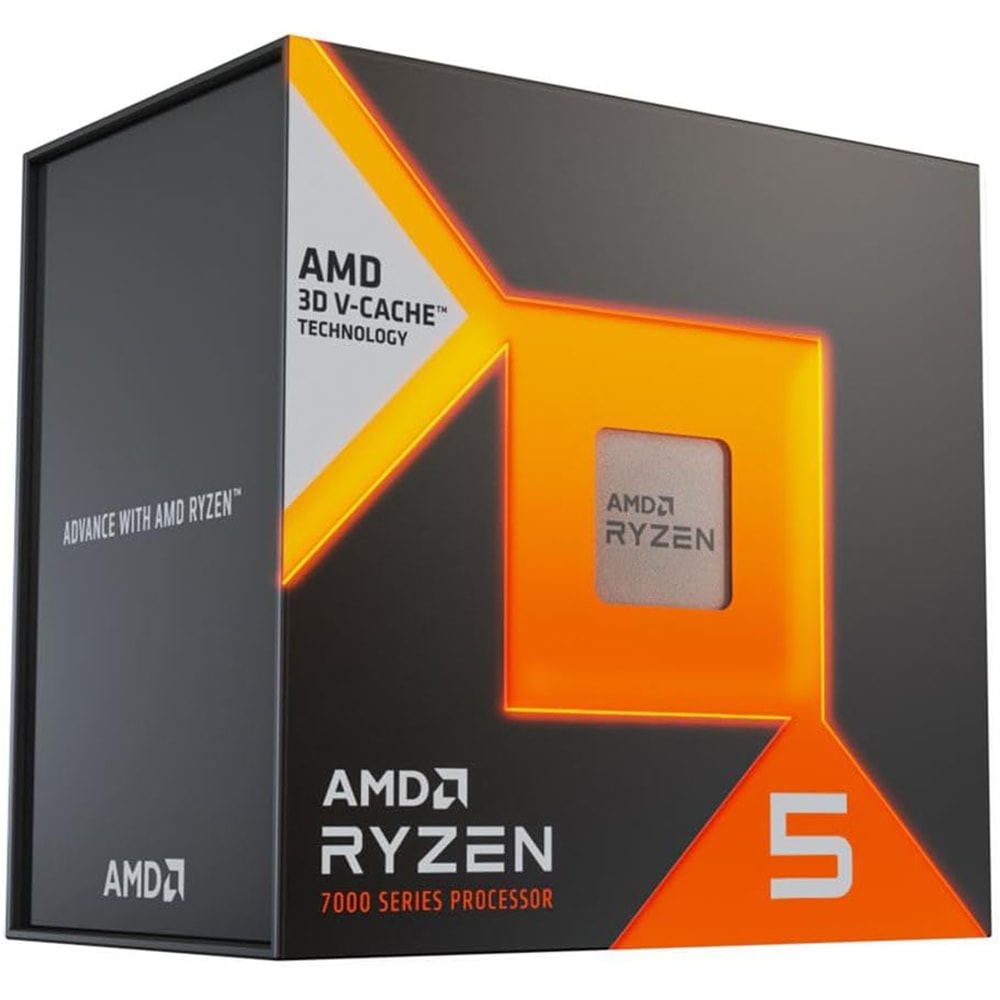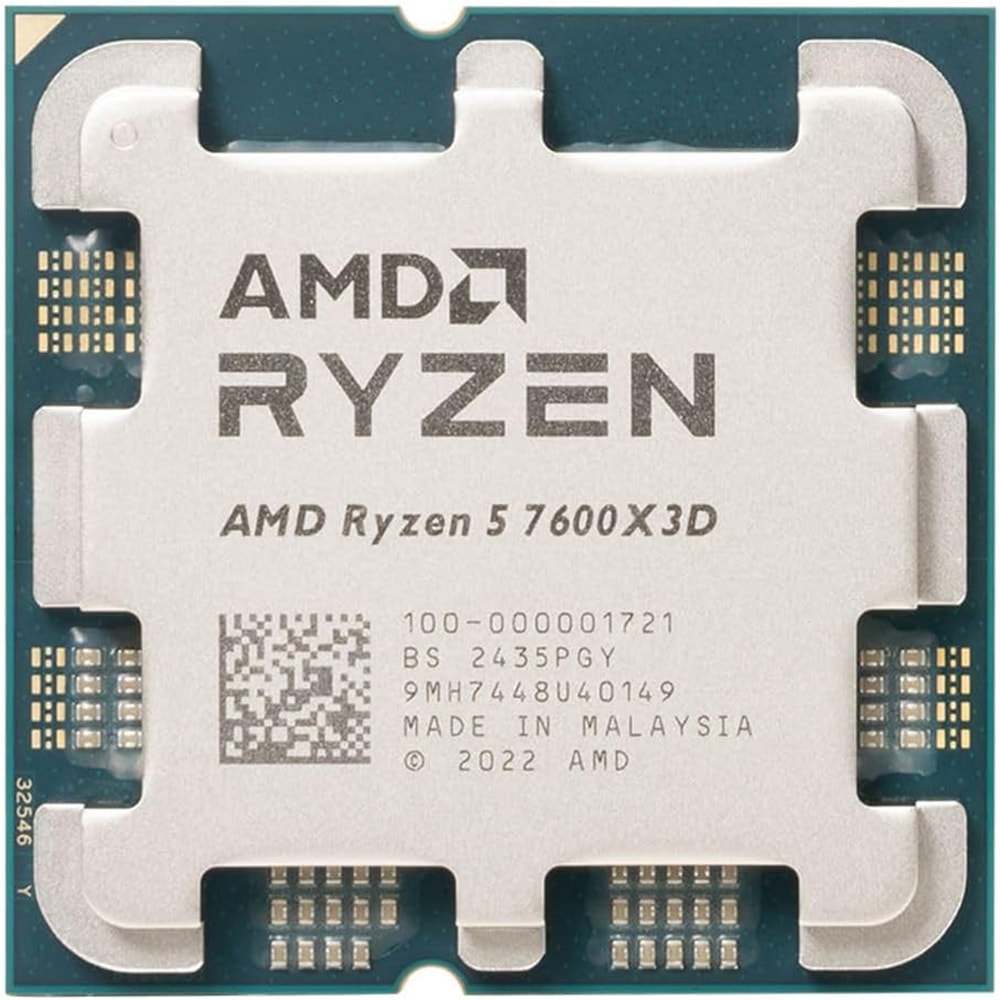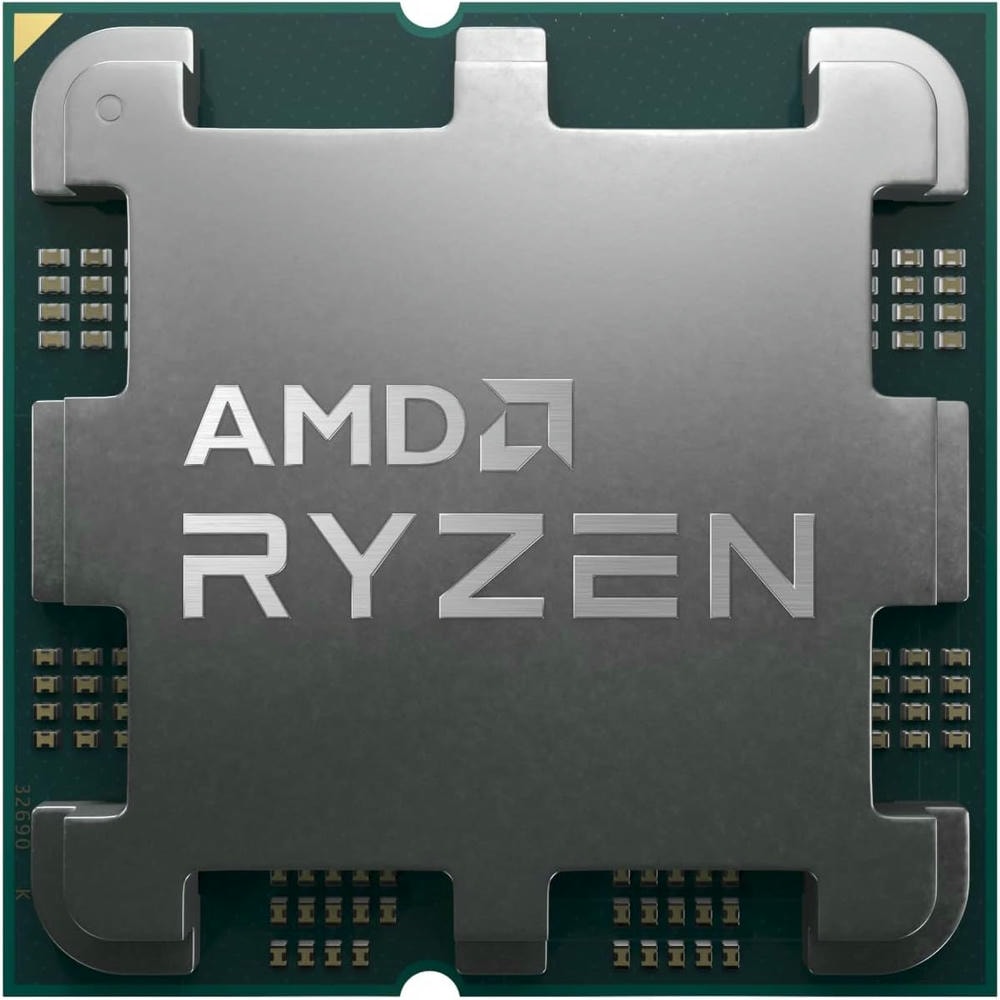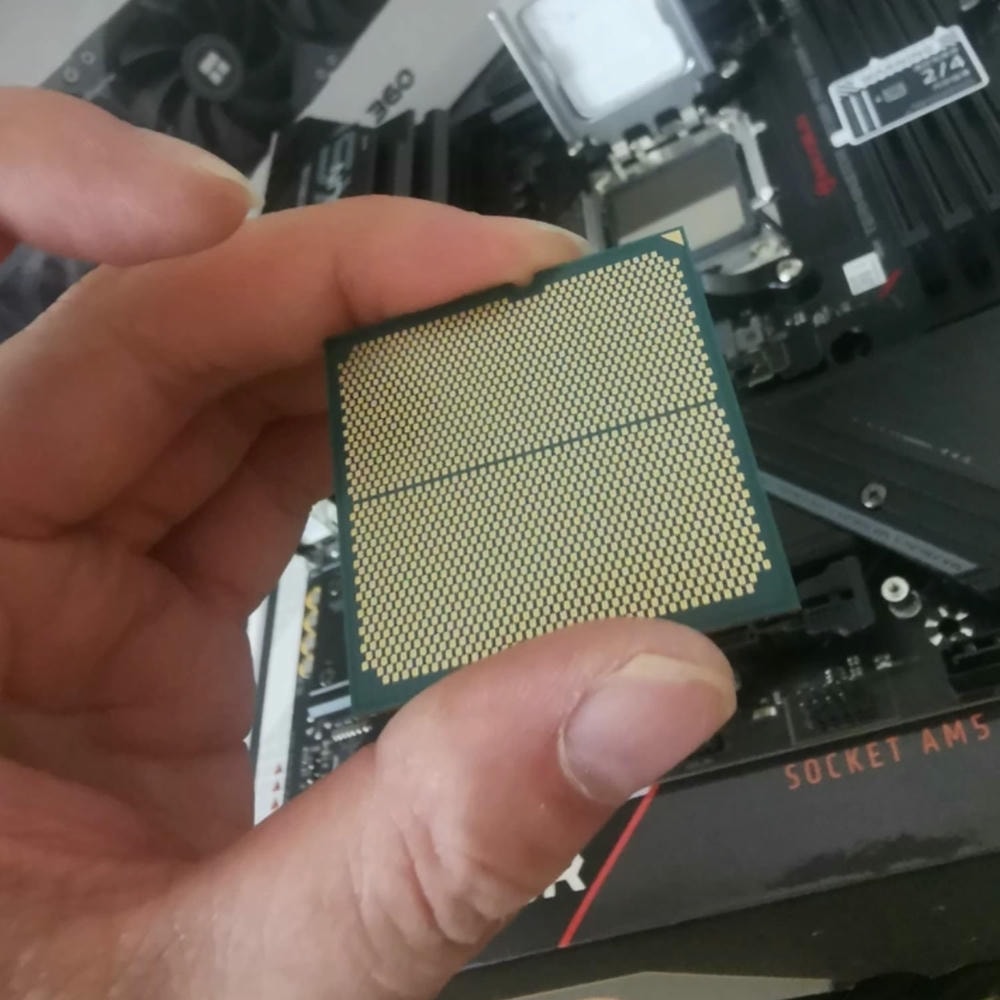
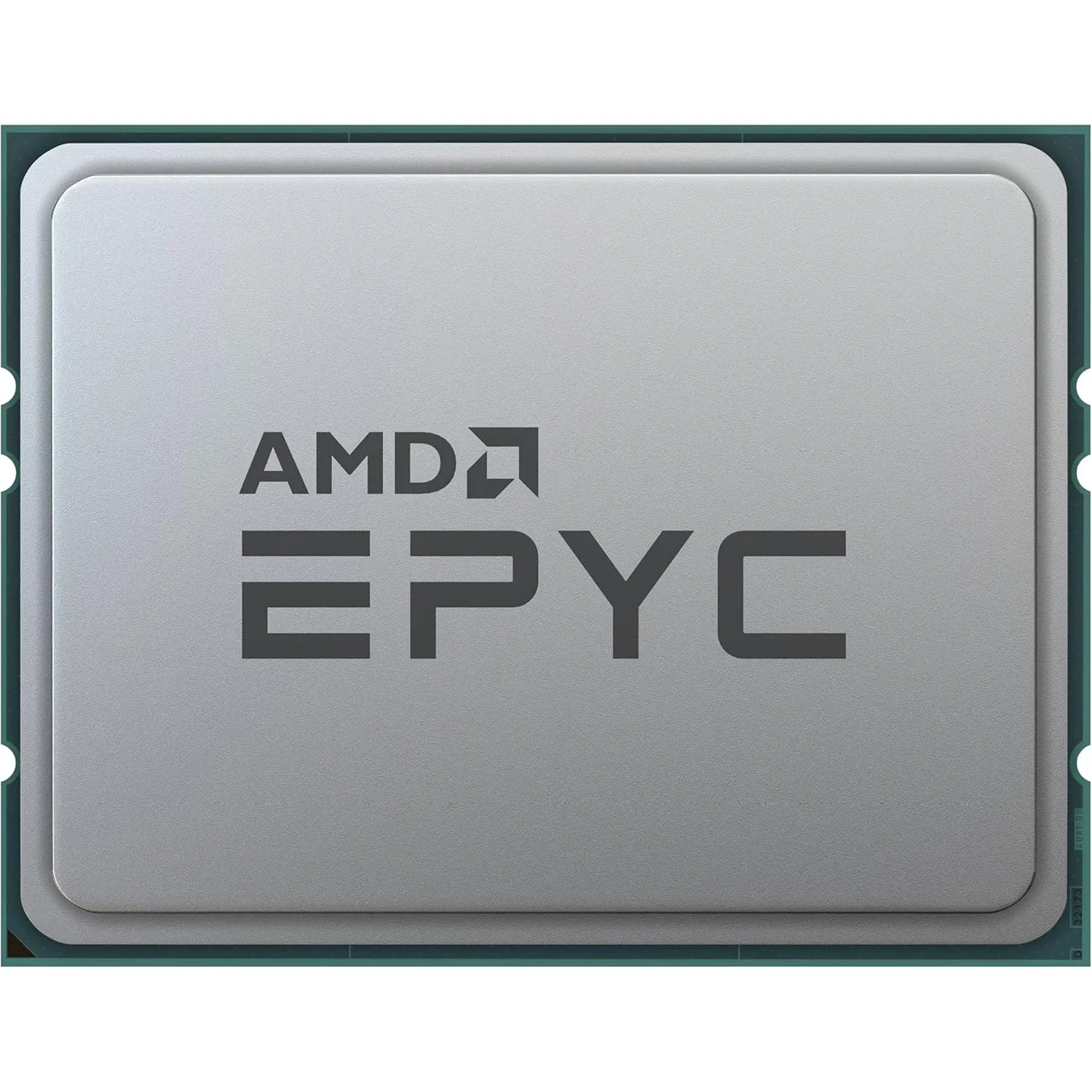
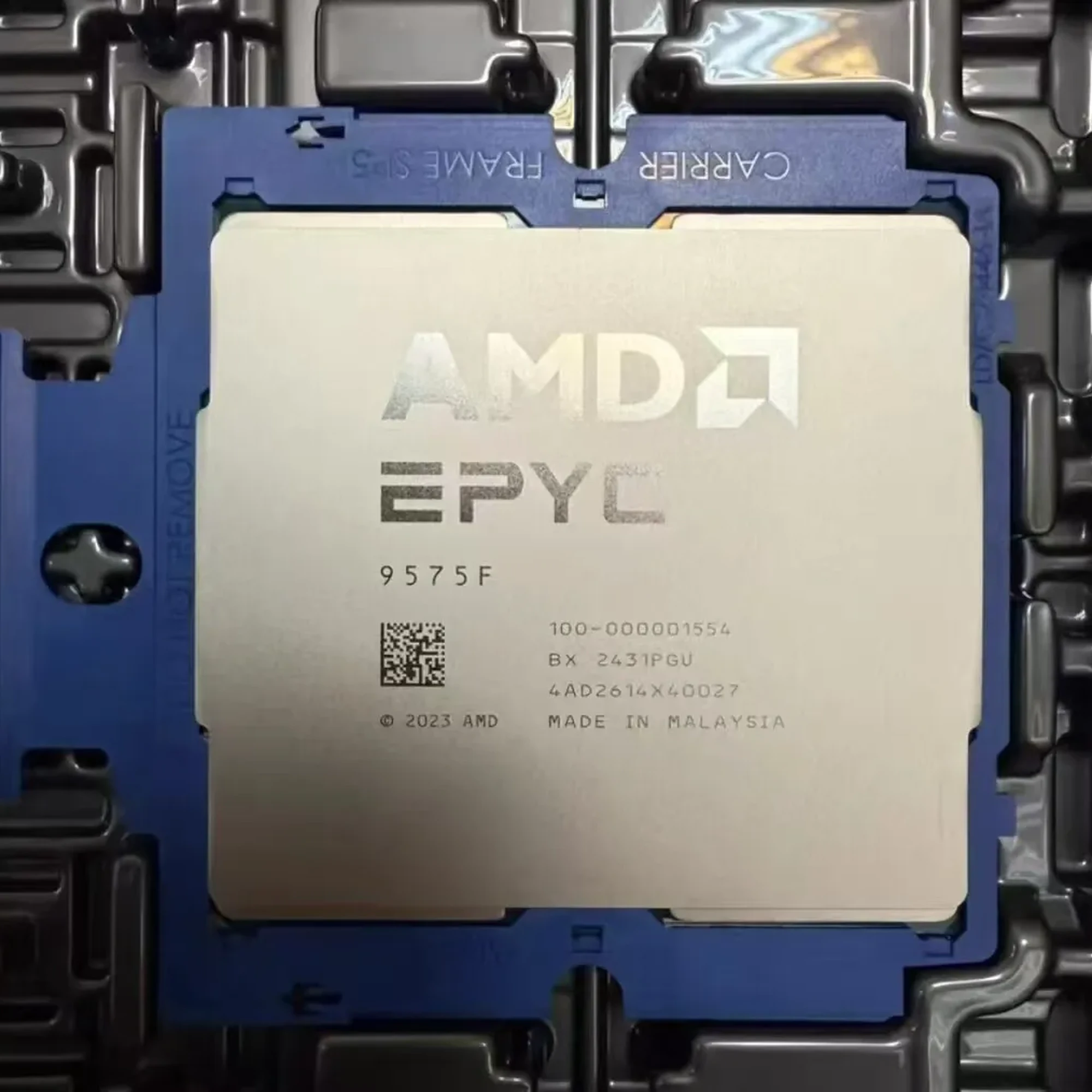
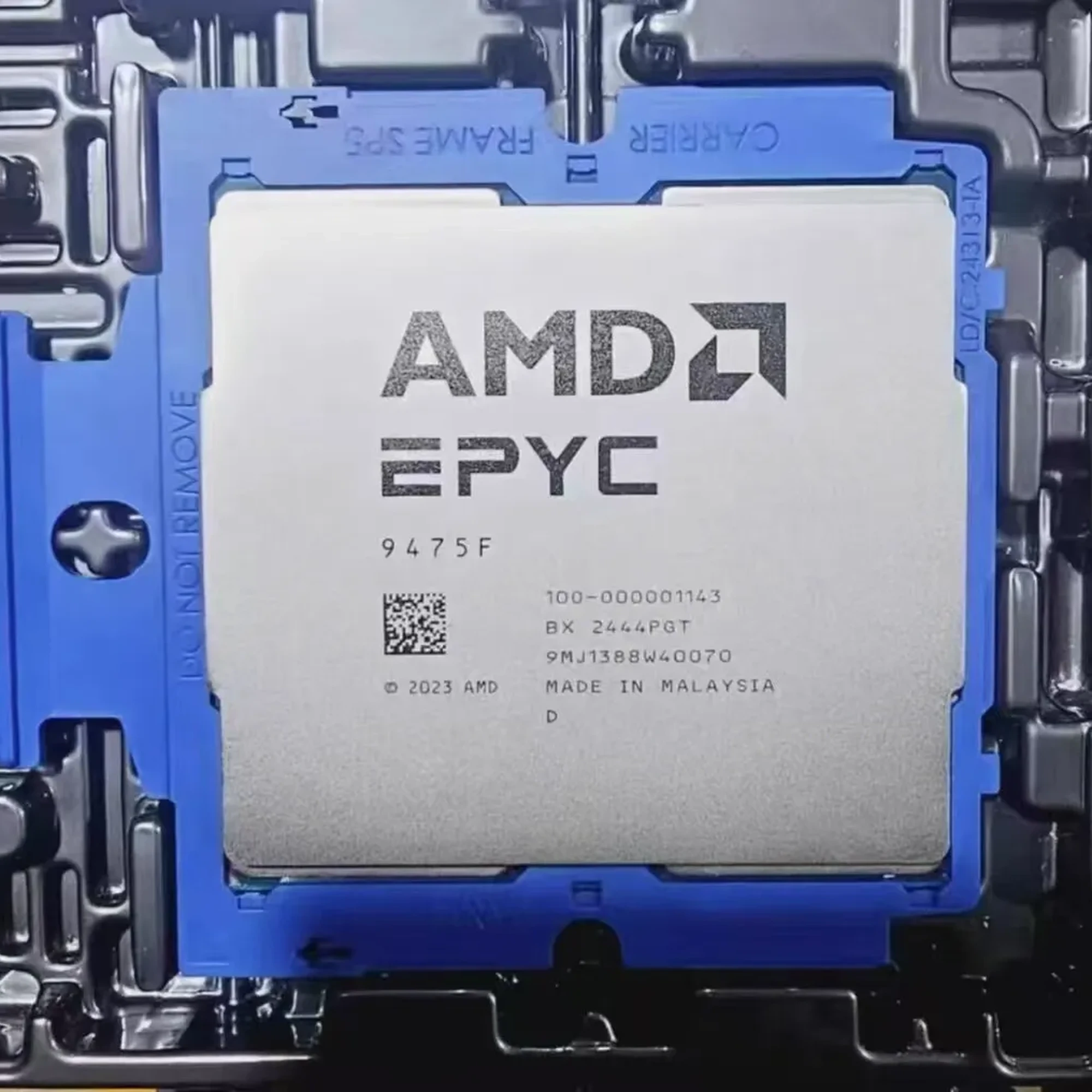

AMD EPYC 9374F 4th Gen 9004 Series 32-Core 64-Thread Server CPU SP5 DDR5 PCIe 5.0 Processor
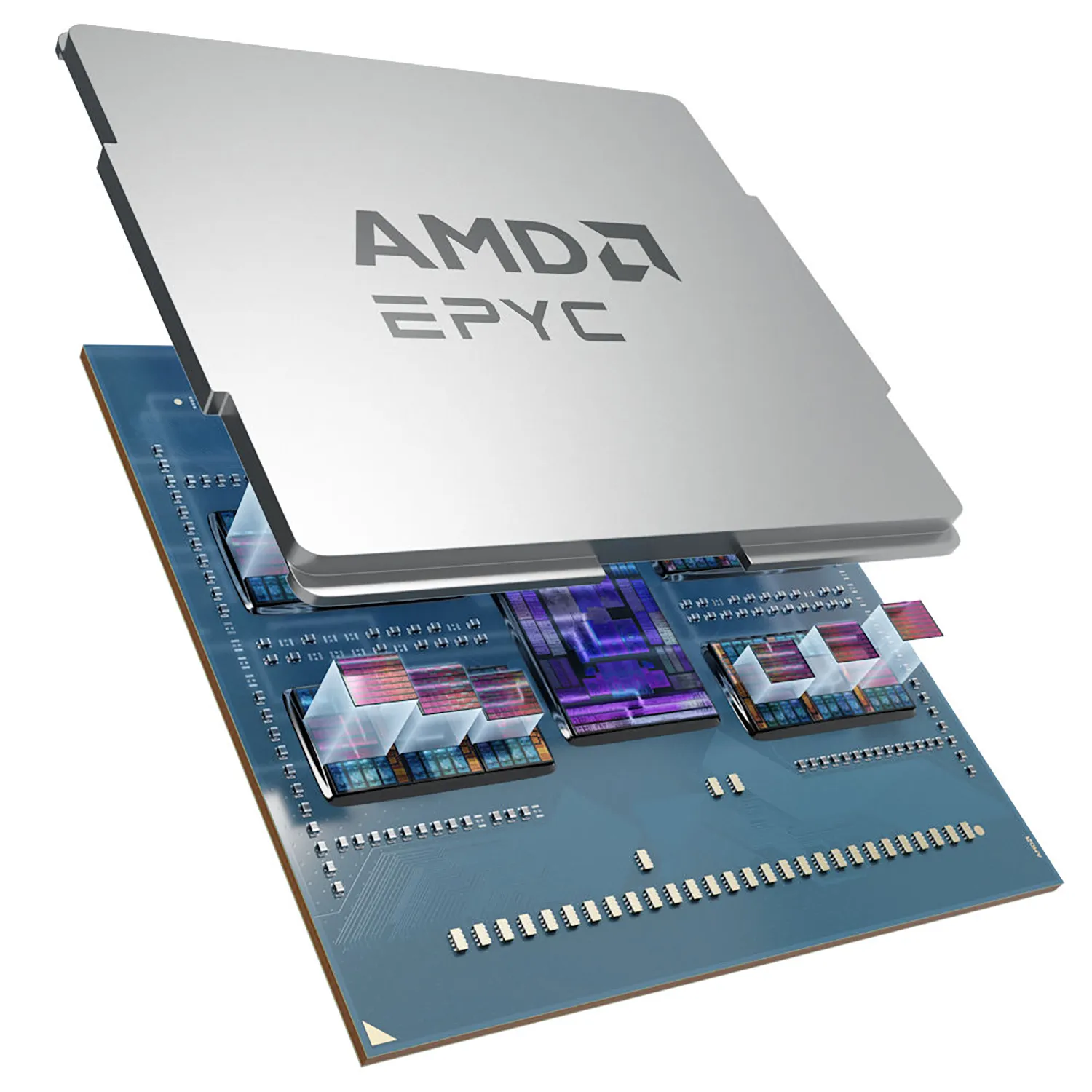
Introduction to AMD EPYC 9374F Processor
The AMD EPYC 9374F 4th Gen 9004 Series processor is a high-performance server CPU engineered for modern data centers and enterprise workloads. Built on the advanced Zen 4 architecture, this processor delivers exceptional compute power, memory bandwidth, and efficiency, making it an ideal choice for organizations seeking to accelerate business-critical applications.
Designed with a focus on high-frequency performance, the EPYC 9374F stands out in environments where per-core performance is crucial. Whether used in cloud infrastructure, virtualization, or high-performance computing (HPC), this processor provides the reliability and scalability required for next-generation workloads.
Zen 4 Architecture and Advanced Process Technology
At the heart of the AMD EPYC 9374F lies the Zen 4 microarchitecture, built using a cutting-edge 5nm manufacturing process. This advanced design enables improved performance-per-watt, higher clock speeds, and enhanced instruction processing capabilities.
The processor incorporates multiple chiplets connected through AMD Infinity Architecture, ensuring efficient data flow and reduced latency. This design not only enhances overall system performance but also allows for better scalability across multi-socket configurations.
With support for modern instruction sets such as AVX-512, the EPYC 9374F significantly boosts performance in compute-intensive workloads, including scientific simulations, financial modeling, and AI inference tasks.
High-Frequency Optimized Performance
The AMD EPYC 9374F is specifically optimized for high-frequency workloads. With a base clock of 3.85 GHz and boost speeds reaching up to 4.3 GHz, it delivers exceptional single-thread and per-core performance.
This makes it particularly well-suited for applications such as:
- Electronic Design Automation (EDA)
- Computer-Aided Engineering (CAE)
- Virtual Desktop Infrastructure (VDI)
- High-performance virtual machines
- Financial analytics
The processor’s ability to maintain high all-core boost speeds ensures consistent performance even under heavy workloads, making it a reliable solution for demanding enterprise environments.
Core and Thread Efficiency
Featuring 32 cores and 64 threads, the EPYC 9374F provides an optimal balance between core count and frequency.
This configuration is ideal for workloads that benefit from strong per-core performance rather than extreme parallelism. By focusing on fewer high-performance cores, AMD delivers improved responsiveness and faster execution times for latency-sensitive applications.
Additionally, support for simultaneous multithreading (SMT) enhances workload efficiency by allowing each core to handle multiple threads simultaneously.
Massive Cache for Faster Data Access
The EPYC 9374F is equipped with a large 256MB L3 cache, significantly reducing data access latency and improving overall system performance.
This large cache capacity is particularly beneficial for:
- Data-intensive applications
- Real-time analytics
- Database workloads
- Simulation environments
By minimizing memory bottlenecks, the processor ensures faster processing and smoother operation across various enterprise applications.
DDR5 Memory and High Bandwidth
One of the key highlights of the AMD EPYC 9374F is its support for DDR5 memory with 12 memory channels.
With speeds of up to 4800 MT/s and bandwidth reaching approximately 460 GB/s, this processor delivers exceptional memory performance.
This high bandwidth is essential for:
- Big data analytics
- AI and machine learning workloads
- High-performance computing
- Virtualization environments
The support for large memory capacities also ensures scalability for future workloads, making it a future-proof investment.
PCIe 5.0 Connectivity for Next-Gen Expansion
The EPYC 9374F supports PCIe 5.0 with up to 128 lanes, enabling ultra-fast connectivity for modern storage and networking solutions.
Benefits of PCIe 5.0 include:
- Faster NVMe storage performance
- Improved GPU and accelerator connectivity
- Enhanced networking capabilities
- Reduced latency for data transfer
This makes the processor ideal for high-performance server environments that rely on cutting-edge hardware components.
Scalability and Multi-Socket Support
The AMD EPYC 9374F supports both single-socket (1P) and dual-socket (2P) configurations, allowing businesses to scale their infrastructure according to workload demands.
Multi-socket support enables:
- Increased compute capacity
- Enhanced redundancy and reliability
- Flexible deployment options
This scalability ensures that organizations can adapt their systems as their needs grow.
Enterprise-Grade Security Features
Security is a critical aspect of modern data centers, and AMD addresses this with its Infinity Guard technology.
Key security features include:
- Secure Memory Encryption (SME)
- Secure Encrypted Virtualization (SEV)
- Hardware-based security protections
These features help protect sensitive data and ensure compliance with industry standards, making the EPYC 9374F a trusted choice for enterprise deployments.
Energy Efficiency and Thermal Design
Despite its high performance, the EPYC 9374F is designed with energy efficiency in mind. With a default TDP of 320W and configurable TDP up to 400W, it provides flexibility for different deployment scenarios.
The advanced 5nm process contributes to improved power efficiency, reducing operational costs while maintaining high performance levels.
Ideal Use Cases
The AMD EPYC 9374F is optimized for a wide range of enterprise and data center applications, including:
High-Performance Computing (HPC)
Its high-frequency cores and AVX-512 support make it ideal for scientific and engineering simulations.
Virtualization and Cloud Computing
High core performance ensures efficient virtual machine density and resource allocation.
Enterprise Databases
Large cache and memory bandwidth accelerate database processing and analytics.
AI and Machine Learning
Fast data throughput and compute capabilities support AI inference workloads.
Reliability and Enterprise Readiness
AMD EPYC processors are designed for 24/7 operation in mission-critical environments. With support for ECC memory and robust system architecture, the EPYC 9374F ensures data integrity and system stability.
Its enterprise-grade design makes it suitable for industries such as finance, healthcare, research, and cloud services.
Conclusion
The AMD EPYC 9374F 4th Gen 9004 Series processor is a powerful and versatile solution for modern data centers. With its high-frequency performance, advanced Zen 4 architecture, DDR5 memory support, and PCIe 5.0 connectivity, it delivers exceptional value for enterprise workloads.
Whether you are upgrading existing infrastructure or building a new server environment, the EPYC 9374F offers the performance, scalability, and reliability needed to stay competitive in today’s fast-paced digital landscape.
✅ Specifications Sheet
| Specification | Details |
|---|---|
| Processor Name | AMD EPYC 9374F |
| Architecture | Zen 4 (Genoa) |
| Cores / Threads | 32 Cores / 64 Threads |
| Base Clock | 3.85 GHz |
| Max Boost Clock | Up to 4.3 GHz |
| All-Core Boost | 4.1 GHz |
| L3 Cache | 256 MB |
| TDP | 320W (Configurable up to 400W) |
| Socket | SP5 |
| Process Node | 5nm |
| Memory Type | DDR5 |
| Memory Channels | 12 Channels |
| Memory Speed | Up to 4800 MT/s |
| Max Memory Bandwidth | 460.8 GB/s |
| PCIe Version | PCIe 5.0 |
| PCIe Lanes | 128 |
| Multi-Socket Support | 1P / 2P |
| Launch Date | November 10, 2022 |
| Security Features | AMD Infinity Guard |
| Virtualization | Supported |
4th Gen 9004 Series Model Specifications
Name | # of CPU Cores | # of Threads | Max. Boost Clock | Base Clock | L3 Cache | Default TDP |
|---|---|---|---|---|---|---|
| AMD EPYC™ 9754S | 128 | 128 | Up to 3.1 GHz | 2.25 GHz | 256 MB | 360W |
| AMD EPYC™ 9754 | 128 | 256 | Up to 3.1 GHz | 2.25 GHz | 256 MB | 360W |
| AMD EPYC™ 9734 | 112 | 224 | Up to 3 GHz | 2.2 GHz | 256 MB | 340W |
| AMD EPYC™ 9684X | 96 | 192 | Up to 3.7 GHz | 2.55 GHz | 1152 MB | 400W |
| AMD EPYC™ 9654P | 96 | 192 | Up to 3.7 GHz | 2.4 GHz | 384 MB | 360W |
| AMD EPYC™ 9654 | 96 | 192 | Up to 3.7 GHz | 2.4 GHz | 384 MB | 360W |
| AMD EPYC™ 9634 | 84 | 168 | Up to 3.7 GHz | 2.25 GHz | 384 MB | 290W |
| AMD EPYC™ 9554P | 64 | 128 | Up to 3.75 GHz | 3.1 GHz | 256 MB | 360W |
| AMD EPYC™ 9554 | 64 | 128 | Up to 3.75 GHz | 3.1 GHz | 256 MB | 360W |
| AMD EPYC™ 9534 | 64 | 128 | Up to 3.7 GHz | 2.45 GHz | 256 MB | 280W |
| AMD EPYC™ 9474F | 48 | 96 | Up to 4.1 GHz | 3.6 GHz | 256 MB | 360W |
| AMD EPYC™ 9454P | 48 | 96 | Up to 3.8 GHz | 2.75 GHz | 256 MB | 290W |
| AMD EPYC™ 9454 | 48 | 96 | Up to 3.8 GHz | 2.75 GHz | 256 MB | 290W |
| AMD EPYC™ 9384X | 32 | 64 | Up to 3.9 GHz | 3.1 GHz | 768 MB | 320W |
| AMD EPYC™ 9374F | 32 | 64 | Up to 4.3 GHz | 3.85 GHz | 256 MB | 320W |
| AMD EPYC™ 9354P | 32 | 64 | Up to 3.8 GHz | 3.25 GHz | 256 MB | 280W |
| AMD EPYC™ 9354 | 32 | 64 | Up to 3.8 GHz | 3.25 GHz | 256 MB | 280W |
| AMD EPYC™ 9334 | 32 | 64 | Up to 3.9 GHz | 2.7 GHz | 128 MB | 210W |
| AMD EPYC™ 9274F | 24 | 48 | Up to 4.3 GHz | 4.05 GHz | 256 MB | 320W |
| AMD EPYC™ 9254 | 24 | 48 | Up to 4.15 GHz | 2.9 GHz | 128 MB | 200W |
| AMD EPYC™ 9224 | 24 | 48 | Up to 3.7 GHz | 2.5 GHz | 64 MB | 200W |
| AMD EPYC™ 9184X | 16 | 32 | Up to 4.2 GHz | 3.55 GHz | 768 MB | 320W |
| AMD EPYC™ 9174F | 16 | 32 | Up to 4.4 GHz | 4.1 GHz | 256 MB | 320W |
| AMD EPYC™ 9124 | 16 | 32 | Up to 3.7 GHz | 3 GHz | 64 MB | 200W |