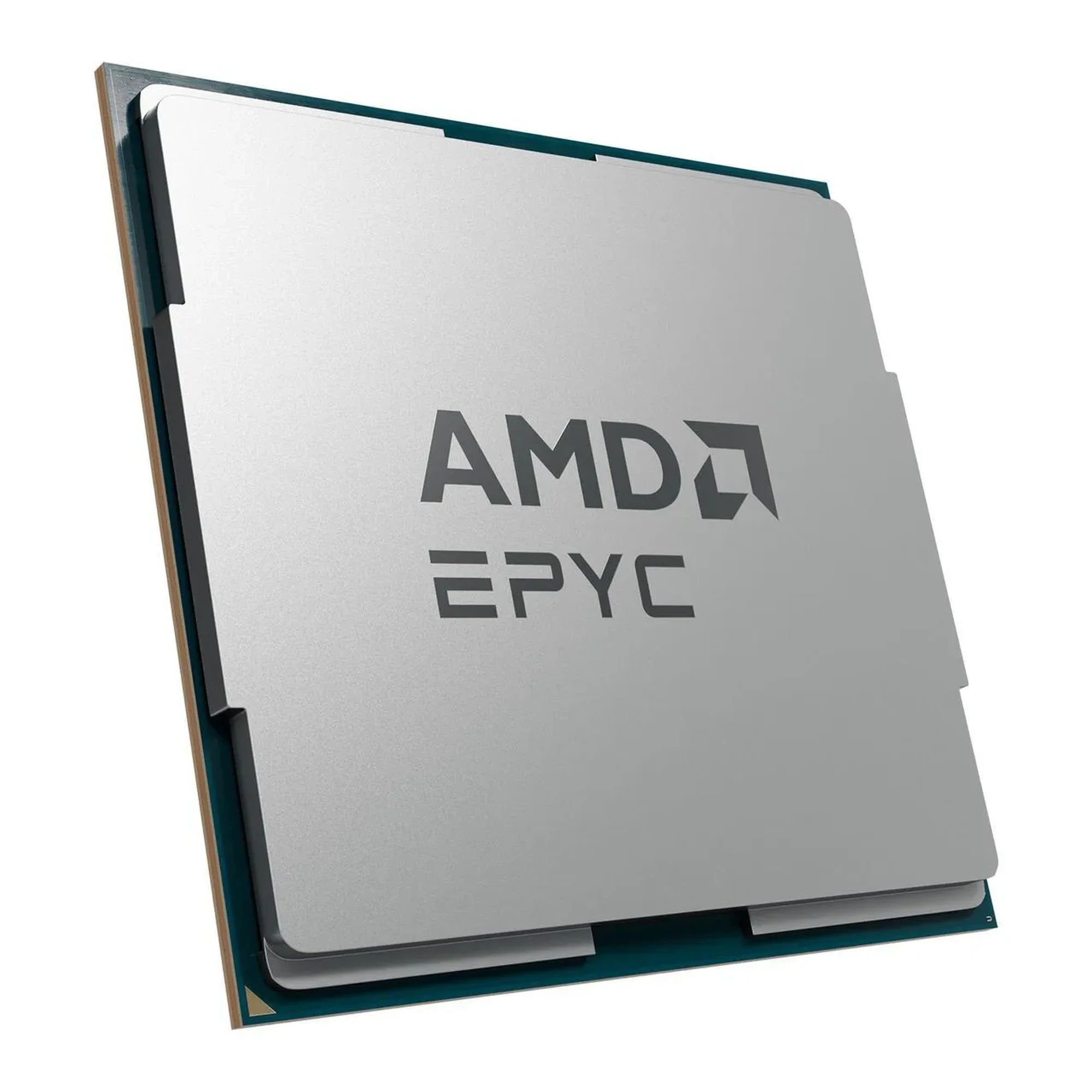
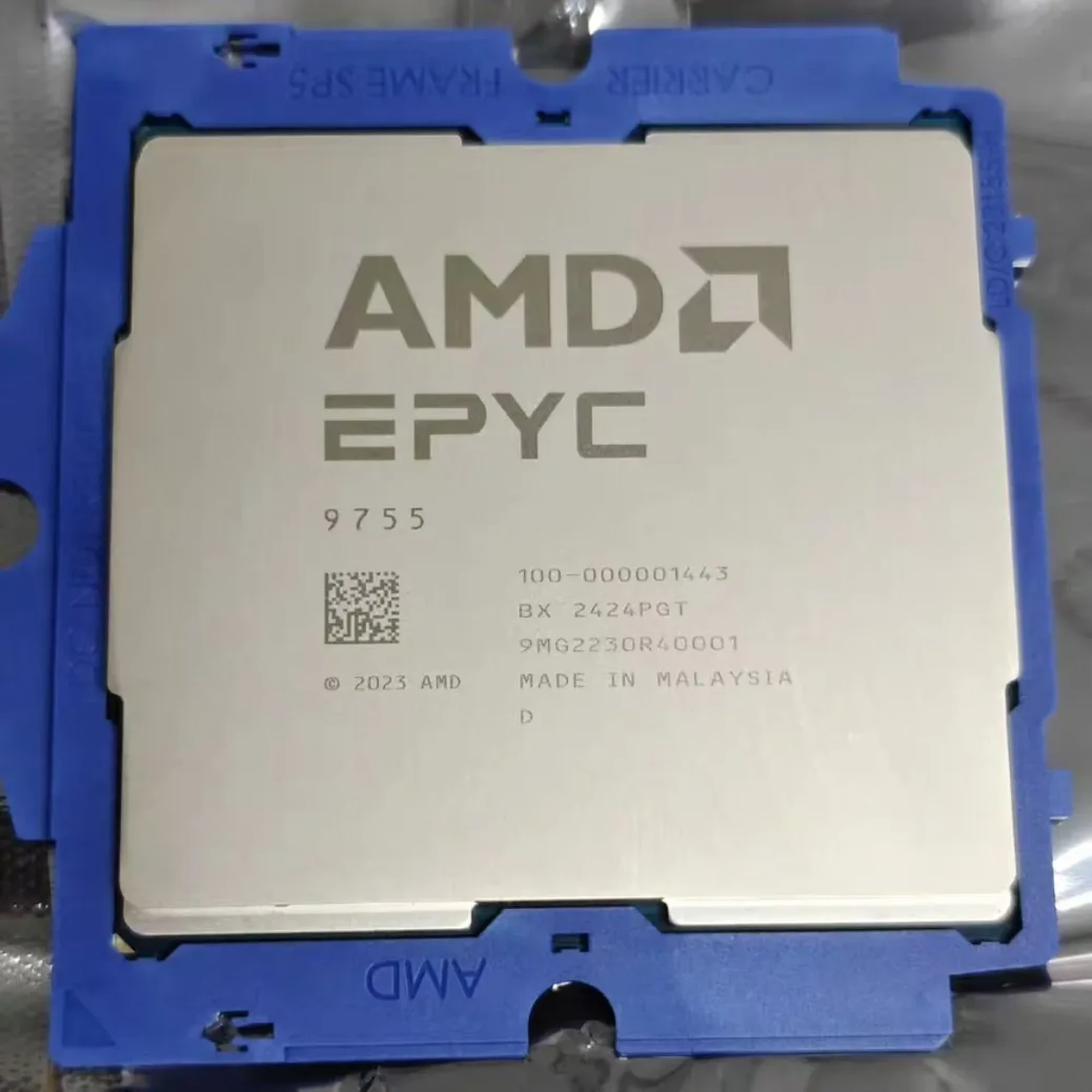
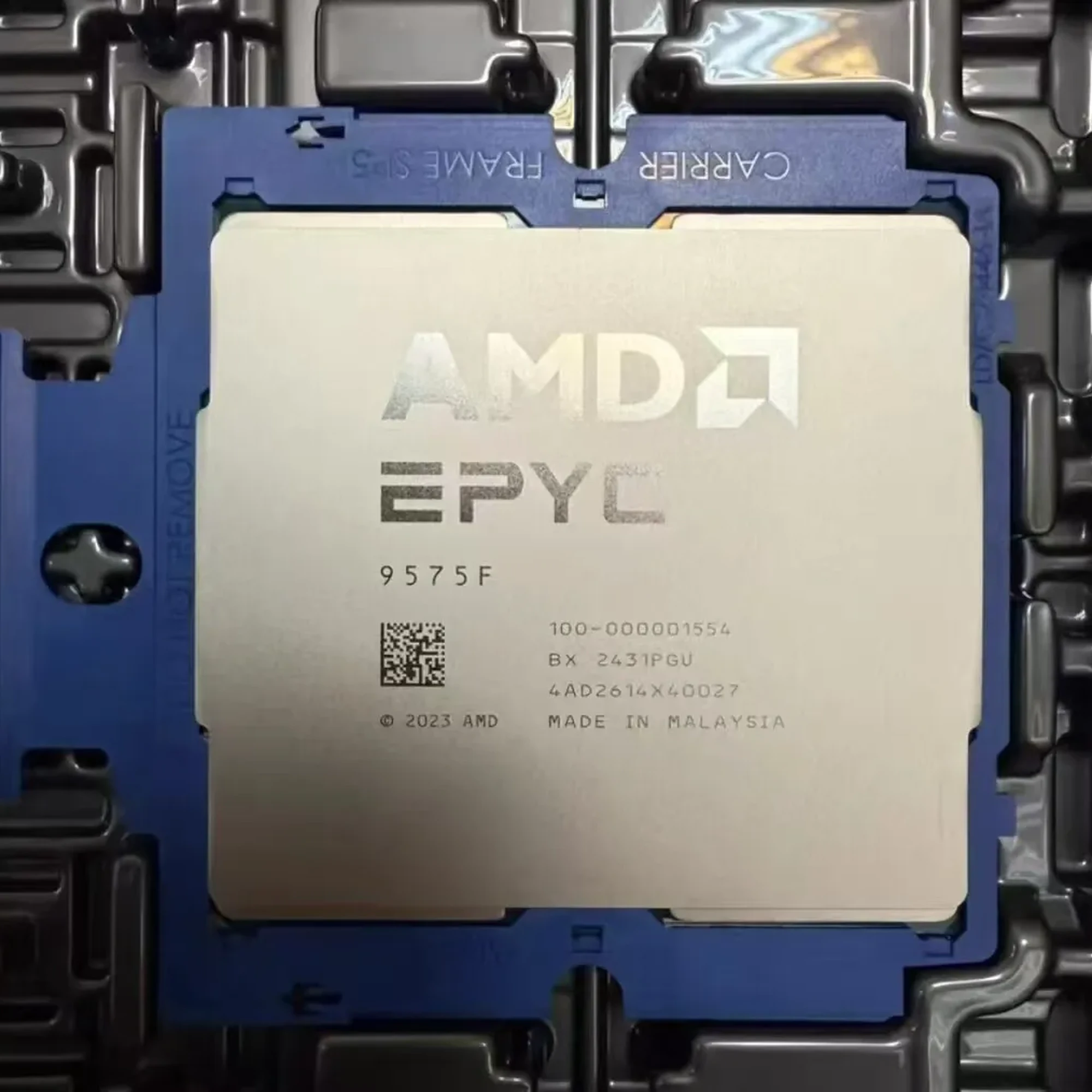
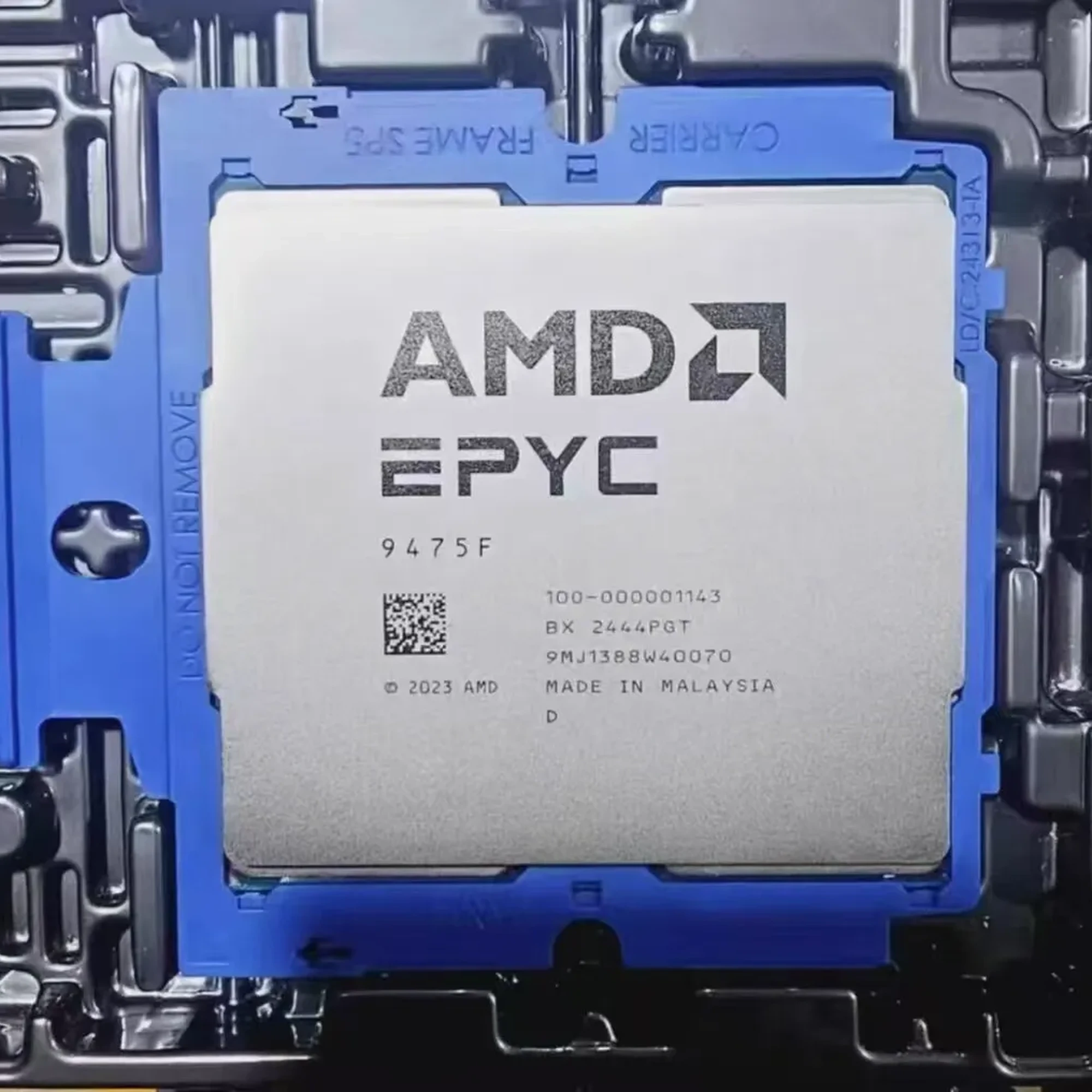
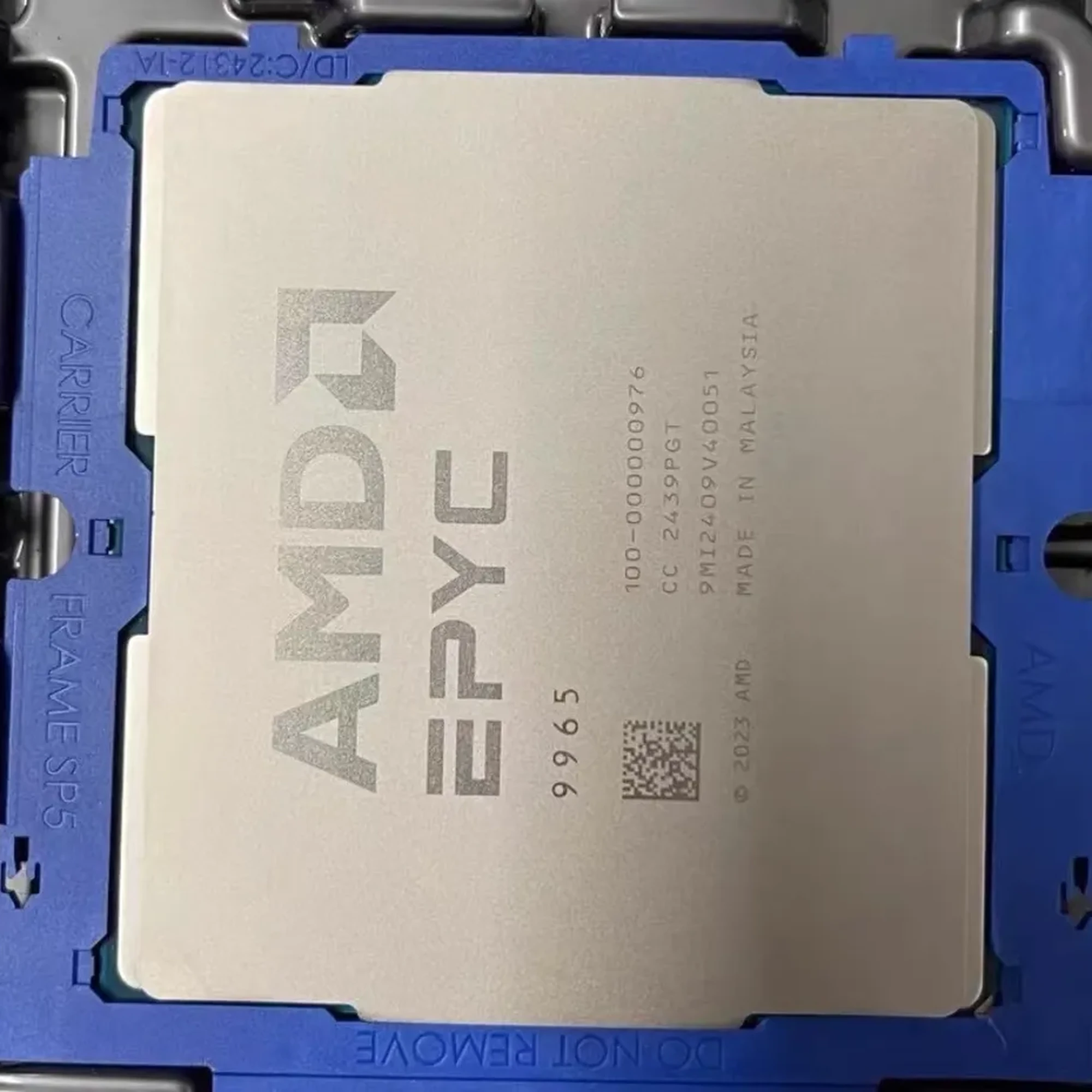

AMD EPYC 9355 5th Gen 9005 Series Server Processor – 32 Cores Zen 5 Power
Introduction to AMD EPYC 9355 5th Gen 9005 Series
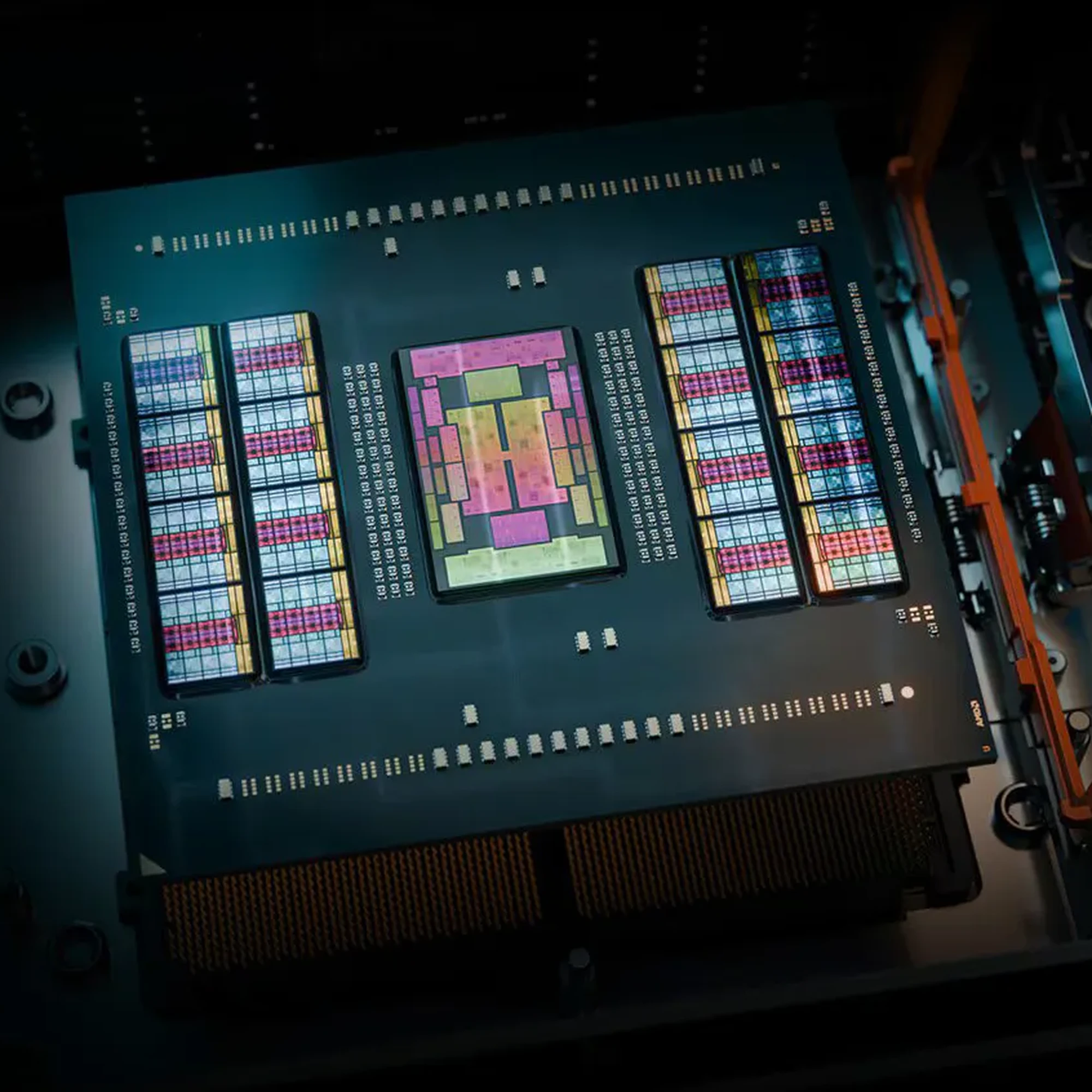
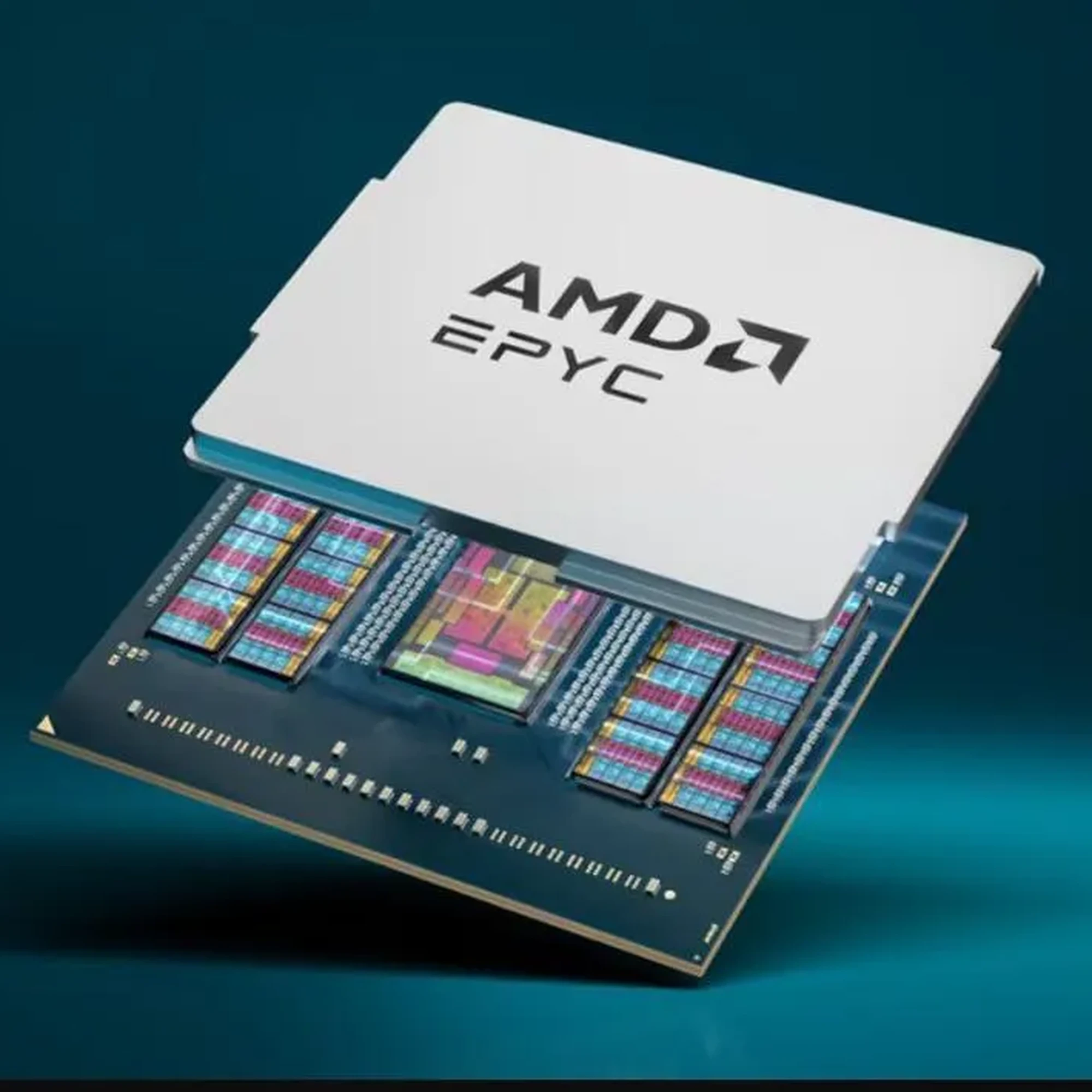
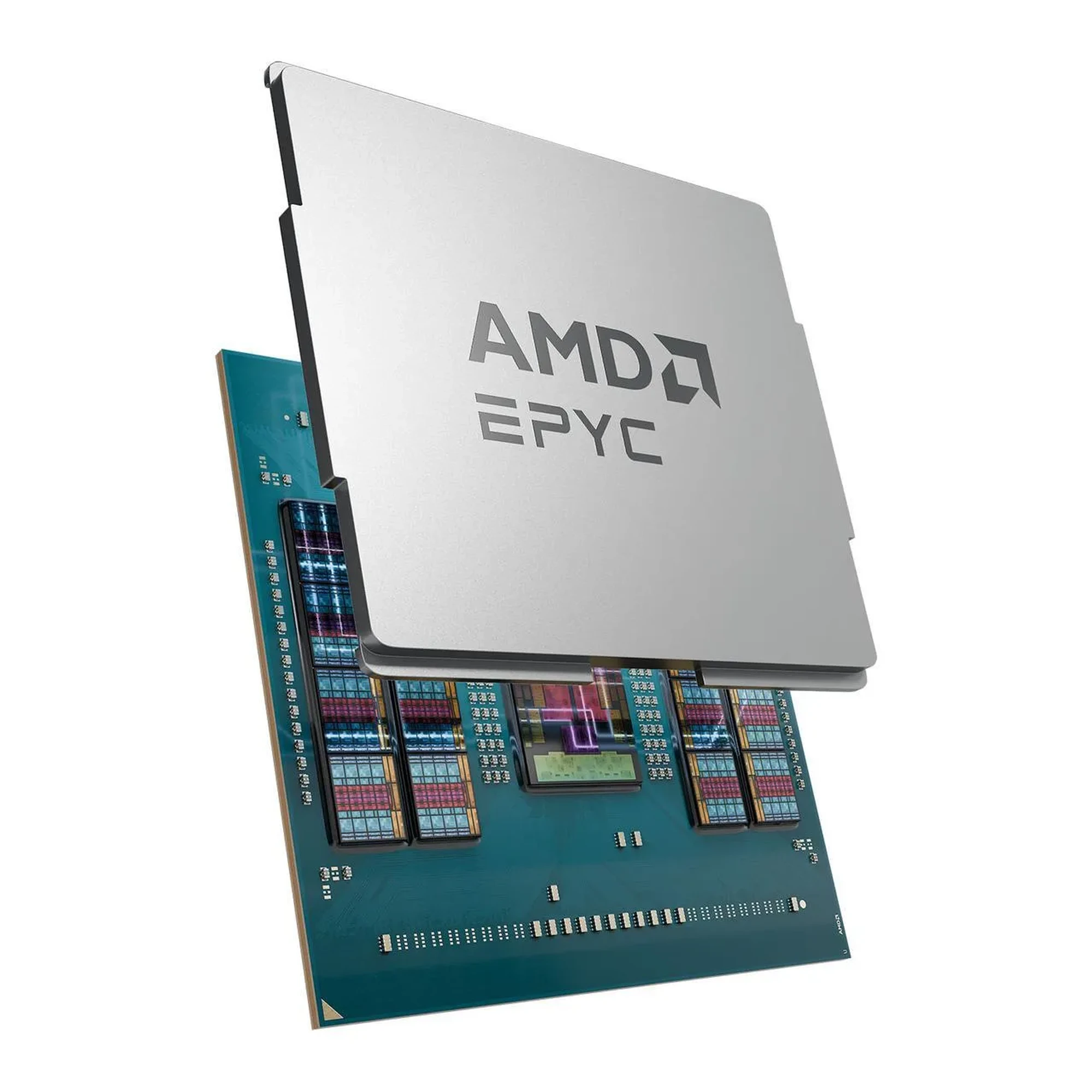
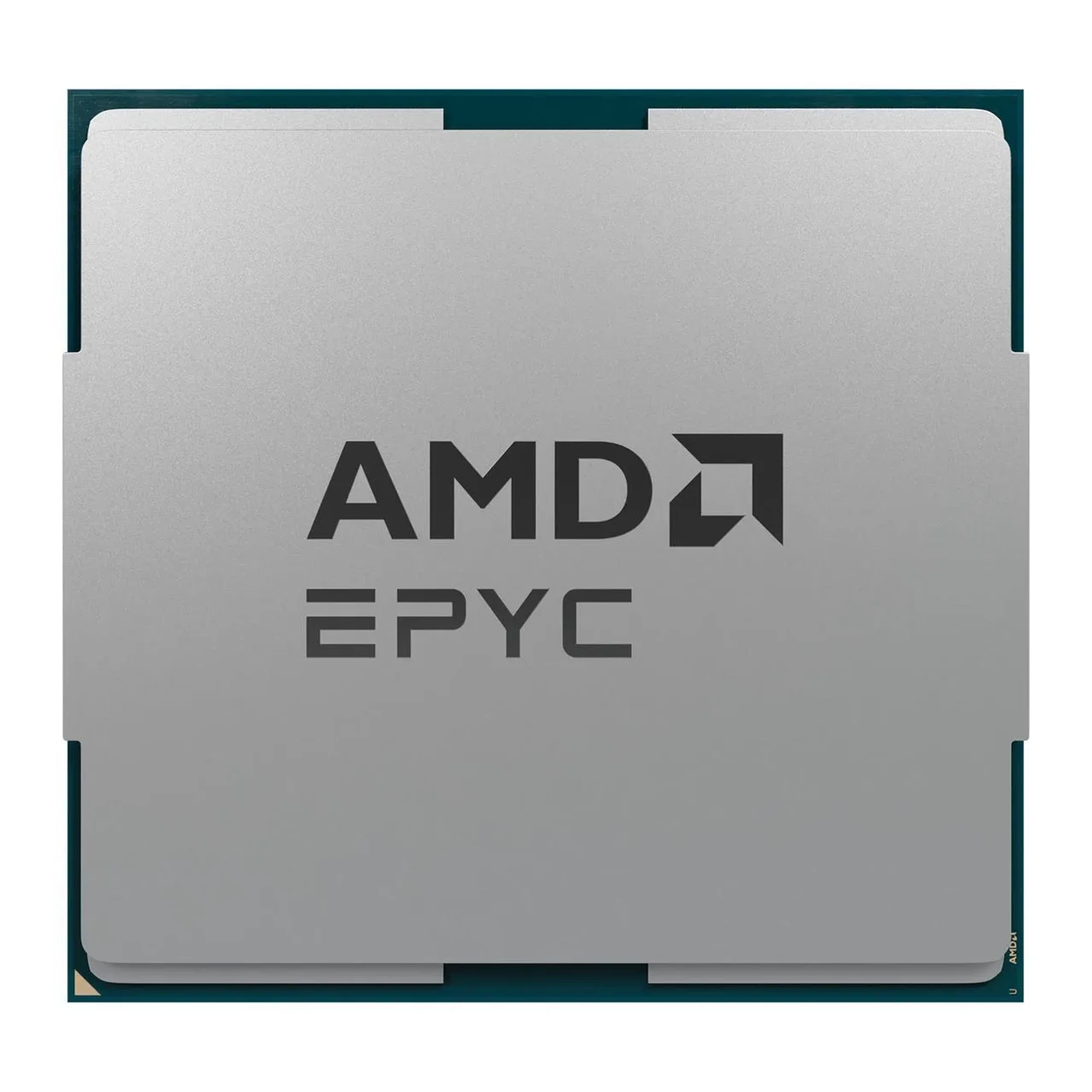
The AMD EPYC 9355 processor represents a powerful addition to the 5th Generation EPYC 9005 Series lineup. Built on the advanced Zen 5 architecture, this server-grade CPU is engineered to meet the growing demands of modern data centers, cloud computing, enterprise applications, and high-performance workloads.
With 32 cores and 64 threads, the EPYC 9355 strikes a balance between performance, efficiency, and scalability. It is designed for organizations seeking reliable computing power while maintaining strong energy efficiency and system flexibility.
Advanced Zen 5 Architecture
At the heart of the EPYC 9355 lies AMD’s cutting-edge Zen 5 microarchitecture, also known under the codename “Turin.” This architecture delivers significant improvements in instructions per cycle (IPC), enabling faster processing and enhanced throughput for both single-threaded and multi-threaded workloads.
The processor is manufactured using a 4nm process technology, allowing for improved transistor density and better power efficiency. This ensures that enterprises can achieve higher performance per watt, reducing operational costs in large-scale deployments.
High Core Count and Multi-Threading Performance
The AMD EPYC 9355 features:
- 32 physical cores
- 64 threads with simultaneous multithreading (SMT)
This configuration enables efficient parallel processing, making it ideal for virtualization, database management, and cloud-native applications.
The processor operates at a base frequency of 3.55 GHz and can boost up to 4.4 GHz depending on workload requirements. This dynamic frequency scaling ensures optimal performance for both intensive and lightweight tasks.
Massive Cache for Data-Intensive Workloads
Cache plays a critical role in reducing latency and improving data access speed. The EPYC 9355 includes:
- L1 Cache: 80 KB per core
- L2 Cache: 1 MB per core
- L3 Cache: Up to 256 MB shared
This large cache capacity ensures faster data retrieval and improved performance for applications such as analytics, AI inference, and large-scale databases.
DDR5 Memory Support and High Bandwidth
The EPYC 9355 supports next-generation DDR5 memory with a 12-channel interface. This provides:
- Up to 6000 MT/s memory speed
- Extremely high memory bandwidth (up to ~480–576 GB/s depending on configuration)
- Support for ECC memory for enhanced reliability
This high memory throughput is essential for data-intensive applications such as big data analytics, virtualization, and high-performance computing (HPC).
PCIe 5.0 and Modern Connectivity
To ensure compatibility with modern infrastructure, the EPYC 9355 supports:
- PCIe 5.0 with up to 128 lanes
- CXL 2.0 for memory expansion and acceleration
- Advanced I/O capabilities for high-speed storage and networking
These features provide excellent scalability and flexibility for enterprise deployments, enabling faster communication between system components.
Enterprise-Grade Security Features
Security is a critical concern in enterprise environments. AMD addresses this with built-in technologies such as:
- AMD Infinity Guard
- Secure Encrypted Virtualization (SEV-SNP)
- Hardware-level data protection
These features help protect sensitive workloads and ensure compliance with modern security standards, making the EPYC 9355 suitable for cloud and multi-tenant environments.
Optimized for Virtualization and Cloud Computing
The EPYC 9355 excels in virtualization environments thanks to:
- High core and thread count
- Advanced virtualization extensions (AMD-V)
- Efficient memory handling
These capabilities allow organizations to run multiple virtual machines with minimal overhead, improving resource utilization and reducing infrastructure costs.
Power Efficiency and Thermal Design
With a thermal design power (TDP) of 280W, the EPYC 9355 delivers a balance between performance and power consumption.
Configurable TDP options (240W–300W) allow system integrators to optimize performance based on specific workload requirements.
The 4nm manufacturing process further enhances efficiency, enabling higher performance without excessive energy consumption.
Ideal Use Cases
The AMD EPYC 9355 is designed for a wide range of enterprise and data center applications, including:
1. Cloud Computing
Its high core density and memory bandwidth make it ideal for cloud service providers managing large-scale virtualized environments.
2. Database Management
Large cache and memory support enable efficient handling of structured and unstructured data.
3. High-Performance Computing (HPC)
Advanced vector instructions such as AVX-512 improve computational workloads.
4. AI and Machine Learning (Inference)
Strong integer and floating-point performance supports AI inference workloads.
5. Enterprise Applications
Reliable performance for ERP, CRM, and enterprise software systems.
Scalability and Multi-Socket Support
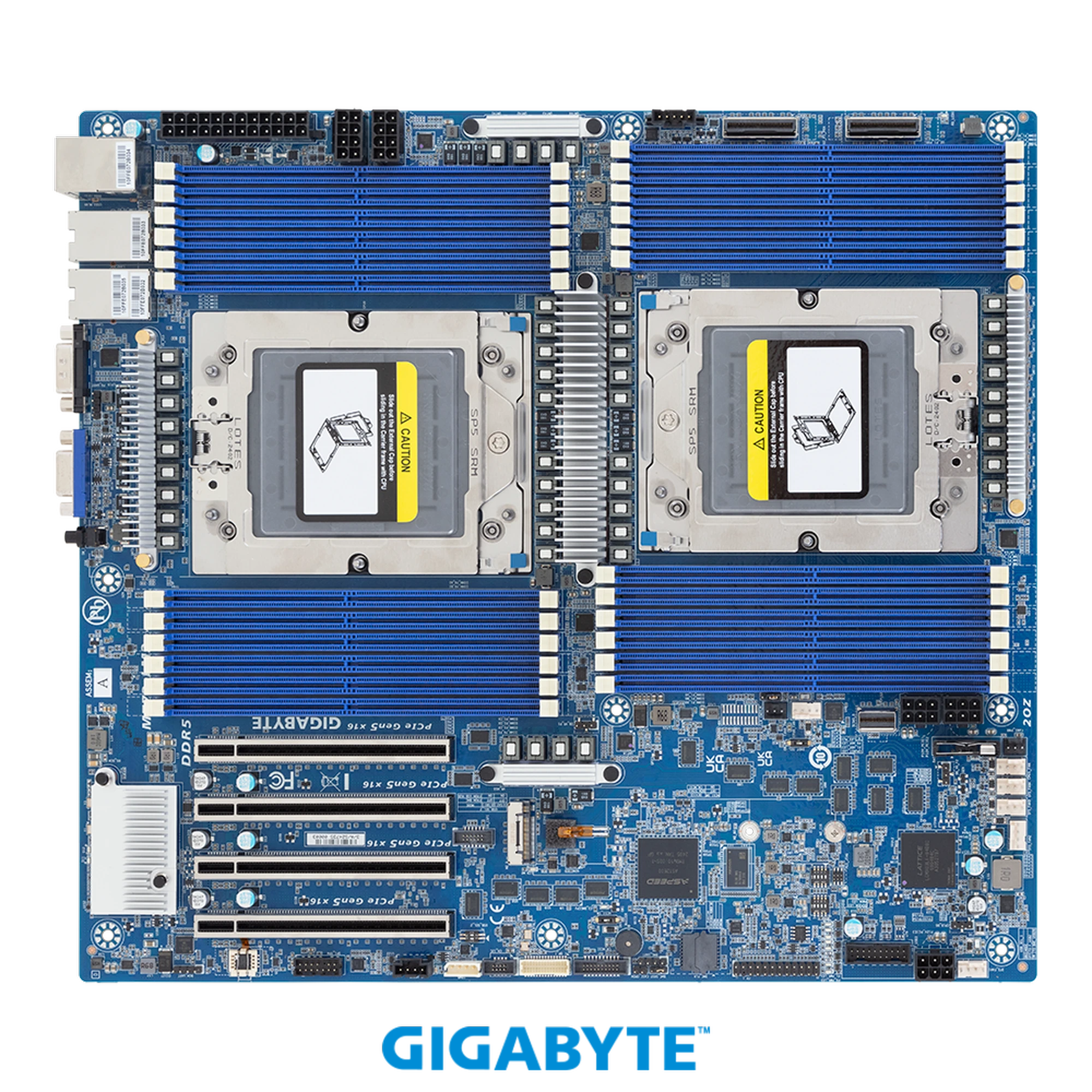
The EPYC 9355 supports multi-socket configurations (up to 2 CPUs), enabling scalable performance for enterprise servers.
This makes it suitable for expanding infrastructure without requiring a complete system redesign.
Reliability and Stability
AMD EPYC processors are known for their enterprise-grade reliability. The EPYC 9355 includes:
- ECC memory support
- Advanced thermal management
- Long lifecycle support
These features ensure consistent performance in mission-critical environments.
Competitive Advantage
Compared to previous generations and competing server CPUs, the EPYC 9355 offers:
- Improved IPC performance with Zen 5
- Higher memory bandwidth with DDR5
- Better scalability with PCIe 5.0
- Enhanced security features
These advantages position it as a strong contender in modern server deployments.
Conclusion
The AMD EPYC 9355 5th Gen 9005 Series processor is a powerful, efficient, and scalable solution for today’s demanding server workloads. With its advanced Zen 5 architecture, high core count, large cache, and support for next-generation technologies, it provides everything enterprises need to build robust and future-ready infrastructure.
Whether for cloud computing, virtualization, or data analytics, the EPYC 9355 delivers reliable performance and exceptional value.
Specifications Sheet
| Specification | Details |
|---|---|
| Processor Name | AMD EPYC 9355 |
| Series | EPYC 9005 (5th Gen) |
| Architecture | Zen 5 (Turin) |
| Cores / Threads | 32 / 64 |
| Base Clock | 3.55 GHz |
| Boost Clock | Up to 4.4 GHz |
| L1 Cache | 80 KB per core |
| L2 Cache | 1 MB per core |
| L3 Cache | 256 MB |
| Socket | SP5 |
| Process Node | 4nm |
| TDP | 280W (Configurable 240–300W) |
| Memory Type | DDR5 |
| Memory Channels | 12-channel |
| Max Memory Speed | 6000 MT/s |
| ECC Support | Yes |
| PCIe Version | PCIe 5.0 |
| PCIe Lanes | 128 |
| CXL Support | Yes (CXL 2.0) |
| Max CPUs (SMP) | 2 |
| Integrated Graphics | No |
| Release Date | October 2024 |
5th Gen AMD EPYC Server CPUs Model Specifications
Name | # of CPU Cores | # of Threads | Max. Boost Clock | Base Clock | L3 Cache | Default TDP |
|---|---|---|---|---|---|---|
| AMD EPYC™ 9965 | 192 | 384 | Up to 3.7 GHz | 2.25 GHz | 384 MB | 500W |
| AMD EPYC™ 9845 | 160 | 320 | Up to 3.7 GHz | 2.1 GHz | 320 MB | 390W |
| AMD EPYC™ 9825 | 144 | 288 | Up to 3.7 GHz | 2.2 GHz | 384 MB | 390W |
| AMD EPYC™ 9755 | 128 | 256 | Up to 4.1 GHz | 2.7 GHz | 512 MB | 500W |
| AMD EPYC™ 9745 | 128 | 256 | Up to 3.7 GHz | 2.4 GHz | 256 MB | 400W |
| AMD EPYC™ 9655P | 96 | 192 | Up to 4.5 GHz | 2.6 GHz | 384 MB | 400W |
| AMD EPYC™ 9655 | 96 | 192 | Up to 4.5 GHz | 2.6 GHz | 384 MB | 400W |
| AMD EPYC™ 9645 | 96 | 192 | Up to 3.7 GHz | 2.3 GHz | 256 MB | 320W |
| AMD EPYC™ 9575F | 64 | 128 | Up to 5 GHz | 3.3 GHz | 256 MB | 400W |
| AMD EPYC™ 9565 | 72 | 144 | Up to 4.3 GHz | 3.15 GHz | 384 MB | 400W |
| AMD EPYC™ 9555P | 64 | 128 | Up to 4.4 GHz | 3.2 GHz | 256 MB | 360W |
| AMD EPYC™ 9555 | 64 | 128 | Up to 4.4 GHz | 3.2 GHz | 256 MB | 360W |
| AMD EPYC™ 9535 | 64 | 128 | Up to 4.3 GHz | 2.4 GHz | 256 MB | 300W |
| AMD EPYC™ 9475F | 48 | 96 | Up to 4.8 GHz | 3.65 GHz | 256 MB | 400W |
| AMD EPYC™ 9455P | 48 | 96 | Up to 4.4 GHz | 3.15 GHz | 256 MB | 300W |
| AMD EPYC™ 9455 | 48 | 96 | Up to 4.4 GHz | 3.15 GHz | 256 MB | 300W |
| AMD EPYC™ 9375F | 32 | 64 | Up to 4.8 GHz | 3.8 GHz | 256 MB | 320W |
| AMD EPYC™ 9365 | 36 | 72 | Up to 4.3 GHz | 3.4 GHz | 192 MB | 300W |
| AMD EPYC™ 9355P | 32 | 64 | Up to 4.4 GHz | 3.55 GHz | 256 MB | 280W |
| AMD EPYC™ 9355 | 32 | 64 | Up to 4.4 GHz | 3.55 GHz | 256 MB | 280W |
| AMD EPYC™ 9335 | 32 | 64 | Up to 4.4 GHz | 3 GHz | 128 MB | 210W |
| AMD EPYC™ 9275F | 24 | 48 | Up to 4.8 GHz | 4.1 GHz | 256 MB | 320W |
| AMD EPYC™ 9255 | 24 | 48 | Up to 4.3 GHz | 3.2 GHz | 128 MB | 200W |
| AMD EPYC™ 9175F | 16 | 32 | Up to 5 GHz | 4.2 GHz | 512 MB | 320W |
| AMD EPYC™ 9135 | 16 | 32 | Up to 4.3 GHz | 3.65 GHz | 64 MB | 200W |
| AMD EPYC™ 9115 | 16 | 32 | Up to 4.1 GHz | 2.6 GHz | 64 MB | 125W |
| AMD EPYC™ 9015 | 8 | 16 | Up to 4.1 GHz | 3.6 GHz | 64 MB | 125W |