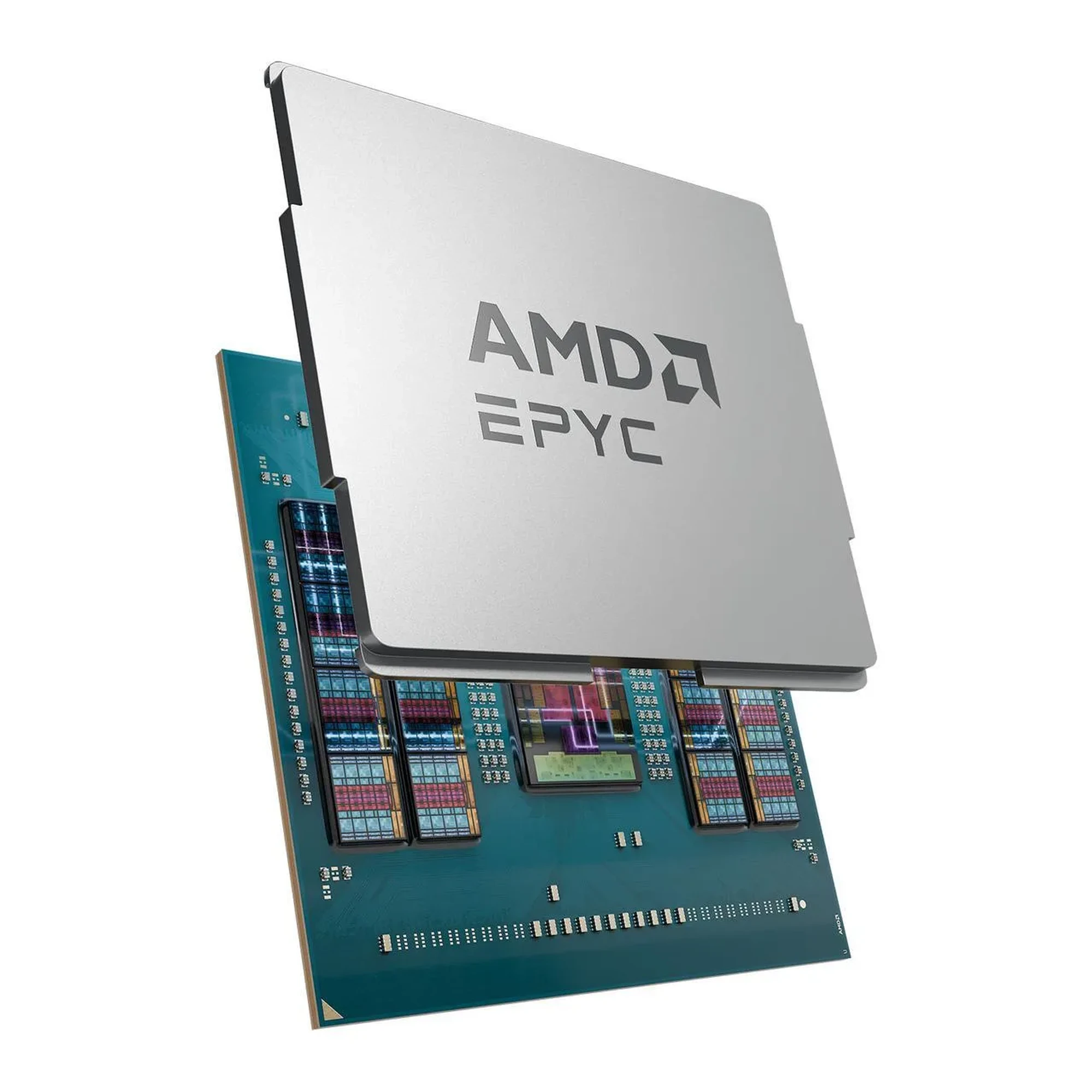
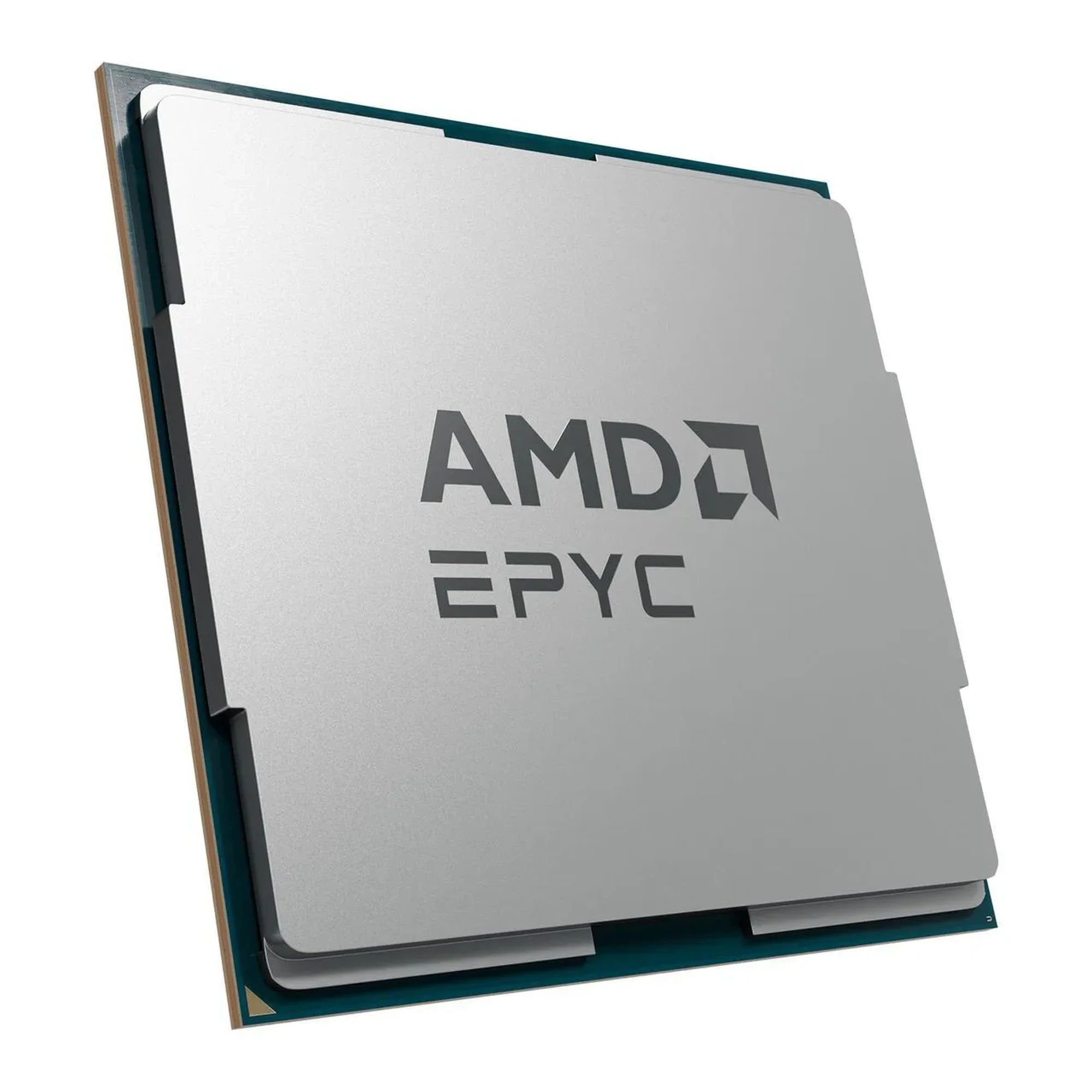
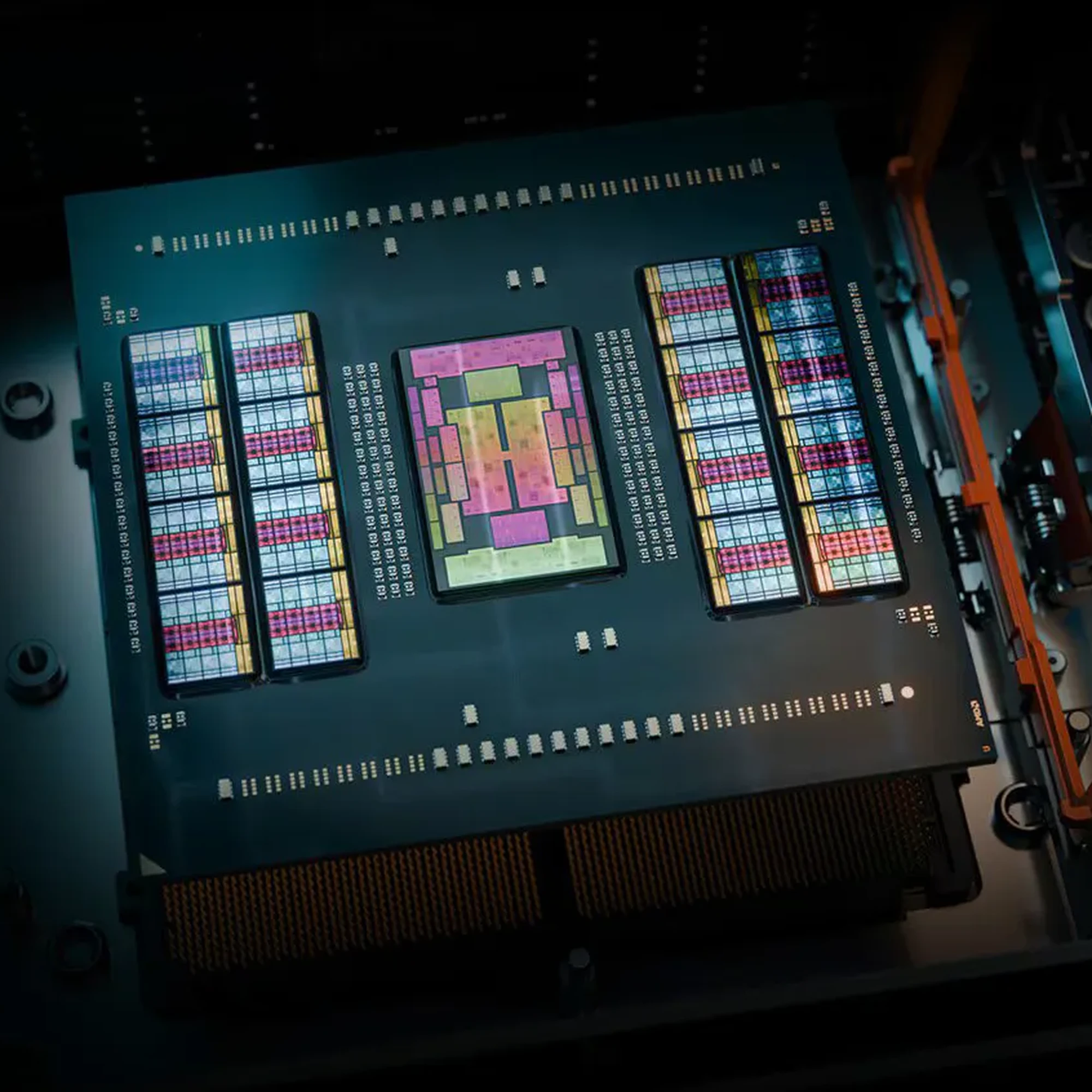
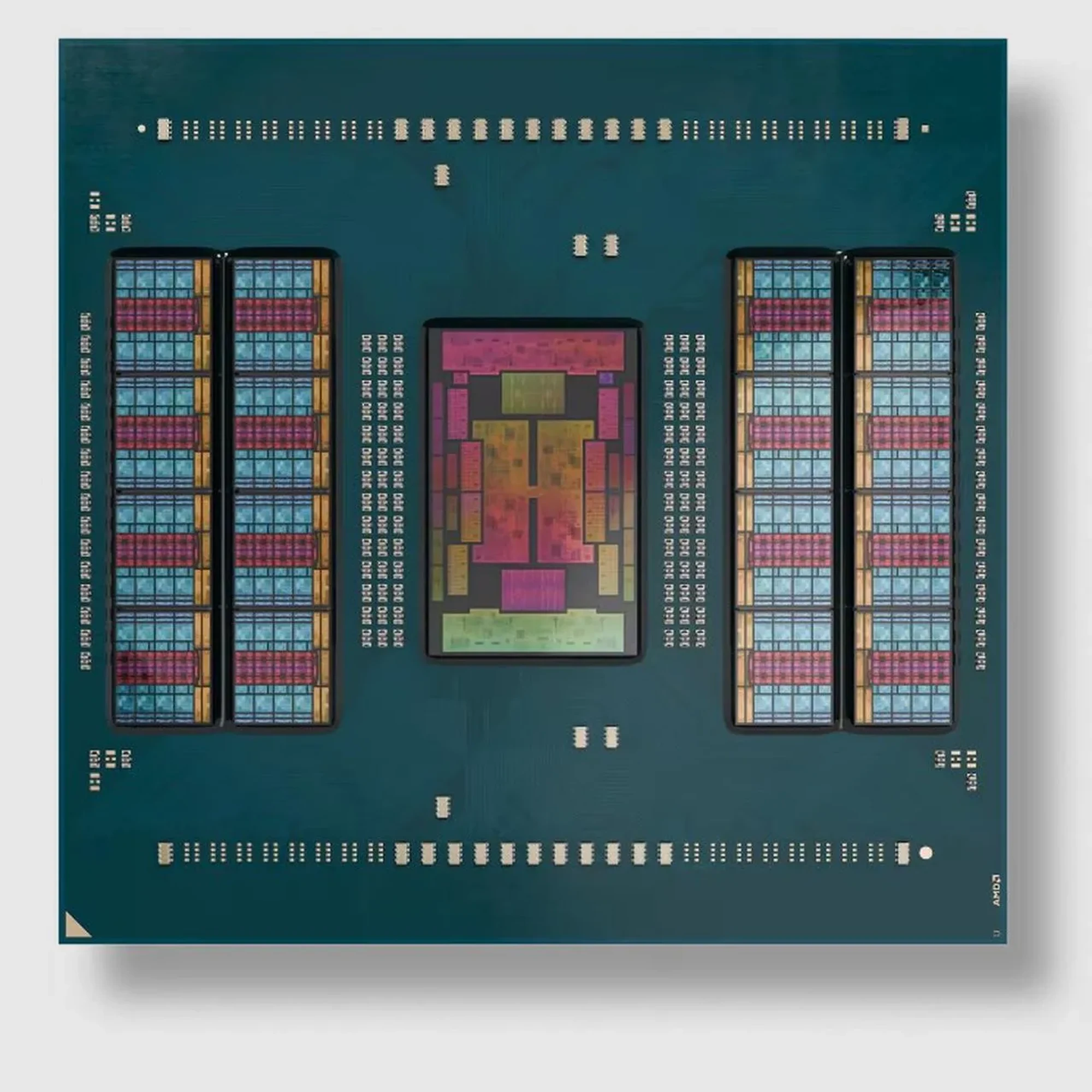
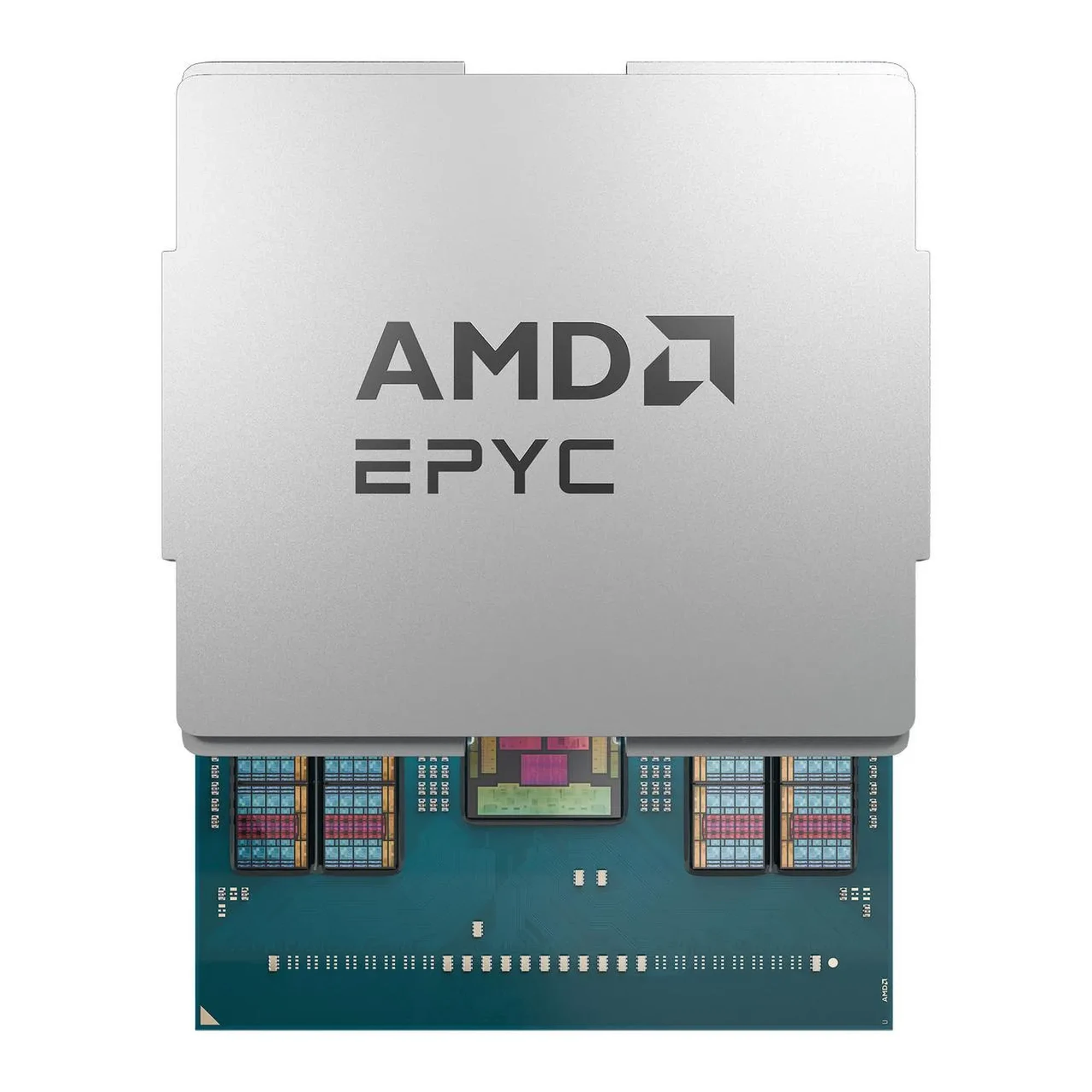
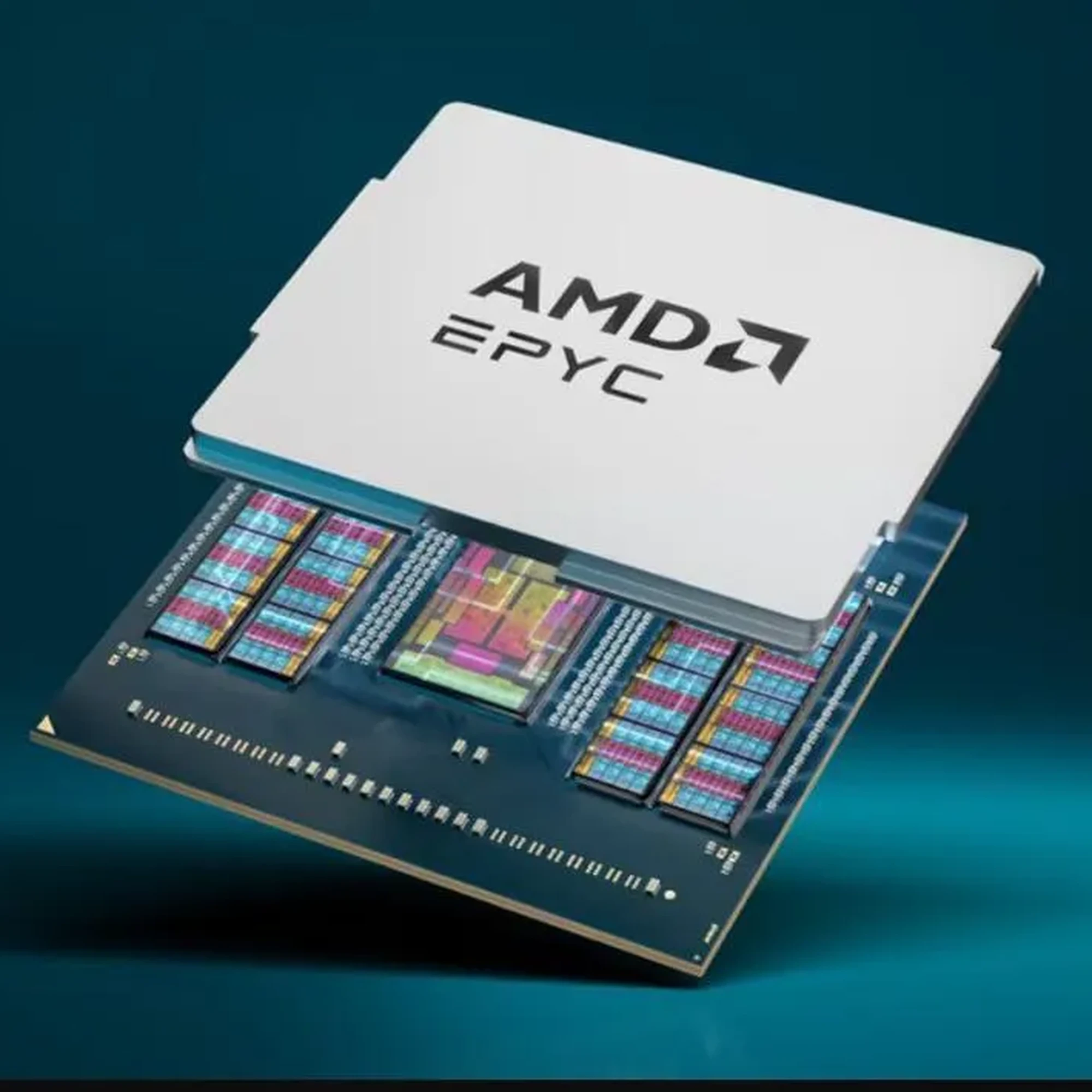
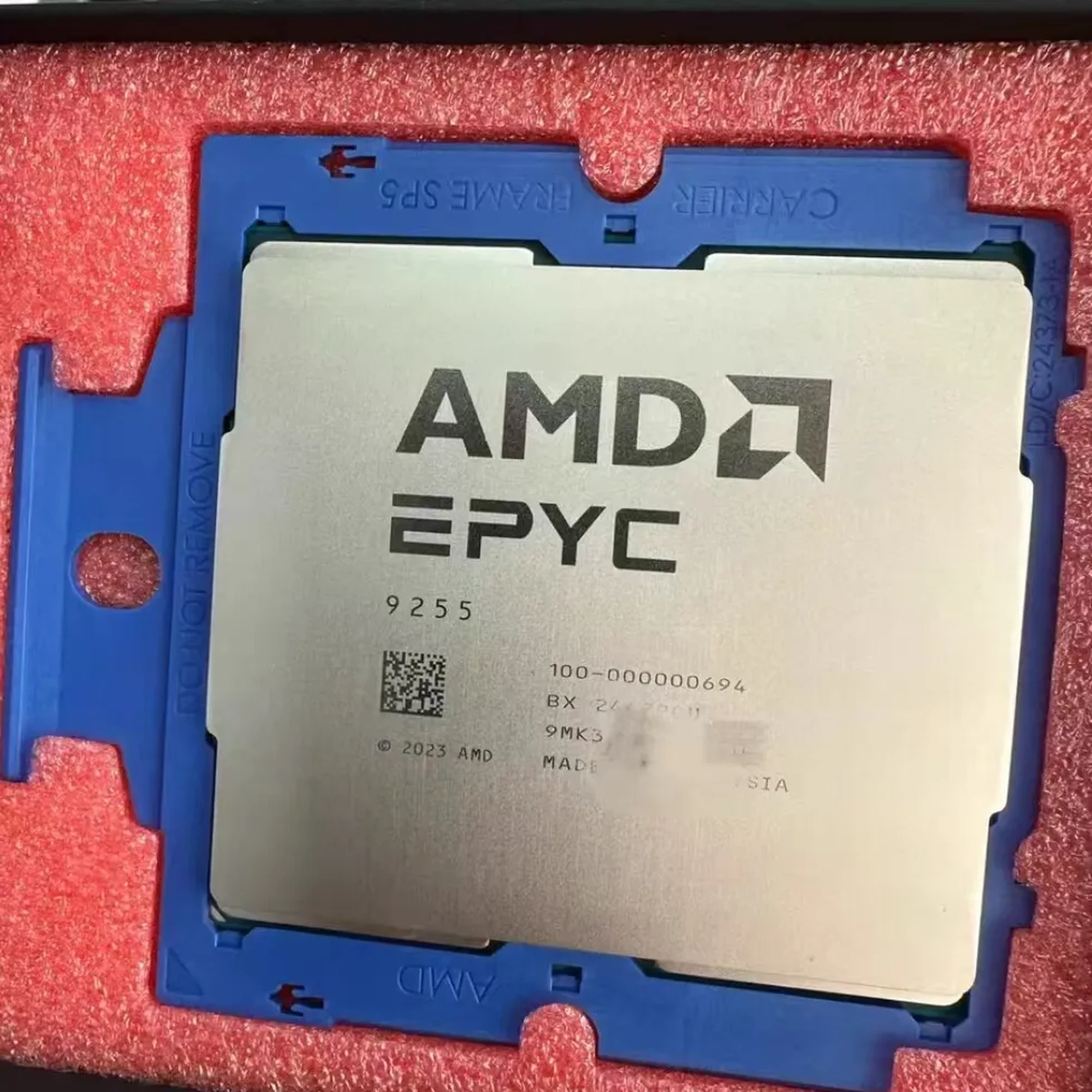
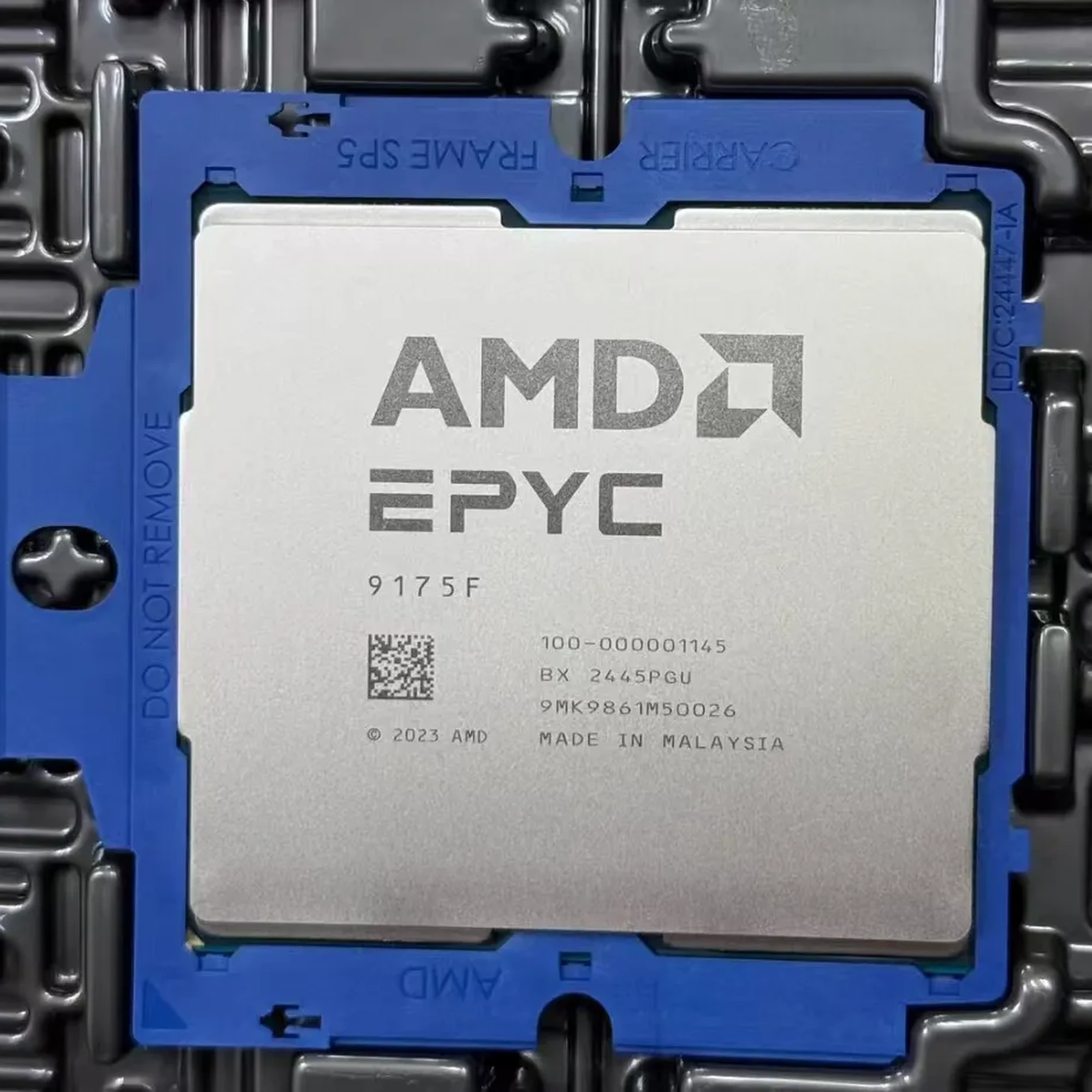
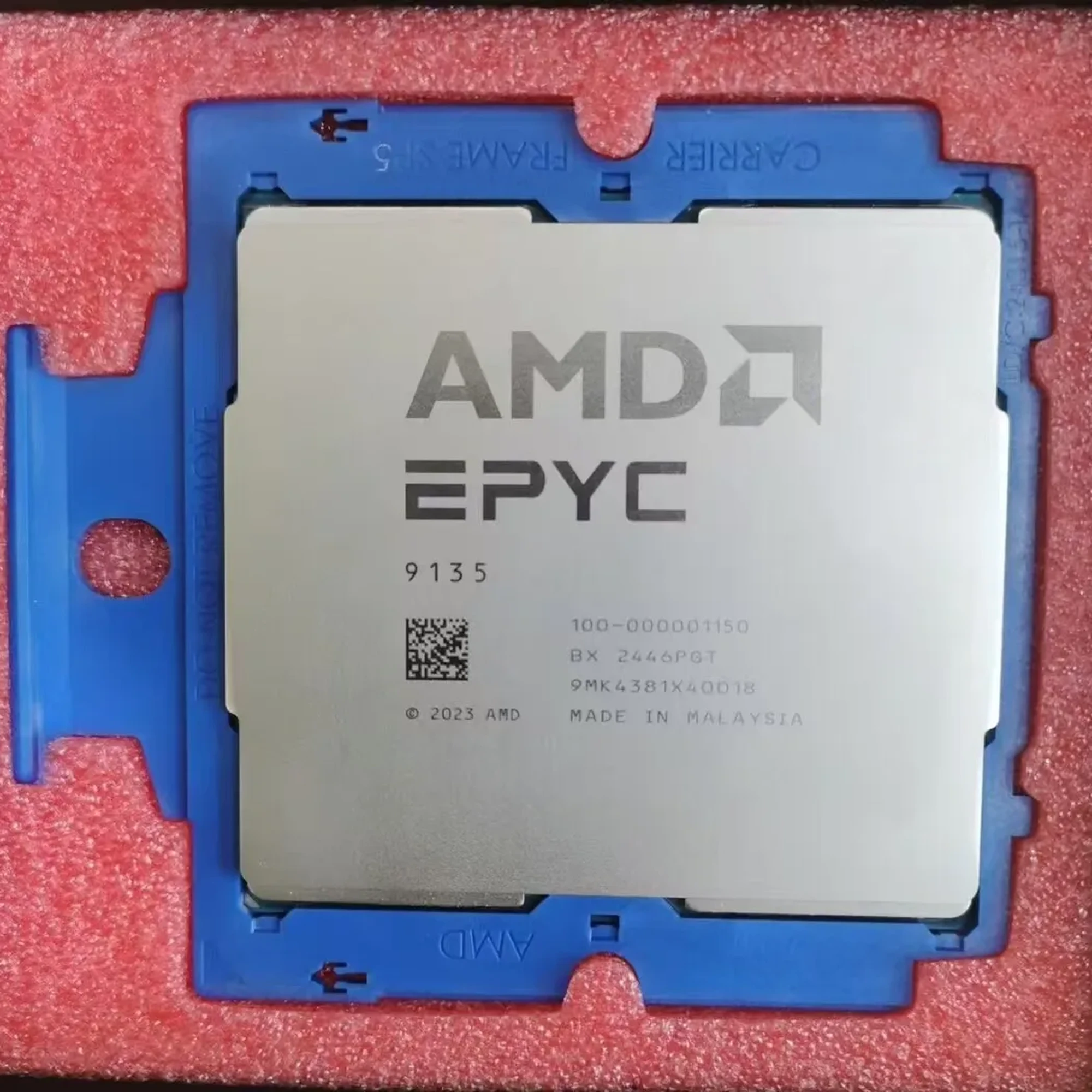
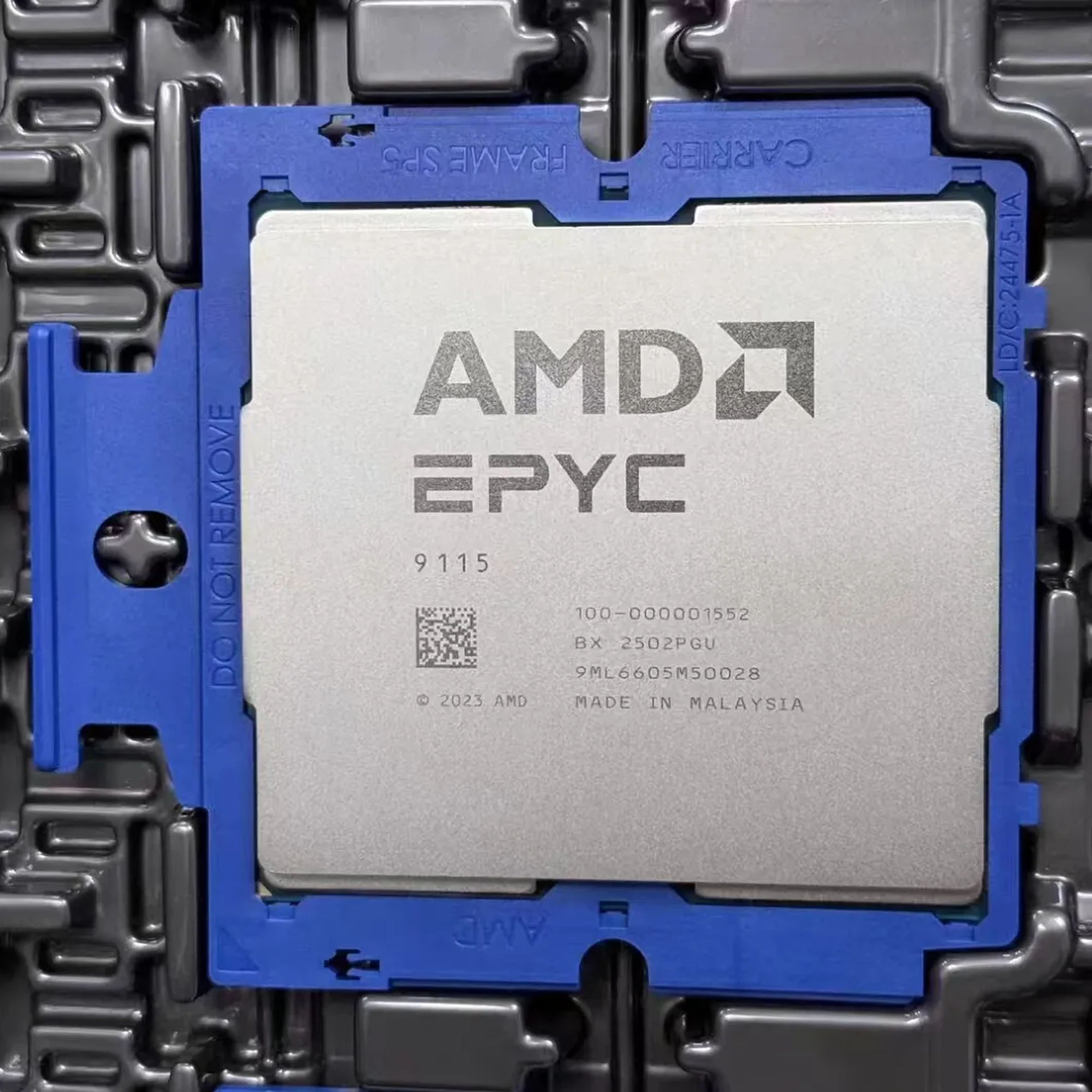
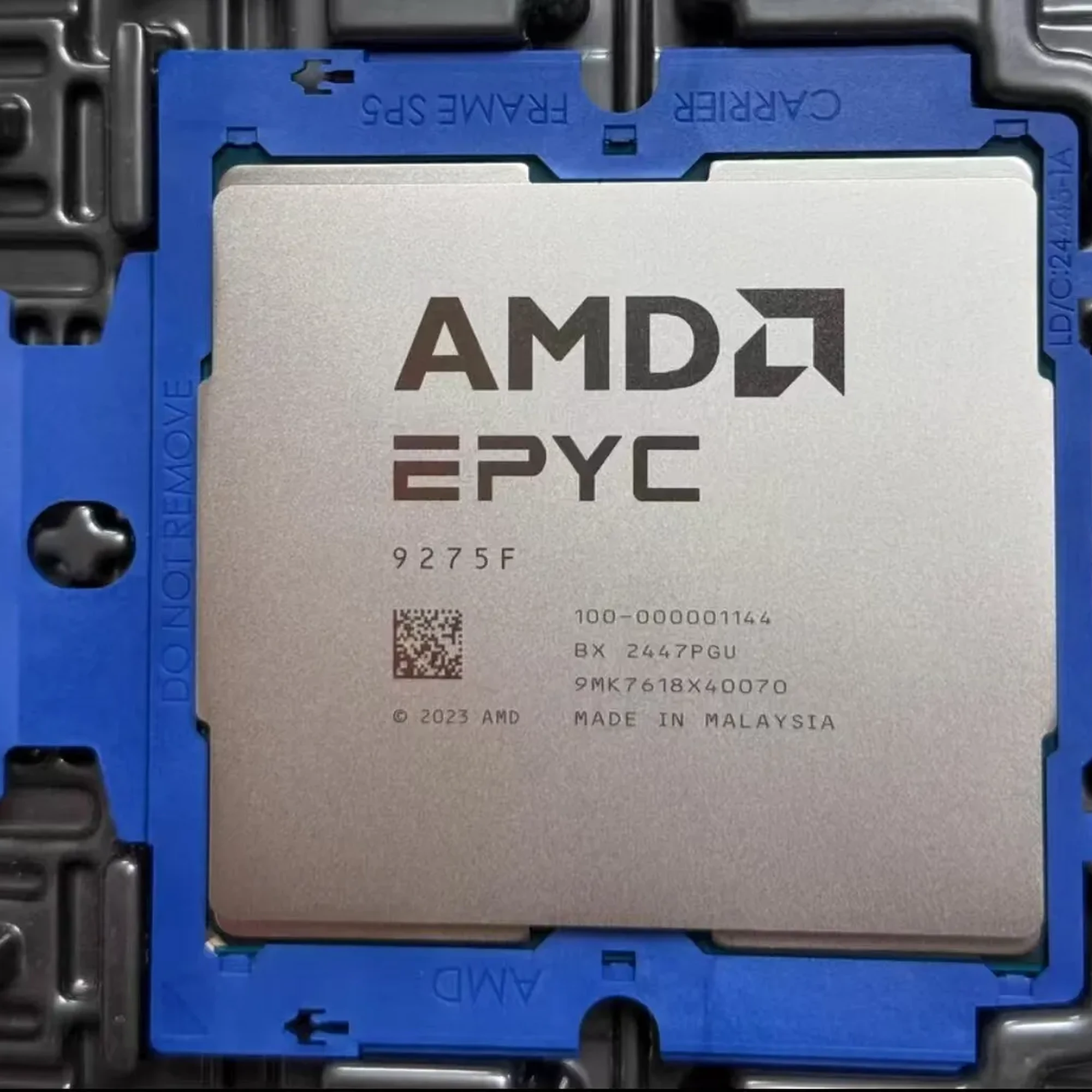

AMD EPYC 9175F 5th Gen 9005 Series Server CPU – 16 Cores, 5.0GHz Boost, 512MB Cache
Overview of AMD EPYC 9175F
The AMD EPYC 9175F is part of the latest 5th Generation EPYC 9005 Series processors, built on the advanced “Zen 5” architecture. Designed for modern data centers, this processor focuses on delivering exceptional single-threaded and per-core performance while maintaining enterprise-grade scalability and efficiency.
With 16 cores and 32 threads, the EPYC 9175F is uniquely positioned for workloads that benefit from high clock speeds rather than sheer core count. It reaches a maximum boost clock of up to 5.0 GHz, making it one of the fastest EPYC processors available in terms of frequency.
This processor is ideal for applications such as electronic design automation (EDA), computational fluid dynamics (CFD), financial modeling, and software licensed per core, where higher frequency translates directly into improved performance.
Built on Zen 5 Architecture
At the heart of the EPYC 9175F lies AMD’s cutting-edge Zen 5 architecture. This new generation significantly enhances instruction-per-clock (IPC) performance, delivering faster execution across a wide range of workloads.
The architecture is manufactured using an advanced 4nm process node, enabling higher transistor density and improved energy efficiency.
Zen 5 also introduces improvements in:
- Branch prediction and execution pipelines
- Floating-point and integer performance
- AI and vector processing capabilities
These enhancements make the EPYC 9175F a powerful solution for both traditional enterprise workloads and emerging AI applications.
High-Frequency Performance Advantage
Unlike many high-core-count server CPUs, the EPYC 9175F is optimized for frequency-sensitive workloads. It features:
- Base clock: 4.2 GHz
- All-core boost: 4.55 GHz
- Max boost clock: up to 5.0 GHz
This makes it ideal for:
- Database systems with per-core licensing
- Real-time analytics
- High-frequency trading platforms
- Engineering simulations
The “F” designation in AMD EPYC processors indicates frequency-optimized SKUs, designed specifically for maximizing performance per core.
Massive Cache for Data-Intensive Workloads
One of the standout features of the EPYC 9175F is its enormous 512MB L3 cache.
This large cache allows:
- Faster data access
- Reduced memory latency
- Improved performance in cache-sensitive workloads
Applications such as simulation modeling, AI inference, and large-scale analytics benefit significantly from this expanded cache capacity.
Advanced Memory Support with DDR5
The EPYC 9175F supports next-generation DDR5 memory, delivering higher bandwidth and improved efficiency compared to DDR4.
Key memory features include:
- 12 memory channels
- Up to 6400 MT/s memory speed
- Up to 614 GB/s memory bandwidth per socket
This high memory bandwidth is particularly valuable for:
- In-memory databases
- AI inference workloads
- Scientific computing
The processor also supports ECC memory, ensuring reliability and data integrity in mission-critical environments.
PCIe 5.0 and I/O Expansion
Modern data centers demand high-speed connectivity, and the EPYC 9175F delivers with PCIe 5.0 support.
Key I/O capabilities include:
- PCIe 5.0 with up to 128 lanes
- Support for high-speed storage and GPUs
- Compatibility with next-gen accelerators
This enables:
- Faster NVMe storage performance
- Improved GPU communication
- Scalable infrastructure for AI and cloud computing
Designed for AI and HPC Workloads
The EPYC 9005 Series, including the 9175F, is built to accelerate AI-enabled applications and high-performance computing.
AMD highlights that these processors are optimized for:
- AI inference workloads
- Machine learning pipelines
- Data analytics and recommendation systems
The EPYC 9175F can also act as a powerful host CPU in GPU-accelerated environments, improving overall system efficiency and throughput.
Enterprise Efficiency and TCO Benefits
Efficiency is a critical factor in modern data centers. The EPYC 9175F delivers strong performance while maintaining competitive total cost of ownership (TCO).
Key efficiency benefits include:
- High performance per core
- Reduced software licensing costs
- Consolidation of workloads onto fewer servers
AMD states that EPYC 9005 processors can significantly reduce data center footprint and power consumption compared to legacy systems.
Scalability and Multi-Socket Support
The EPYC 9175F supports both single-socket (1P) and dual-socket (2P) configurations, enabling flexible deployment options.
This scalability allows organizations to:
- Start with single-socket systems
- Expand to dual-socket configurations for higher performance
- Optimize infrastructure based on workload demands
Multi-socket capability also enhances performance for parallel workloads and large-scale simulations.
Security and Reliability
Security is built into the EPYC platform through AMD Infinity Guard technologies.
Key security features include:
- Secure Encrypted Virtualization (SEV)
- Secure Memory Encryption (SME)
- Advanced hardware-level protections
These features help protect sensitive data and ensure compliance with enterprise security requirements.
Ideal Use Cases
The AMD EPYC 9175F is particularly well-suited for:
Enterprise Applications
- ERP and CRM systems
- Database management systems
- Virtualized environments
High-Performance Computing (HPC)
- Engineering simulations (CAE, CFD, FEA)
- Scientific research
- Financial modeling
AI and Machine Learning
- Inference workloads
- Recommendation systems
- Data preprocessing pipelines
Cloud and Data Centers
- High-density compute nodes
- Virtual machines and containers
- Hybrid cloud deployments
Conclusion
The AMD EPYC 9175F stands out as a specialized high-frequency server processor designed for performance-critical workloads. By combining Zen 5 architecture, massive cache, DDR5 memory, and PCIe 5.0 connectivity, it delivers exceptional per-core performance and scalability.
For organizations that require maximum efficiency in licensed software environments or need fast, responsive compute performance, the EPYC 9175F is a compelling choice.
Specifications Sheet
| Specification | Details |
|---|---|
| Processor Name | AMD EPYC 9175F |
| Series | EPYC 9005 Series |
| Architecture | Zen 5 |
| Cores / Threads | 16 / 32 |
| Base Clock | 4.2 GHz |
| Max Boost Clock | Up to 5.0 GHz |
| All-Core Boost | 4.55 GHz |
| L3 Cache | 512 MB |
| TDP | 320W (Configurable 320–400W) |
| Socket | SP5 |
| Socket Support | 1P / 2P |
| Memory Type | DDR5 |
| Memory Channels | 12 |
| Memory Speed | Up to 6400 MT/s |
| Memory Bandwidth | Up to 614 GB/s |
| PCIe Version | PCIe 5.0 |
| PCIe Lanes | 128 |
| Launch Date | October 10, 2024 |
| Manufacturing Process | 4nm |
| ECC Support | Yes |