
AMD EPYC 5th Gen 9005 Series EPYC 9135 Server Processor – 16 Cores Zen 5 Power
Introduction to AMD EPYC 9135
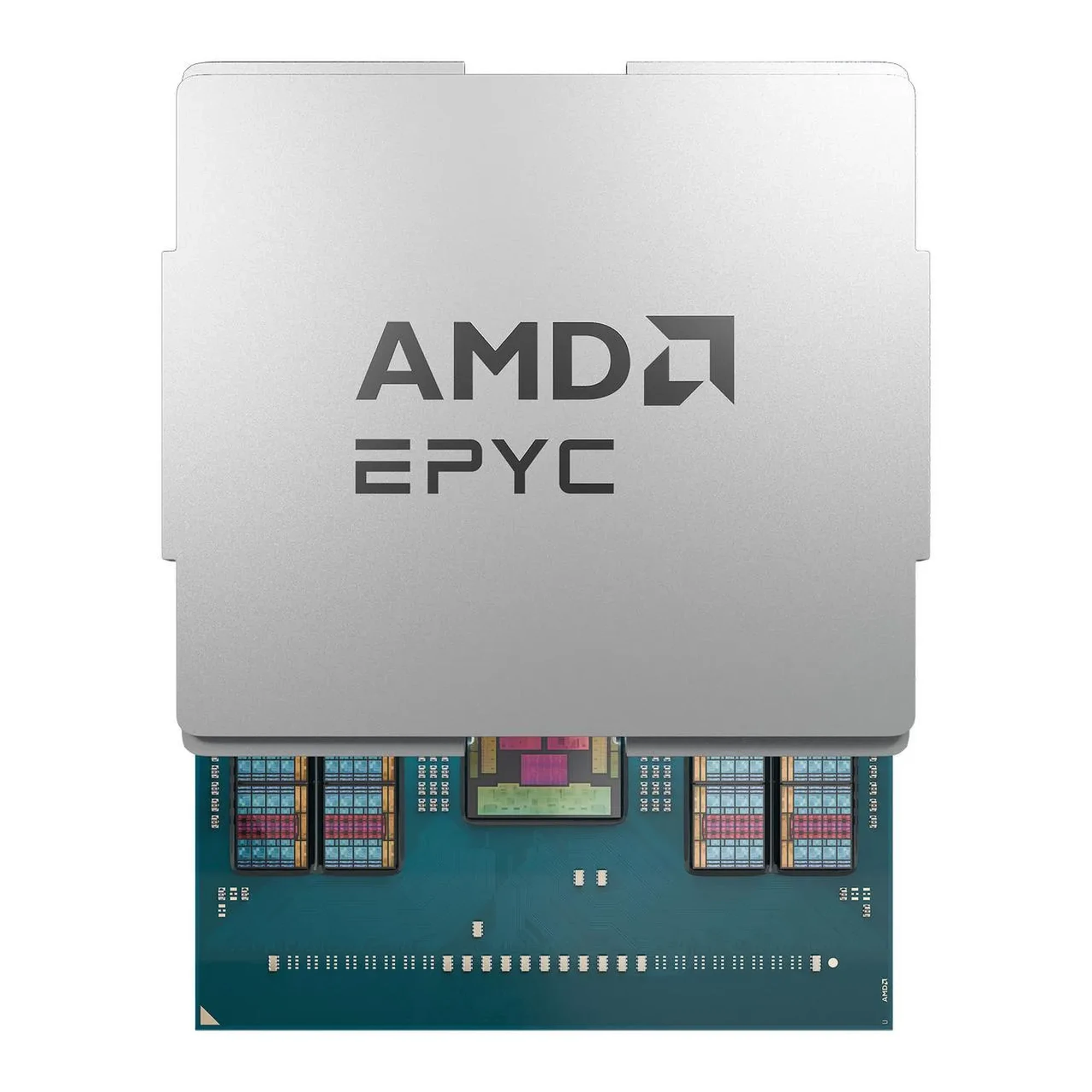
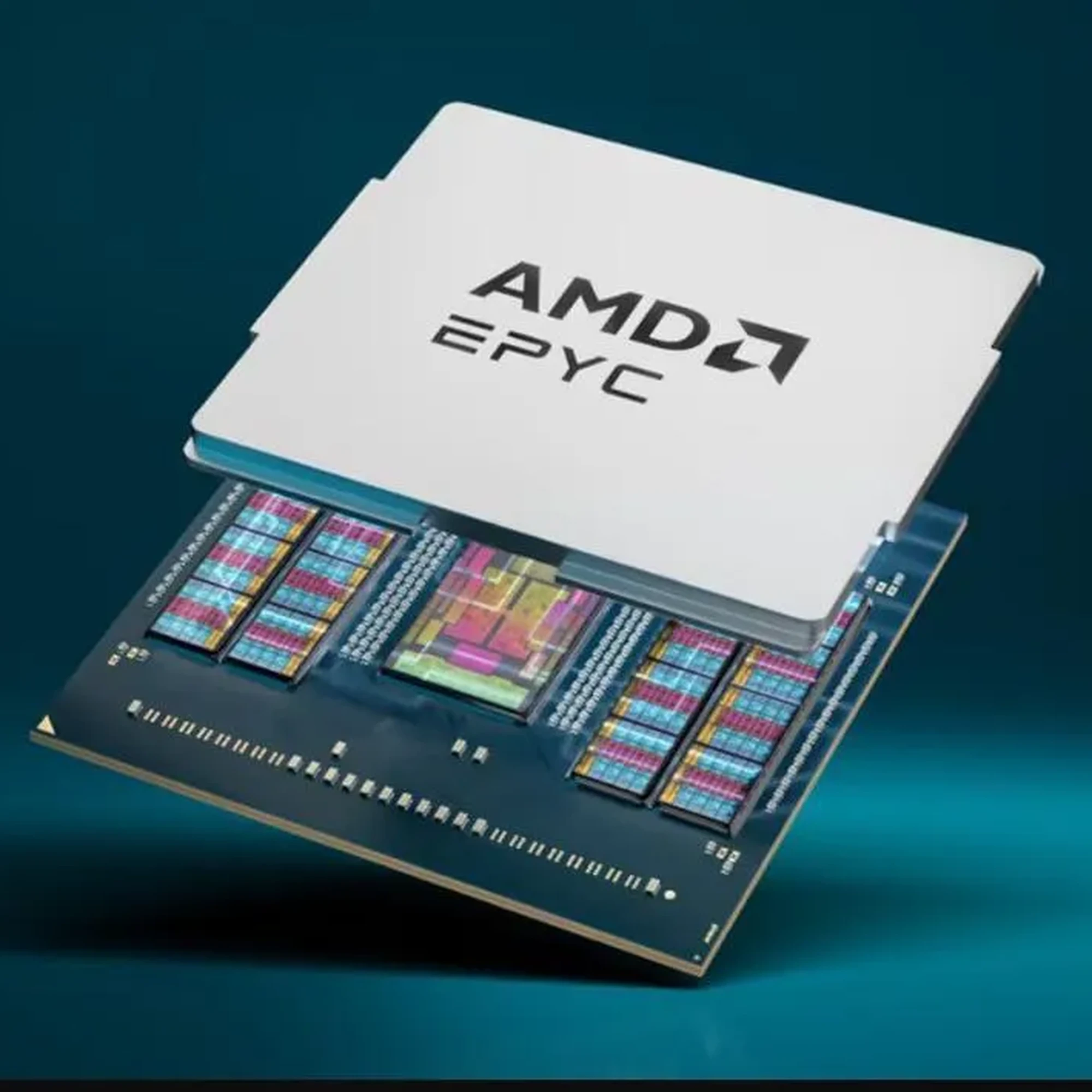
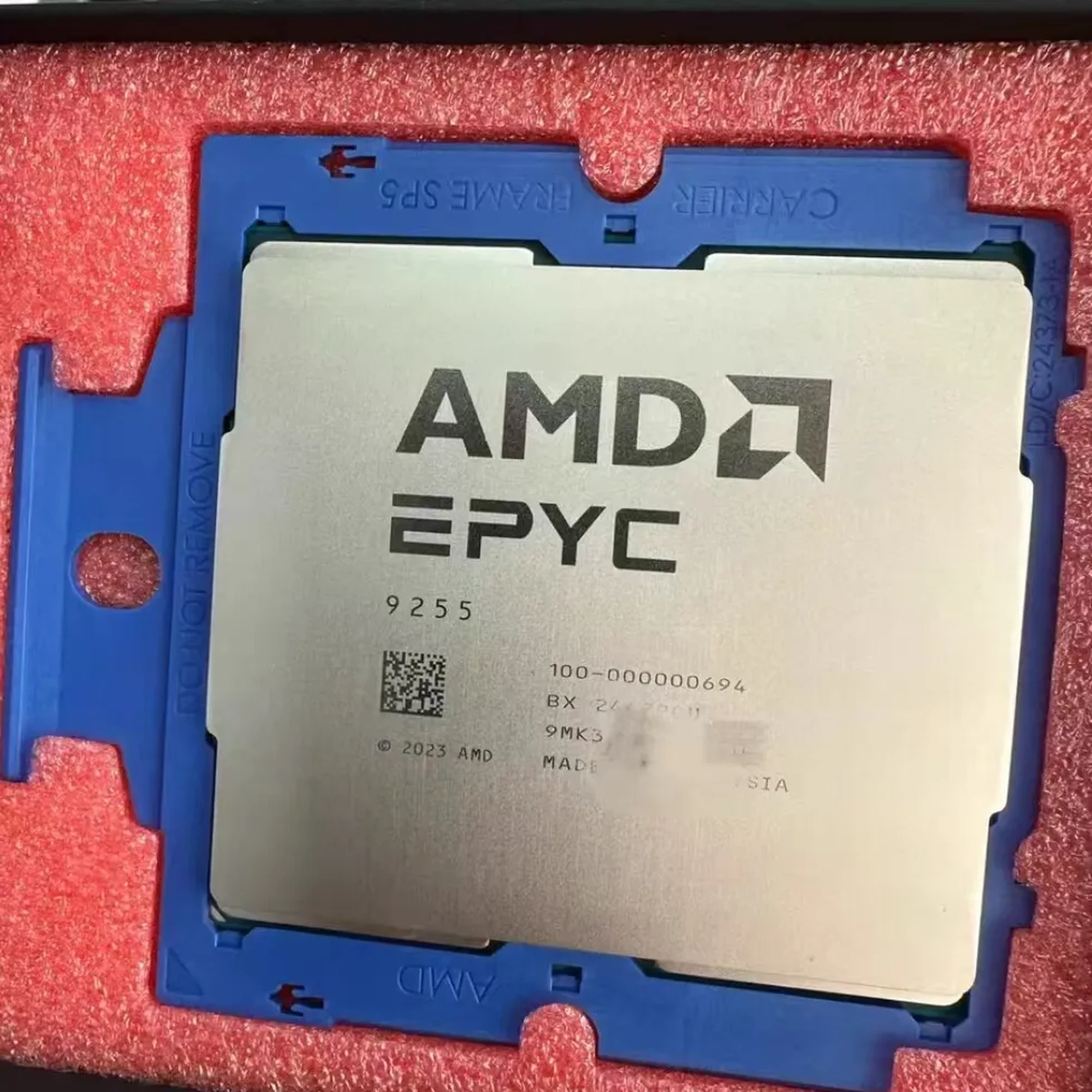
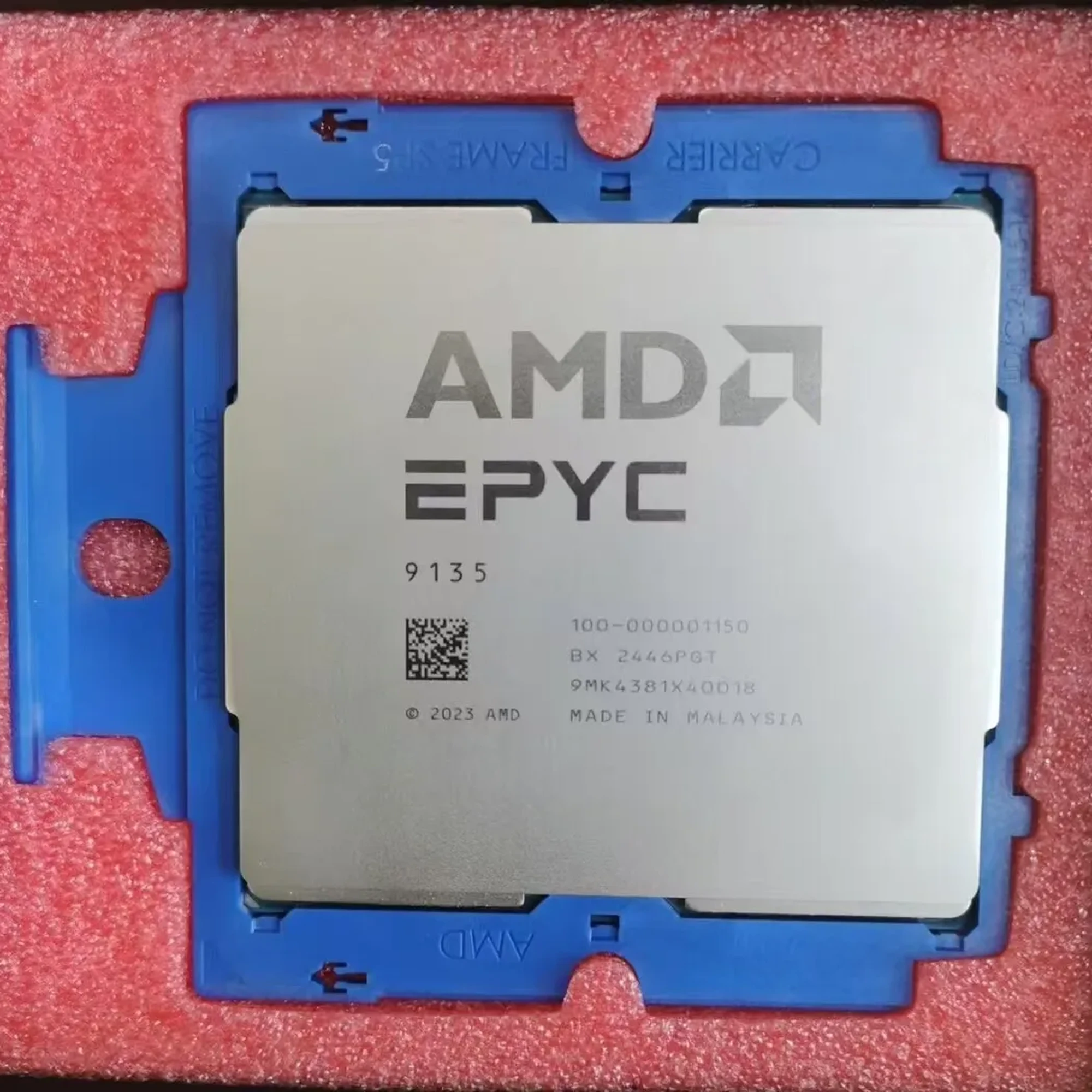
The AMD EPYC 9135 is part of AMD’s cutting-edge 5th Generation EPYC 9005 Series, built to redefine performance standards for modern data centers. Designed using the advanced Zen 5 architecture, this processor delivers exceptional computing power, efficiency, and scalability for enterprise workloads, cloud computing, and AI-driven applications.
With its balanced combination of high clock speeds, efficient core count, and massive memory bandwidth, the EPYC 9135 is an ideal choice for organizations seeking optimized performance per core without compromising overall throughput.
Built on Zen 5 Architecture
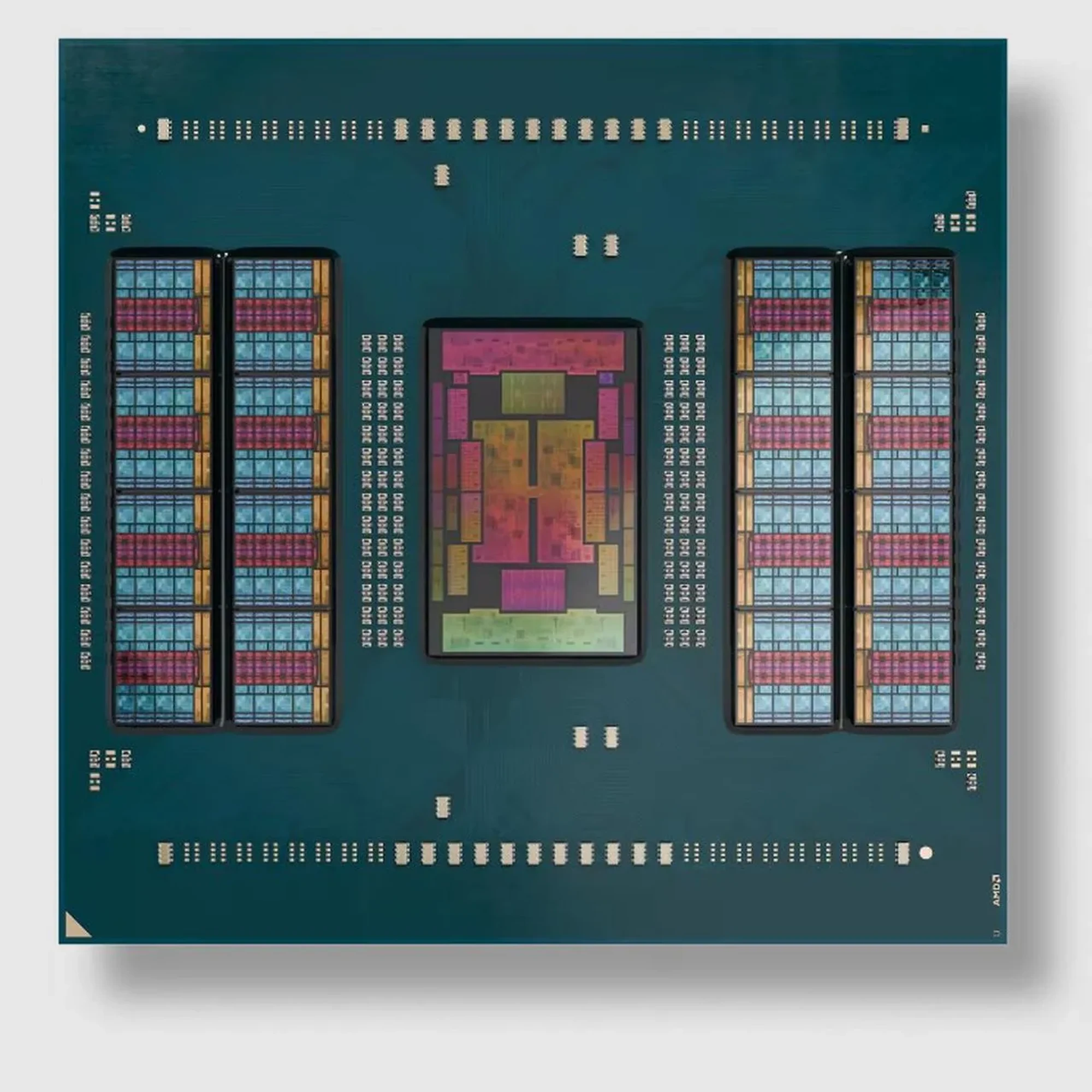
At the heart of the EPYC 9135 lies AMD’s next-generation Zen 5 (Turin) architecture, manufactured using a 4nm process technology. This advanced node enables improved performance per watt and higher transistor density, ensuring better efficiency and scalability for demanding server workloads.
Zen 5 introduces architectural enhancements that improve instruction execution, cache utilization, and AI acceleration capabilities. These improvements make the processor particularly suitable for:
- High-performance computing (HPC)
- Enterprise databases
- AI inference workloads
- Engineering simulations
Core Performance and Processing Power
The AMD EPYC 9135 features 16 cores and 32 threads, leveraging simultaneous multithreading (SMT) to maximize processing efficiency.
With a base clock of 3.65 GHz and a boost frequency up to 4.3 GHz, this processor delivers strong single-thread and multi-thread performance.
Unlike higher core-count models designed for hyperscale workloads, the EPYC 9135 focuses on high-frequency performance, making it ideal for applications that rely heavily on per-core speed, such as:
- Electronic Design Automation (EDA)
- Financial modeling
- Engineering simulations (CAE/CFD/FEA)
- Real-time analytics
The processor also offers an all-core boost frequency of up to 4.25 GHz, ensuring sustained performance under heavy workloads.
Advanced Memory Capabilities
One of the standout features of the EPYC 9135 is its robust memory subsystem. It supports 12-channel DDR5 memory, delivering significantly higher bandwidth compared to previous generations.
Key memory advantages include:
- Up to 6400 MT/s memory speed
- Up to 614 GB/s memory bandwidth per socket
- Support for ECC memory for data integrity
This high memory bandwidth is critical for data-intensive workloads such as:
- Big data analytics
- AI model training and inference
- In-memory databases
PCIe 5.0 and Expansion Capabilities
The EPYC 9135 supports PCIe 5.0 with up to 128 lanes, enabling ultra-fast connectivity for modern data center infrastructure.
This allows seamless integration with:
- High-speed NVMe storage
- GPU accelerators
- Networking cards
- AI accelerators
Additionally, support for CXL 2.0 (Compute Express Link) opens the door for memory expansion and next-generation data center architectures.
Scalability and Multi-Socket Support
The EPYC 9135 is designed for scalability, supporting both single-socket (1P) and dual-socket (2P) configurations.
This flexibility allows businesses to:
- Start with a single CPU deployment
- Scale up to dual processors for higher performance
- Optimize cost-performance ratio
Dual-socket configurations are especially useful for virtualization environments and large-scale enterprise applications.
Power Efficiency and Thermal Design
Despite its high performance, the EPYC 9135 maintains a 200W TDP, with configurable TDP up to 240W.
This balance ensures:
- Efficient energy consumption
- Reduced operational costs
- Better thermal management
The processor is engineered to deliver maximum performance without excessive power draw, making it suitable for energy-conscious data centers.
Security and Reliability Features
AMD integrates advanced security technologies into the EPYC 9135, ensuring data protection at every level.
Key security features include:
- AMD Infinity Guard
- Secure Encrypted Virtualization (SEV-SNP)
- Hardware-level isolation
These features make the processor ideal for:
- Cloud service providers
- Financial institutions
- Government and enterprise environments
Optimized for Modern Workloads
The EPYC 9135 is optimized for a wide range of modern workloads, including:
1. AI and Machine Learning
High clock speeds and AVX-512 support accelerate AI inference tasks.
2. Virtualization and Cloud Computing
With 32 threads and hardware virtualization support, the processor efficiently handles multiple virtual machines.
3. Database and Analytics
High memory bandwidth ensures fast data processing for large-scale databases.
4. Engineering and Scientific Computing
Its high-frequency cores make it ideal for simulation-heavy workloads.
Cache and Data Handling Efficiency
The processor features a 64MB L3 cache, which enhances data access speed and reduces latency.
Combined with:
- Large L2 cache per core
- Optimized cache hierarchy
This ensures smooth handling of large datasets and complex computations.
Platform Compatibility and Ecosystem
The EPYC 9135 uses the SP5 socket platform, ensuring compatibility with the latest server motherboards and infrastructure.
This platform supports:
- DDR5 memory
- PCIe 5.0
- Advanced cooling solutions
Major OEMs and cloud providers have adopted this platform, ensuring a wide ecosystem of compatible solutions.
Why Choose AMD EPYC 9135?
The EPYC 9135 stands out due to its:
- High per-core performance
- Advanced Zen 5 architecture
- Exceptional memory bandwidth
- Strong scalability
- Enterprise-grade security
It is particularly suitable for organizations that need balanced performance and efficiency rather than extreme core counts.
Conclusion
The AMD EPYC 9135 is a powerful, efficient, and scalable server processor designed for modern data centers. With its Zen 5 architecture, high clock speeds, and advanced connectivity, it delivers the performance required for today’s most demanding workloads.
Whether you are running enterprise applications, cloud services, or AI workloads, the EPYC 9135 provides a reliable and future-ready solution.
Specifications
| Specification | Details |
|---|---|
| Model | AMD EPYC 9135 |
| Architecture | Zen 5 (Turin) |
| Process Node | 4nm |
| Cores / Threads | 16 / 32 |
| Base Clock | 3.65 GHz |
| Boost Clock | Up to 4.3 GHz |
| All-Core Boost | Up to 4.25 GHz |
| L3 Cache | 64 MB |
| TDP | 200W (Configurable 200–240W) |
| Socket | SP5 |
| Memory Type | DDR5 |
| Memory Channels | 12 |
| Max Memory Speed | Up to 6400 MT/s |
| Memory Bandwidth | Up to 614 GB/s |
| PCIe Support | PCIe 5.0 x128 |
| Multi-Socket Support | 1P / 2P |
| Launch Date | October 2024 |
5th Gen AMD EPYC Server CPUs Model Specifications
Name | # of CPU Cores | # of Threads | Max. Boost Clock | Base Clock | L3 Cache | Default TDP |
|---|---|---|---|---|---|---|
| AMD EPYC™ 9965 | 192 | 384 | Up to 3.7 GHz | 2.25 GHz | 384 MB | 500W |
| AMD EPYC™ 9845 | 160 | 320 | Up to 3.7 GHz | 2.1 GHz | 320 MB | 390W |
| AMD EPYC™ 9825 | 144 | 288 | Up to 3.7 GHz | 2.2 GHz | 384 MB | 390W |
| AMD EPYC™ 9755 | 128 | 256 | Up to 4.1 GHz | 2.7 GHz | 512 MB | 500W |
| AMD EPYC™ 9745 | 128 | 256 | Up to 3.7 GHz | 2.4 GHz | 256 MB | 400W |
| AMD EPYC™ 9655P | 96 | 192 | Up to 4.5 GHz | 2.6 GHz | 384 MB | 400W |
| AMD EPYC™ 9655 | 96 | 192 | Up to 4.5 GHz | 2.6 GHz | 384 MB | 400W |
| AMD EPYC™ 9645 | 96 | 192 | Up to 3.7 GHz | 2.3 GHz | 256 MB | 320W |
| AMD EPYC™ 9575F | 64 | 128 | Up to 5 GHz | 3.3 GHz | 256 MB | 400W |
| AMD EPYC™ 9565 | 72 | 144 | Up to 4.3 GHz | 3.15 GHz | 384 MB | 400W |
| AMD EPYC™ 9555P | 64 | 128 | Up to 4.4 GHz | 3.2 GHz | 256 MB | 360W |
| AMD EPYC™ 9555 | 64 | 128 | Up to 4.4 GHz | 3.2 GHz | 256 MB | 360W |
| AMD EPYC™ 9535 | 64 | 128 | Up to 4.3 GHz | 2.4 GHz | 256 MB | 300W |
| AMD EPYC™ 9475F | 48 | 96 | Up to 4.8 GHz | 3.65 GHz | 256 MB | 400W |
| AMD EPYC™ 9455P | 48 | 96 | Up to 4.4 GHz | 3.15 GHz | 256 MB | 300W |
| AMD EPYC™ 9455 | 48 | 96 | Up to 4.4 GHz | 3.15 GHz | 256 MB | 300W |
| AMD EPYC™ 9375F | 32 | 64 | Up to 4.8 GHz | 3.8 GHz | 256 MB | 320W |
| AMD EPYC™ 9365 | 36 | 72 | Up to 4.3 GHz | 3.4 GHz | 192 MB | 300W |
| AMD EPYC™ 9355P | 32 | 64 | Up to 4.4 GHz | 3.55 GHz | 256 MB | 280W |
| AMD EPYC™ 9355 | 32 | 64 | Up to 4.4 GHz | 3.55 GHz | 256 MB | 280W |
| AMD EPYC™ 9335 | 32 | 64 | Up to 4.4 GHz | 3 GHz | 128 MB | 210W |
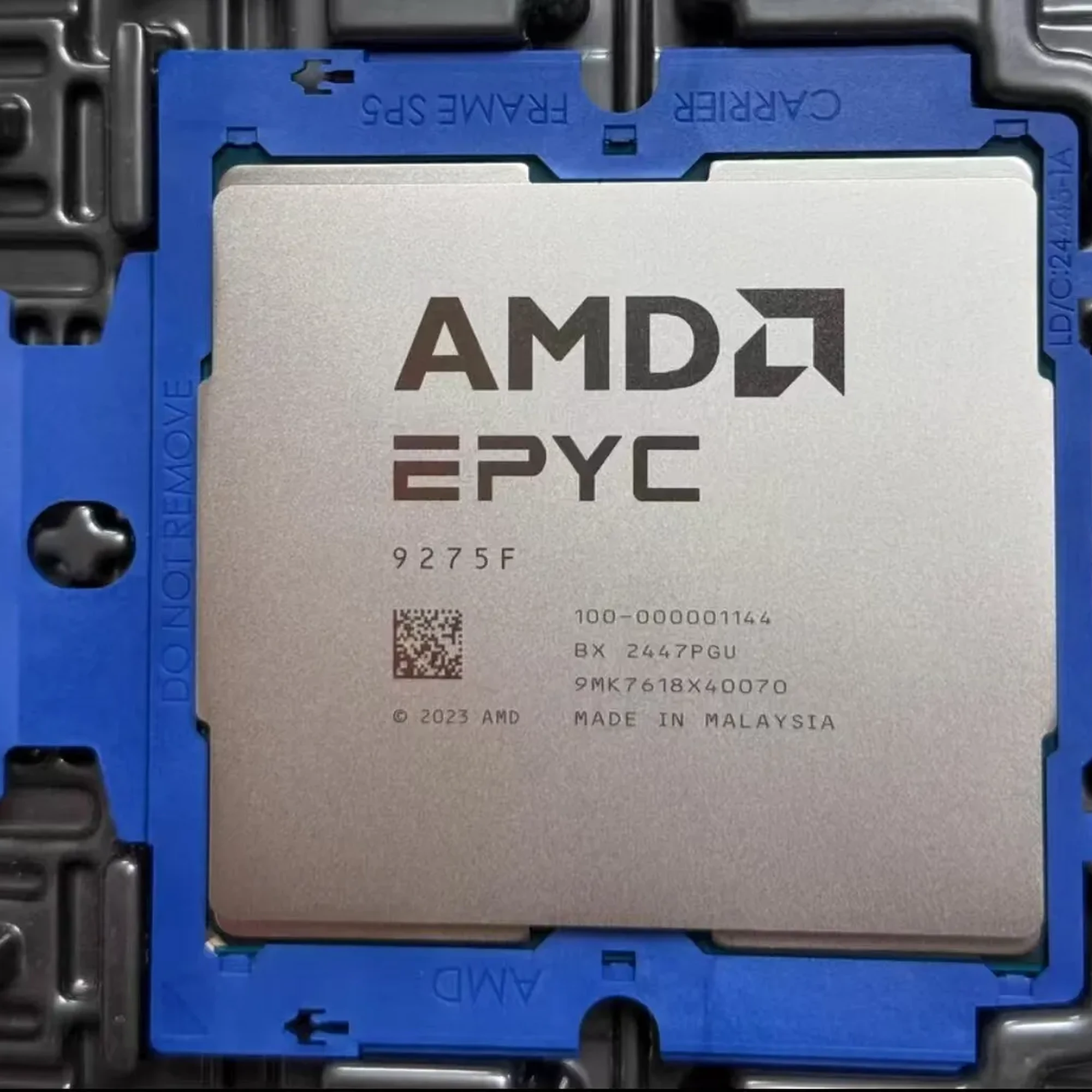
| AMD EPYC™ 9275F | 24 | 48 | Up to 4.8 GHz | 4.1 GHz | 256 MB | 320W |
| AMD EPYC™ 9255 | 24 | 48 | Up to 4.3 GHz | 3.2 GHz | 128 MB | 200W |
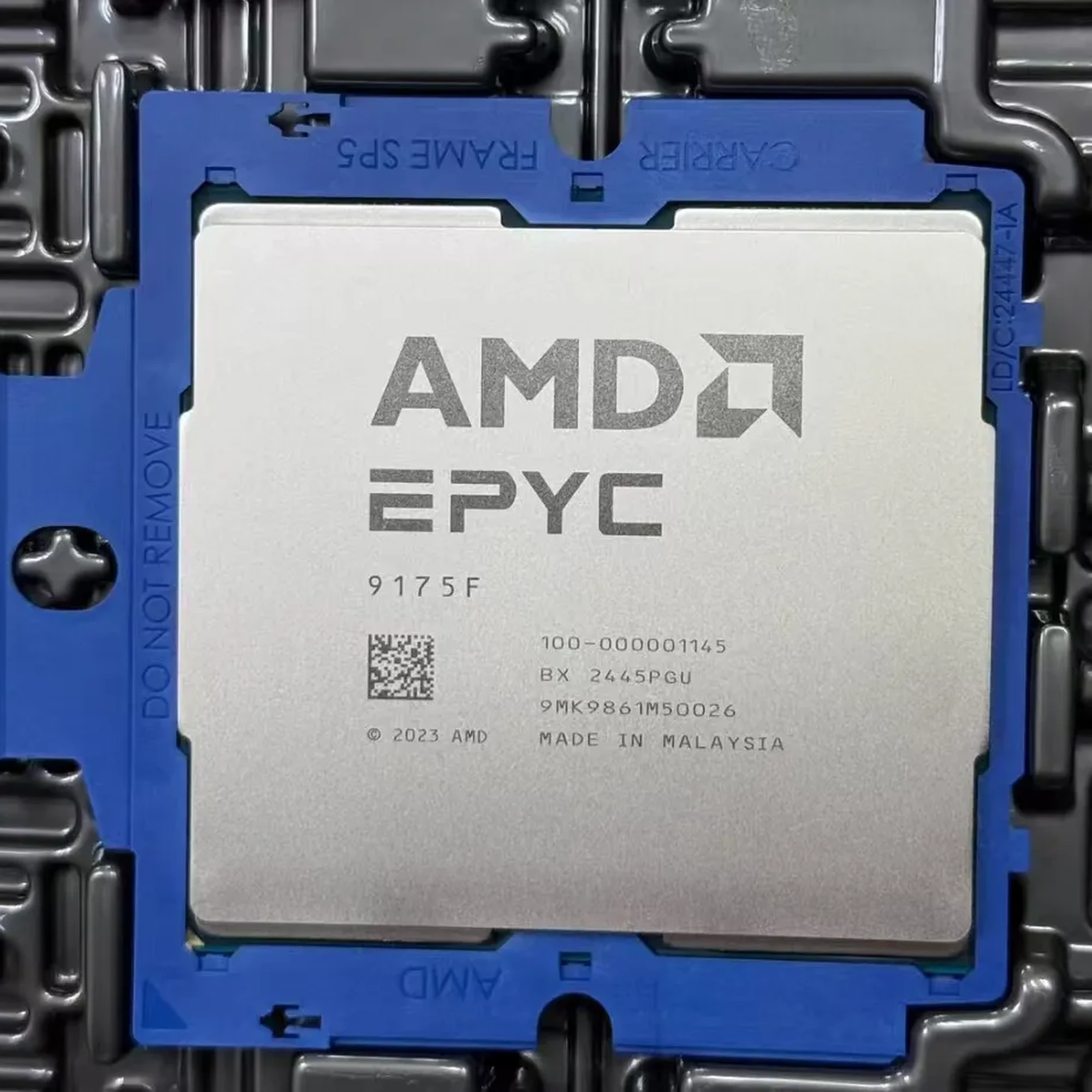
| AMD EPYC™ 9175F | 16 | 32 | Up to 5 GHz | 4.2 GHz | 512 MB | 320W |
| AMD EPYC™ 9135 | 16 | 32 | Up to 4.3 GHz | 3.65 GHz | 64 MB | 200W |
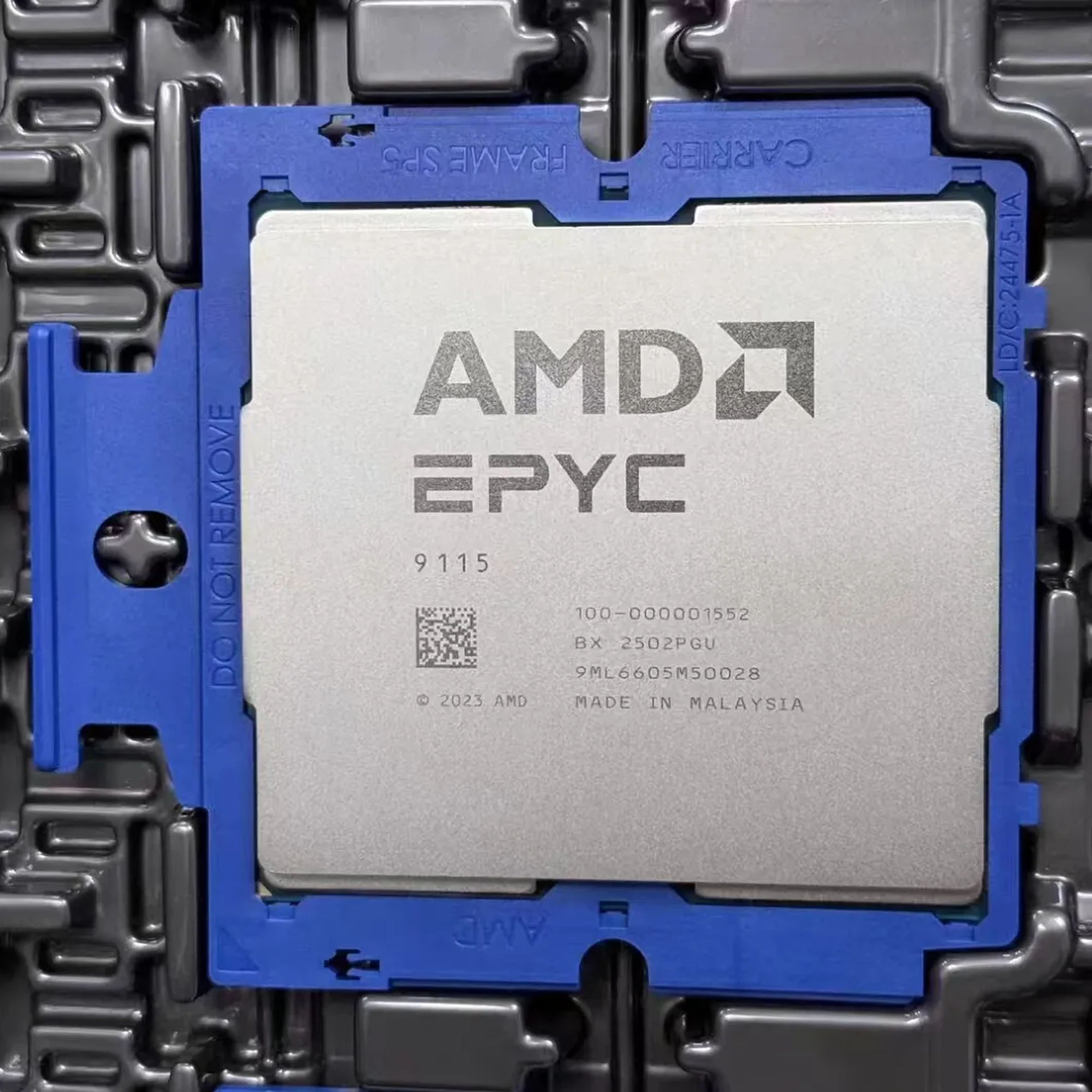
| AMD EPYC™ 9115 | 16 | 32 | Up to 4.1 GHz | 2.6 GHz | 64 MB | 125W |
| AMD EPYC™ 9015 | 8 | 16 | Up to 4.1 GHz | 3.6 GHz | 64 MB | 125W |