-
 Pick up from the CUBETIQ Store

-
Courier delivery

-
DHL/UPS/Fedex Courier delivery

Don't Miss Top Accessories
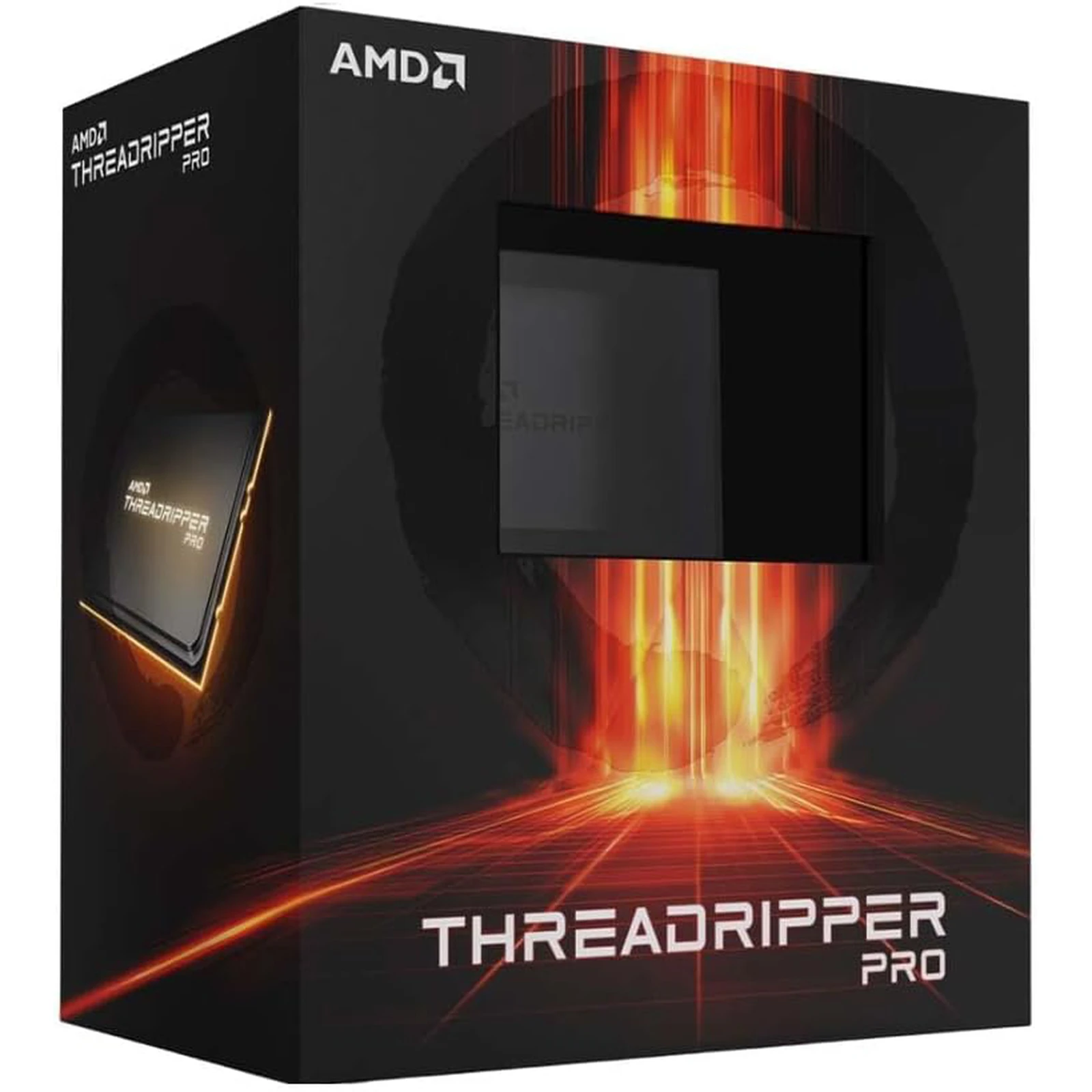
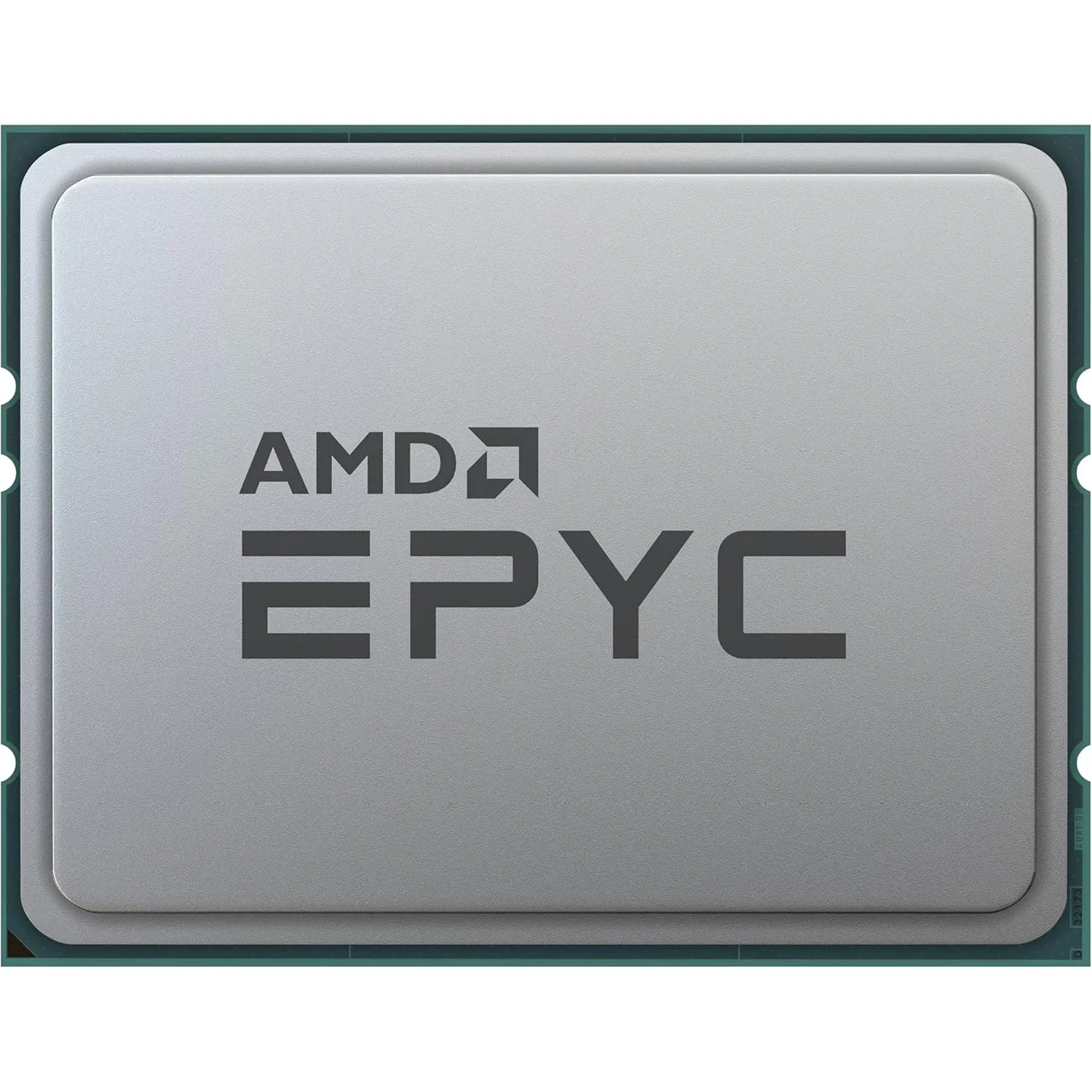
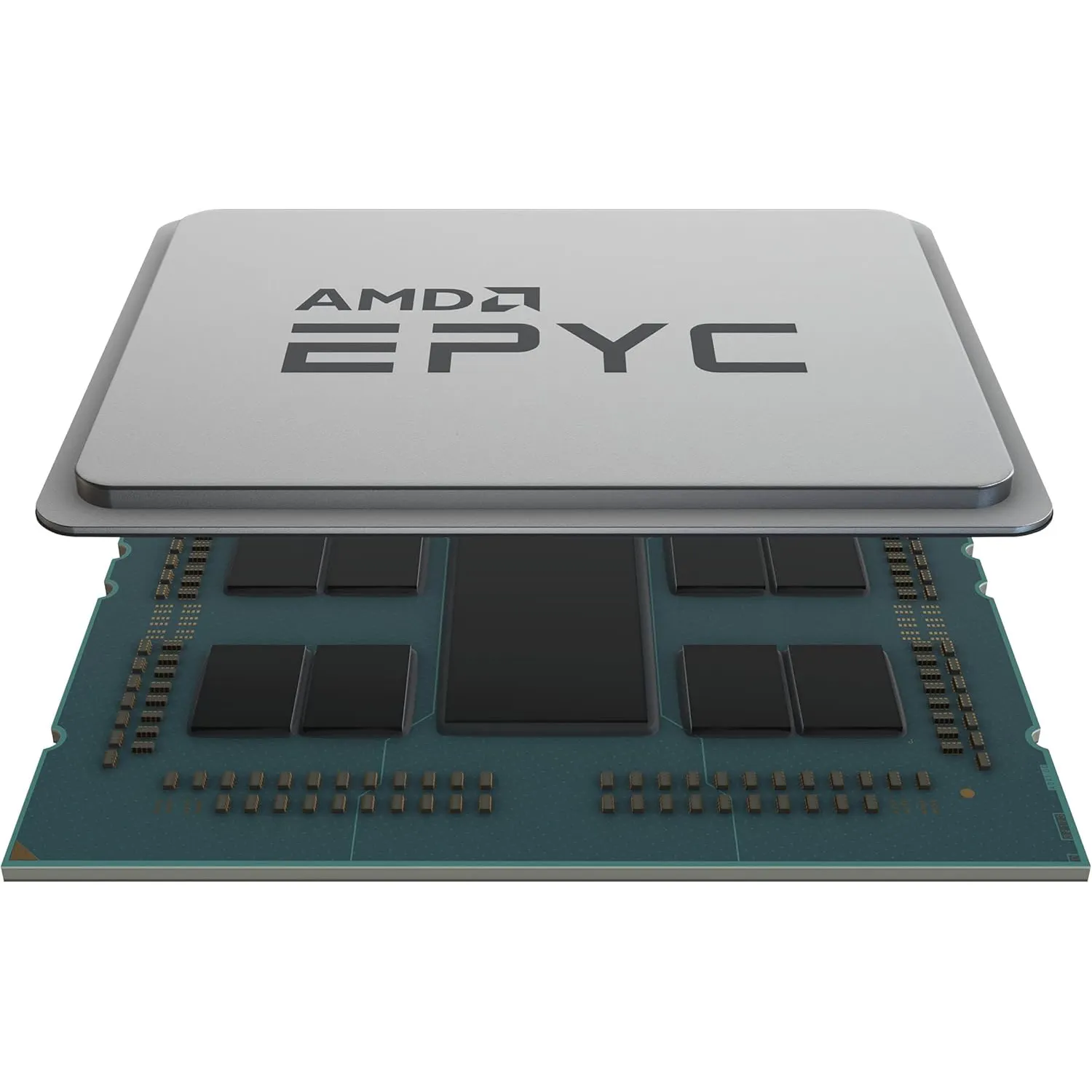
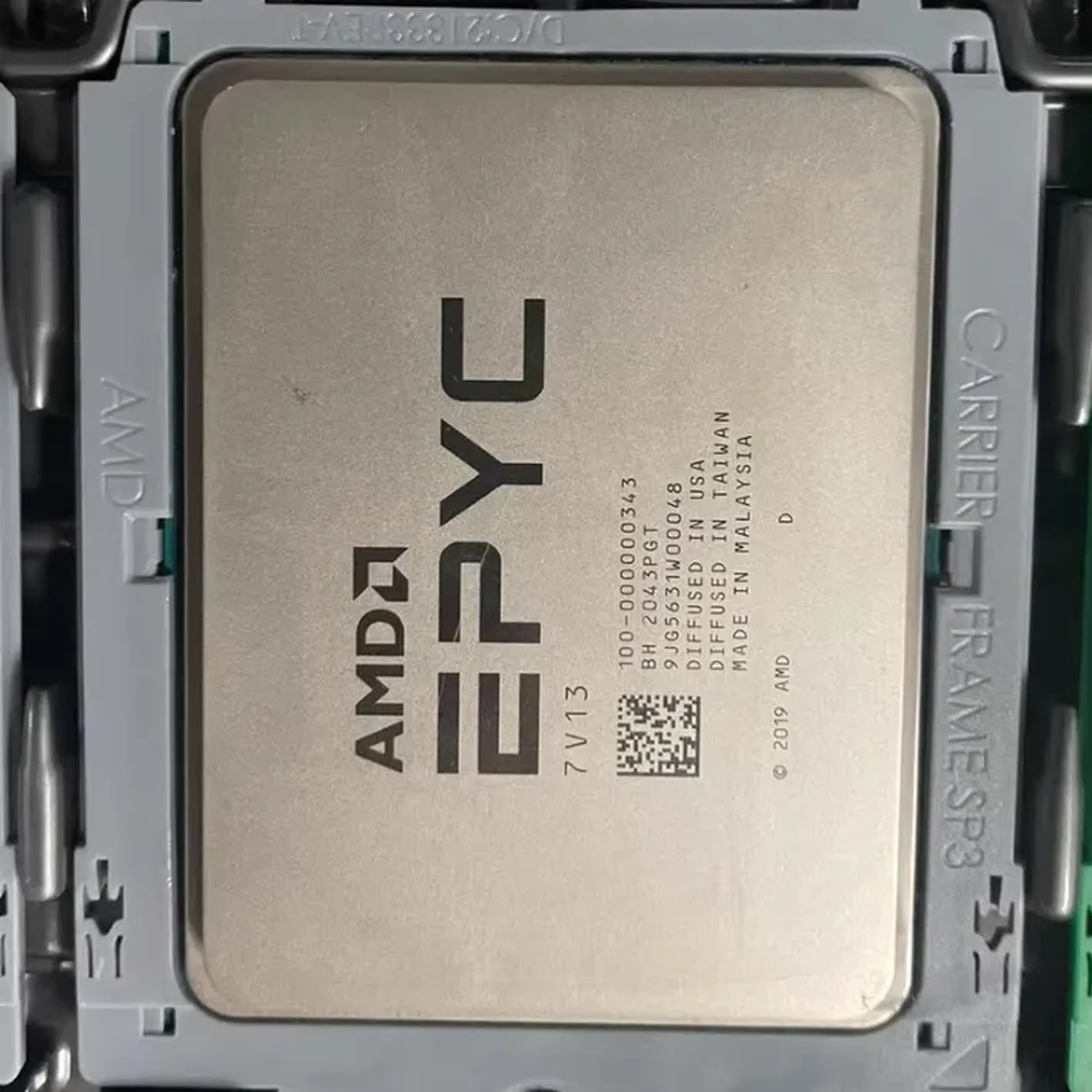
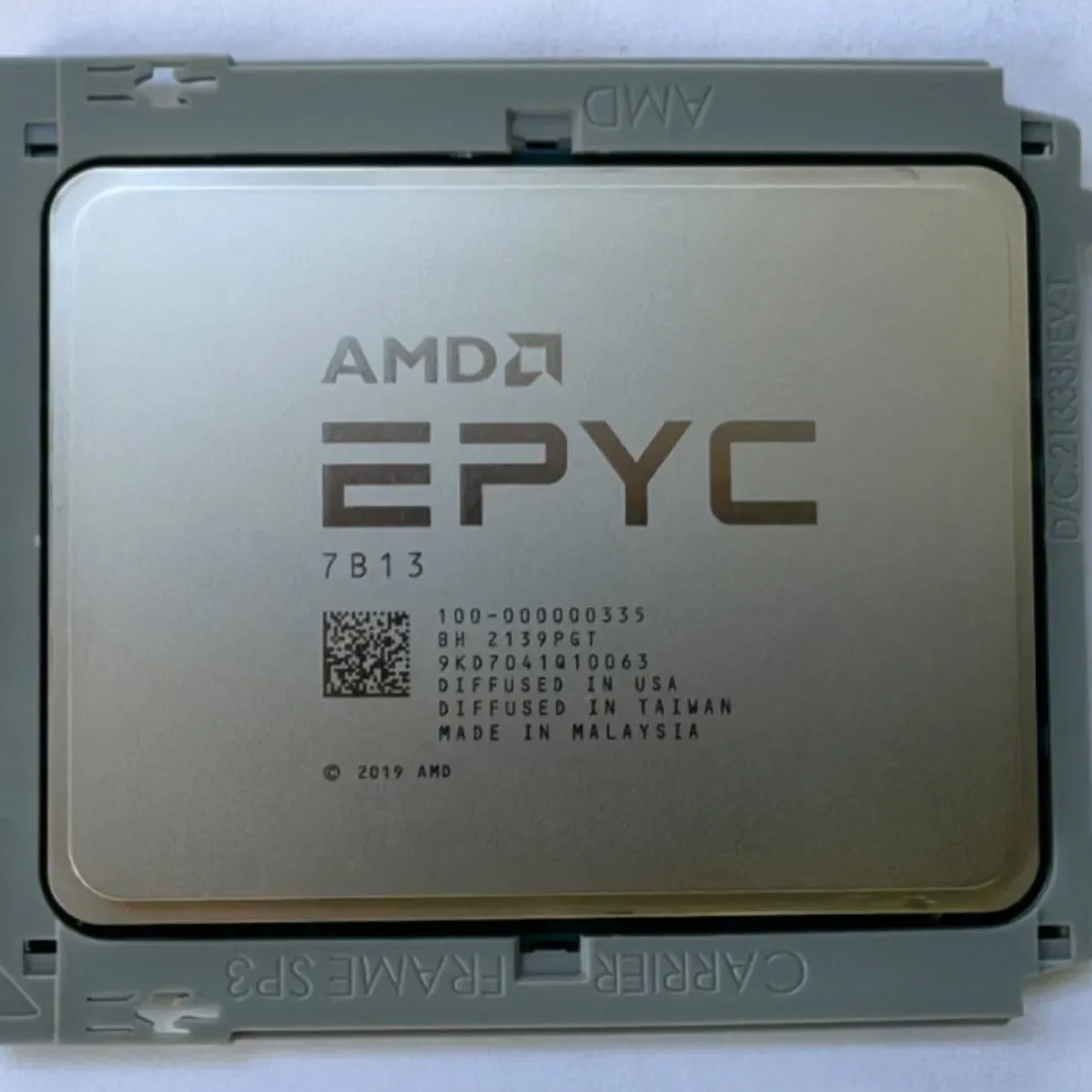
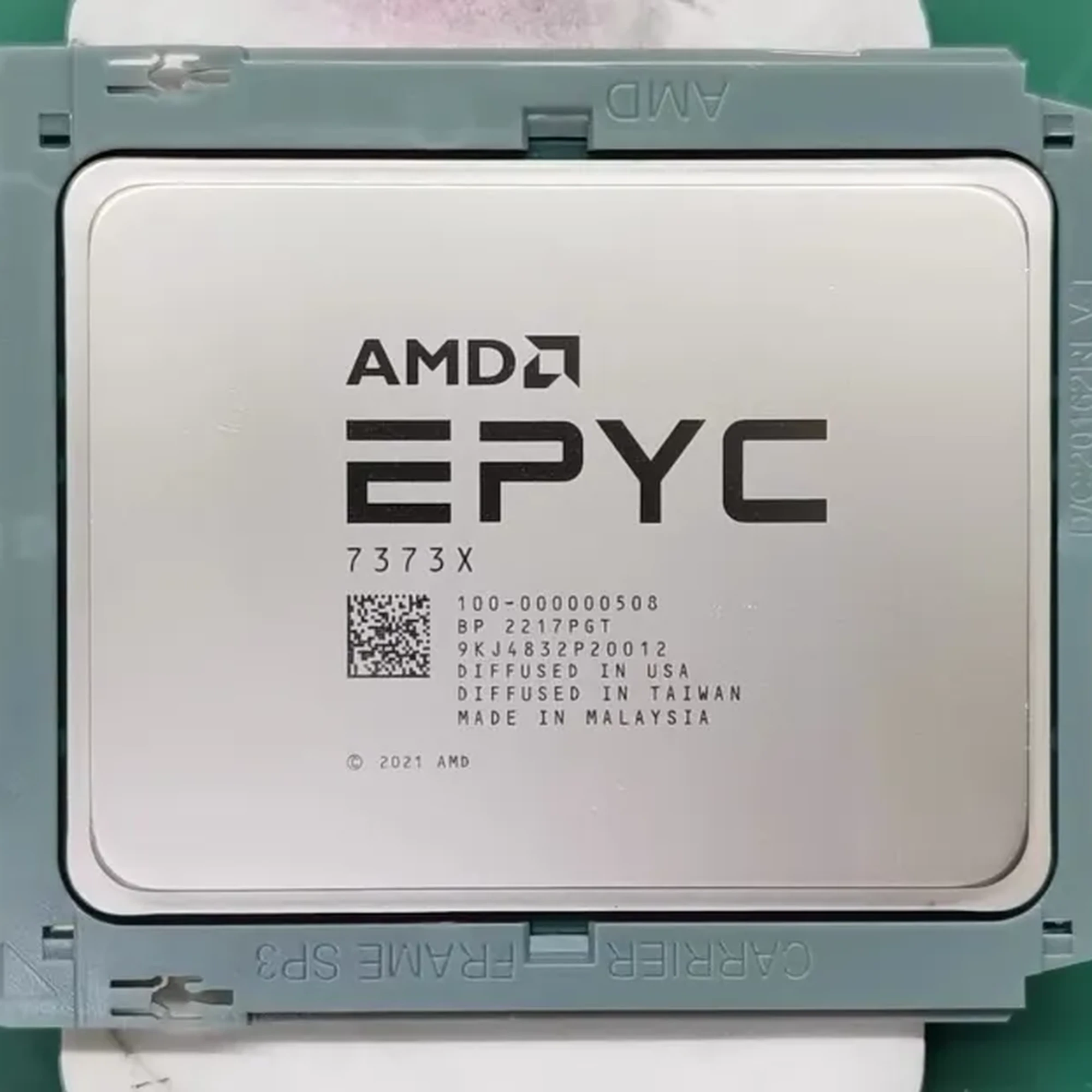
AMD EPYC 7V13 64-Core Server Processor | 2.5GHz Base, 3.7GHz Turbo, 128 Threads & High Performance
| Specification | Details |
|---|---|
| Processor Model | AMD EPYC 7V13 |
| Alternative Name | AMD EPYC 7V13 64-Core Processor |
| Product Class | Server Processor |
| Socket Type | SP3 (LGA 4094) |
| Architecture | Zen 2 |
| Physical Cores | 64 |
| Threads | 128 (2 threads per core) |
| Base Clock Speed | 2.5 GHz (2450 MHz variant available) |
| Turbo Boost Speed | Up to 3.7 GHz |
| Typical TDP | 240 W |
| Memory Type | DDR4 ECC RDIMMs / LRDIMMs |
| Memory Channels | 8 |
| Max Memory Bandwidth | Up to 204.8 GB/s |
| Launch Date | Q2 2021 (First seen on charts: Q2 2021) |
| Multithread Rating (PassMark) | 82,878 |
| Single Thread Rating (PassMark) | 2,729 |
| Overall CPU Rank (PassMark) | 61st (multithreading) / 853rd (single threading) |
| Server CPU Rank (PassMark) | 53rd out of 1,158 server CPUs |
| Key Benchmark Results | Integer Math: 520,032 MOps/Sec; Floating Point Math: 279,557 MOps/Sec; Data Encryption: 112,176 MBytes/Sec; Data Compression: 1,565,708 KBytes/Sec |
| Compatible Motherboards | EPYC 7001, 7002, 7003 series motherboards (SP3 socket, updated BIOS required) |
| Security Features | AMD Infinity Guard, Secure Memory Encryption, Secure Boot |
The AMD EPYC 7V13 stands as a robust and versatile server processor, engineered to meet the demands of modern data centers, cloud environments, and high-performance computing (HPC) workloads. Launched in Q2 2021, this processor is part of AMD’s EPYC lineup, renowned for delivering exceptional core density, memory bandwidth, and energy efficiency—making it a top choice for businesses seeking to optimize their server infrastructure without compromising on performance or scalability.
Key Overview: What Makes the AMD EPYC 7V13 Stand Out?
At its core, the AMD EPYC 7V13 is built to handle the most demanding server tasks, from virtualization and containerization to data analytics and enterprise applications. With 64 physical cores and 128 threads, it offers unmatched multithreaded performance, making it ideal for workloads that require parallel processing power. Unlike consumer-grade CPUs, the EPYC 7V13 is designed specifically for server environments, with features tailored to ensure reliability, security, and long-term durability.
One of the most notable advantages of the EPYC 7V13 is its balance of performance and power efficiency. With a base clock speed of 2.5GHz and a turbo boost speed of up to 3.7GHz, it delivers consistent performance for both light and heavy workloads. Its 240W typical TDP (Thermal Design Power) ensures that it operates efficiently, reducing energy costs for data centers while maintaining peak performance. Additionally, the processor is compatible with the SP3 socket, making it easy to integrate into existing server setups that support AMD EPYC 7001, 7002, and 7003 series processors—provided the motherboard BIOS is updated to support Zen 2 architecture.
Performance Benchmarks: Unmatched Multithreaded Power
When it comes to performance, the AMD EPYC 7V13 shines in multithreaded tasks, which are critical for server environments. According to PassMark benchmarks, the EPYC 7V13 achieves an average multithread rating of 82,878, placing it 61st out of 5,363 CPUs tested and 53rd out of 1,158 server CPUs globally. This exceptional multithreaded performance makes it ideal for workloads such as virtual machine (VM) hosting, cloud computing, and data compression, where the ability to process multiple tasks simultaneously is essential.
In single-threaded performance, the EPYC 7V13 delivers a rating of 2,729, placing it 853rd out of 5,363 CPUs tested. While single-threaded performance is not its primary focus, it still delivers enough power to handle single-threaded tasks efficiently, ensuring that applications run smoothly even when multiple threads are active. This balance of single and multithreaded performance makes the EPYC 7V13 a versatile choice for mixed-workload environments.
Breaking down the benchmark results further, the EPYC 7V13 excels in key server-focused tasks: it achieves 520,032 MOps/Sec in integer math, 279,557 MOps/Sec in floating-point math, 555 million primes/sec in prime number finding, and 112,176 MBytes/Sec in data encryption. It also delivers 1,565,708 KBytes/Sec in data compression, 4,200 frames/sec in physics processing, and 93,546 million matrices/sec in extended instructions—all of which highlight its ability to handle the most demanding server workloads with ease.
Technical Specifications: Built for Server Reliability
The AMD EPYC 7V13 is packed with technical features that make it suitable for enterprise-grade server environments. Its 64 physical cores (128 threads) are built on AMD’s Zen 2 architecture, which delivers improved IPC (Instructions Per Cycle) compared to previous generations, ensuring faster and more efficient processing. The processor uses the SP3 socket (LGA 4094), which is compatible with a wide range of server motherboards from manufacturers like Supermicro, Gigabyte, and ASUS—provided the BIOS is updated to support Zen 2 processors.
In terms of memory, the EPYC 7V13 supports 8-channel DDR4 ECC RDIMMs/LRDIMMs, with a maximum memory bandwidth of up to 204.8 GB/s. This high memory bandwidth is critical for server workloads that require fast access to large datasets, such as data analytics and database management. Unlike Intel’s 6-channel memory design, AMD’s 8-channel setup ensures that the processor can handle heavy I/O loads without bottlenecks, improving overall system performance.
The EPYC 7V13 also features advanced security capabilities, including AMD Infinity Guard, which provides hardware-level security to protect against modern threats. This includes secure memory encryption, secure boot, and firmware TPM (Trusted Platform Module) support, ensuring that sensitive data is protected at all times. For businesses handling confidential information, these security features are essential for maintaining compliance with industry regulations.
Ideal Use Cases: Where the AMD EPYC 7V13 Excels
The AMD EPYC 7V13 is designed for a wide range of server workloads, making it a versatile choice for businesses of all sizes. Here are some of its most common use cases:
Virtualization and Cloud Computing: With 64 cores and 128 threads, the EPYC 7V13 can host dozens of virtual machines simultaneously, making it ideal for cloud hosting providers and enterprises running virtualized environments. Its high memory bandwidth ensures that VMs have fast access to memory, reducing latency and improving user experience. A mid-sized cloud hosting provider in Poland, for example, replaced dual Intel Xeon Gold 6148 processors with AMD EPYC processors (close siblings of the 7V13) and saw a significant improvement in VM density without increasing rack space or power draw.
Data Centers and High-Density Workloads: The EPYC 7V13’s high core density and energy efficiency make it perfect for data centers looking to maximize rack space and reduce energy costs. Its 240W TDP ensures that it uses less power per core compared to many competing processors, making it a cost-effective choice for large-scale data centers.
Data Analytics and Big Data Processing: The processor’s exceptional multithreaded performance and high memory bandwidth make it ideal for data analytics workloads, such as machine learning, artificial intelligence, and big data processing. It can handle large datasets quickly, reducing processing time and improving productivity.
Enterprise Applications: The EPYC 7V13 is well-suited for running enterprise applications, such as ERP (Enterprise Resource Planning), CRM (Customer Relationship Management), and SCM (Supply Chain Management) systems. Its reliability and performance ensure that these critical applications run smoothly, minimizing downtime and improving business efficiency.
Compatibility and Migration Considerations
For businesses looking to upgrade their server infrastructure to the AMD EPYC 7V13, compatibility is a key consideration. The processor uses the SP3 socket, which is compatible with motherboards designed for AMD EPYC 7001, 7002, and 7003 series processors. However, it is not compatible with older Intel sockets (such as LGA 3647 or Socket 2011) or motherboards designed for Intel Xeon processors.
To ensure compatibility, businesses should follow these steps: first, identify their current server model and motherboard part number; second, check the manufacturer’s website to confirm that the 7V13 is supported; third, download and flash the latest BIOS version to support Zen 2 architecture; fourth, verify that the memory configuration matches the EPYC 7V13’s requirements (minimum two RDIMMs per channel, populated in balanced slots); and finally, run stress tests using tools like Linpack or SPECrate_2017_int_base before full deployment.
Why Choose the AMD EPYC 7V13 Over Competitors?
When compared to competing server processors, the AMD EPYC 7V13 offers several key advantages. For example, it provides more cores and threads than many Intel Xeon processors in the same price range, delivering better multithreaded performance for server workloads. Its 8-channel memory bandwidth is also superior to Intel’s 6-channel design, reducing memory bottlenecks and improving overall system performance.
Additionally, the EPYC 7V13 offers better energy efficiency, with a lower TDP per core compared to many competing processors. This translates to lower energy costs for data centers, making it a more cost-effective choice in the long run. Its compatibility with existing EPYC motherboards also makes it easier and more affordable to upgrade, as businesses do not need to replace their entire server infrastructure.
Conclusion: A Reliable Choice for Modern Server Environments
The AMD EPYC 7V13 is a high-performance, reliable server processor that delivers exceptional multithreaded performance, energy efficiency, and versatility. Whether you’re running a data center, cloud hosting service, or enterprise applications, the EPYC 7V13 is designed to meet your needs. Its 64 cores, 128 threads, 8-channel memory bandwidth, and advanced security features make it a top choice for businesses looking to optimize their server infrastructure and stay ahead in today’s competitive landscape.
With its proven performance in benchmarks, compatibility with existing server setups, and ideal fit for a wide range of workloads, the AMD EPYC 7V13 is a worthwhile investment for any business seeking to improve server performance, reduce energy costs, and scale their operations.
AMD EPYC 7003 Series Processors General Specifications
Name | # of CPU Cores | # of Threads | Max. Boost Clock | Base Clock | L3 Cache | Default TDP |
|---|---|---|---|---|---|---|
| AMD EPYC™ 7203P | 8 | 16 | Up to 3.4 GHz | 2.8 GHz | 64 MB | 120W |
| AMD EPYC™ 7203 | 8 | 16 | Up to 3.4 GHz | 2.8 GHz | 64 MB | 120W |
| AMD EPYC™ 7303P | 16 | 32 | Up to 3.4 GHz | 2.4 GHz | 64 MB | 130W |
| AMD EPYC™ 7303 | 16 | 32 | Up to 3.4 GHz | 2.4 GHz | 64 MB | 130W |
| AMD EPYC™ 7643P | 48 | 96 | Up to 3.6 GHz | 2.3 GHz | 256 MB | 225W |
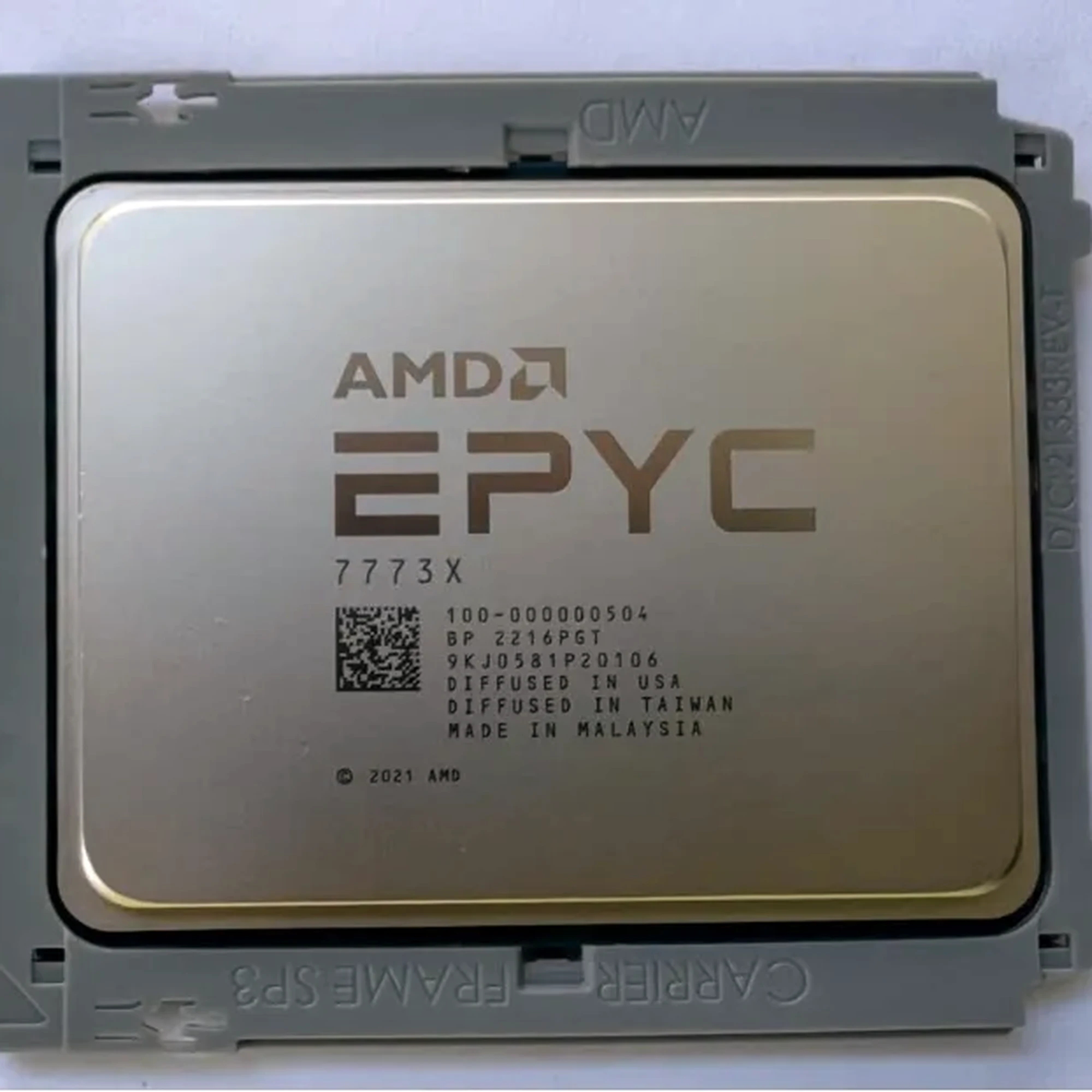
| AMD EPYC™ 7773X | 64 | 128 | Up to 3.5 GHz | 2.2 GHz | 768 MB | 280W |
| AMD EPYC™ 7763 | 64 | 128 | Up to 3.5 GHz | 2.45 GHz | 256 MB | 280W |
| AMD EPYC™ 7713P | 64 | 128 | Up to 3.67 GHz | 2 GHz | 256 MB | 225W |
| AMD EPYC™ 7713 | 64 | 128 | Up to 3.67 GHz | 2 GHz | 256 MB | 225W |
| AMD EPYC™ 7663 | 56 | 112 | Up to 3.5 GHz | 2 GHz | 256 MB | 240W |
| AMD EPYC™ 7643 | 48 | 96 | Up to 3.6 GHz | 2.3 GHz | 256 MB | 225W |
| AMD EPYC™ 7663P | 56 | 112 | Up to 3.5 GHz | 2 GHz | 256 MB | 240W |
| AMD EPYC™ 75F3 | 32 | 64 | Up to 4 GHz | 2.95 GHz | 256 MB | 280W |
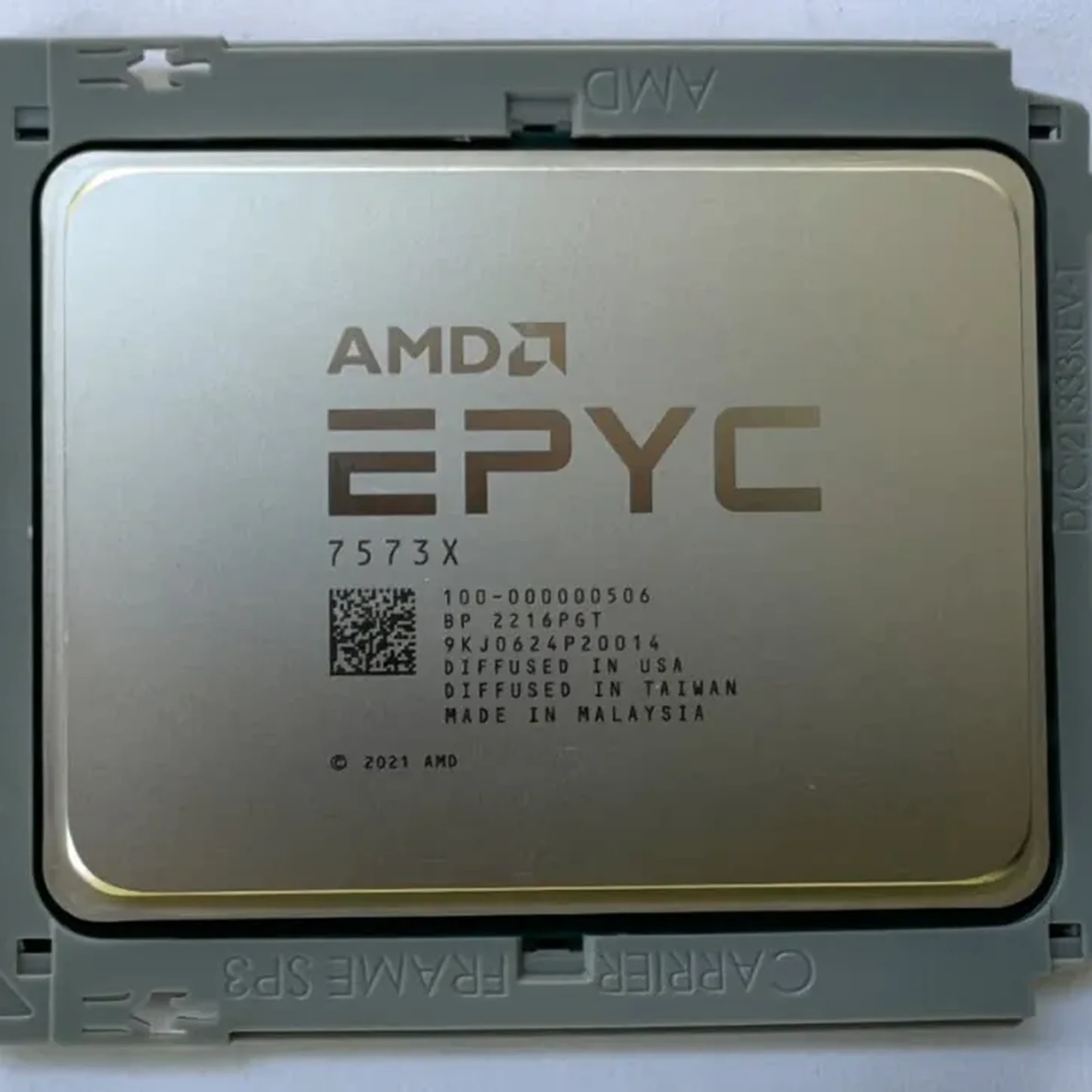
| AMD EPYC™ 7573X | 32 | 64 | Up to 3.6 GHz | 2.8 GHz | 768 MB | 280W |
| AMD EPYC™ 7543P | 32 | 64 | Up to 3.7 GHz | 2.8 GHz | 256 MB | 225W |
| AMD EPYC™ 7543 | 32 | 64 | Up to 3.7 GHz | 2.8 GHz | 256 MB | 225W |
| AMD EPYC™ 7513 | 32 | 64 | Up to 3.65 GHz | 2.6 GHz | 128 MB | 200W |
| AMD EPYC™ 74F3 | 24 | 48 | Up to 4 GHz | 3.2 GHz | 256 MB | 240W |
| AMD EPYC™ 7473X | 24 | 48 | Up to 3.7 GHz | 2.8 GHz | 768 MB | 240W |
| AMD EPYC™ 7453 | 28 | 56 | Up to 3.45 GHz | 2.75 GHz | 64 MB | 225W |
| AMD EPYC™ 7443P | 24 | 48 | Up to 4 GHz | 2.85 GHz | 128 MB | 200W |
| AMD EPYC™ 7443 | 24 | 48 | Up to 4 GHz | 2.85 GHz | 128 MB | 200W |
| AMD EPYC™ 7413 | 24 | 48 | Up to 3.6 GHz | 2.65 GHz | 128 MB | 180W |
| AMD EPYC™ 73F3 | 16 | 32 | Up to 4 GHz | 3.5 GHz | 256 MB | 240W |
| AMD EPYC™ 7373X | 16 | 32 | Up to 3.8 GHz | 3.05 GHz | 768 MB | 240W |
| AMD EPYC™ 7343 | 16 | 32 | Up to 3.9 GHz | 3.2 GHz | 128 MB | 190W |
| AMD EPYC™ 7313P | 16 | 32 | Up to 3.7 GHz | 3 GHz | 128 MB | 155W |
| AMD EPYC™ 7313 | 16 | 32 | Up to 3.7 GHz | 3 GHz | 128 MB | 155W |
| AMD EPYC™ 72F3 | 8 | 16 | Up to 4.1 GHz | 3.7 GHz | 256 MB | 180W |