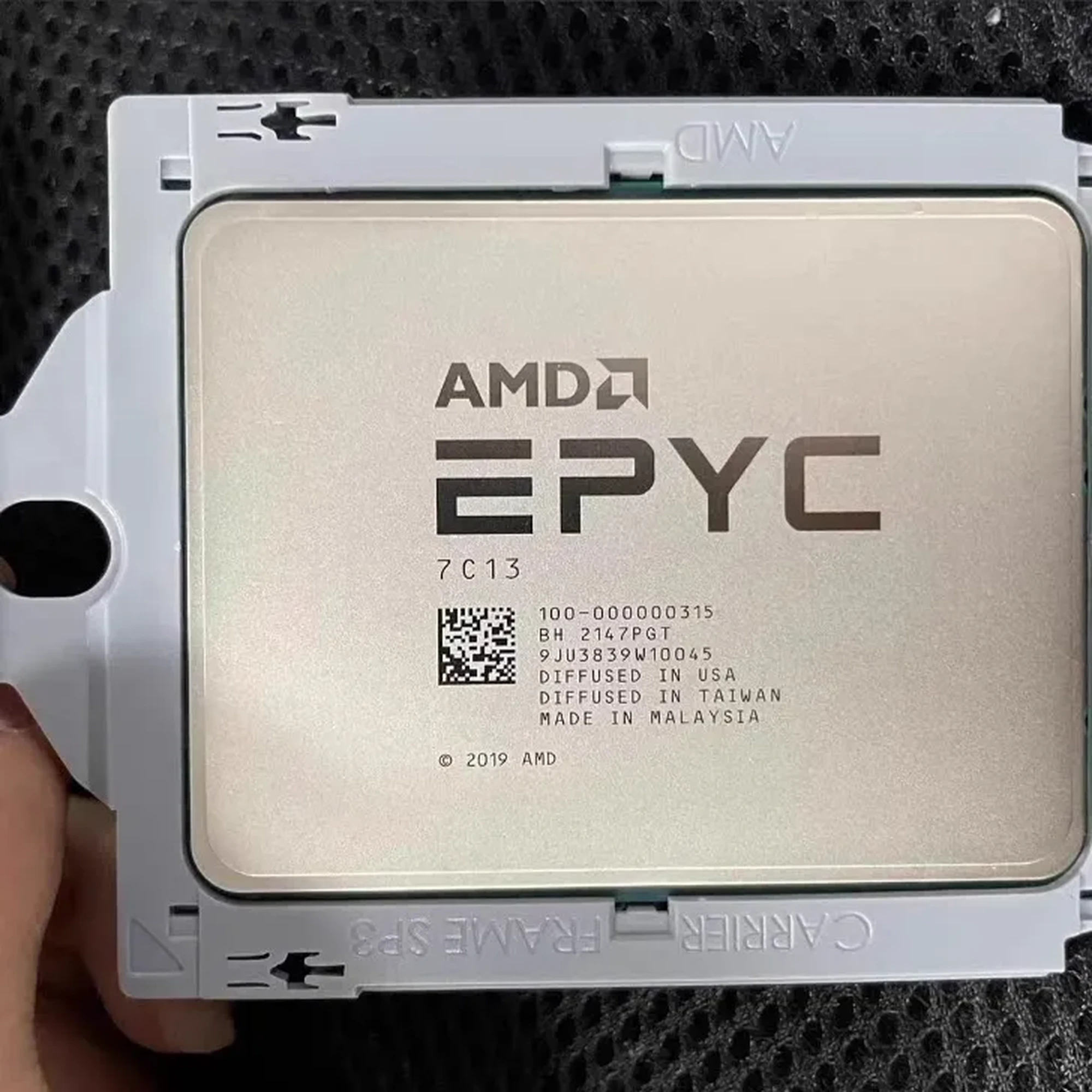
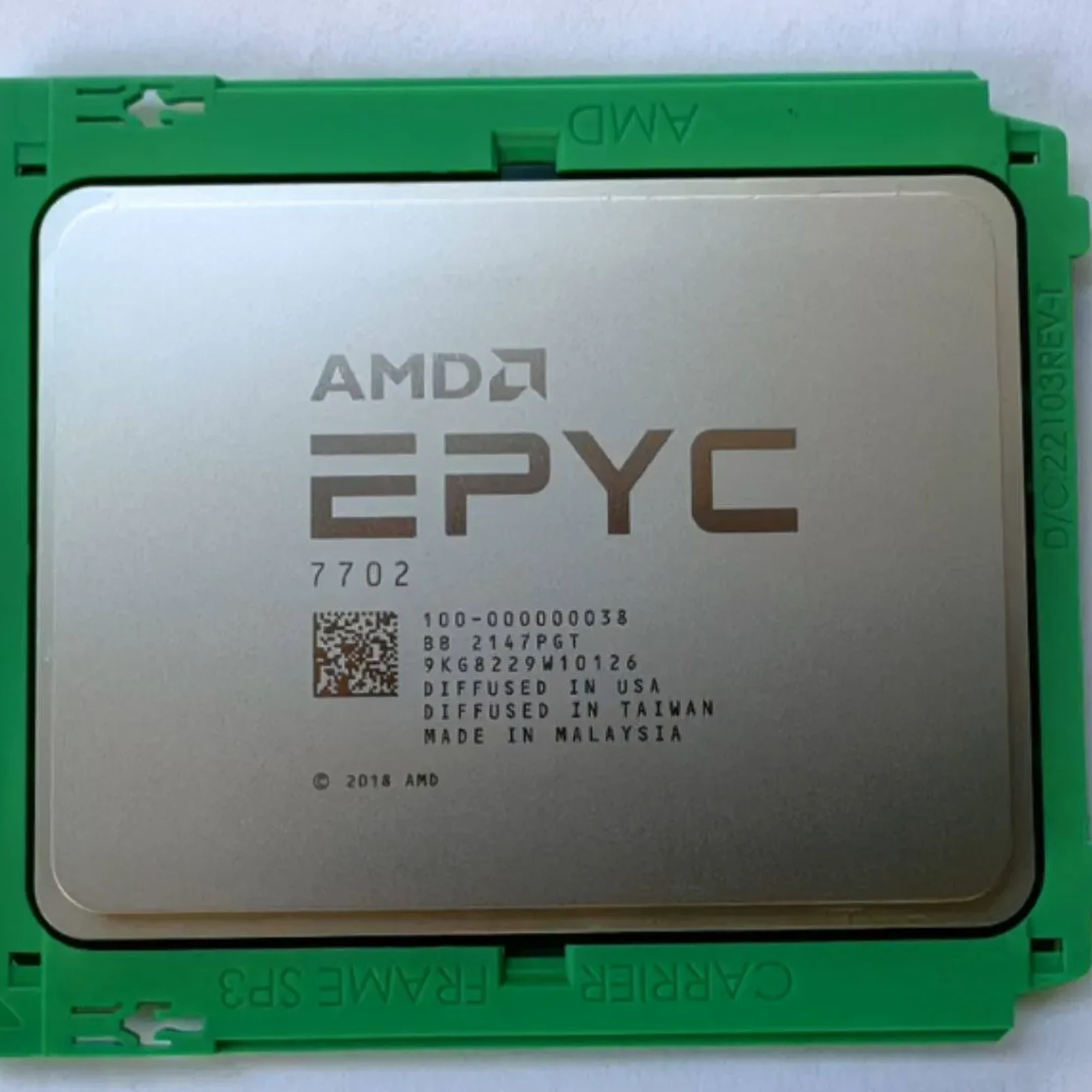
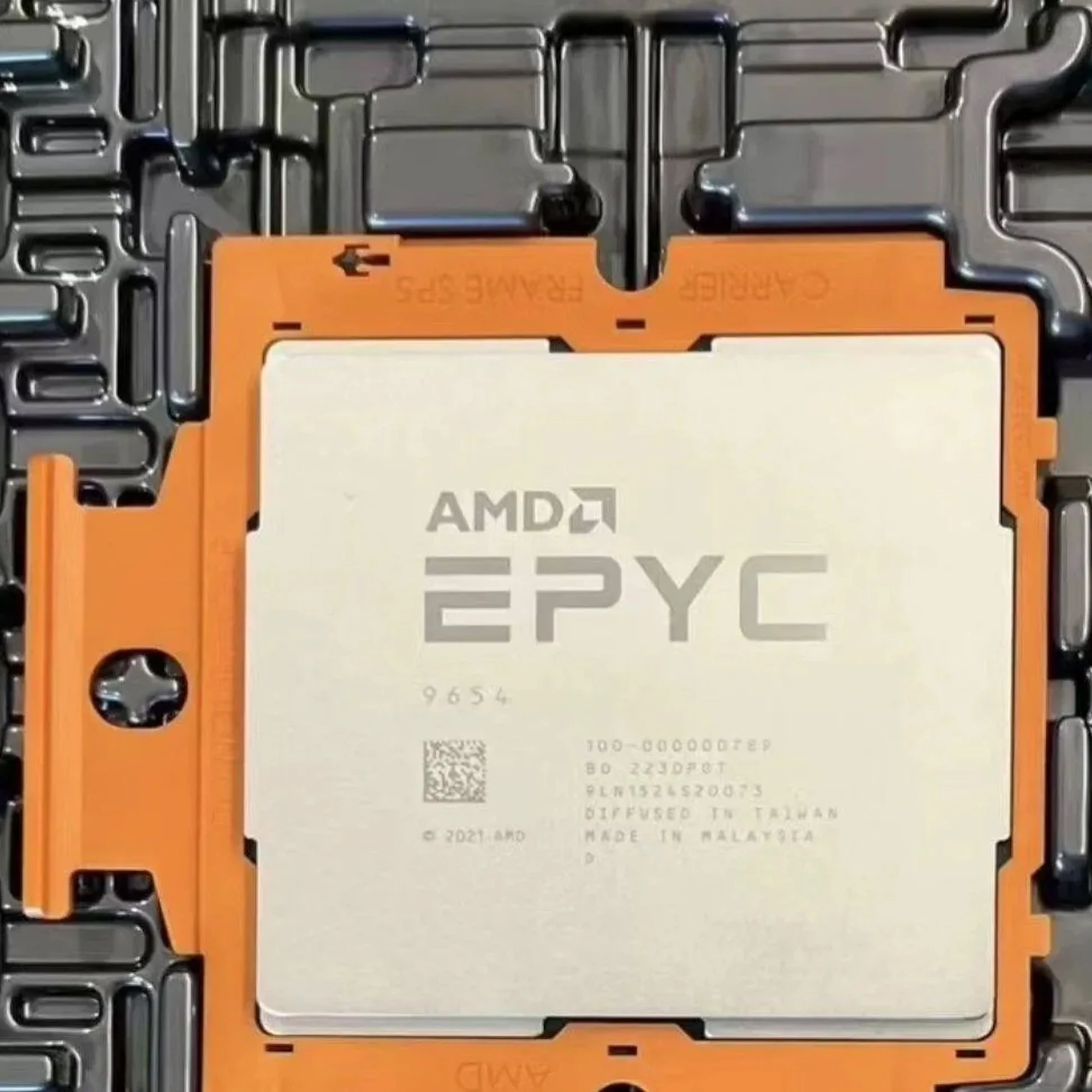
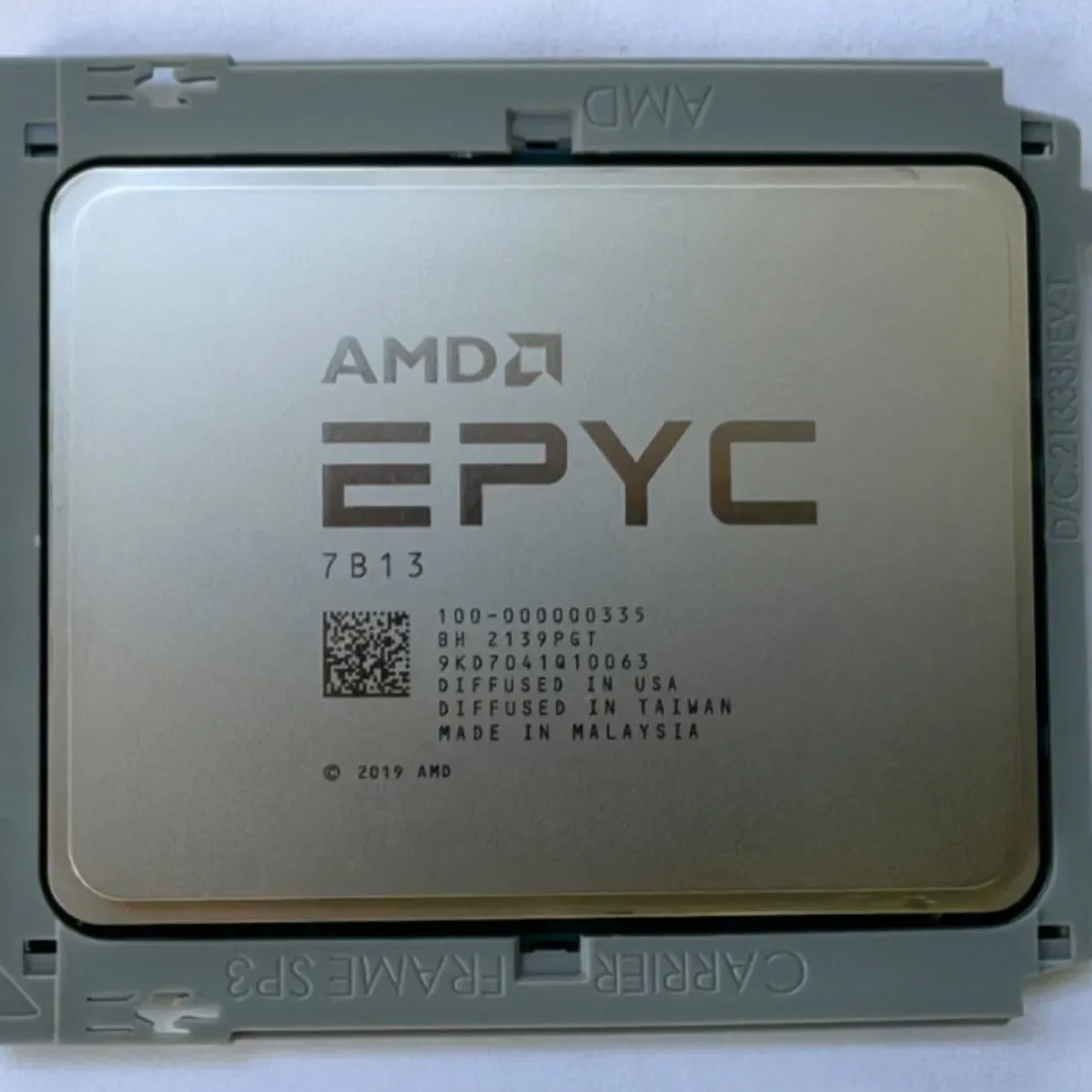
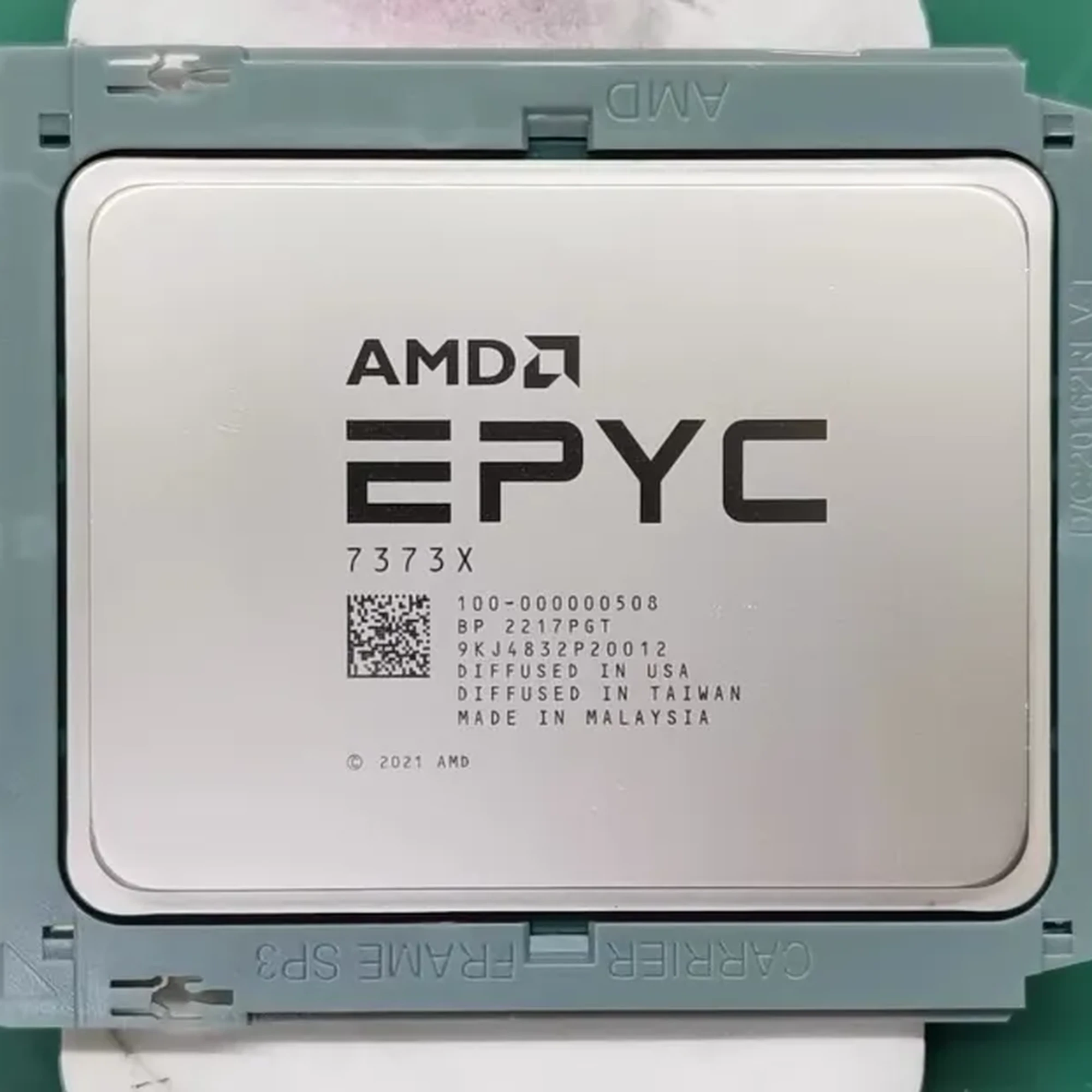

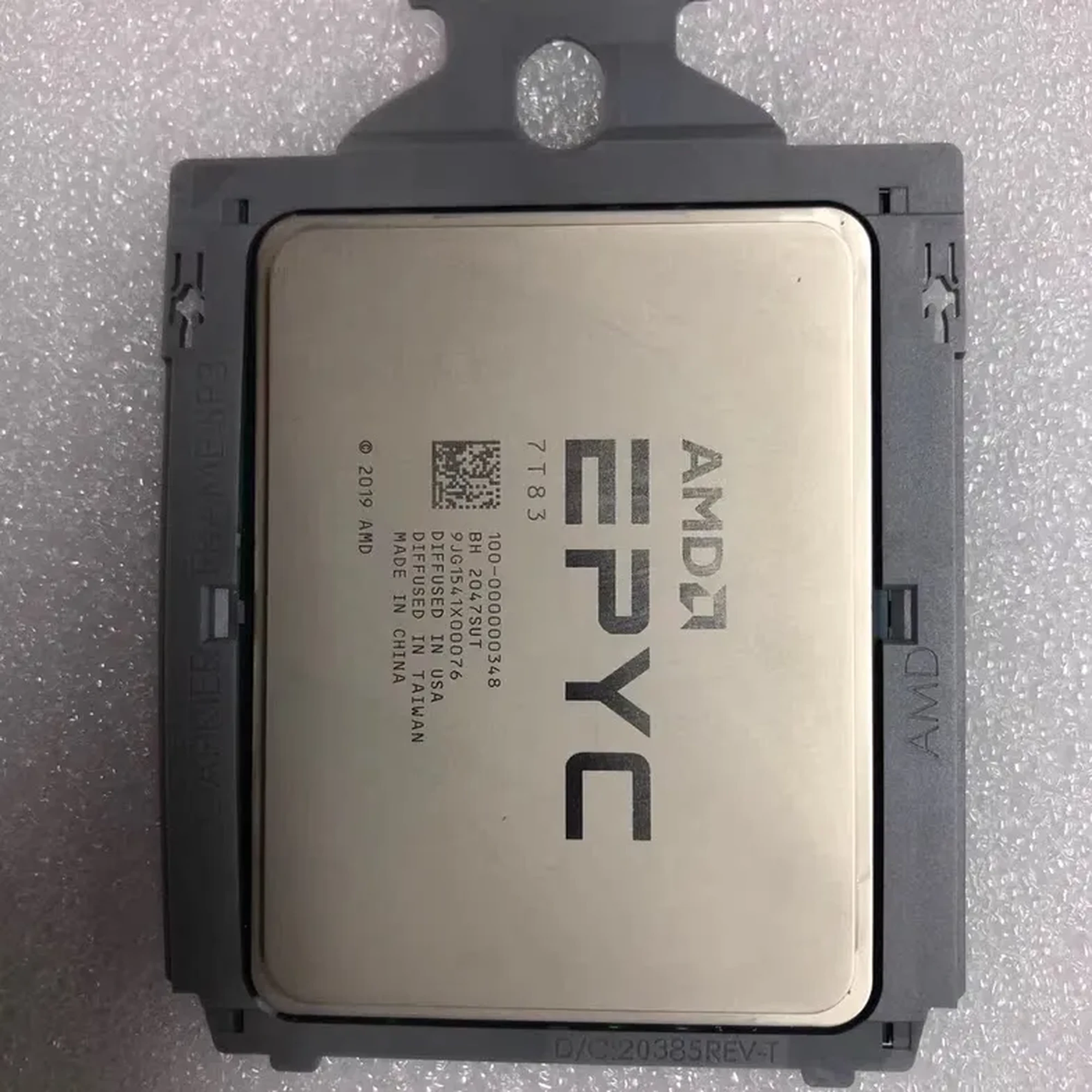
AMD EPYC 7T83 64-Core 128-Thread Zen 3 Server CPU | 2.5GHz Base, 3.5GHz Boost, 280W
The AMD EPYC 7T83 stands as a cornerstone of enterprise server performance, engineered to meet the rigorous demands of modern data centers, scientific research, and high-scale business operations. As part of AMD’s EPYC Milan lineup, this processor leverages the power of the Zen 3 architecture—refined to deliver exceptional core density, cache performance, and energy efficiency—making it a top choice for organizations that require uncompromising processing power without sacrificing reliability.
Unmatched Core Density & Multitasking Performance
At the heart of the AMD EPYC 7T83 lies a 64-core, 128-thread configuration, a design that sets a new standard for multitasking in server environments. Each core operates at a base clock speed of 2.5GHz, with a max boost clock of 3.5GHz, ensuring that both single-threaded and multi-threaded workloads are handled with ease. This balance of core count and clock speed is particularly critical for workloads that demand parallel processing—such as virtualization, cloud computing, and batch processing—where the ability to run hundreds of tasks simultaneously directly impacts productivity and efficiency.
Unlike processors that prioritize either core count or clock speed, the EPYC 7T83 strikes a perfect equilibrium. For example, in virtualized environments, it can support dozens of virtual machines (VMs) without performance degradation, allowing data centers to maximize resource utilization and reduce hardware costs. In scientific computing scenarios—such as MATLAB simulations, numerical modeling, and finite element analysis—the 64 cores enable faster computation of complex algorithms, cutting down research time and accelerating innovation. According to PassMark benchmarks, the EPYC 7T83 achieves a multithread rating of 81,757, placing it among the top-performing server CPUs for multi-threaded tasks.
Zen 3 Architecture: Efficiency Meets Power
Built on AMD’s 7nm manufacturing process and Zen 3 architecture, the EPYC 7T83 delivers significant improvements in IPC (Instructions Per Cycle) compared to previous generations. The Zen 3 design optimizes core-to-core communication by consolidating the L3 cache into a single shared pool, reducing latency and improving data access speeds. With 768MB of L3 cache—one of the largest cache sizes in its class—the processor minimizes the need to access slower system memory, ensuring that critical data is readily available for processing.
The 7nm process also plays a key role in balancing performance and energy efficiency. Despite its high core count and processing power, the EPYC 7T83 has a TDP (Thermal Design Power) of 280W, making it more energy-efficient than many competing processors with similar core counts. This efficiency translates to lower operating costs for data centers, as less energy is consumed and less heat is generated—reducing the need for expensive cooling systems. Additionally, the processor supports AMD’s Power Management Features, allowing IT administrators to optimize power usage based on workload demands, further reducing energy waste during periods of low activity.
Memory & Connectivity: Scalability for Enterprise Needs
The AMD EPYC 7T83 is designed with scalability in mind, featuring 8-channel DDR4-3200 memory support and a maximum memory capacity of 4TB. This high memory bandwidth and capacity are essential for memory-intensive workloads such as in-memory databases, big data analytics, and AI/ML training. The 8-channel memory architecture ensures that data is transferred quickly between the processor and memory, eliminating bottlenecks that can slow down performance.
In terms of connectivity, the EPYC 7T83 offers 128 PCIe 4.0 channels, providing ample bandwidth for high-speed peripherals such as NVMe SSDs, network interface cards (NICs), and GPU accelerators. PCIe 4.0 delivers twice the bandwidth of PCIe 3.0, enabling faster data transfer between the processor and connected devices. This is particularly beneficial for data centers that rely on high-speed storage and networking to support cloud services, virtualization, and real-time data processing. The processor also uses the SP3 socket, ensuring compatibility with a wide range of server motherboards and configurations.
Ideal Use Cases: Versatility for Every Enterprise
The AMD EPYC 7T83’s versatility makes it suitable for a wide range of enterprise use cases, from data centers to scientific research facilities. Here are some of the key applications where this processor excels:
- Data Centers & Cloud Computing: With its high core count and virtualization capabilities, the EPYC 7T83 is ideal for cloud service providers and data centers that need to support multiple VMs, containers, and cloud-based applications. It enables efficient resource allocation, allowing organizations to scale their cloud infrastructure without compromising performance.
- Scientific Computing & Research: The processor’s parallel processing power makes it perfect for scientific computing tasks such as numerical simulation, computational fluid dynamics, and genome sequencing. Its high cache size and memory bandwidth reduce computation time, accelerating research and development cycles.
- Enterprise Applications: For large enterprises running mission-critical applications such as ERP (Enterprise Resource Planning), CRM (Customer Relationship Management), and data warehousing, the EPYC 7T83 delivers the reliability and performance needed to ensure smooth operations. Its scalability allows organizations to grow their IT infrastructure as their business expands.
- Virtualization & Desktop as a Service (DaaS): The 64 cores and 128 threads enable the EPYC 7T83 to support dozens of virtual desktops, making it an excellent choice for DaaS providers and organizations that need to deliver virtual workspaces to remote employees.
Reliability & Security: Built for Enterprise-Grade Performance
Enterprise servers require processors that are not only powerful but also reliable and secure. The AMD EPYC 7T83 includes a range of features designed to ensure maximum uptime and data security. It supports ECC (Error-Correcting Code) memory, which detects and corrects memory errors, preventing data corruption and system crashes. This is critical for mission-critical applications where even a small memory error can lead to significant downtime or data loss.
In terms of security, the EPYC 7T83 features AMD Secure Technology, a suite of hardware-based security features that protect against advanced threats. These features include Secure Encrypted Virtualization (SEV), which encrypts VM memory to prevent unauthorized access, and Secure Boot, which ensures that only trusted software is loaded during system startup. Additionally, the processor supports AES (Advanced Encryption Standard) instructions, accelerating data encryption and decryption tasks—essential for protecting sensitive enterprise data.
Why Choose the AMD EPYC 7T83?
When compared to competing server processors, the AMD EPYC 7T83 offers a unique combination of performance, efficiency, and scalability. Its 64-core configuration, large cache size, and high memory bandwidth make it ideal for the most demanding enterprise workloads, while its 7nm architecture ensures energy efficiency and lower operating costs. Additionally, AMD’s EPYC lineup is known for its excellent value, offering more cores and cache per dollar than many competing processors.
Whether you’re building a new data center, upgrading your existing server infrastructure, or need a processor for scientific research, the AMD EPYC 7T83 delivers the performance, reliability, and scalability you need to stay ahead in today’s fast-paced digital landscape. With its versatile design and enterprise-grade features, it’s a processor that can grow with your business and adapt to changing workload demands.
| Specification Category | Details |
|---|---|
| Processor Model | AMD EPYC 7T83 |
| Architecture | Milan (Zen 3) |
| Manufacturing Process | 7nm |
| Core Count | 64 Cores |
| Thread Count | 128 Threads |
| Base Clock Speed | 2.5 GHz |
| Max Boost Clock | 3.5 GHz |
| L3 Cache | 768 MB |
| L2 Cache | 32 MB (512 KB per core) |
| L1 Cache | 4 MB (32 KB L1I + 32 KB L1D per core) |
| TDP (Thermal Design Power) | 280 W |
| Memory Type | DDR4-3200 |
| Memory Channels | 8 Channels |
| Max Memory Capacity | 4 TB |
| PCIe Version | PCIe 4.0 |
| PCIe Channels | 128 |
| Socket Type | SP3 |
| Virtualization Support | AMD-V, Secure Encrypted Virtualization (SEV) |
| Security Features | AES, VAES, AMD Secure Technology, Secure Boot, ECC Memory Support |
| Launch Date | Q3 2021 |
AMD EPYC 7003 Series Processors General Specifications
Name | # of CPU Cores | # of Threads | Max. Boost Clock | Base Clock | L3 Cache | Default TDP |
|---|---|---|---|---|---|---|
| AMD EPYC™ 7203P | 8 | 16 | Up to 3.4 GHz | 2.8 GHz | 64 MB | 120W |
| AMD EPYC™ 7203 | 8 | 16 | Up to 3.4 GHz | 2.8 GHz | 64 MB | 120W |
| AMD EPYC™ 7303P | 16 | 32 | Up to 3.4 GHz | 2.4 GHz | 64 MB | 130W |
| AMD EPYC™ 7303 | 16 | 32 | Up to 3.4 GHz | 2.4 GHz | 64 MB | 130W |
| AMD EPYC™ 7643P | 48 | 96 | Up to 3.6 GHz | 2.3 GHz | 256 MB | 225W |
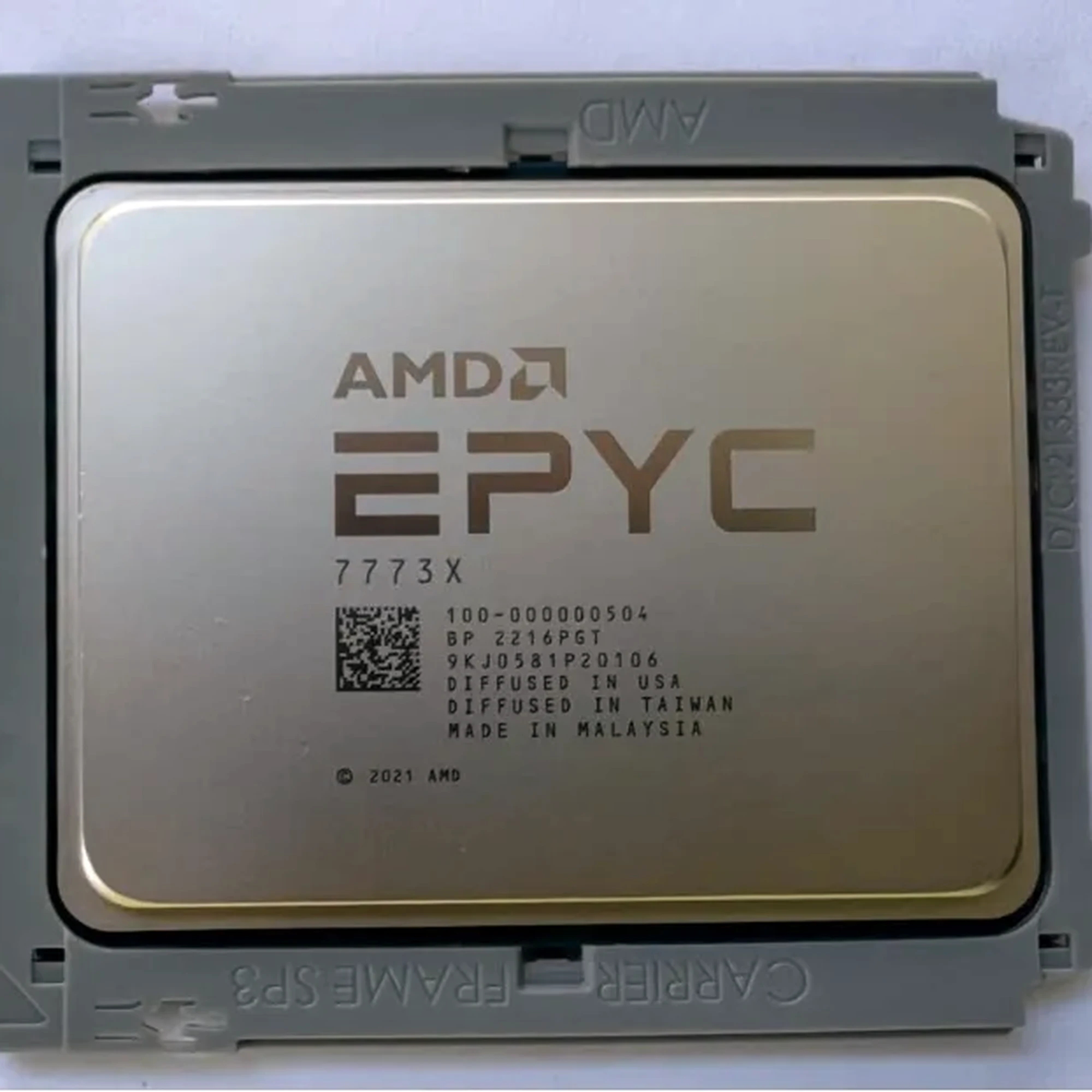
| AMD EPYC™ 7773X | 64 | 128 | Up to 3.5 GHz | 2.2 GHz | 768 MB | 280W |
| AMD EPYC™ 7763 | 64 | 128 | Up to 3.5 GHz | 2.45 GHz | 256 MB | 280W |
| AMD EPYC™ 7713P | 64 | 128 | Up to 3.67 GHz | 2 GHz | 256 MB | 225W |
| AMD EPYC™ 7713 | 64 | 128 | Up to 3.67 GHz | 2 GHz | 256 MB | 225W |
| AMD EPYC™ 7663 | 56 | 112 | Up to 3.5 GHz | 2 GHz | 256 MB | 240W |
| AMD EPYC™ 7643 | 48 | 96 | Up to 3.6 GHz | 2.3 GHz | 256 MB | 225W |
| AMD EPYC™ 7663P | 56 | 112 | Up to 3.5 GHz | 2 GHz | 256 MB | 240W |
| AMD EPYC™ 75F3 | 32 | 64 | Up to 4 GHz | 2.95 GHz | 256 MB | 280W |
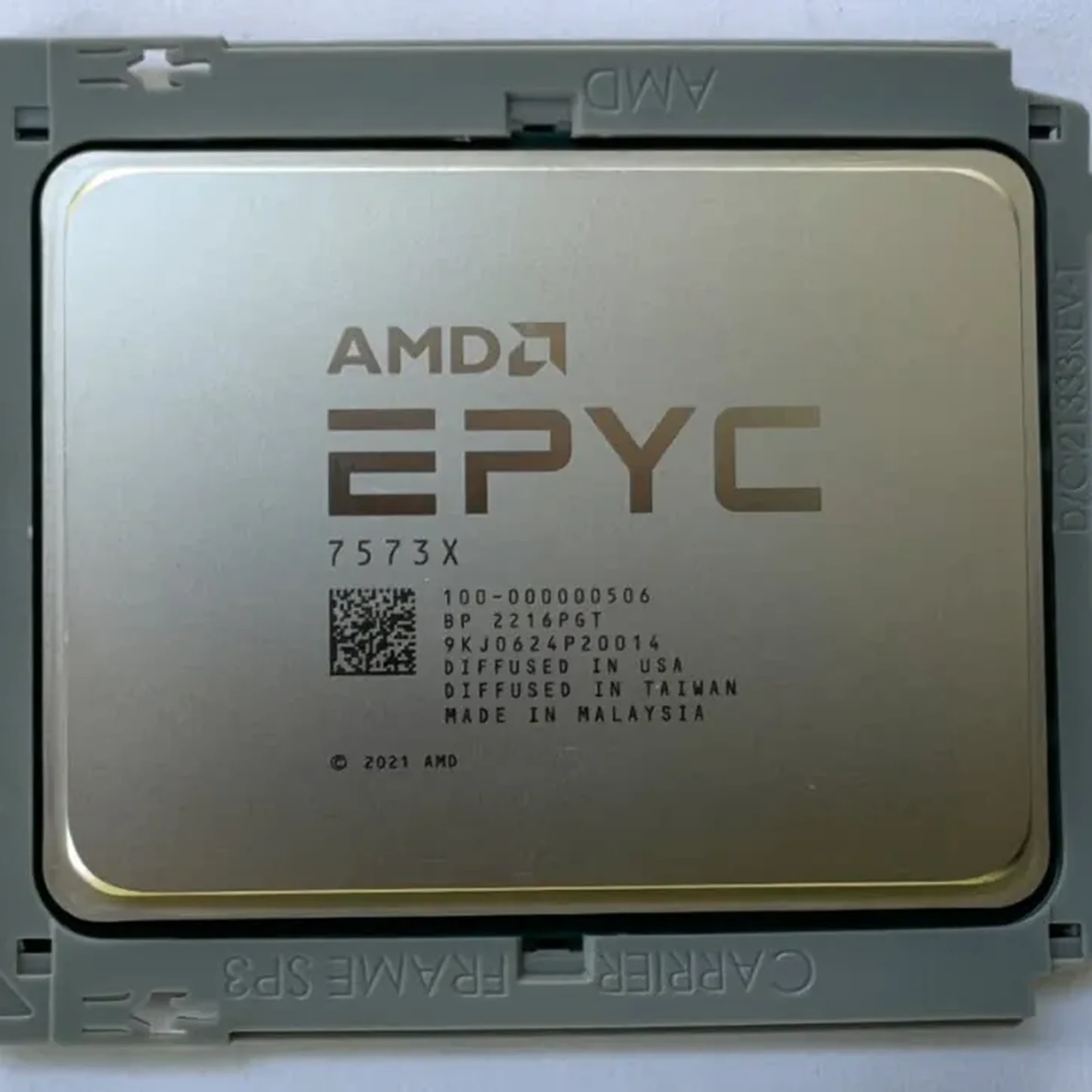
| AMD EPYC™ 7573X | 32 | 64 | Up to 3.6 GHz | 2.8 GHz | 768 MB | 280W |
| AMD EPYC™ 7543P | 32 | 64 | Up to 3.7 GHz | 2.8 GHz | 256 MB | 225W |
| AMD EPYC™ 7543 | 32 | 64 | Up to 3.7 GHz | 2.8 GHz | 256 MB | 225W |
| AMD EPYC™ 7513 | 32 | 64 | Up to 3.65 GHz | 2.6 GHz | 128 MB | 200W |
| AMD EPYC™ 74F3 | 24 | 48 | Up to 4 GHz | 3.2 GHz | 256 MB | 240W |
| AMD EPYC™ 7473X | 24 | 48 | Up to 3.7 GHz | 2.8 GHz | 768 MB | 240W |
| AMD EPYC™ 7453 | 28 | 56 | Up to 3.45 GHz | 2.75 GHz | 64 MB | 225W |
| AMD EPYC™ 7443P | 24 | 48 | Up to 4 GHz | 2.85 GHz | 128 MB | 200W |
| AMD EPYC™ 7443 | 24 | 48 | Up to 4 GHz | 2.85 GHz | 128 MB | 200W |
| AMD EPYC™ 7413 | 24 | 48 | Up to 3.6 GHz | 2.65 GHz | 128 MB | 180W |
| AMD EPYC™ 73F3 | 16 | 32 | Up to 4 GHz | 3.5 GHz | 256 MB | 240W |
| AMD EPYC™ 7373X | 16 | 32 | Up to 3.8 GHz | 3.05 GHz | 768 MB | 240W |
| AMD EPYC™ 7343 | 16 | 32 | Up to 3.9 GHz | 3.2 GHz | 128 MB | 190W |
| AMD EPYC™ 7313P | 16 | 32 | Up to 3.7 GHz | 3 GHz | 128 MB | 155W |
| AMD EPYC™ 7313 | 16 | 32 | Up to 3.7 GHz | 3 GHz | 128 MB | 155W |
| AMD EPYC™ 72F3 | 8 | 16 | Up to 4.1 GHz | 3.7 GHz | 256 MB | 180W |