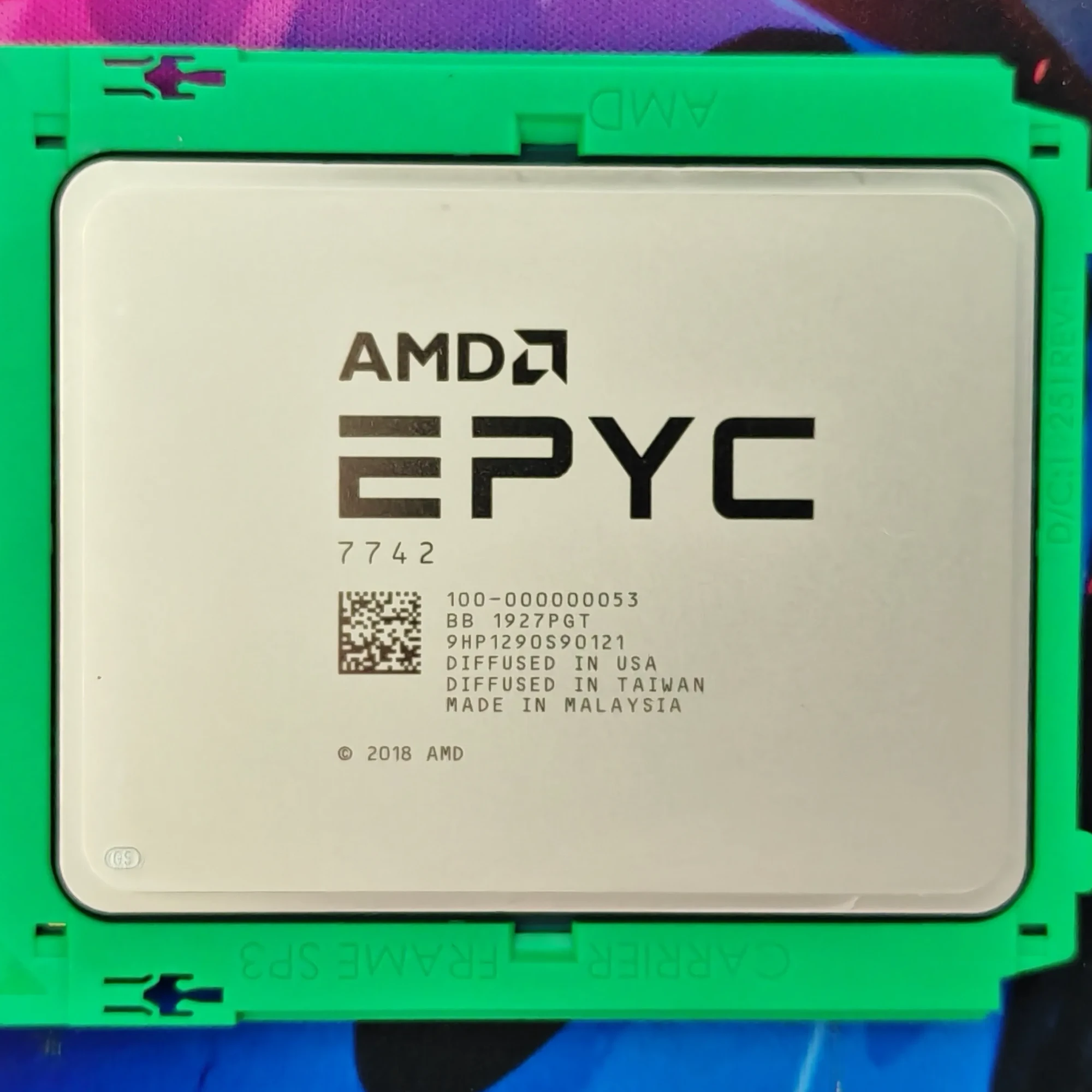
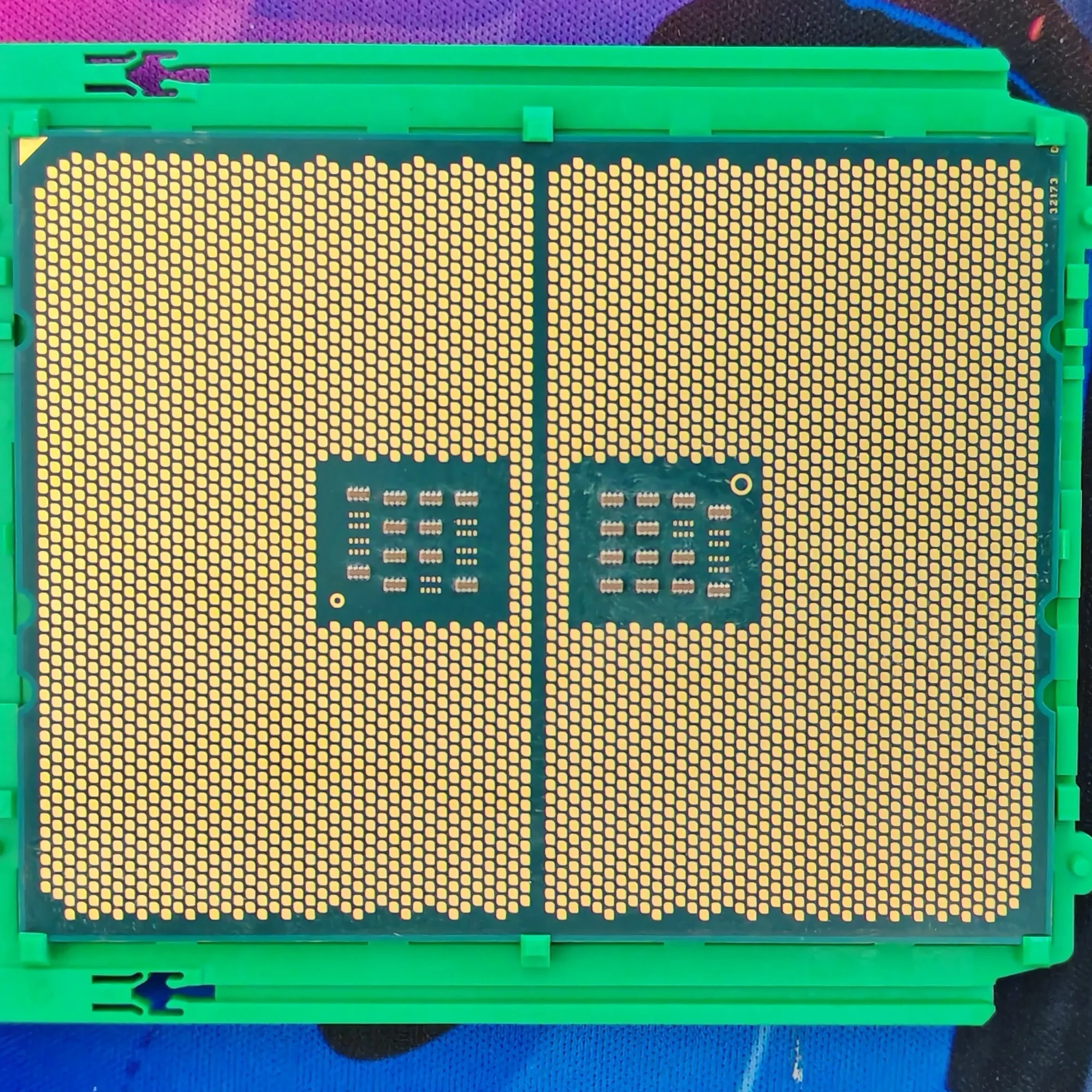
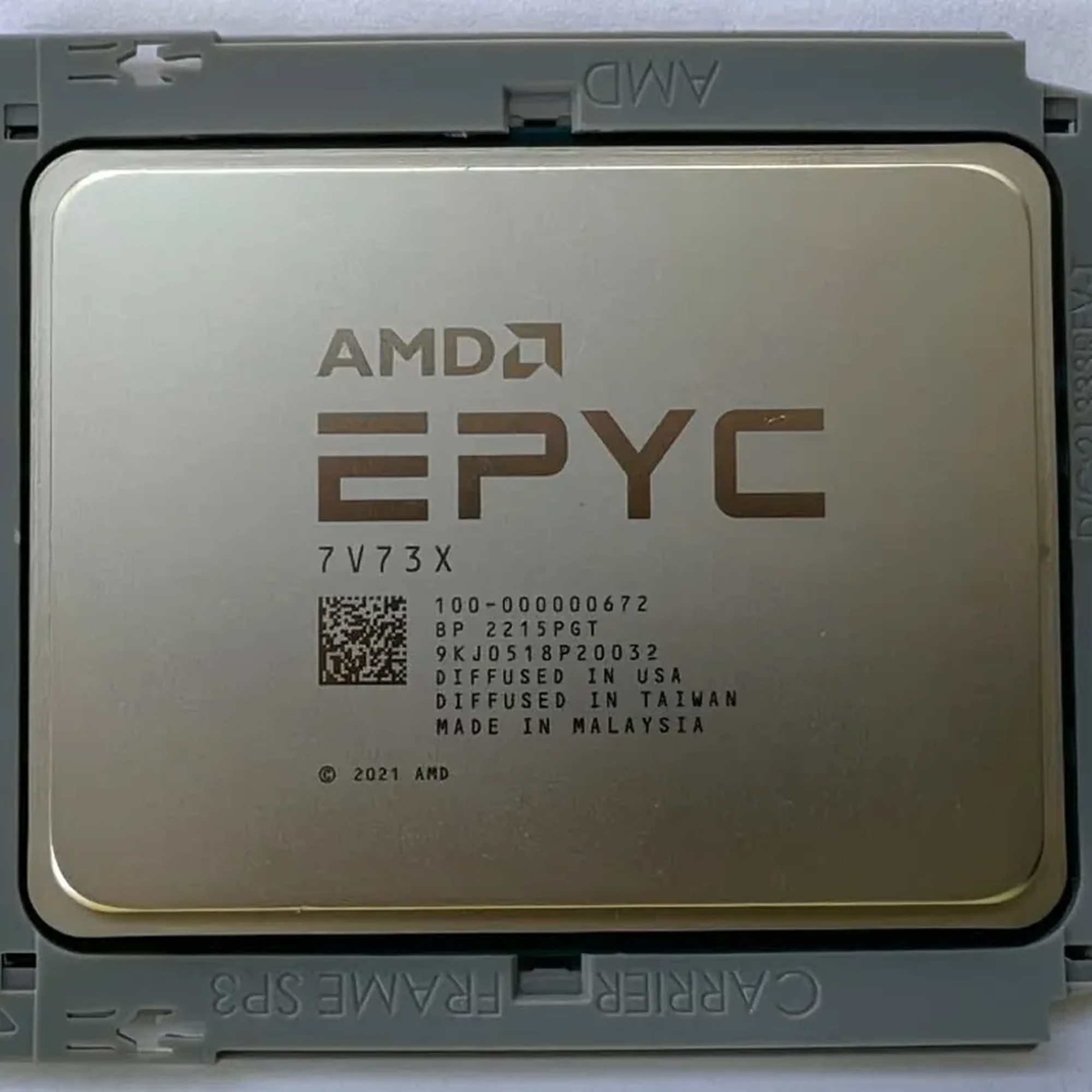
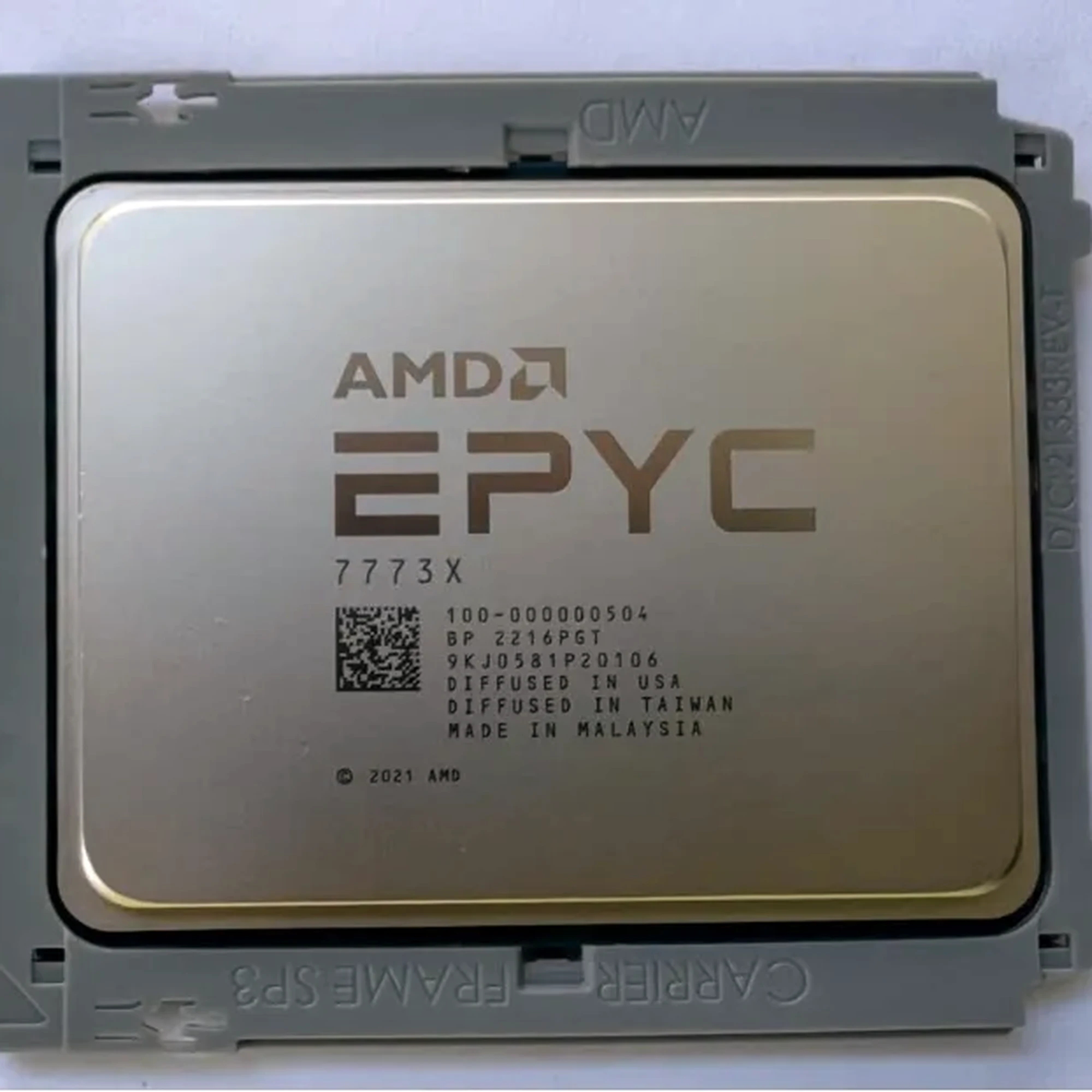
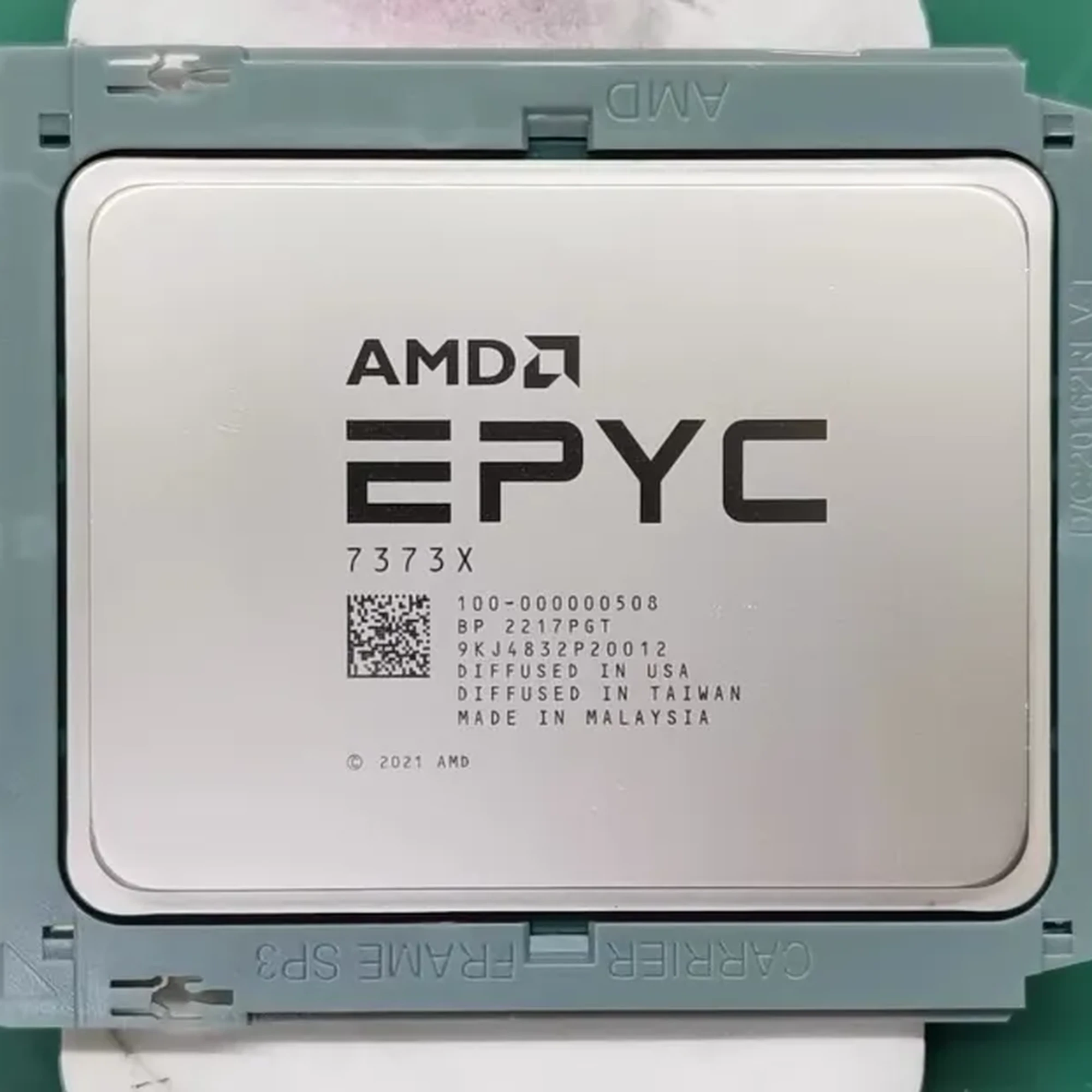

AMD EPYC 7742 Processor – 64-Core 128-Thread Server CPU Performance
| Specification | Details |
|---|---|
| Processor Model | AMD EPYC 7742 |
| Architecture | Zen 2 |
| Cores | 64 |
| Threads | 128 |
| Base Clock | 2.25 GHz |
| Max Boost Clock | 3.4 GHz |
| L2 Cache | 32 MB |
| L3 Cache | 256 MB |
| TDP | 225W |
| Socket | SP3 |
| Memory Type | DDR4 |
| Memory Channels | 8 |
| Max Memory Speed | 3200 MHz |
| PCIe Version | PCIe 4.0 |
| PCIe Lanes | 128 |
| Manufacturing Process | 7nm |
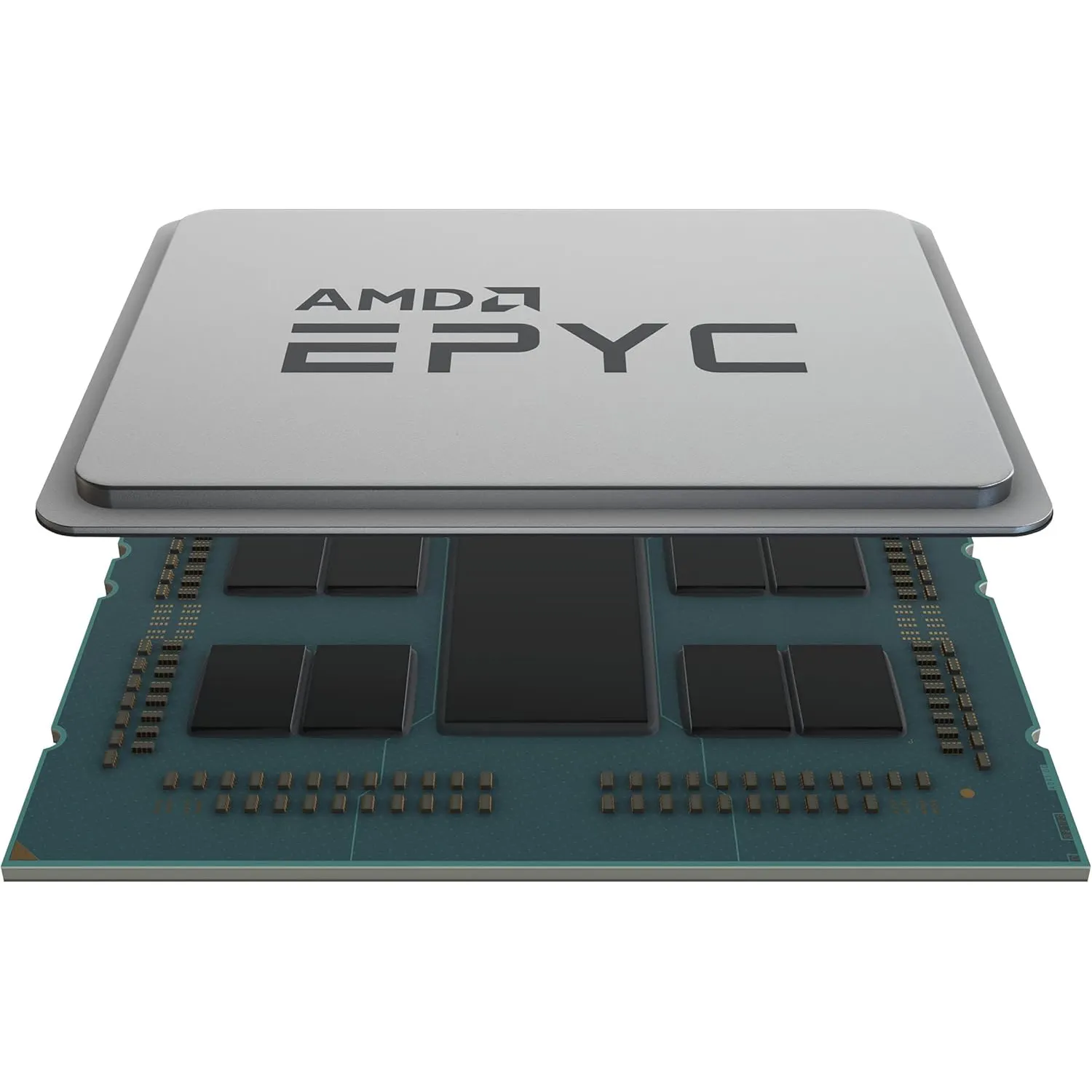
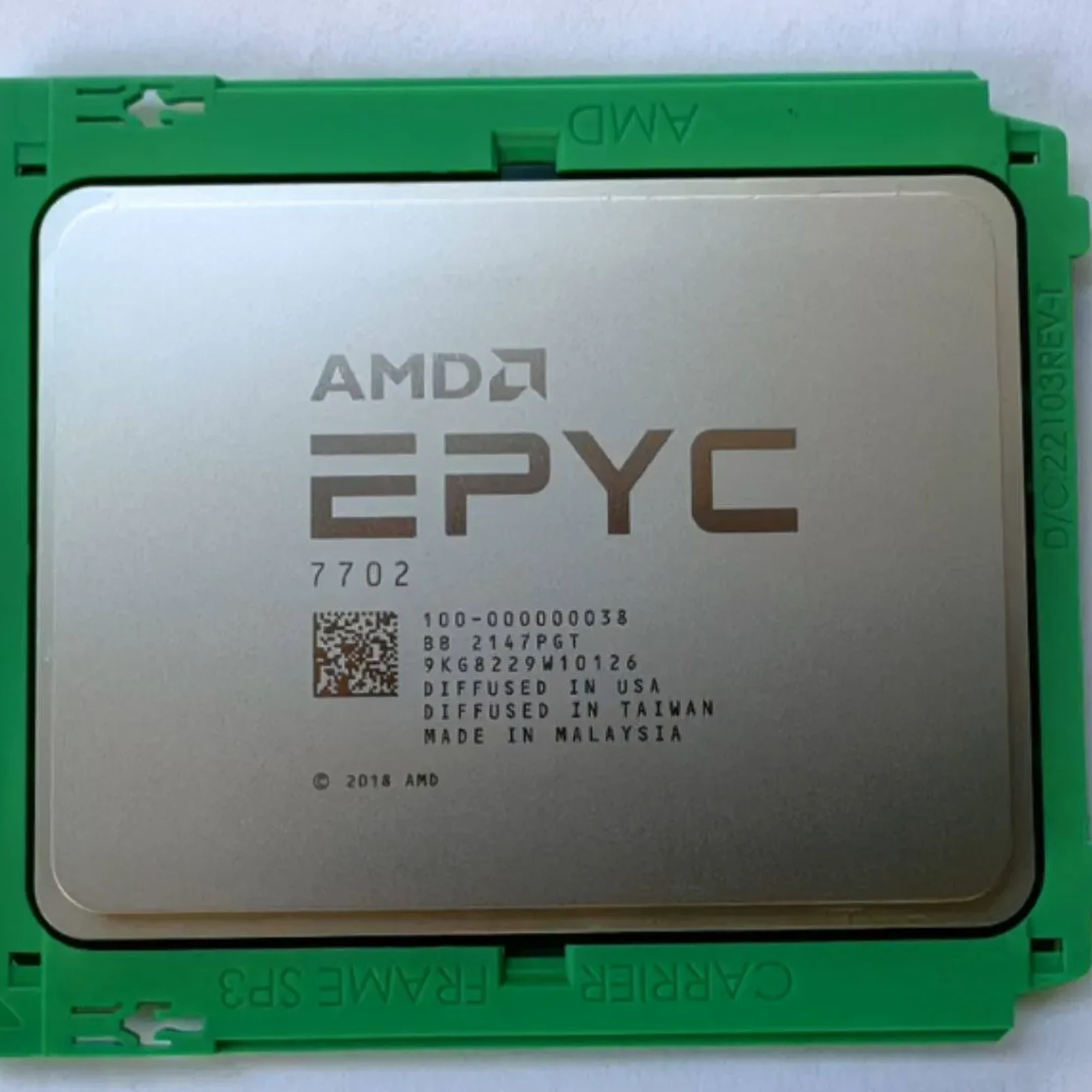
AMD EPYC 7742 64-Core Server Processor
The AMD EPYC 7742 is a flagship server processor designed to meet the demanding needs of modern data centers,
enterprise IT environments, and high-performance computing workloads. Built on AMD’s cutting-edge Zen 2 architecture
and manufactured using a 7nm process, this processor delivers exceptional performance, scalability, and efficiency.
With 64 cores and 128 threads, the EPYC 7742 is engineered to handle highly parallel workloads with ease,
making it one of the most powerful CPUs available for enterprise-level computing.
Unmatched Multi-Core Performance
The AMD EPYC 7742 offers industry-leading core density with 64 physical cores and 128 threads through simultaneous
multithreading (SMT). This allows the processor to efficiently execute multiple tasks simultaneously, significantly
improving performance in environments that require heavy parallel processing.
Whether you are running virtual machines, containerized applications, or large-scale databases, the EPYC 7742 ensures
smooth and consistent performance. Its base clock speed of 2.25 GHz and boost frequency up to 3.4 GHz provide the
flexibility needed for both sustained workloads and burst performance scenarios.
Advanced Zen 2 Architecture
Built on AMD’s Zen 2 architecture, the EPYC 7742 introduces major improvements in instructions per cycle (IPC),
efficiency, and overall system performance. The 7nm manufacturing process allows for higher transistor density,
resulting in better performance while reducing power consumption.
This architecture also enhances cache design, memory latency, and execution efficiency, ensuring that workloads are
processed faster and more efficiently compared to previous generations.
Massive Cache Capacity
One of the standout features of the EPYC 7742 is its large cache memory. It includes 32MB of L2 cache and an impressive
256MB of L3 cache, which significantly reduces latency and accelerates data access.
This large cache is particularly beneficial for data-intensive applications such as enterprise databases,
real-time analytics, financial modeling, and content delivery networks.
High-Speed Memory Support
The processor supports 8-channel DDR4 memory with speeds up to 3200 MHz, delivering exceptional memory bandwidth.
This ensures fast data transfer between memory and CPU, improving overall system performance.
High memory capacity and bandwidth make the EPYC 7742 ideal for virtualization, in-memory databases, and large-scale
enterprise applications that require rapid access to large datasets.
PCIe 4.0 Connectivity
The AMD EPYC 7742 supports PCIe 4.0 technology, providing double the bandwidth of PCIe 3.0. With up to 128 PCIe lanes,
it allows for extensive connectivity options, including high-speed NVMe storage, GPUs, and networking devices.
This ensures that modern data centers can achieve maximum throughput and efficiency, especially in storage-intensive
and GPU-accelerated workloads.
Energy Efficiency and Thermal Design
Despite its powerful capabilities, the EPYC 7742 maintains a thermal design power (TDP) of 225W. The efficient 7nm
process technology ensures excellent performance per watt, helping organizations reduce energy consumption and
operational costs.
This makes it a cost-effective solution for large-scale deployments where power efficiency is critical.
Enterprise-Level Security Features
Security is a key consideration in modern computing environments, and the EPYC 7742 includes advanced security
technologies such as Secure Memory Encryption (SME) and Secure Encrypted Virtualization (SEV).
These features protect sensitive data and workloads from unauthorized access, making the processor suitable for
industries such as finance, healthcare, and government.
Ideal Use Cases
- Cloud computing platforms with high virtual machine density
- Virtualization and containerized environments
- High-performance computing (HPC) and scientific simulations
- Big data analytics and machine learning workloads
- Enterprise database management systems
Scalability and Flexibility
The EPYC 7742 supports dual-socket configurations, enabling businesses to scale their infrastructure as needed.
This flexibility allows organizations to expand computing power without redesigning their systems.
It is particularly beneficial for growing enterprises and cloud service providers that need to adapt quickly to
increasing workload demands.
Reliability and Long-Term Value
AMD EPYC processors are designed for reliability and long-term deployment in mission-critical environments.
The EPYC 7742 ensures stable performance, reduced downtime, and long lifecycle support.
This reliability makes it a valuable investment for businesses looking to build robust and future-proof IT infrastructure.
Conclusion
The AMD EPYC 7742 stands as one of the most powerful and efficient server processors available today.
With its 64 cores, advanced architecture, massive cache, and high-speed connectivity, it is perfectly suited for
modern enterprise workloads.
Whether deployed in cloud environments, data centers, or high-performance computing systems, the EPYC 7742 delivers
exceptional performance, scalability, and energy efficiency.
AMD EPYC™ 7002 Series Processors
| Name | # of CPU Cores | # of Threads | Max. Boost Clock | Base Clock | L3 Cache | Default TDP |
| AMD EPYC™ 7H12 | 64 | 128 | Up to 3.3 GHz | 2.6 GHz | 256 MB | 280W |
| AMD EPYC™ 7F72 | 24 | 48 | Up to 3.7 GHz | 3.2 GHz | 192 MB | 240W |
| AMD EPYC™ 7F52 | 16 | 32 | Up to 3.9 GHz | 3.5 GHz | 256 MB | 240W |
| AMD EPYC™ 7F32 | 8 | 16 | Up to 3.9 GHz | 3.7 GHz | 128 MB | 180W |
| AMD EPYC™ 7742 | 64 | 128 | Up to 3.4 GHz | 2.25 GHz | 256 MB | 225W |
| AMD EPYC™ 7702P | 64 | 128 | Up to 3.35 GHz | 2 GHz | 256 MB | 200W |
| AMD EPYC™ 7702 | 64 | 128 | Up to 3.35 GHz | 2 GHz | 256 MB | 200W |
| AMD EPYC™ 7662 | 64 | 128 | Up to 3.3 GHz | 2 GHz | 256 MB | 225W |
| AMD EPYC™ 7642 | 48 | 96 | Up to 3.3 GHz | 2.3 GHz | 256 MB | 225W |
| AMD EPYC™ 7552 | 48 | 96 | Up to 3.3 GHz | 2.2 GHz | 192 MB | 200W |
| AMD EPYC™ 7542 | 32 | 64 | Up to 3.4 GHz | 2.9 GHz | 128 MB | 225W |
| AMD EPYC™ 7532 | 32 | 64 | Up to 3.3 GHz | 2.4 GHz | 256 MB | 200W |
| AMD EPYC™ 7502P | 32 | 64 | Up to 3.35 GHz | 2.5 GHz | 128 MB | 180W |
| AMD EPYC™ 7502 | 32 | 64 | Up to 3.35 GHz | 2.5 GHz | 128 MB | 180W |
| AMD EPYC™ 7452 | 32 | 64 | Up to 3.35 GHz | 2.35 GHz | 128 MB | 155W |
| AMD EPYC™ 7402P | 24 | 48 | Up to 3.35 GHz | 2.8 GHz | 128 MB | 180W |
| AMD EPYC™ 7402 | 24 | 48 | Up to 3.35 GHz | 2.8 GHz | 128 MB | 180W |
| AMD EPYC™ 7352 | 24 | 48 | Up to 3.2 GHz | 2.3 GHz | 128 MB | 155W |
| AMD EPYC™ 7302P | 16 | 32 | Up to 3.3 GHz | 3 GHz | 128 MB | 155W |
| AMD EPYC™ 7302 | 16 | 32 | Up to 3.3 GHz | 3 GHz | 128 MB | 155W |
| AMD EPYC™ 7282 | 16 | 32 | Up to 3.2 GHz | 2.8 GHz | 64 MB | 120W |
| AMD EPYC™ 7272 | 12 | 24 | Up to 3.2 GHz | 2.9 GHz | 64 MB | 120W |
| AMD EPYC™ 7262 | 8 | 16 | Up to 3.4 GHz | 3.2 GHz | 128 MB | 155W |
| AMD EPYC™ 7252 | 8 | 16 | Up to 3.2 GHz | 3.1 GHz | 64 MB | 120W |
| AMD EPYC™ 7232P | 8 | 16 | Up to 3.2 GHz | 3.1 GHz | 32 MB | 120W |