
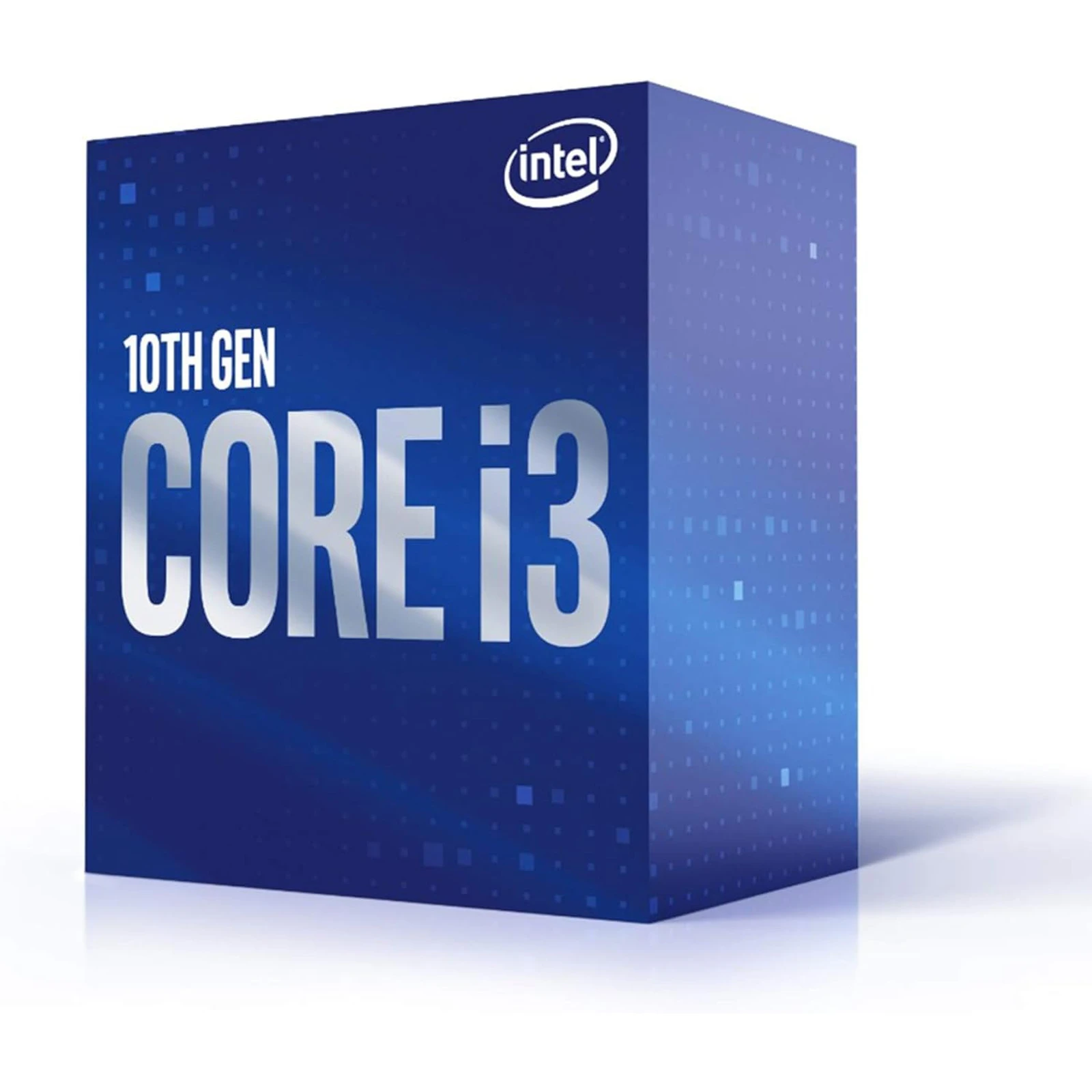
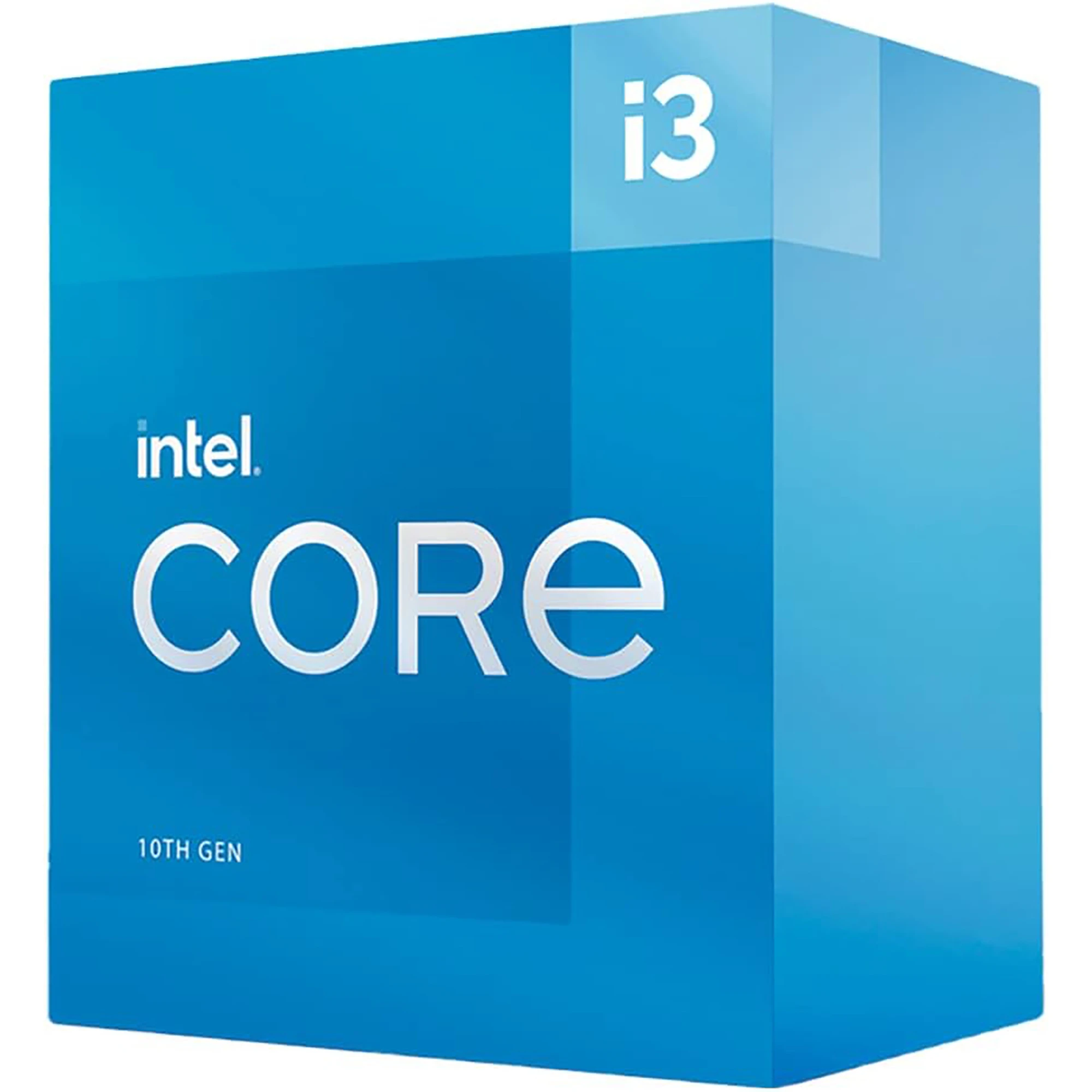
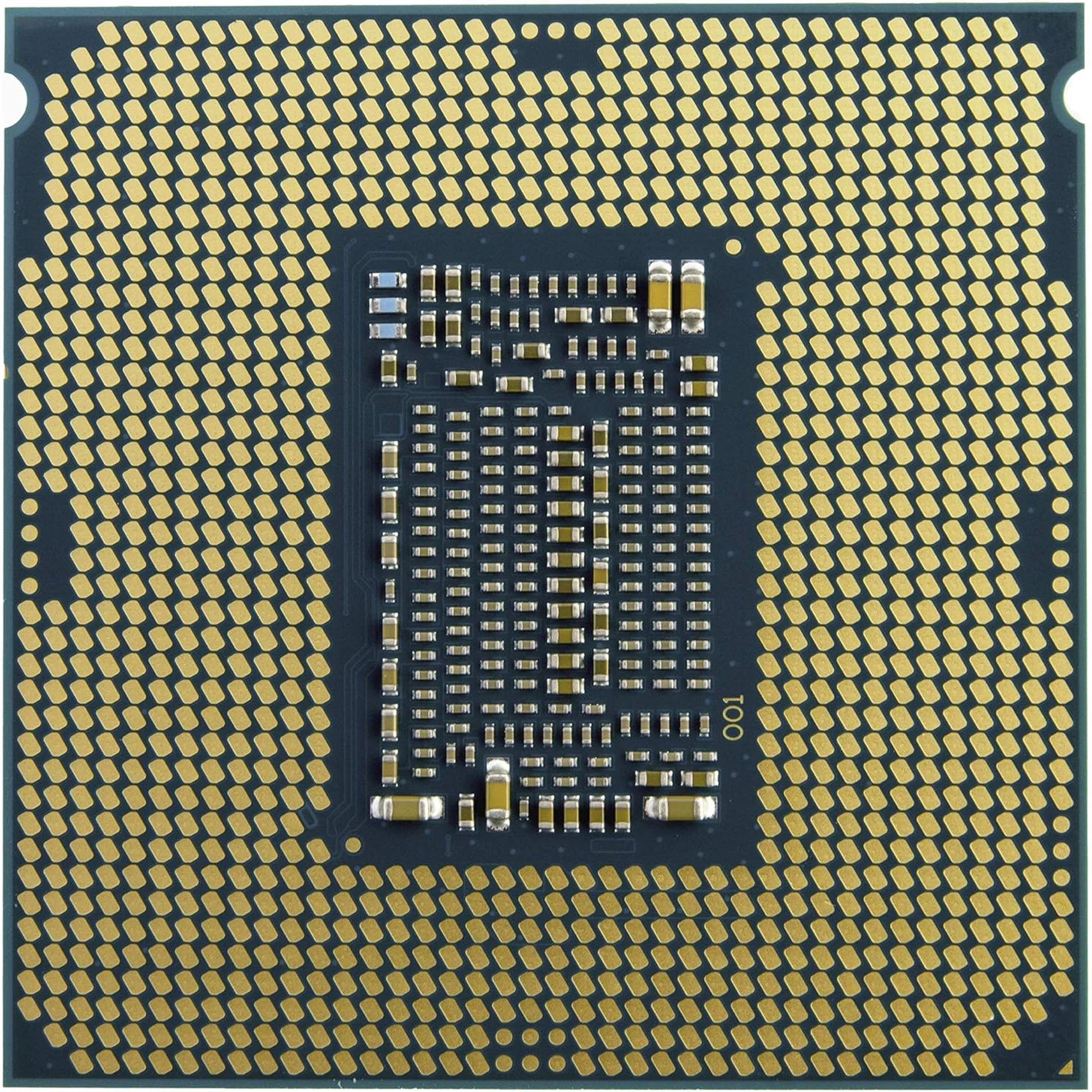
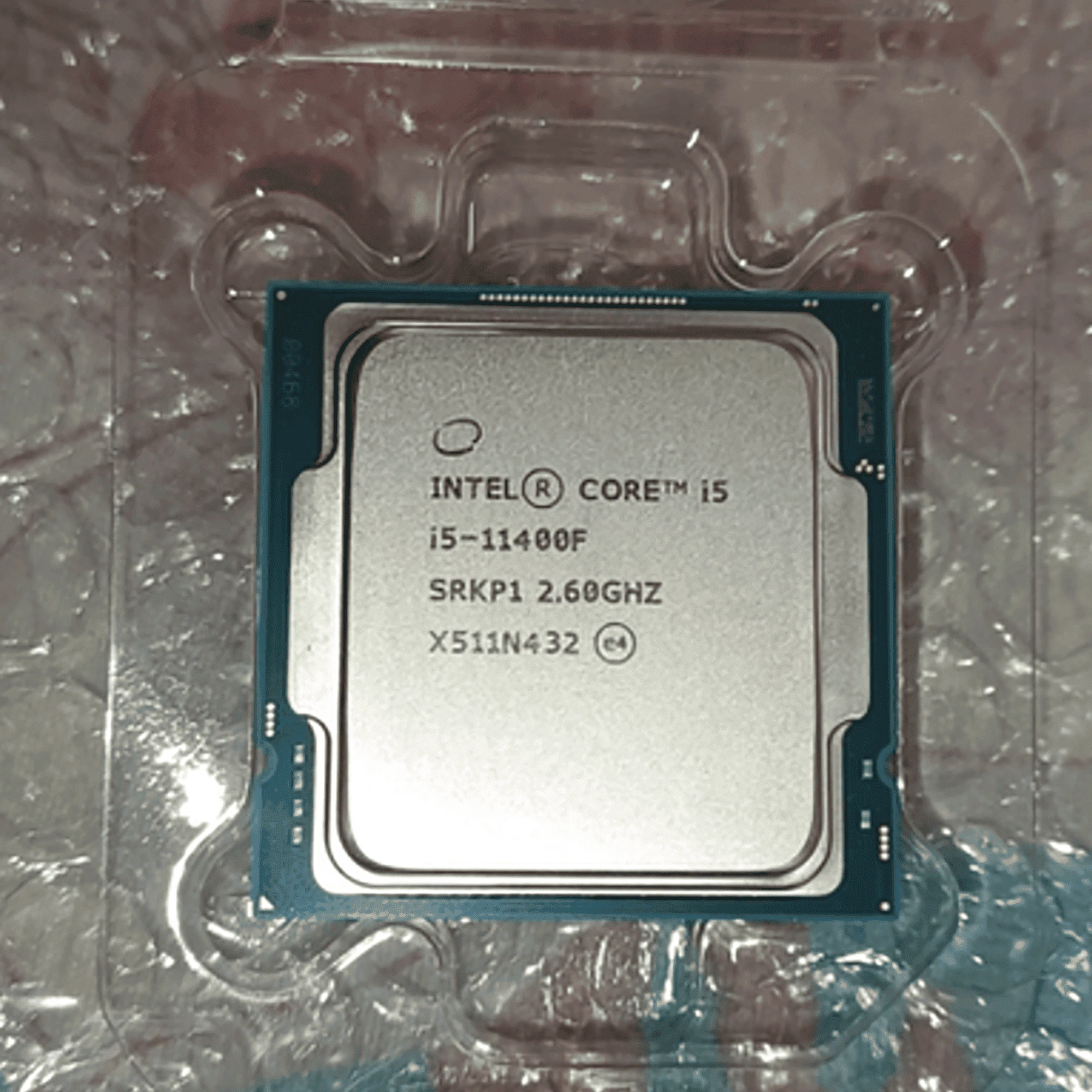
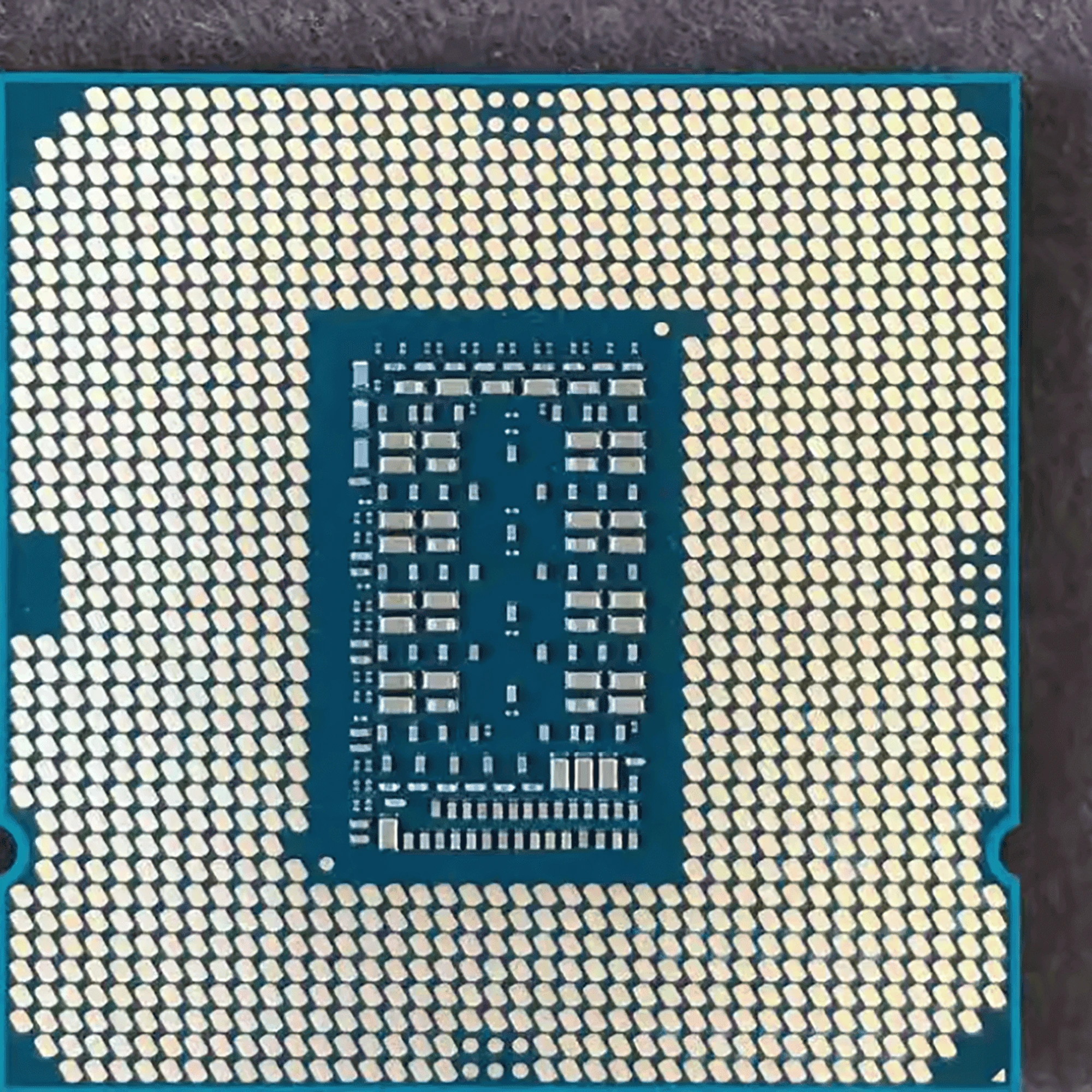
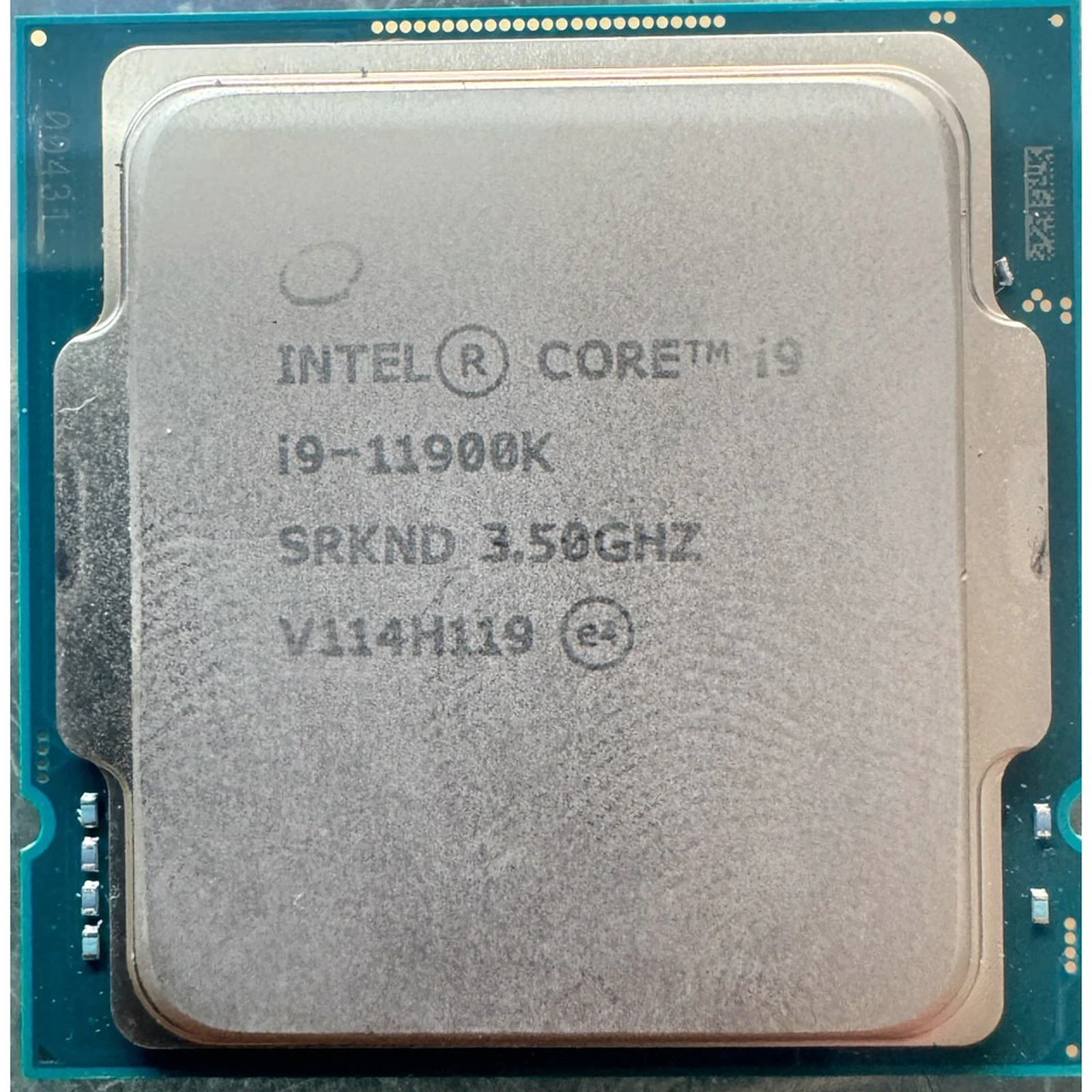
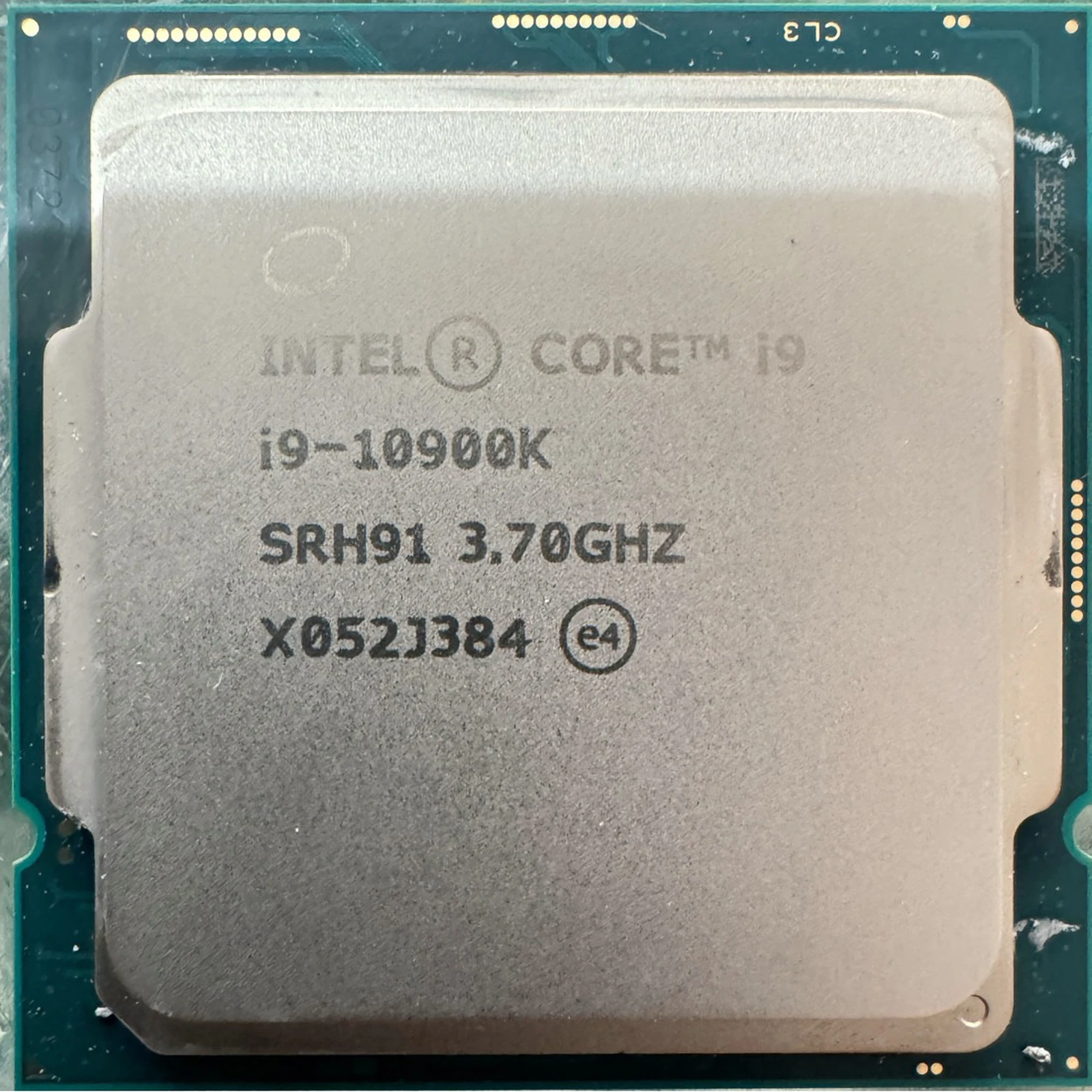
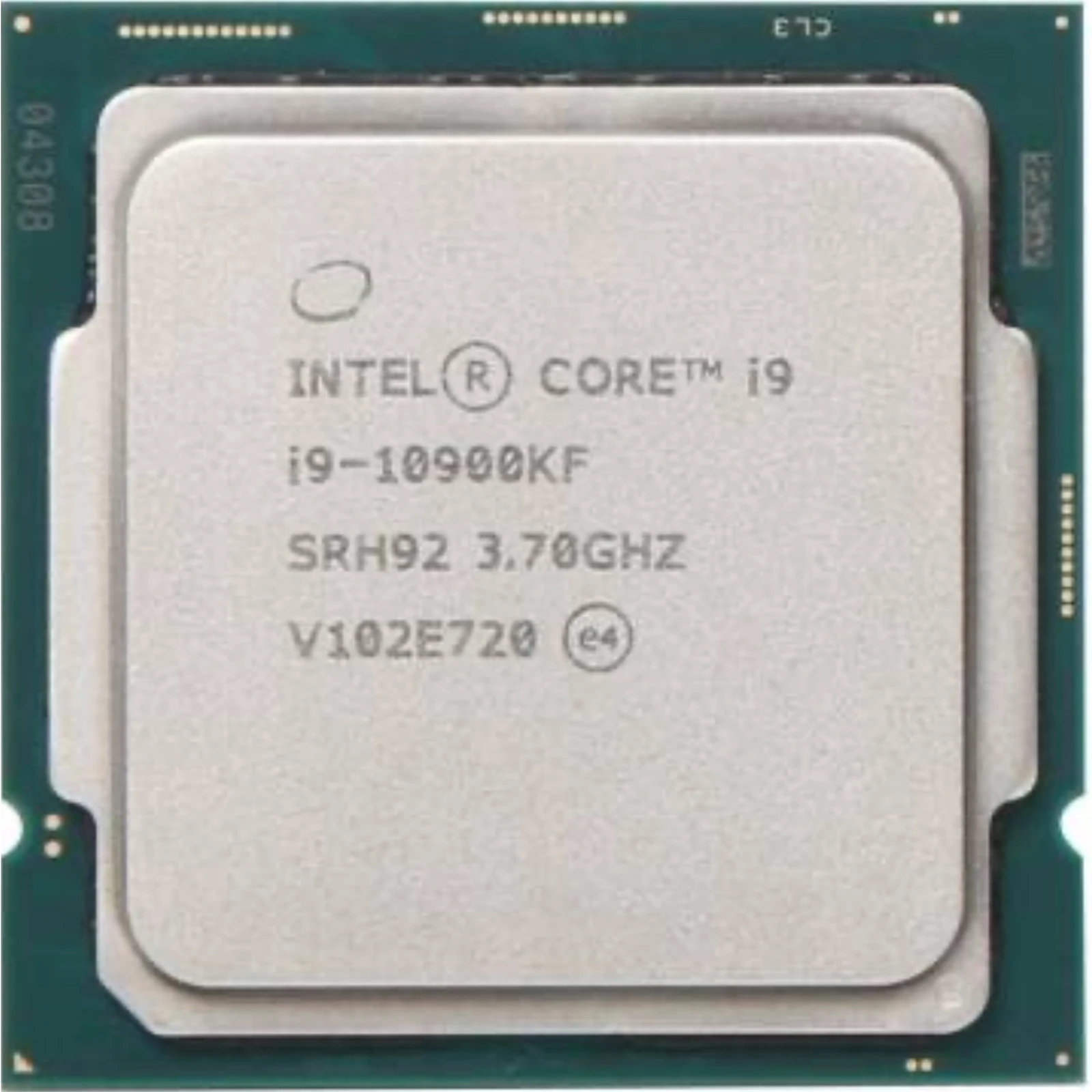
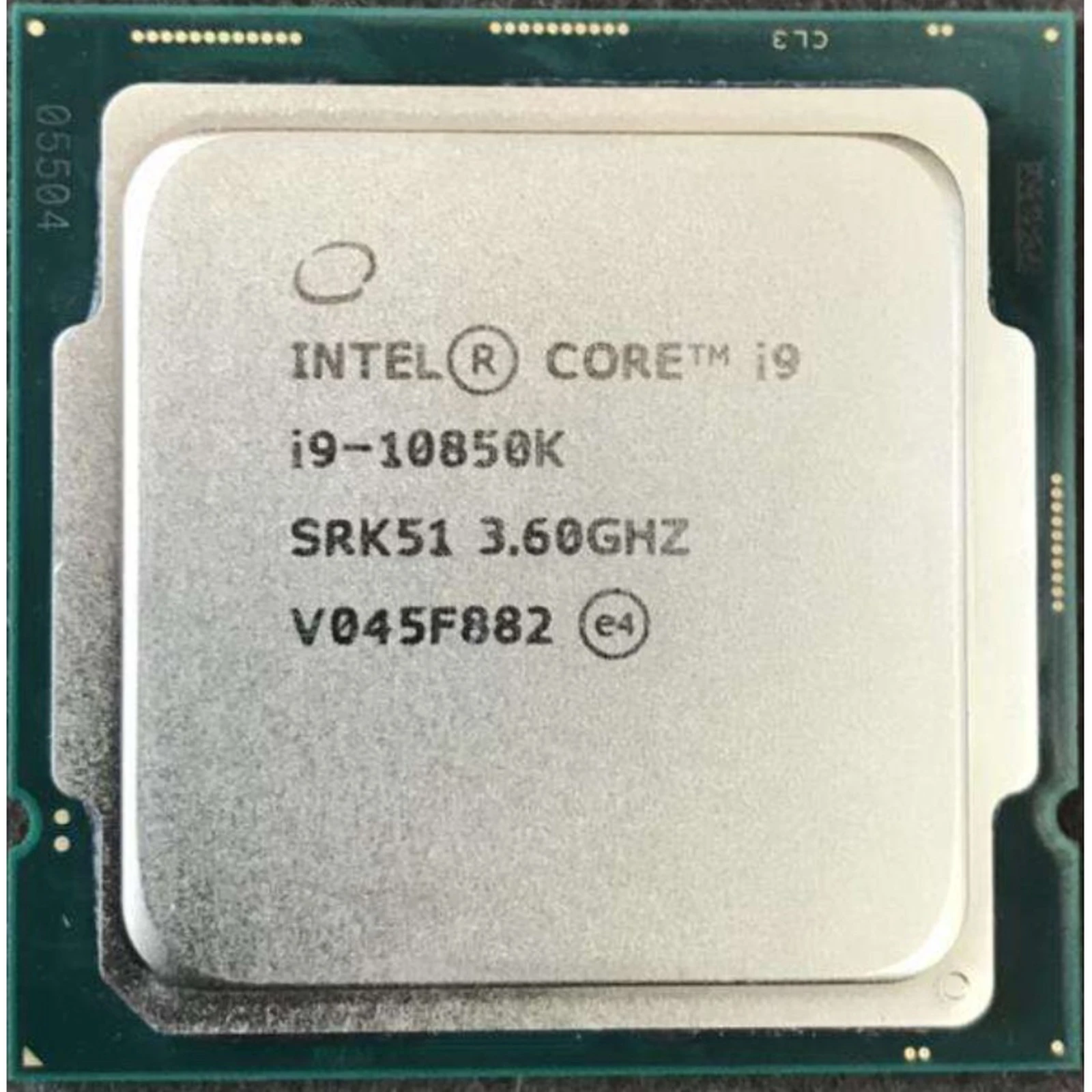
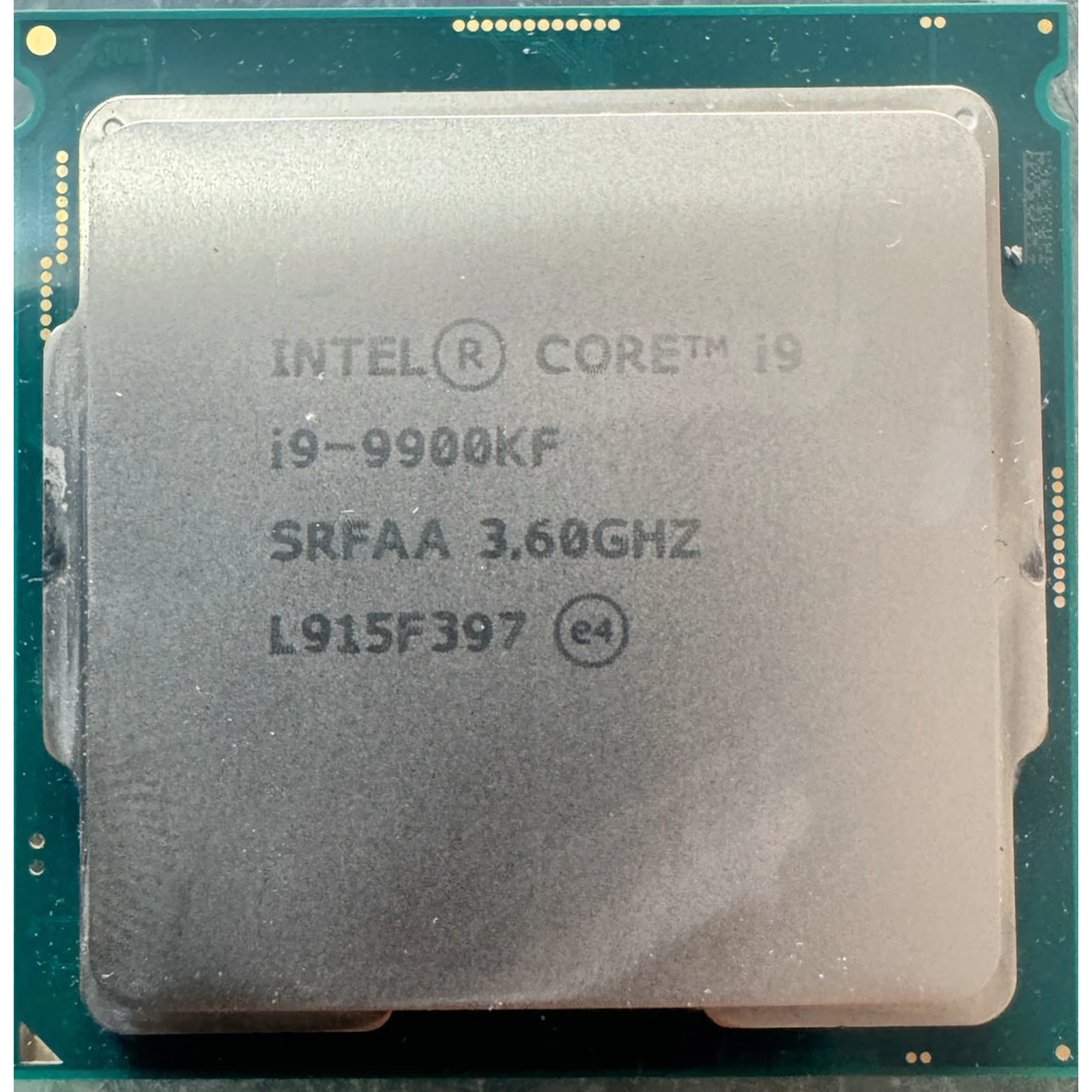
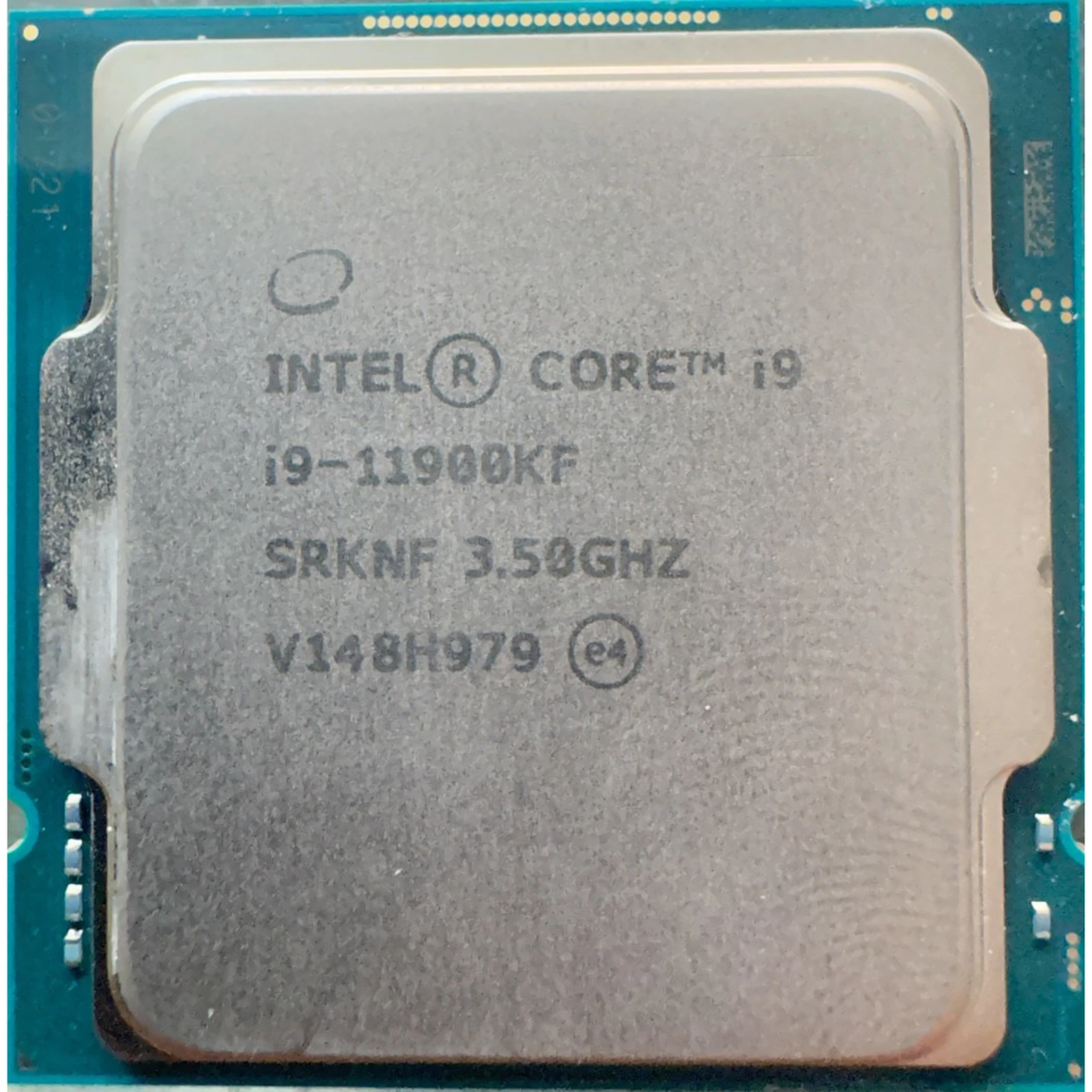

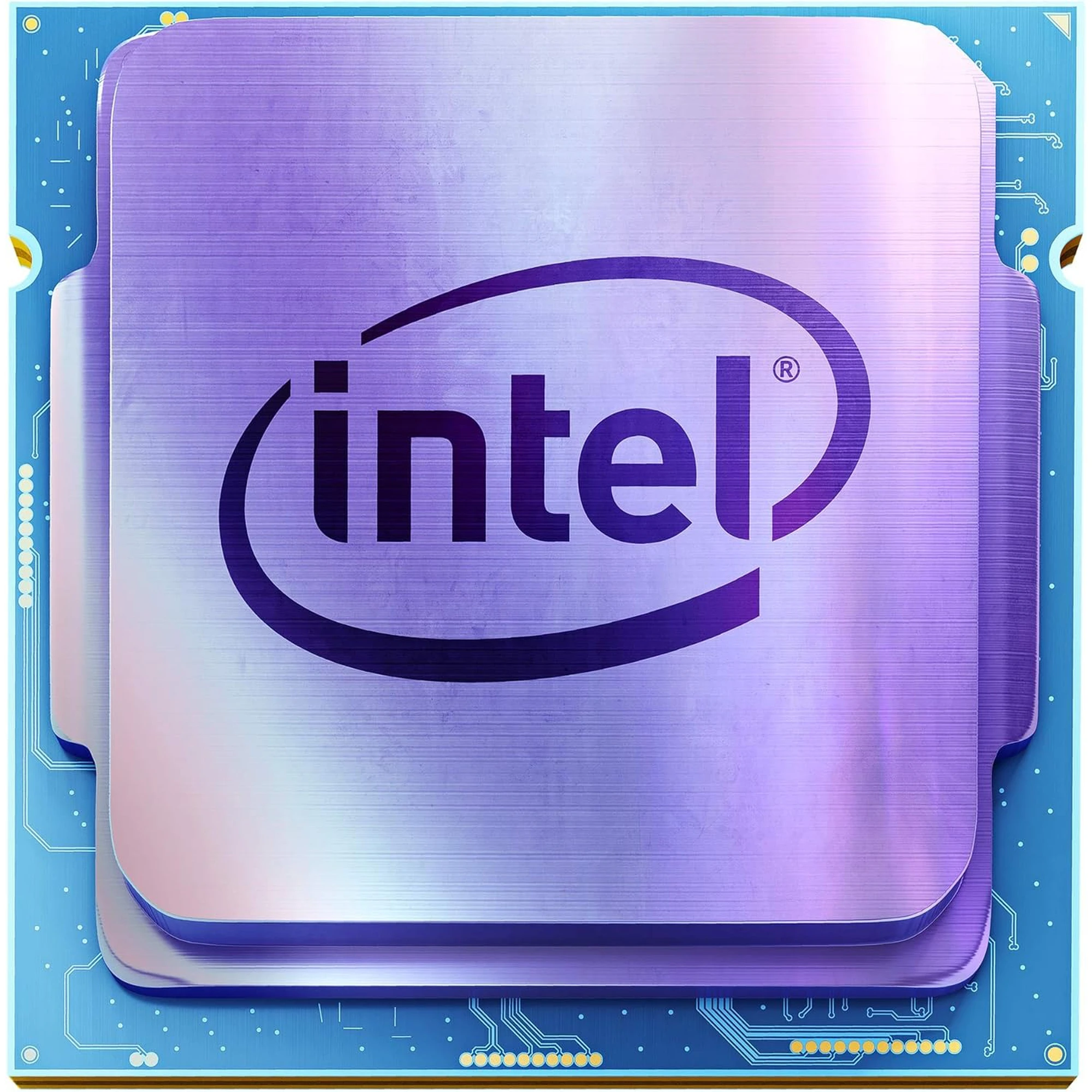
Intel Core i3-10300 Processor | 4-Core 8-Thread Budget Desktop CPU | Up to 4.4GHz
| Specification Category | Detailed Details |
|---|---|
| Processor Model | Intel Core i3-10300 |
| Product Generation | 10th Generation Intel Core (Comet Lake) |
| Launch Date | Q2 2020 |
| Manufacturing Process | 14nm Lithography |
| CPU Cores & Threads | 4 Cores, 8 Threads (Intel Hyper-Threading Technology) |
| Base Clock Speed | 3.70 GHz |
| Max Turbo Boost Speed | 4.40 GHz (Intel Turbo Boost 2.0) |
| CPU Cache | 8MB Intel Smart Cache |
| Thermal Design Power (TDP) | 65W |
| CPU Socket | FCLGA1200 (LGA 1200) |
| Memory Support | Dual-Channel DDR4-2666, Max 128GB |
| Max Memory Bandwidth | 41.6 GB/s |
| ECC Memory Support | No |
| Integrated Graphics | Intel UHD Graphics 630 |
| Graphics Base Frequency | 350 MHz |
| Graphics Max Dynamic Frequency | 1.15 GHz |
| Display Support | Up to 3 Displays, 4K@60Hz Support |
| PCI Express Version | PCIe 3.0, 16 Max Lanes |
| Max Junction Temperature | 100°C |
| Key Technologies | Intel Hyper-Threading, Turbo Boost 2.0, Quick Sync Video, Intel 64, Virtualization (VT-x/VT-d) |
| Security Features | AES-NI, Secure Key, Execute Disable Bit, Intel Boot Guard |
| Package Size | 37.5mm x 37.5mm |
Introduction to the Intel Core i3-10300 Processor
The Intel Core i3-10300 Processor is a cornerstone entry-level desktop CPU from Intel’s 10th Generation Comet Lake product lineup, launched in Q2 2020 as a cost-efficient solution for mainstream and budget computing needs. Engineered for users seeking reliable daily performance without excessive hardware costs, this processor bridges the gap between basic entry-level chips and mid-range processors, offering a balanced mix of processing power, power efficiency, and integrated functionality. Built on Intel’s mature 14nm manufacturing process, a technology refined over multiple processor generations, the i3-10300 delivers consistent performance, thermal stability, and long-term durability, making it a top choice for home users, small business owners, students, and office administrators building affordable yet functional desktop systems.
Unlike lower-tier Celeron and Pentium processors, the Intel Core i3-10300 incorporates Intel Hyper-Threading Technology, a key feature that elevates its multitasking capabilities beyond basic single-threaded performance. It is purpose-built to handle everyday computing tasks with ease, including web browsing with multiple tabs open, document editing, spreadsheet calculations, email management, video conferencing, light photo editing, and 1080p multimedia playback. While not designed for heavy gaming, 4K video rendering, or intensive professional workloads like 3D modeling or software compilation, it excels in its target segment, providing snappy responsiveness for routine tasks and eliminating the lag and slowdowns common to older or lower-specification entry-level processors. Its standard 65W thermal design power (TDP) ensures compatibility with most budget motherboards and stock cooling solutions, reducing overall system build costs and simplifying hardware integration for both novice builders and system integrators.
Core Architecture & Processing Performance Breakdown
At the heart of the Intel Core i3-10300 lies a 4-core, 8-thread processing configuration, powered by Intel’s Comet Lake microarchitecture and 14nm++ lithography. The processor features 4 physical cores, with Intel Hyper-Threading Technology enabling each core to handle two simultaneous processing threads, resulting in 8 total logical threads. This hyper-threading capability is a game-changer for multitasking, allowing the system to run multiple applications concurrently without significant performance drops—for example, editing a document while streaming music, running antivirus scans in the background, or joining a video conference with browser tabs open. This level of multitasking performance is unmatched by non-hyper-threaded entry-level processors, making the i3-10300 a far more versatile option for modern daily computing.
In terms of clock speeds, the Intel Core i3-10300 features a base processor frequency of 3.70GHz, which serves as the stable operating speed under sustained full-core workloads, and a maximum turbo frequency of 4.40GHz via Intel Turbo Boost Technology 2.0. Turbo Boost 2.0 dynamically increases the clock speed of individual cores when workload demands are high and thermal/power conditions allow, delivering a quick performance boost for single-threaded tasks such as application launches, web page loading, and basic file processing. This burst performance ensures that daily tasks feel fast and responsive, even when the processor is not operating at full capacity. Complementing its core and thread design is 8MB of Intel Smart Cache, a high-speed on-processor memory pool that reduces latency by storing frequently accessed data and instructions close to the cores. This cache size is optimal for entry-level workloads, minimizing delays in data retrieval and improving overall system responsiveness compared to processors with smaller cache allocations.
The processor’s 14nm manufacturing process is a critical factor in its reliability and power efficiency. While newer Intel processor generations use advanced 10nm and 7nm processes, the 14nm process used in the i3-10300 is time-tested, with excellent thermal control and low power draw at idle and moderate loads. This maturity translates to consistent performance over time, reduced heat output, and compatibility with a wide range of budget cooling solutions, including stock Intel coolers included with boxed processor versions. The combination of 4 cores, 8 threads, balanced clock speeds, and efficient architecture makes the Intel Core i3-10300 a highly capable chip for its target market, outperforming older 7th and 8th Gen i3 processors in both single-threaded and multi-threaded benchmarks, and holding its own against competing entry-level AMD processors in daily productivity tasks.
Memory, Expansion, & Platform Compatibility
The Intel Core i3-10300 is designed for seamless integration with modern budget desktop platforms, featuring the LGA 1200 socket (also known as FC-LGA14C) for motherboard compatibility. This socket is compatible with Intel 400-series and 500-series budget chipsets, including the H410, B460, H510, and B560 chipsets, offering users a wide range of affordable motherboard options to suit different build needs—from basic micro-ATX boards for compact home PCs to full ATX boards for small office workstations with expandability needs. The LGA 1200 socket ensures a secure physical and electrical connection between the processor and motherboard, supporting stable power delivery and data transfer for consistent long-term operation.
For memory compatibility, the Intel Core i3-10300 supports dual-channel DDR4-2666 memory, with a maximum memory capacity of 128GB (dependent on the motherboard’s memory slot configuration and chipset support). Dual-channel memory architecture doubles the memory bandwidth compared to single-channel setups, improving data transfer speeds between the processor and system RAM, which directly enhances multitasking performance and application load times. The maximum memory bandwidth of 41.6 GB/s ensures that the processor can quickly access large files and application data, preventing bottlenecks in daily workloads. Importantly, this processor does not support Error-Correcting Code (ECC) memory, as it is designed for consumer desktop use rather than server or workstation environments, which aligns with its budget-focused positioning.
In terms of expansion capabilities, the Intel Core i3-10300 supports PCI Express 3.0 technology, with a maximum of 16 PCIe lanes available for peripheral and component connectivity. These lanes can be configured in multiple setups, including 1×16, 2×8, or 1×8+2×4, allowing users to install dedicated graphics cards, solid-state drives (SSDs), expansion cards, and other peripherals. While the integrated UHD Graphics 630 eliminates the need for a dedicated GPU for basic tasks, users can add a budget discrete graphics card for light gaming or improved multimedia performance using the PCIe x16 slot. The processor also supports Intel Optane Memory, a volatile memory technology that accelerates storage performance by caching frequently used data from traditional hard disk drives (HDDs), extending the lifespan of older storage devices and improving overall system speed without upgrading to an SSD.
Integrated Graphics & Multimedia Performance
A standout feature of the Intel Core i3-10300 is its integrated Intel UHD Graphics 630 iGPU, which eliminates the need for a dedicated graphics card for entry-level users, significantly reducing overall system build costs. This integrated graphics processor operates at a base frequency of 350MHz and a maximum dynamic frequency of 1.15GHz, with support for up to 64GB of shared system memory for graphics processing. The UHD Graphics 630 is fully capable of handling 1080p video playback at 60Hz, 4K video playback at 60Hz (via compatible display interfaces), and basic 2D graphics tasks, making it ideal for streaming movies, video conferencing, web browsing, and office productivity software.
The integrated graphics include a suite of Intel multimedia technologies to enhance visual and video performance, including Intel Quick Sync Video, Intel Clear Video HD Technology, and Intel InTru 3D Technology. Intel Quick Sync Video is a hardware-accelerated video encoding and decoding feature that speeds up video conversion, online video sharing, and video editing tasks, reducing processor load and saving time for users who work with basic video content. Intel Clear Video HD Technology improves image and video quality by delivering sharper, more vibrant visuals, accurate color reproduction, and stable playback, even for compressed video formats. The processor supports up to 3 simultaneous displays, with maximum resolutions of 4096 x 2160@30Hz via HDMI and 4096 x 2304@60Hz via DisplayPort, offering flexible multi-monitor setups for office workers who need expanded screen space.
While the UHD Graphics 630 is not designed for heavy gaming or 3D rendering, it can handle casual, low-demand games at 720p or 1080p low settings, making the processor suitable for casual gamers on a tight budget. It also supports DirectX 12 and OpenGL 4.5, ensuring compatibility with modern software applications and operating systems, including Windows 10 and Windows 11. This integrated graphics functionality makes the Intel Core i3-10300 a complete, all-in-one processing solution for users who do not require high-end graphics performance, simplifying system builds and reducing upfront costs.
Power Efficiency, Thermal Design, & Advanced Technologies
The Intel Core i3-10300 features a standard 65W thermal design power (TDP), which represents the average power consumption under full-core, high-complexity workloads. This low power draw makes the processor highly energy-efficient, reducing electricity costs for continuous use and minimizing heat output, which is critical for budget systems with basic cooling solutions. The processor’s maximum junction temperature (Tjunction) is 100°C, providing a safe thermal threshold for reliable operation, even under sustained workloads. Compatible with Intel’s stock LGA 1200 coolers, the i3-10300 maintains safe operating temperatures without the need for expensive aftermarket cooling, further lowering system build costs.
Beyond core performance, the processor includes a range of advanced Intel technologies to enhance functionality, security, and user experience. Intel Hyper-Threading Technology, as previously noted, doubles the number of processing threads for improved multitasking. Intel Turbo Boost Technology 2.0 delivers on-demand performance bursts for single-threaded tasks, while Enhanced Intel SpeedStep Technology optimizes power consumption by adjusting voltage and frequency based on workload demand, reducing power draw at idle and light loads. The processor also supports Intel 64 architecture, enabling full compatibility with 64-bit operating systems and applications, which is essential for modern computing and accessing more than 4GB of system memory.
Security is a key focus for the Intel Core i3-10300, with built-in features to protect user data and system integrity. These include Intel AES New Instructions for fast, hardware-accelerated data encryption, Secure Key for secure encryption key generation, Execute Disable Bit to prevent malware execution, and Intel Boot Guard to protect against unauthorized firmware modifications. The processor also supports Intel Virtualization Technology (VT-x) and VT-d, enabling efficient virtual machine operation for users who run multiple operating systems or use virtualization software for work or personal use. These advanced features make the i3-10300 not just a budget processor, but a secure and versatile chip for modern desktop computing.
Ideal Use Cases & Target User Base
The Intel Core i3-10300 is tailored for a specific, well-defined user base that values reliability, affordability, and practical performance over high-end specs. Its ideal use cases include entry-level home desktop PCs for web browsing, streaming, and basic entertainment; small office and home office (SOHO) workstations for document editing, email, spreadsheets, and video conferencing; student laptops and desktops for online learning, research, and school assignments; kiosk and retail systems; and basic home media PCs for 1080p/4K video playback. It is also an excellent choice for system builders creating affordable refurbished or budget pre-built desktops for resale, as it offers strong value and broad compatibility.
This processor is not intended for high-intensity workloads such as 3A gaming, professional video editing, 3D modeling, software development, or server operations. Users with these needs should upgrade to Intel Core i5, i7, or i9 processors or equivalent AMD chips. However, for its target audience, the i3-10300 exceeds expectations, providing enough performance to handle modern operating systems and software smoothly, with enough headroom for future software updates. Its combination of low power usage, integrated graphics, and affordable pricing makes it one of the most cost-effective entry-level desktop processors in Intel’s 10th Gen lineup, remaining a popular choice in 2026 for budget-focused builds.
| Product Name | Launch Date | Total Cores | Max Turbo Frequency | Cache | GPU Name‡ |
| Intel® Core™ i3-10105 Processor | Q1’21 | 4 | 4.40 GHz | 6 MB Intel® Smart Cache | Intel® UHD Graphics 630 |
| Intel® Core™ i3-10105F Processor | Q1’21 | 4 | 4.40 GHz | 6 MB Intel® Smart Cache | |
| Intel® Core™ i3-10105T Processor | Q1’21 | 4 | 3.90 GHz | 6 MB Intel® Smart Cache | Intel® UHD Graphics 630 |
| Intel® Core™ i3-10305 Processor | Q1’21 | 4 | 4.50 GHz | 8 MB Intel® Smart Cache | Intel® UHD Graphics 630 |
| Intel® Core™ i3-10305T Processor | Q1’21 | 4 | 4.00 GHz | 8 MB Intel® Smart Cache | Intel® UHD Graphics 630 |
| Intel® Core™ i3-10325 Processor | Q1’21 | 4 | 4.70 GHz | 8 MB Intel® Smart Cache | Intel® UHD Graphics 630 |
| Intel® Core™ i3-10100F Processor | Q4’20 | 4 | 4.30 GHz | 6 MB Intel® Smart Cache | |
| Intel® Core™ i3-10100 Processor | Q2’20 | 4 | 4.30 GHz | 6 MB Intel® Smart Cache | Intel® UHD Graphics 630 |
| Intel® Core™ i3-10100T Processor | Q2’20 | 4 | 3.80 GHz | 6 MB Intel® Smart Cache | Intel® UHD Graphics 630 |
| Intel® Core™ i3-10300 Processor | Q2’20 | 4 | 4.40 GHz | 8 MB Intel® Smart Cache | Intel® UHD Graphics 630 |
| Intel® Core™ i3-10300T Processor | Q2’20 | 4 | 3.90 GHz | 8 MB Intel® Smart Cache | Intel® UHD Graphics 630 |
| Intel® Core™ i3-10320 Processor | Q2’20 | 4 | 4.60 GHz | 8 MB Intel® Smart Cache | Intel® UHD Graphics 630 |


