
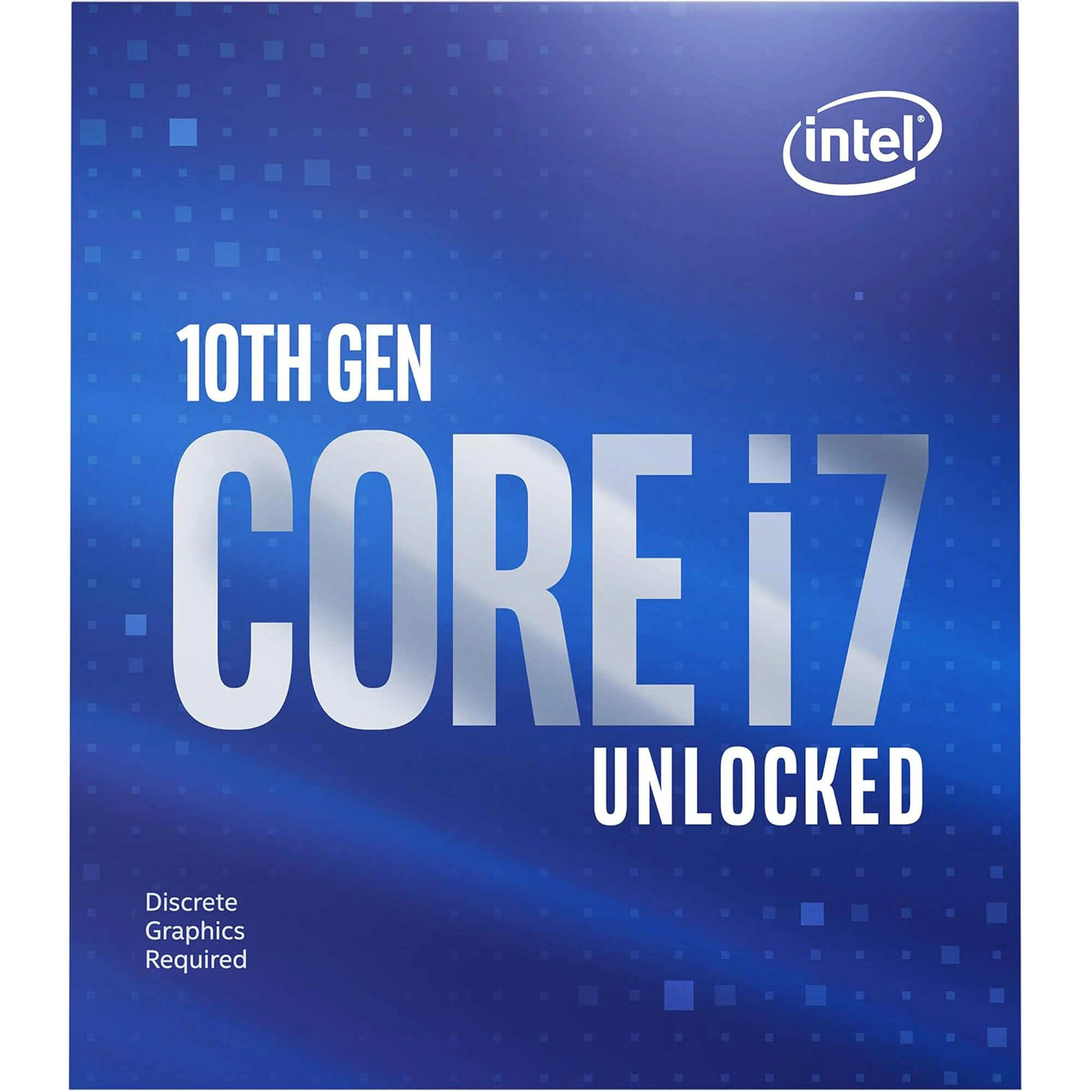
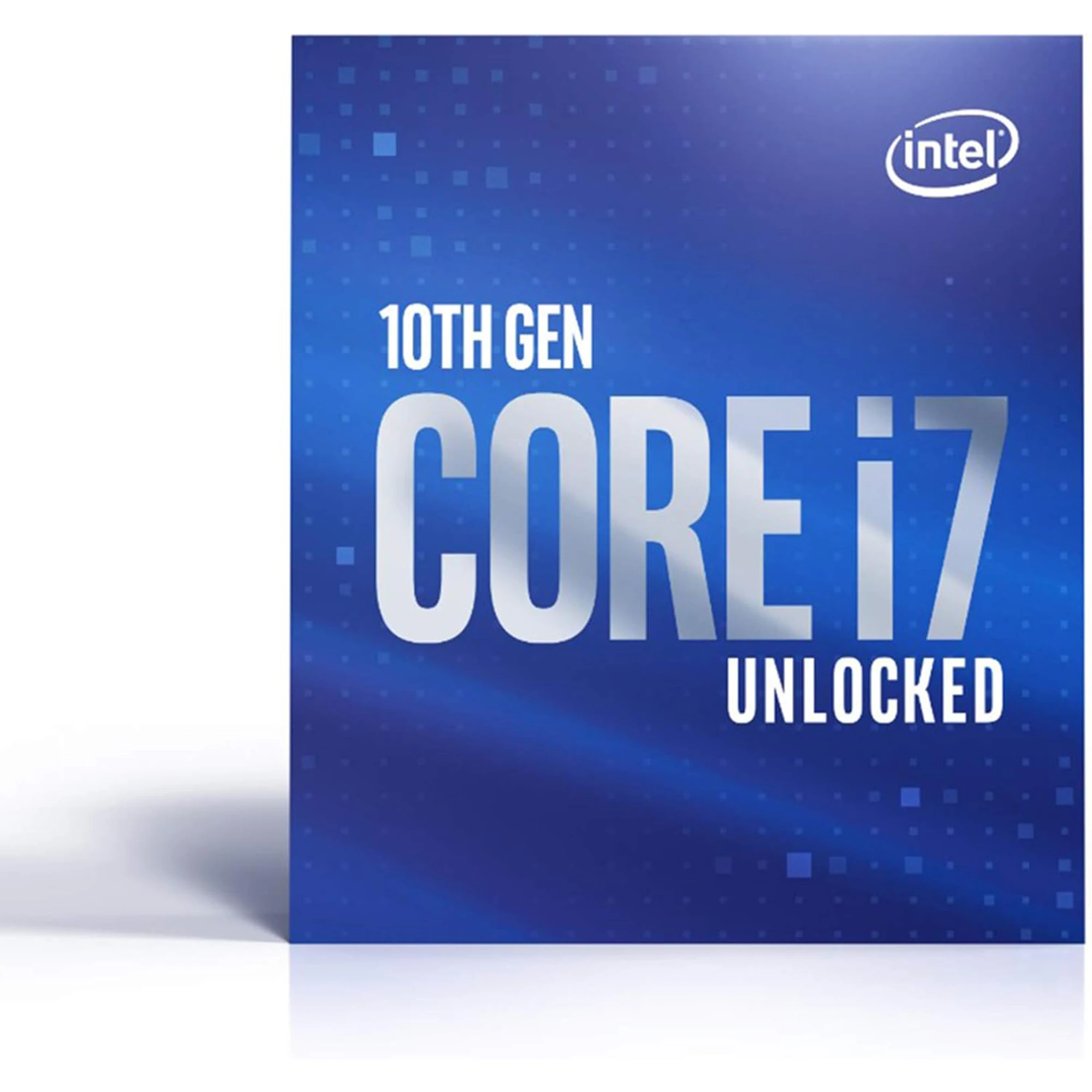
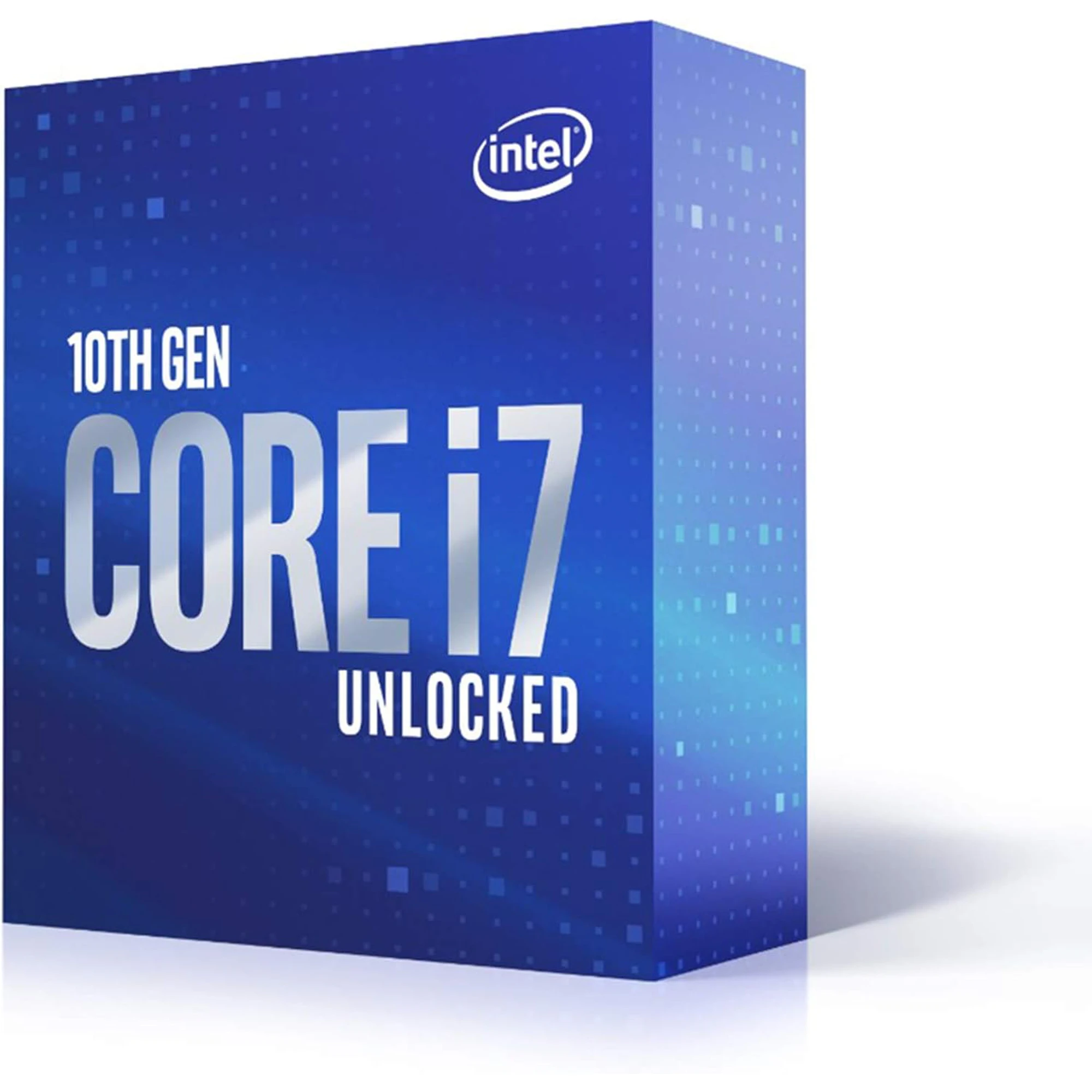
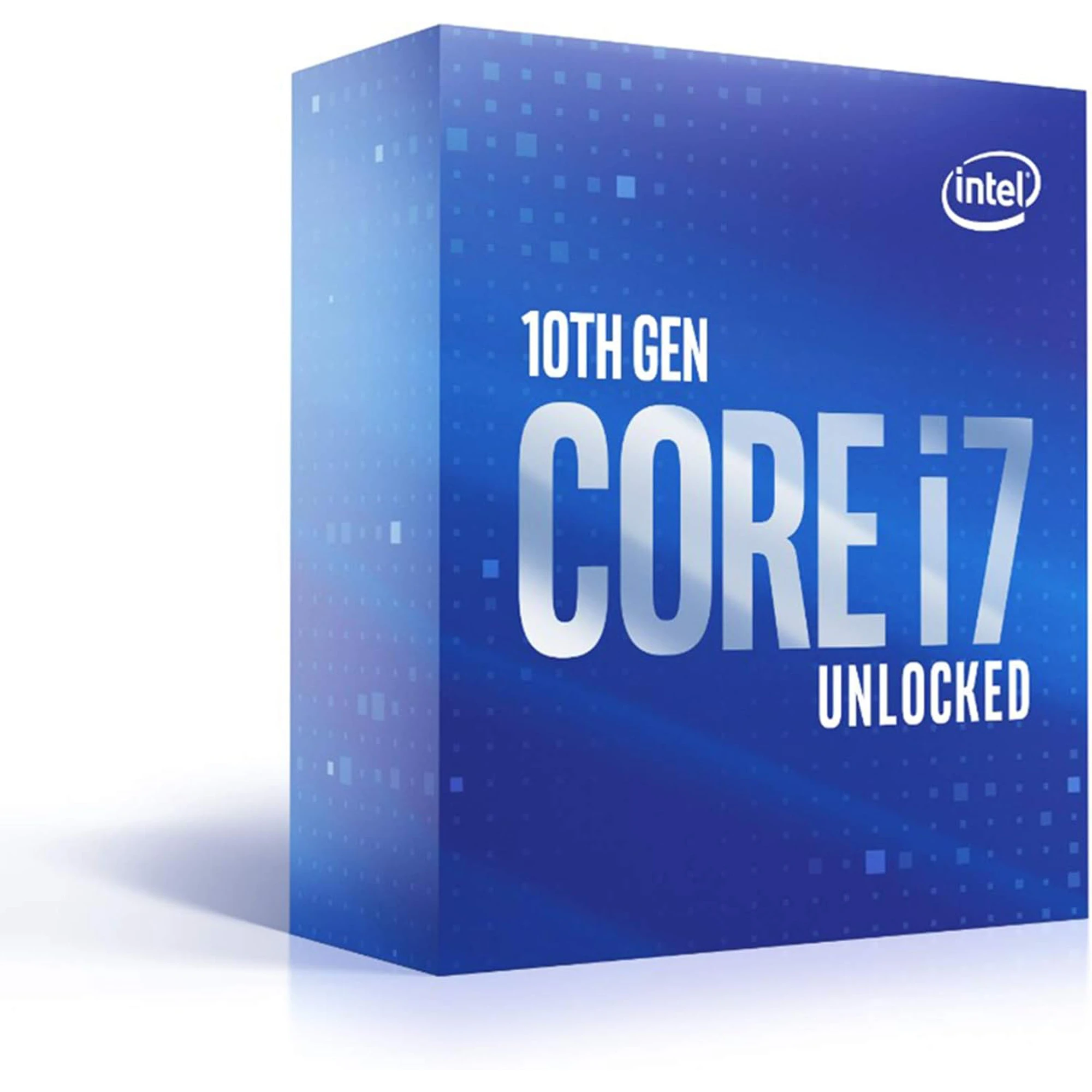
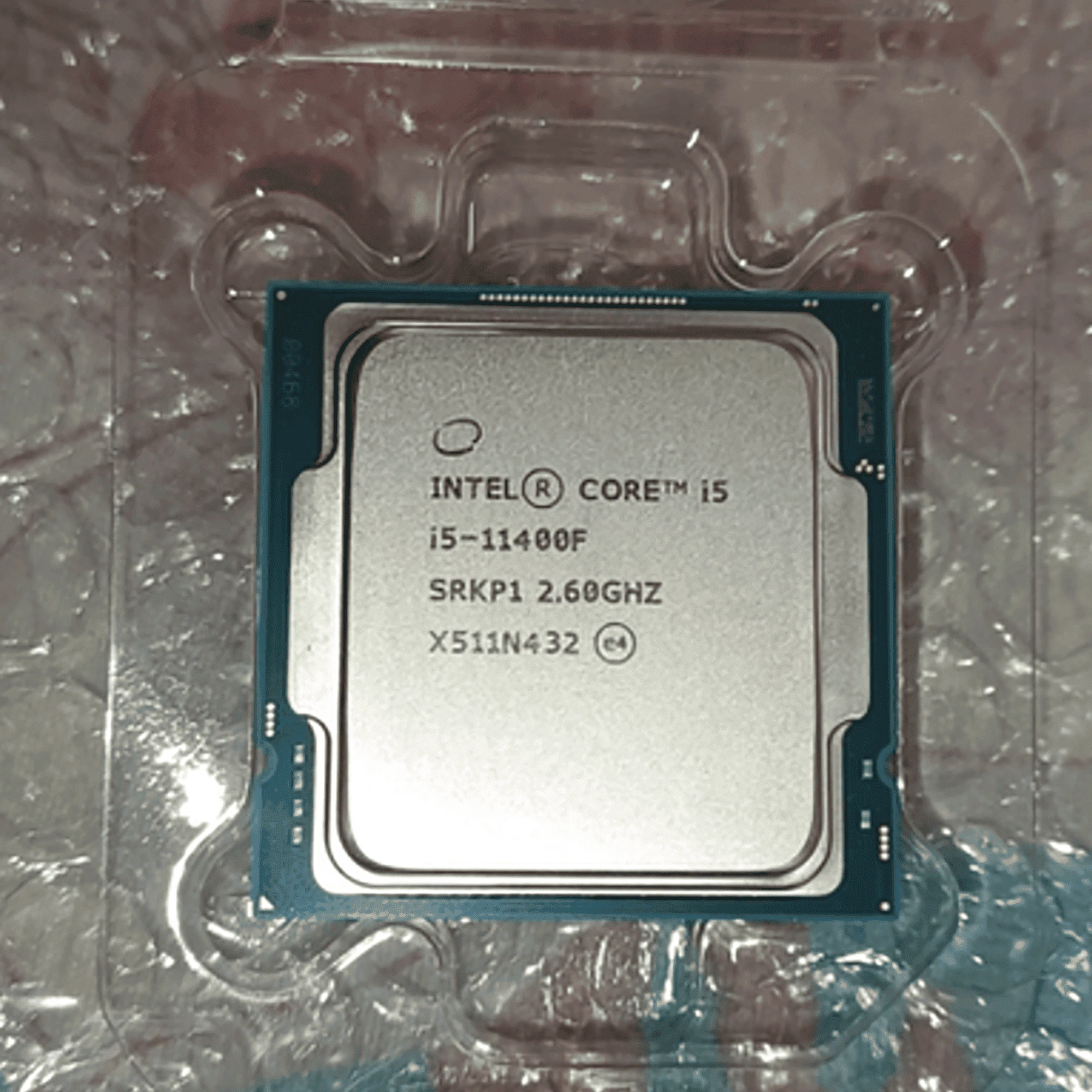
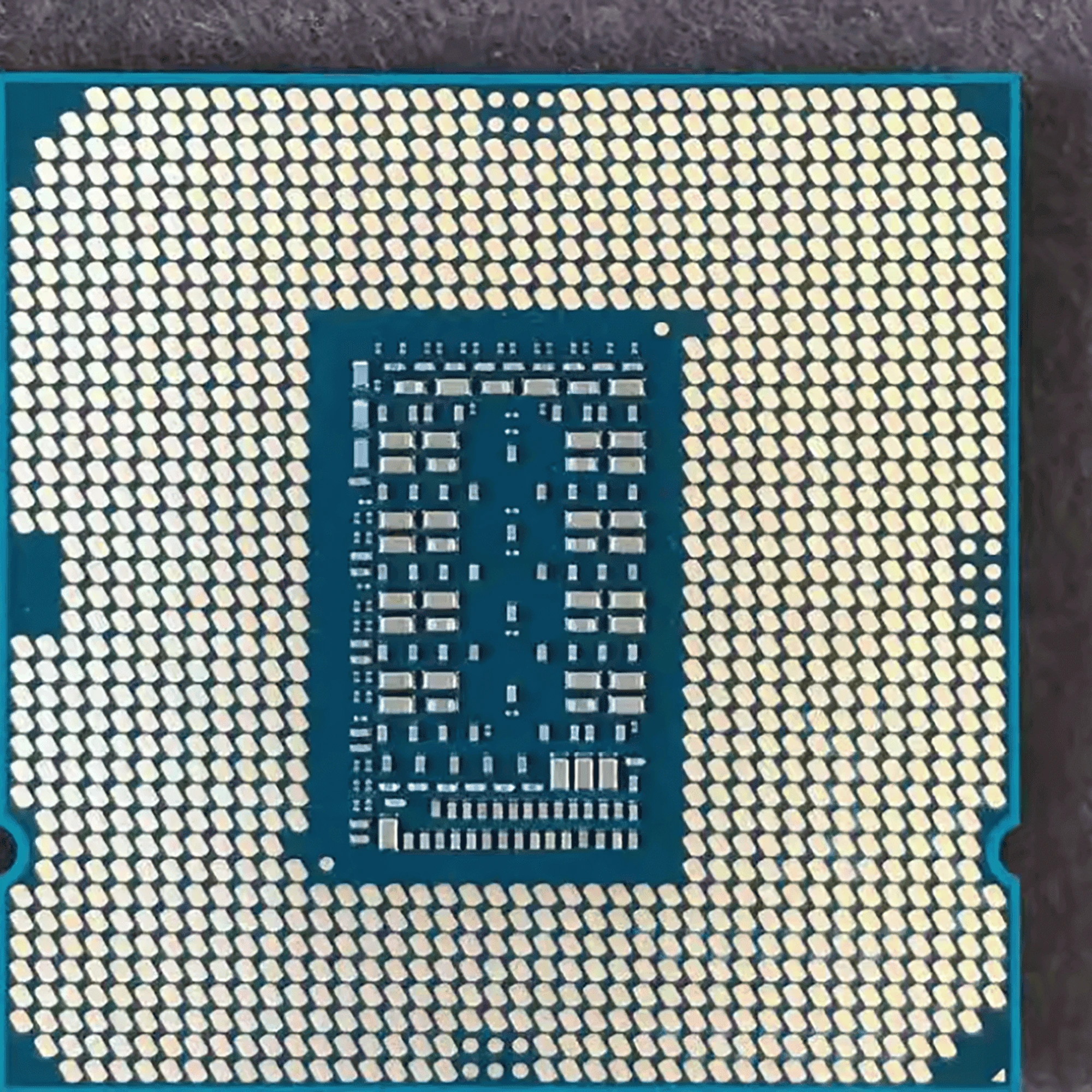
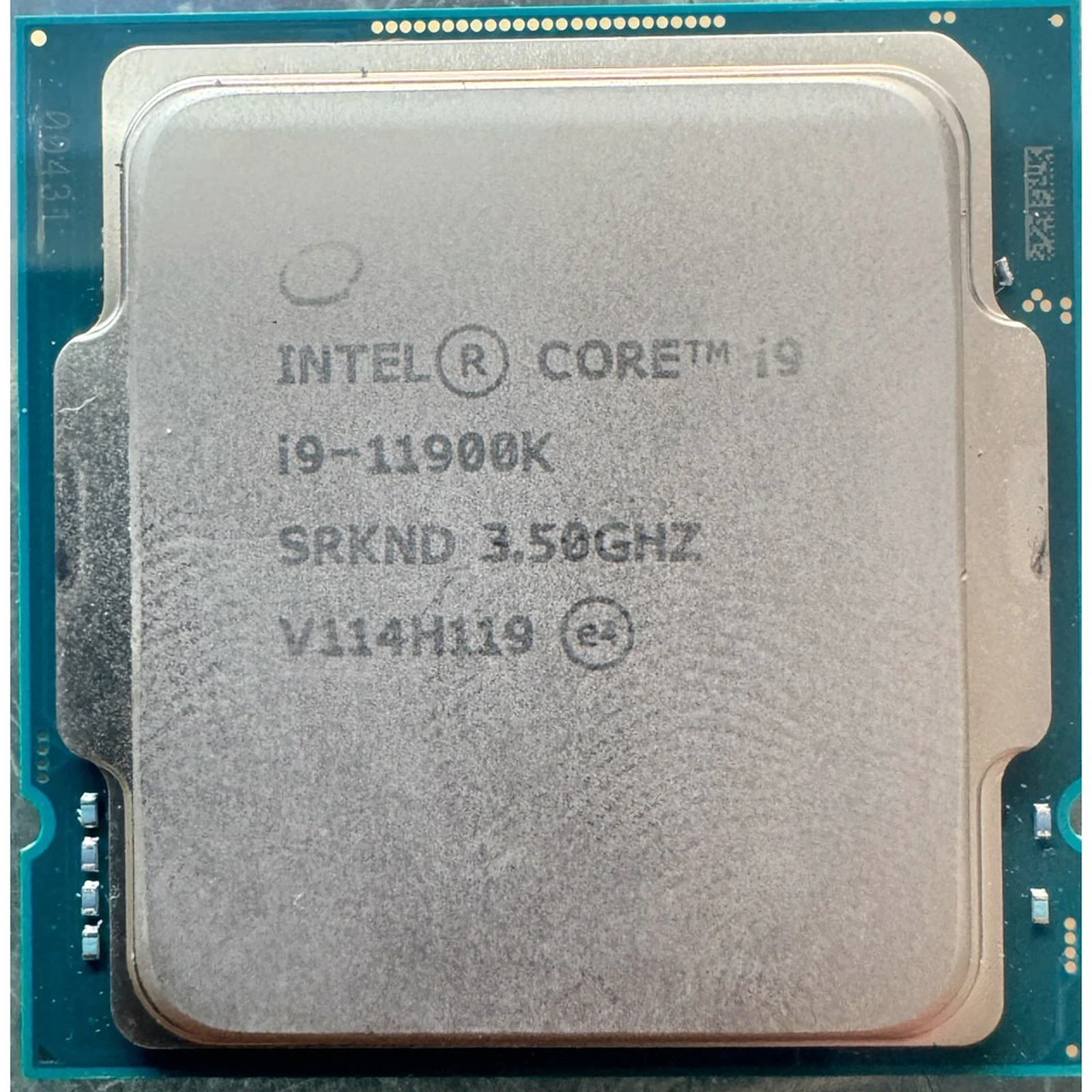

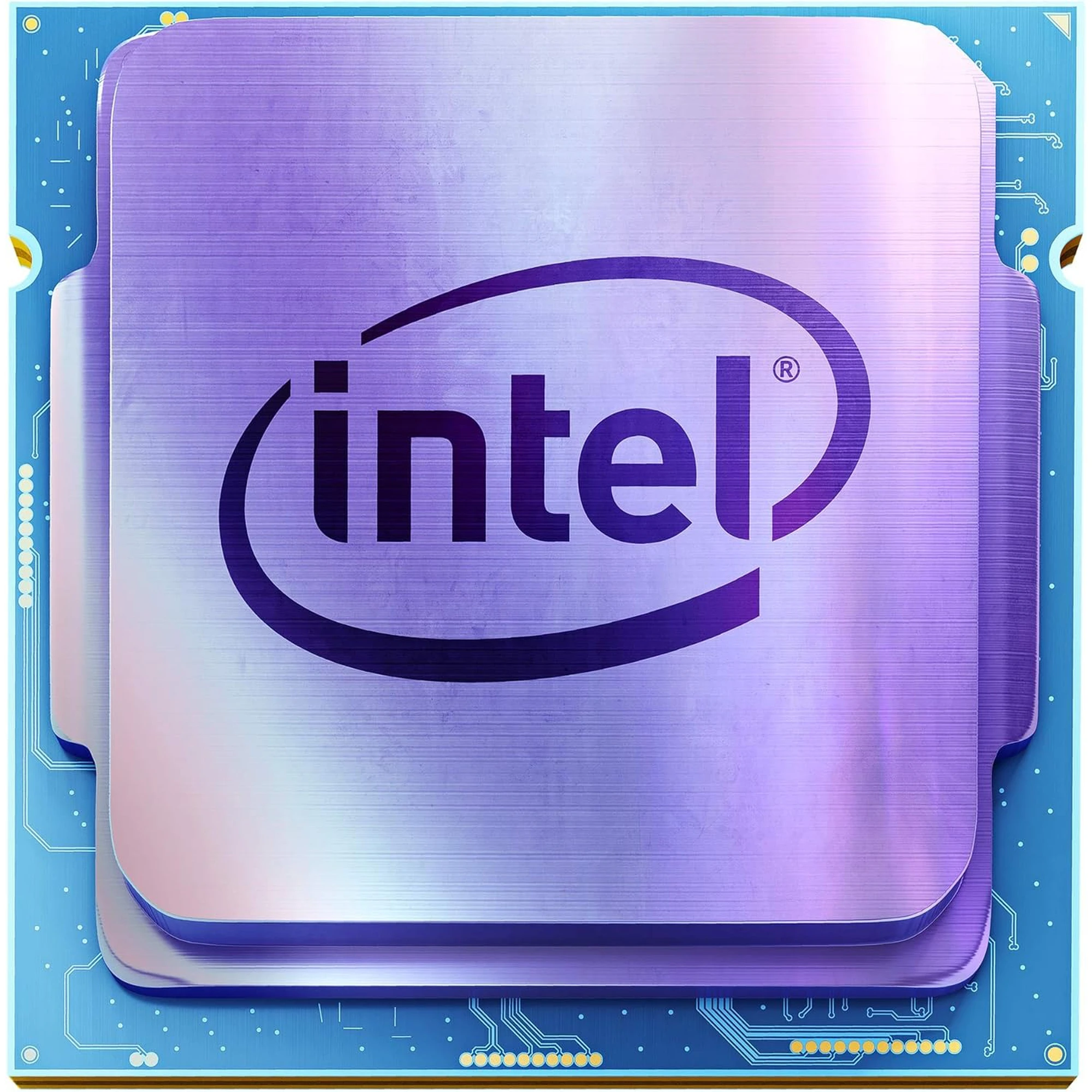
Intel Core i7-10700K Processor | 8-Core 16-Thread, 5.1GHz Turbo, Unlocked Overclocking, LGA 1200, UHD Graphics 630
| Specification | Details |
|---|---|
| Product Name | Intel Core i7-10700K Processor |
| Generation | 10th Generation (Comet Lake-S) |
| Lithography | 14nm FinFET |
| Cores/Threads | 8 Cores / 16 Threads (Hyper-Threading Enabled) |
| Base Clock Speed | 3.8GHz |
| Max Turbo Frequency | 5.1GHz (Single Core), 4.9GHz (All Cores) |
| Turbo Boost Technology | Turbo Boost 2.0 & Turbo Boost Max 3.0 |
| Cache | 16MB Intel Smart Cache (L3), 2MB L2 Cache, 512KB L1 Cache |
| Socket | LGA 1200 |
| TDP | 125W; Configurable TDP-Down: 95W (3.5GHz Base Clock) |
| Tjunction Max | 100°C |
| Memory Support | Dual-Channel DDR4-2933MHz, Max 128GB, No ECC Support |
| Memory Bandwidth | 45.8GB/s |
| Integrated Graphics | Intel UHD Graphics 630 (350MHz Base, 1.20GHz Max Dynamic Frequency) |
| Graphics Features | DirectX 12, OpenGL 4.5, OpenCL 3.0, 4K@60Hz Support, 3 Displays Max |
| PCIe Support | PCIe 3.0, Up to 16 Lanes (Configurable: 1×16, 2×8, 1×8+2×4) |
| Advanced Technologies | Hyper-Threading, Unlocked Multiplier, Intel Optane Memory Support, VT-x/VT-d, AES-NI |
| Launch Date | Q2 2020 |
| Compatible Chipsets | Intel 400-Series (Z490, H470, B460, H410) & 500-Series (Z590, etc.) |
| Stock Cooler | Not Included |
The Intel Core i7-10700K Processor stands as a iconic high-performance desktop CPU from Intel’s 10th Generation Comet Lake-S lineup, launched in the second quarter of 2020 as a flagship offering for enthusiasts, gamers, and content creators alike. Combining robust multi-threaded performance with exceptional single-core speeds, this unlocked processor has remained a popular choice in 2026, thanks to its balanced feature set, compatibility with affordable LGA 1200 motherboards, and value proposition in the used and refurbished market. Designed to deliver a seamless experience across gaming, content creation, and heavy multitasking, the i7-10700K embodies Intel’s focus on clock speed optimization, making it a versatile workhorse for both casual and professional users.
Key Architecture & Core Specifications
At its core, the Intel Core i7-10700K is built on Intel’s refined 14nm FinFET manufacturing process, part of the Comet Lake-S architecture—a polished iteration of the Skylake microarchitecture that prioritizes clock speed and single-core performance over core count expansion. This focus makes the processor particularly well-suited for gaming, where single-core performance directly impacts frame rates, as well as applications that rely on fast single-threaded execution. The processor features 8 physical cores and 16 threads, enabled by Intel’s Hyper-Threading Technology, which allows each core to handle two tasks simultaneously, significantly boosting multitasking capabilities and productivity performance for tasks like video editing, 3D rendering, and software development.
The i7-10700K boasts a base clock speed of 3.8GHz, which provides a solid foundation for everyday tasks, from web browsing and office productivity to light content creation. When pushed to its limits, the processor’s Intel Turbo Boost Max Technology 3.0 and Turbo Boost Technology 2.0 enable it to reach a maximum turbo frequency of 5.1GHz on a single core—one of the highest clock speeds available in its generation—delivering blistering fast performance for single-threaded applications. For multi-core workloads, the processor can sustain a turbo frequency of up to 4.9GHz across all 8 cores, ensuring that even demanding multi-threaded tasks are handled with ease. Additionally, the processor features a configurable TDP-down mode, allowing users to reduce the base clock to 3.5GHz and TDP to 95W for quieter operation and lower power consumption when full performance is not required.
A key highlight of the i7-10700K is its unlocked multiplier, which grants enthusiasts full control over overclocking. This means users can adjust the processor’s clock speed beyond its stock limits, further enhancing performance for gaming and specialized workloads—provided they have a compatible cooling solution and motherboard. Intel specifies a Tjunction max temperature of 100°C, which is the maximum temperature the CPU core can reach before automatic clock throttling occurs to prevent damage, emphasizing the need for a high-quality cooler when overclocking or running the processor at full load for extended periods.
Cache & Memory Performance
To complement its powerful core configuration, the Intel Core i7-10700K is equipped with 16MB of Intel Smart Cache (L3 cache), which acts as a high-speed buffer between the processor cores and main memory. This large cache size reduces latency by storing frequently accessed data and instructions, ensuring that the cores can access critical information quickly without waiting for data to be retrieved from slower main memory. The processor also features 2MB of L2 cache (256KB per core) and 512KB of L1 cache, creating a multi-tiered cache system that optimizes data access and improves overall performance.
In terms of memory support, the i7-10700K supports dual-channel DDR4 memory with a maximum speed of 2933MHz, allowing for a maximum memory bandwidth of 45.8GB/s. This high memory bandwidth is essential for multitasking, as well as memory-intensive applications like video editing, 3D rendering, and gaming with high-resolution textures. The processor can support up to 128GB of memory (across two DIMM slots), making it suitable for users who require large amounts of RAM for specialized workloads, such as virtualization or content creation with large files. It is important to note that the i7-10700K does not support ECC memory, which is typically used in server and workstation environments, but this is not a limitation for most consumer and enthusiast use cases.
Integrated Graphics & Display Capabilities
The Intel Core i7-10700K includes an integrated graphics solution, the Intel UHD Graphics 630, which provides basic graphics capabilities for everyday tasks and light gaming. The UHD Graphics 630 features a base frequency of 350MHz and a maximum dynamic frequency of 1.20GHz, with 24 execution units that support DirectX 12, OpenGL 4.5, and OpenCL 3.0. This integrated GPU is sufficient for tasks like web browsing, video playback, and office productivity, as well as older or less demanding games at 1080p resolution. For example, titles like Minecraft, League of Legends, and Counter-Strike: Global Offensive can run smoothly on the UHD Graphics 630 at medium to high settings in 1080p.
The UHD Graphics 630 also supports advanced display features, including 4K resolution at 60Hz, multiple display outputs (up to 3 monitors simultaneously), and Intel Quick Sync Video, which accelerates video encoding and decoding tasks. This makes the i7-10700K a viable option for users who do not require a dedicated graphics card (GPU) for their daily tasks, or as a backup solution in case of GPU failure. However, for modern AAA games, 4K gaming, or GPU-accelerated content creation tasks (such as video editing with GPU rendering), a dedicated GPU—like NVIDIA’s RTX 30-series or 40-series, or AMD’s RX 6000-series or 7000-series—is recommended to unlock the full potential of the system.
Connectivity & Expansion Options
The Intel Core i7-10700K uses the LGA 1200 socket, which is compatible with Intel’s 400-series and 500-series motherboards (Z490, Z590, H470, B460, H410, etc.). The Z490 and Z590 chipsets are particularly ideal for enthusiasts, as they support overclocking and offer additional features like more PCIe lanes, faster storage interfaces, and better power delivery. The processor supports up to 16 PCIe 3.0 lanes, which can be configured as 1×16, 2×8, or 1×8 + 2×4, providing ample bandwidth for a dedicated GPU, high-speed NVMe SSDs, and other expansion cards. It is important to note that the i7-10700K does not support PCIe 4.0, which was introduced with Intel’s 11th Generation processors, but PCIe 3.0 is still more than sufficient for most consumer applications in 2026, as even high-end GPUs and SSDs rarely saturate the bandwidth of PCIe 3.0.
Other connectivity features include support for Intel Optane Memory, which can accelerate storage performance by caching frequently accessed data on compatible SSDs. The processor also includes a range of advanced technologies, such as Intel Virtualization Technology (VT-x and VT-d), which enhances virtualization performance for running multiple operating systems or virtual machines, and Intel AES New Instructions, which accelerates encryption and decryption tasks for improved security.
Performance Benchmarks & Real-World Use Cases
In terms of performance, the Intel Core i7-10700K delivers impressive results across both single-core and multi-core benchmarks. In Cinebench R23, a popular benchmark for measuring CPU performance, the i7-10700K scores approximately 1300 points in single-core performance and 8000-8500 points in multi-core performance—placing it among the top processors of its generation for single-threaded performance. In Geekbench 6, the processor scores around 1729 points in single-core and 8193 points in multi-core, further confirming its strong performance in both single-threaded and multi-threaded workloads.
For gaming, the i7-10700K excels in 1080p and 1440p resolutions, where single-core performance is critical. When paired with a high-end GPU like the RTX 4070, the processor can deliver 150-200 FPS in Cyberpunk 2077 (with DLSS enabled) and over 250 FPS in competitive titles like Valorant and CS2 at 1440p ultra settings. Even in 4K gaming, the i7-10700K rarely becomes a bottleneck, as most 4K games are GPU-bound rather than CPU-bound. This makes it an excellent choice for gamers who want a processor that can keep up with high-refresh-rate monitors and powerful GPUs.
For content creators, the i7-10700K’s 8 cores and 16 threads make it well-suited for tasks like video editing, 3D rendering, and graphic design. In Adobe Premiere Pro, the processor can handle 4K video editing with ease, and when paired with a GPU, it can accelerate rendering times significantly. In Blender, the i7-10700K can render the BMW 27 scene in approximately 165 seconds, which is competitive for a mid-to-high-end consumer processor. The processor’s high clock speeds also make it ideal for software development, as it can compile code quickly and handle multiple development tools simultaneously.
Power Consumption & Thermals
The Intel Core i7-10700K has an official TDP (Thermal Design Power) of 125W, which represents the maximum power the processor is designed to consume under full load. However, in real-world use, the processor’s power consumption can exceed 125W when running multi-core workloads or when overclocked—with some overclocked configurations reaching 300W or more. This means that a high-quality CPU cooler is essential to keep the processor within safe temperature limits, especially when overclocking. A good air cooler (like the Noctua NH-D15) or a 240mm/360mm AIO liquid cooler is recommended to ensure stable performance and prevent overheating.
Intel specifies a Tjunction max temperature of 100°C, which is the maximum temperature the CPU core can reach before the processor automatically throttles its clock speed to prevent damage. Under normal load (web browsing, office tasks), the i7-10700K typically runs at 40-50°C, while under full load (gaming, rendering), temperatures can reach 70-85°C with a quality cooler. When overclocked, temperatures can exceed 90°C, so proper cooling is crucial to maintain stability and longevity.
Comparison to Competitors & Value Proposition
When launched, the Intel Core i7-10700K competed directly with AMD’s Ryzen 7 3700X, another 8-core, 16-thread processor. While the Ryzen 7 3700X offered slightly better multi-core performance and lower power consumption, the i7-10700K had a clear advantage in single-core performance, making it the better choice for gaming. In 2026, the i7-10700K remains a strong value proposition, with prices in the used market ranging from $150-$200—significantly lower than its original MSRP of $374. This makes it an affordable option for users building a mid-range gaming or content creation PC, especially when paired with a budget LGA 1200 motherboard and DDR4 memory.
Compared to newer processors like Intel’s Core i7-11700K (its direct successor) or AMD’s Ryzen 7 5800X, the i7-10700K offers slightly lower performance but at a much lower price point. For users who do not require the latest features (like PCIe 4.0) or the highest possible performance, the i7-10700K provides excellent value, as it can still handle modern games and applications with ease. Additionally, the LGA 1200 platform is mature and affordable, with a wide range of motherboards and memory options available, making it easy to build a system around the i7-10700K.
Pros & Cons
Pros:
- Exceptional single-core performance (up to 5.1GHz turbo), ideal for gaming and single-threaded applications.
- Unlocked multiplier for easy overclocking, allowing enthusiasts to boost performance further.
- 8 cores and 16 threads, providing strong multi-threaded performance for content creation and multitasking.
- Integrated Intel UHD Graphics 630, eliminating the need for a dedicated GPU for basic tasks and light gaming.
- Compatible with affordable LGA 1200 motherboards and DDR4 memory, offering good value in 2026.
- Supports Intel Optane Memory and advanced security features, enhancing system performance and security.
Cons:
- No PCIe 4.0 support, which may limit future expandability with newer GPUs and SSDs.
- High power consumption under full load (exceeds 125W), requiring a quality CPU cooler.
- Does not include a stock cooler, adding an additional cost to the build.
- Older 14nm process compared to newer processors, resulting in higher power consumption and heat output.
- No ECC memory support, making it unsuitable for server or workstation environments.
Is the Intel Core i7-10700K Worth Buying in 2026?
For most users, the Intel Core i7-10700K remains a worthwhile purchase in 2026, especially for those building a mid-range gaming or content creation PC on a budget. Its strong single-core performance makes it excellent for gaming, while its 8 cores and 16 threads handle multitasking and content creation with ease. The processor’s compatibility with affordable LGA 1200 motherboards and DDR4 memory further enhances its value, making it a cost-effective alternative to newer, more expensive processors.
Enthusiasts will appreciate the unlocked multiplier, which allows for easy overclocking to squeeze out additional performance, while casual users will benefit from the integrated graphics and reliable performance. While it lacks some of the latest features (like PCIe 4.0), the i7-10700K is still more than capable of handling modern games and applications, making it a solid choice for anyone looking for a high-performance processor without breaking the bank.


