
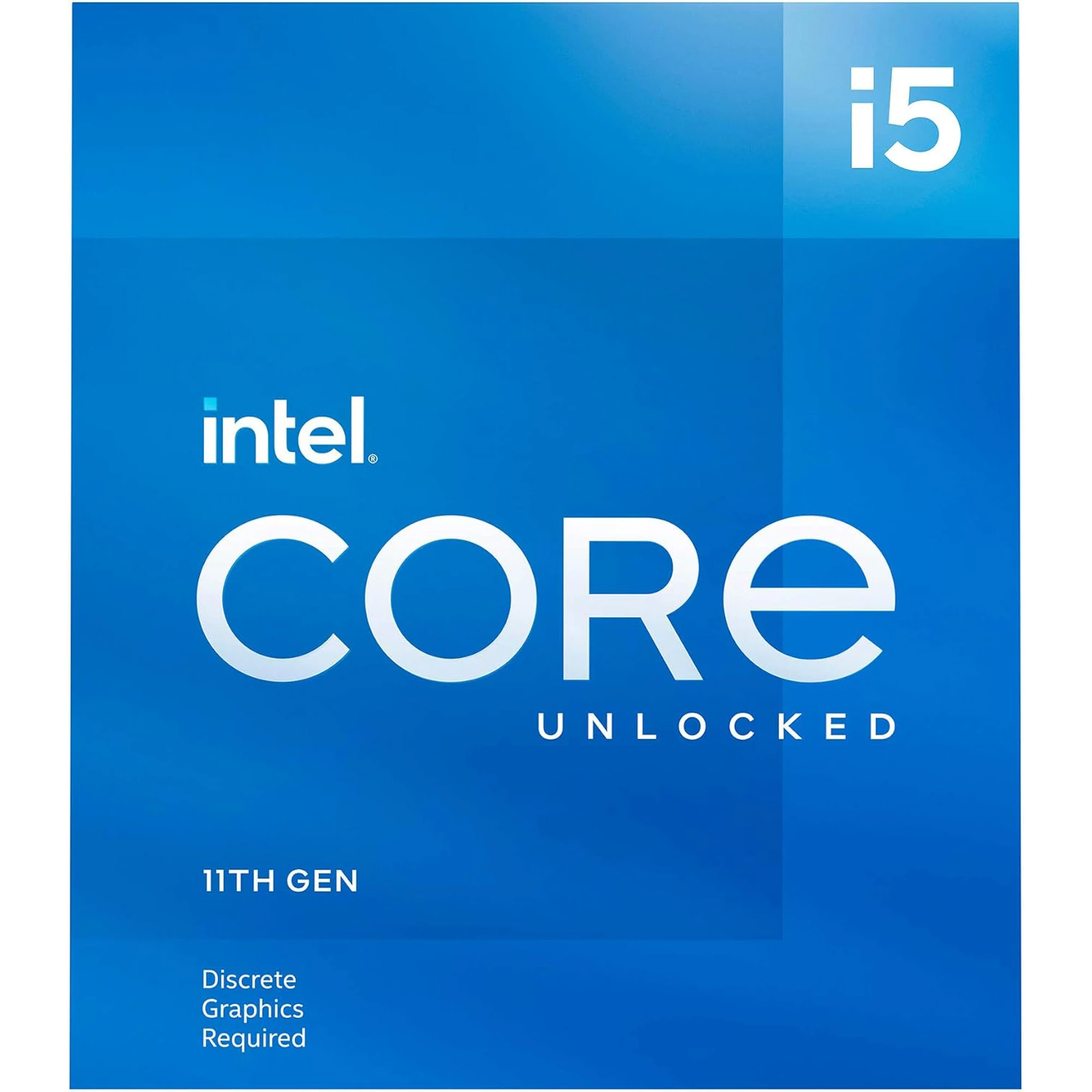
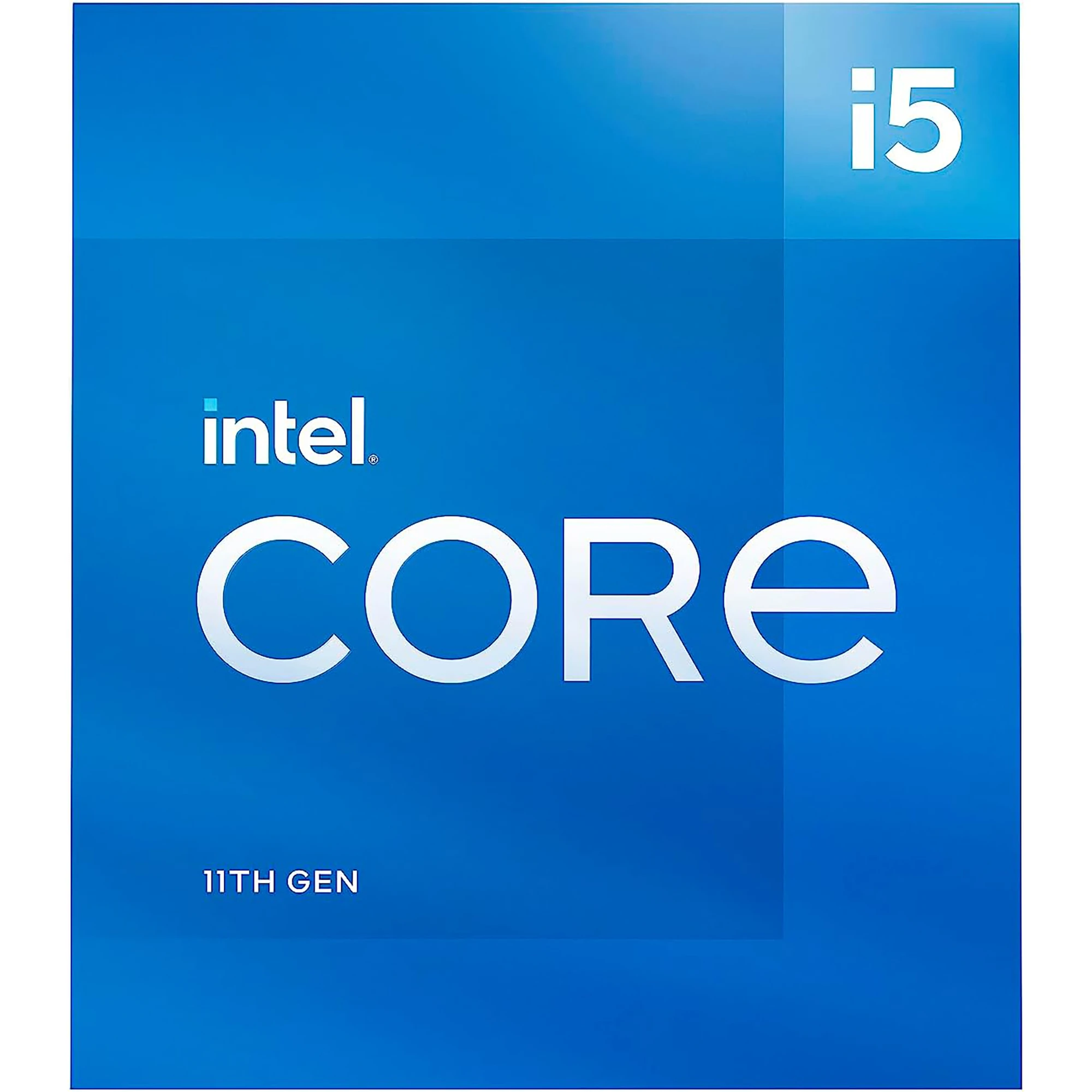
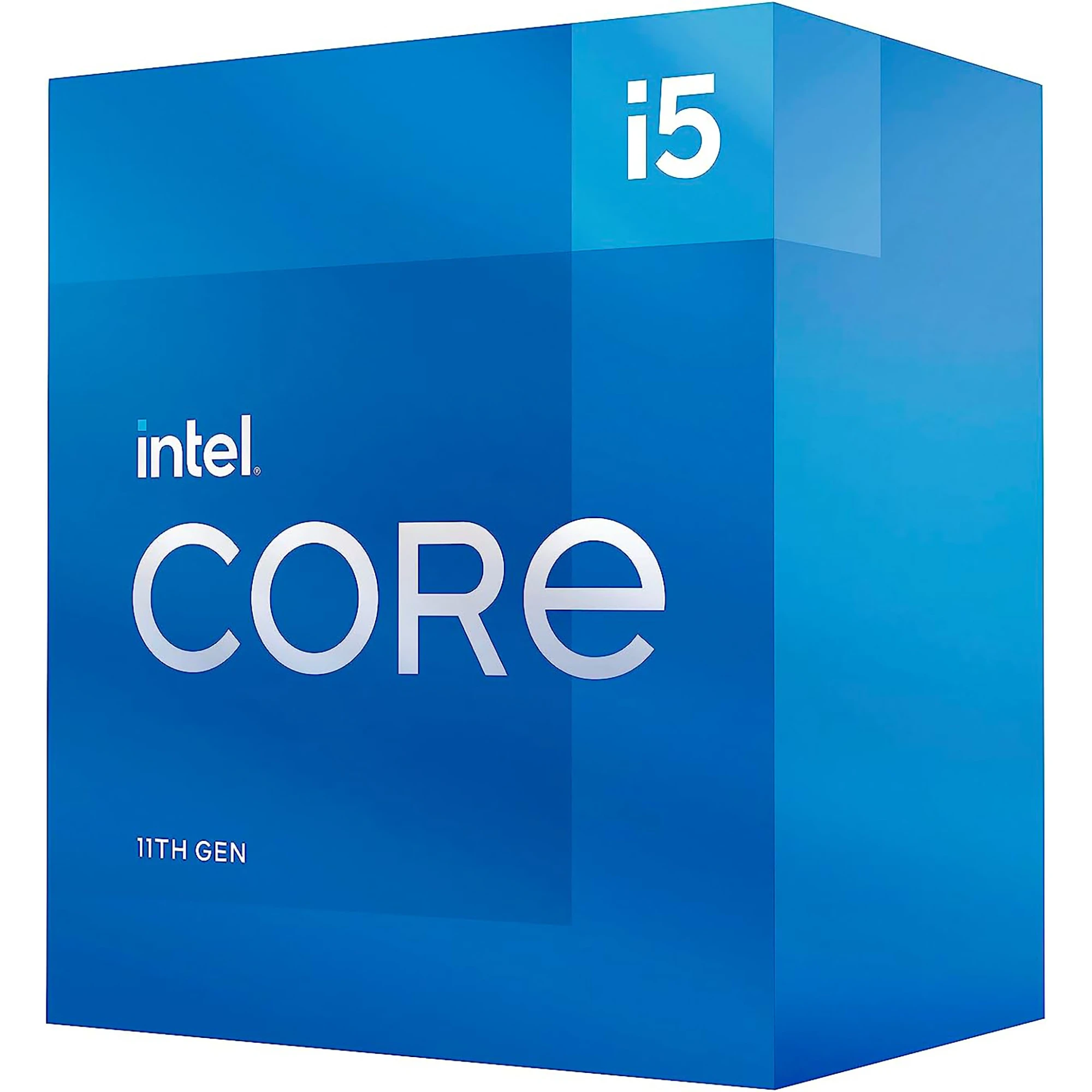
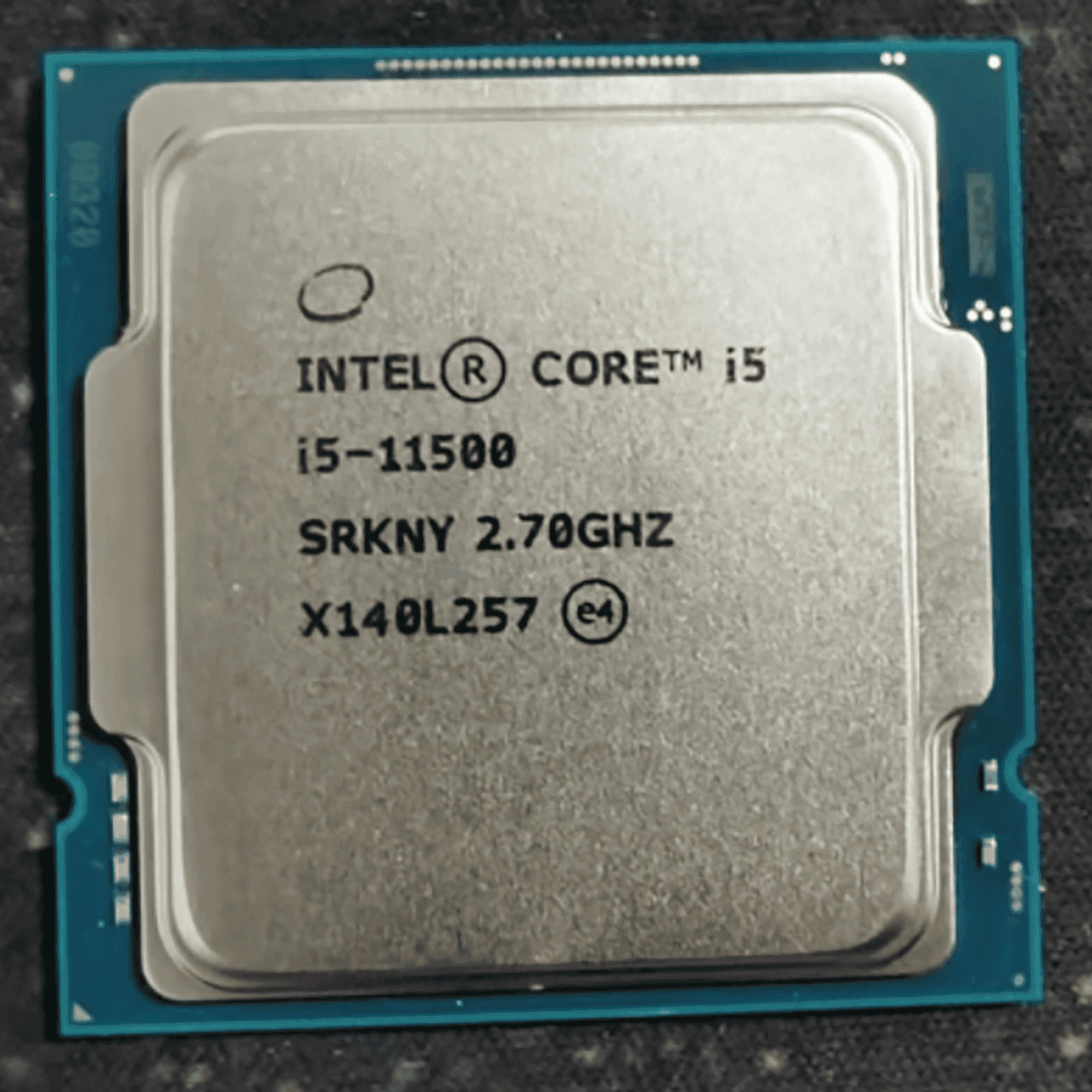
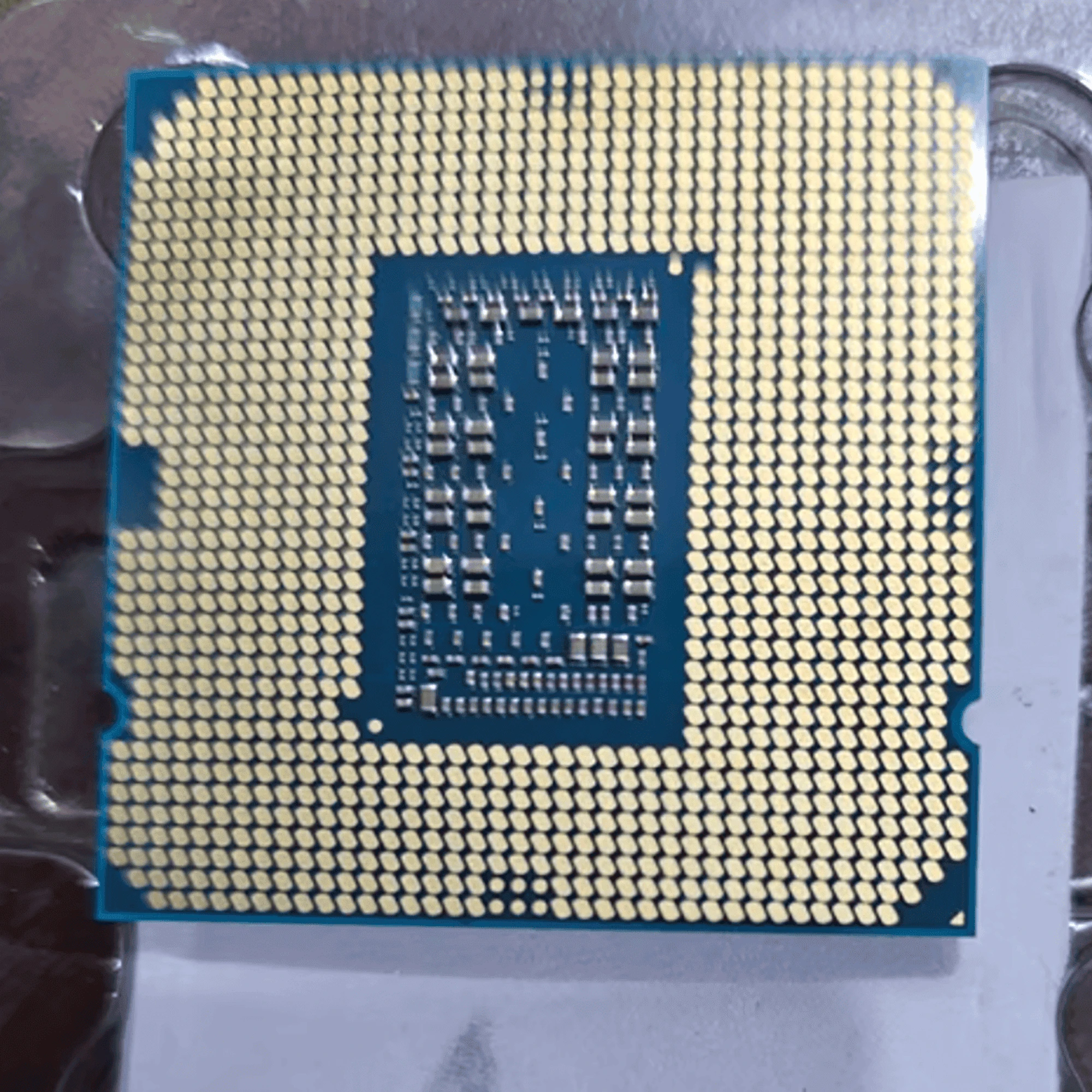
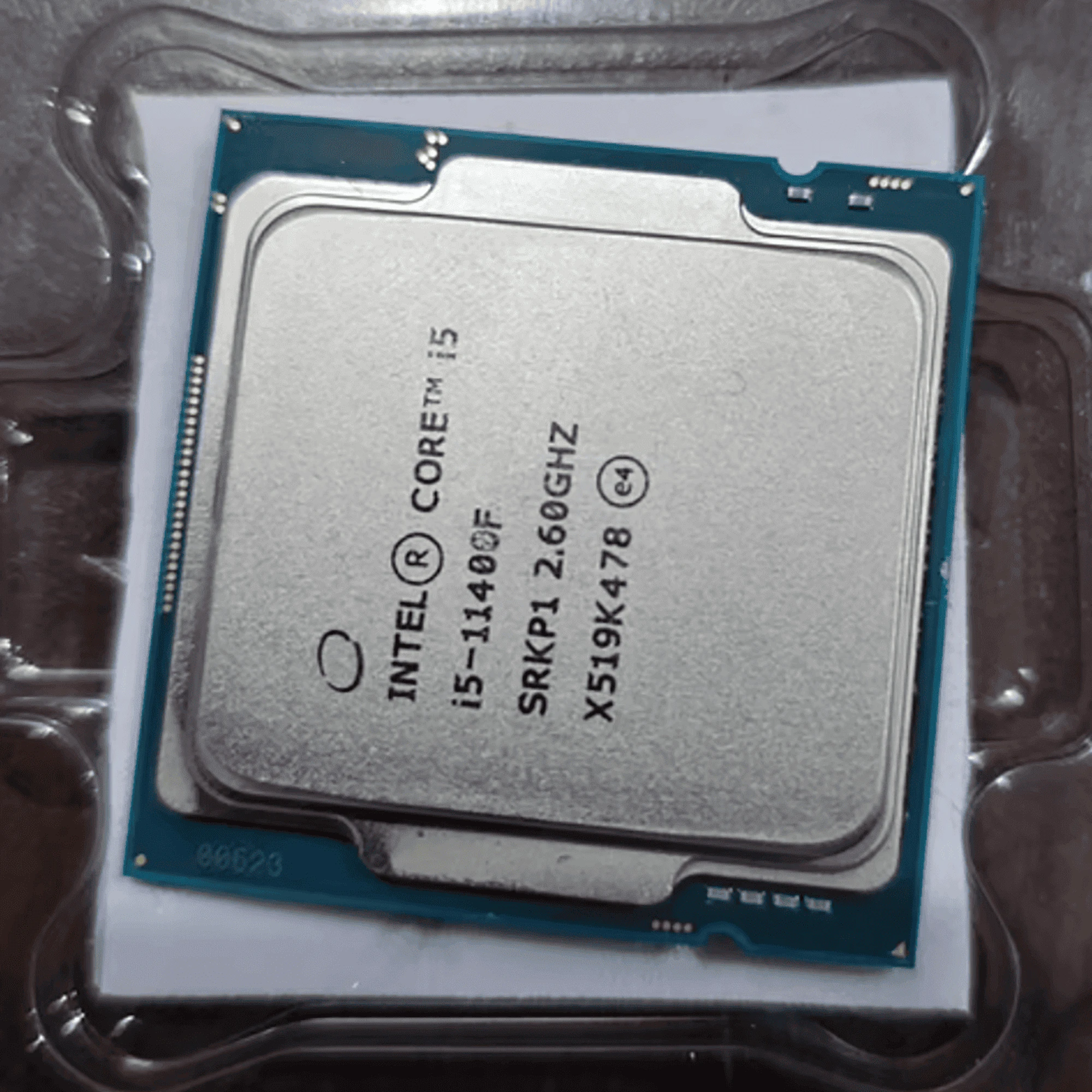
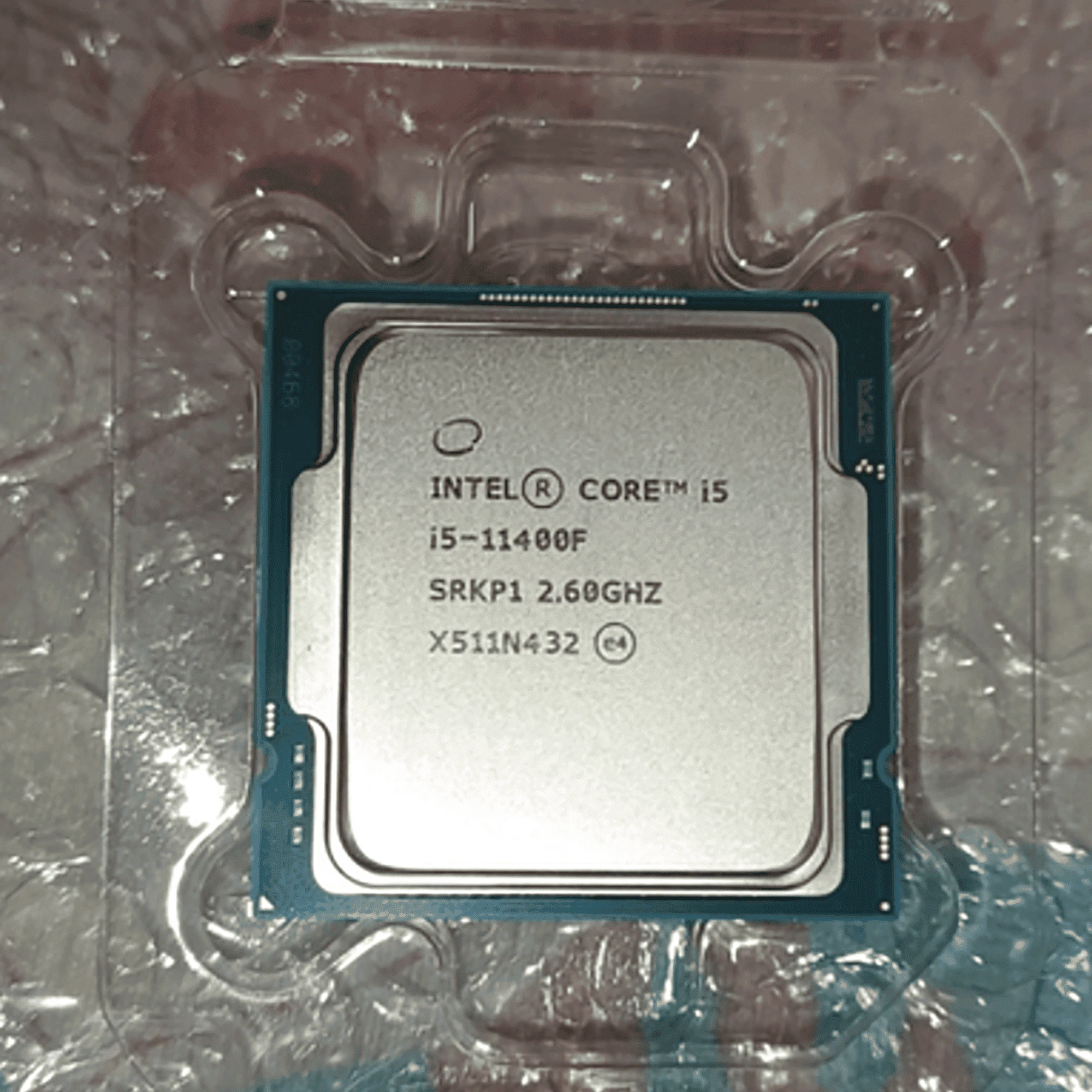
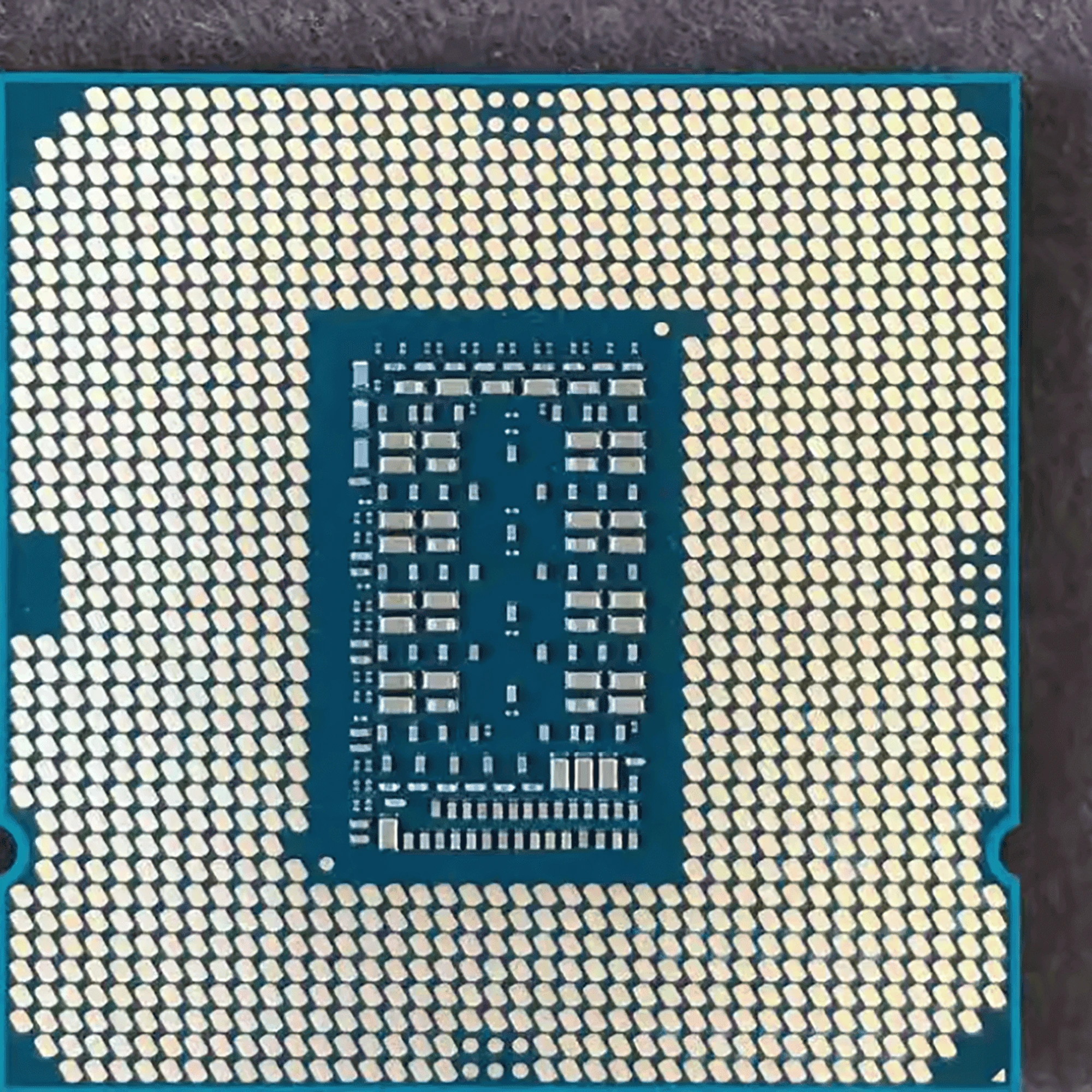
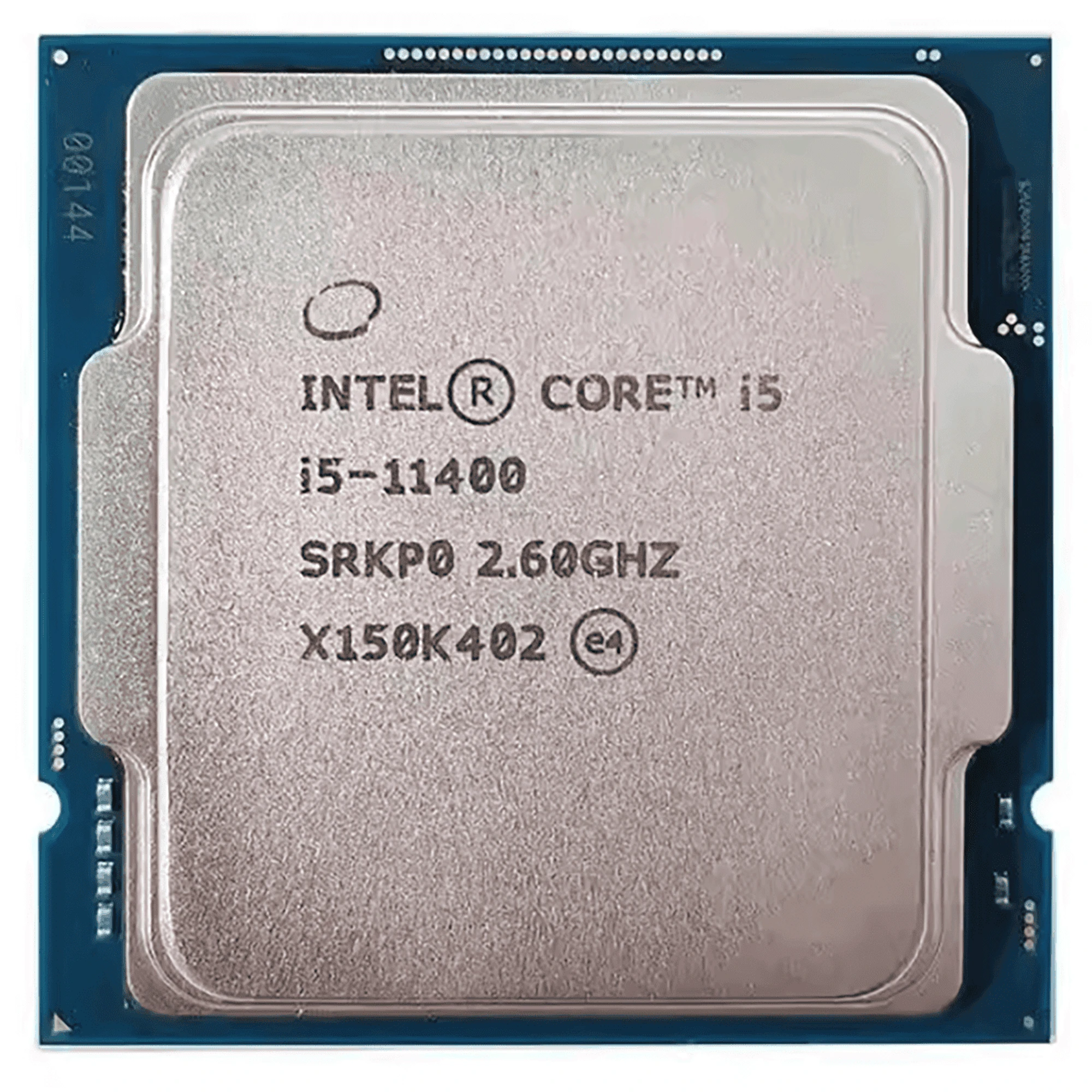
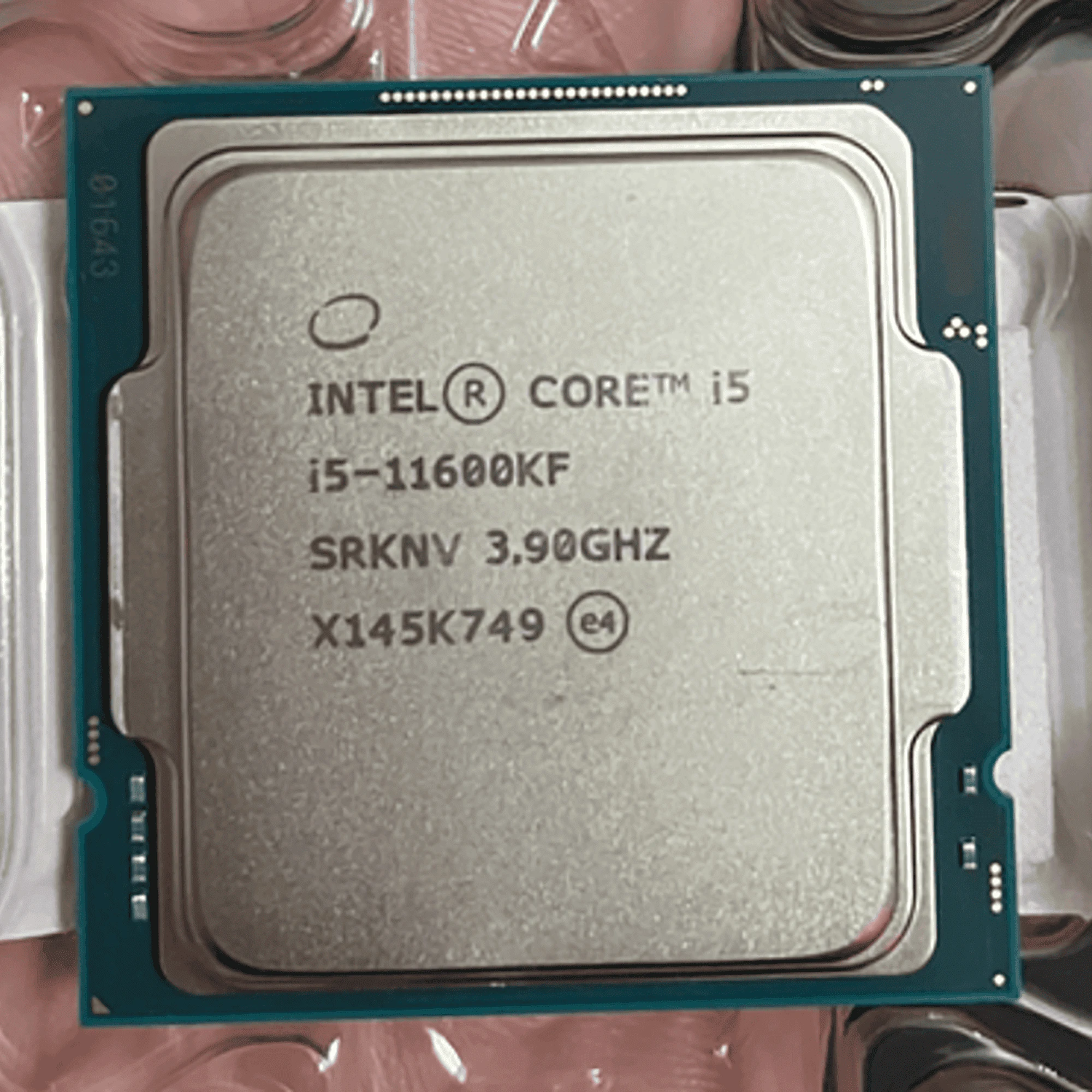
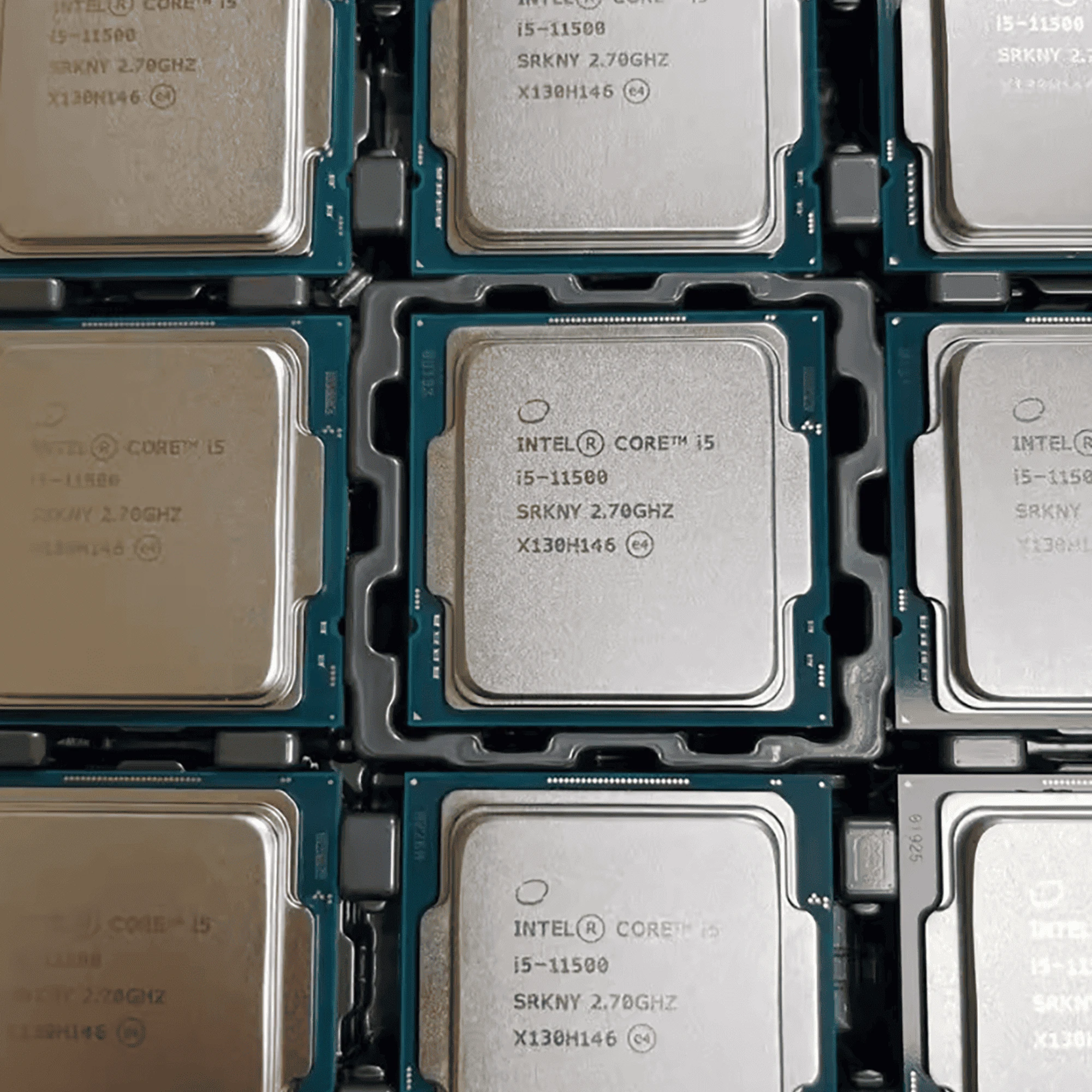

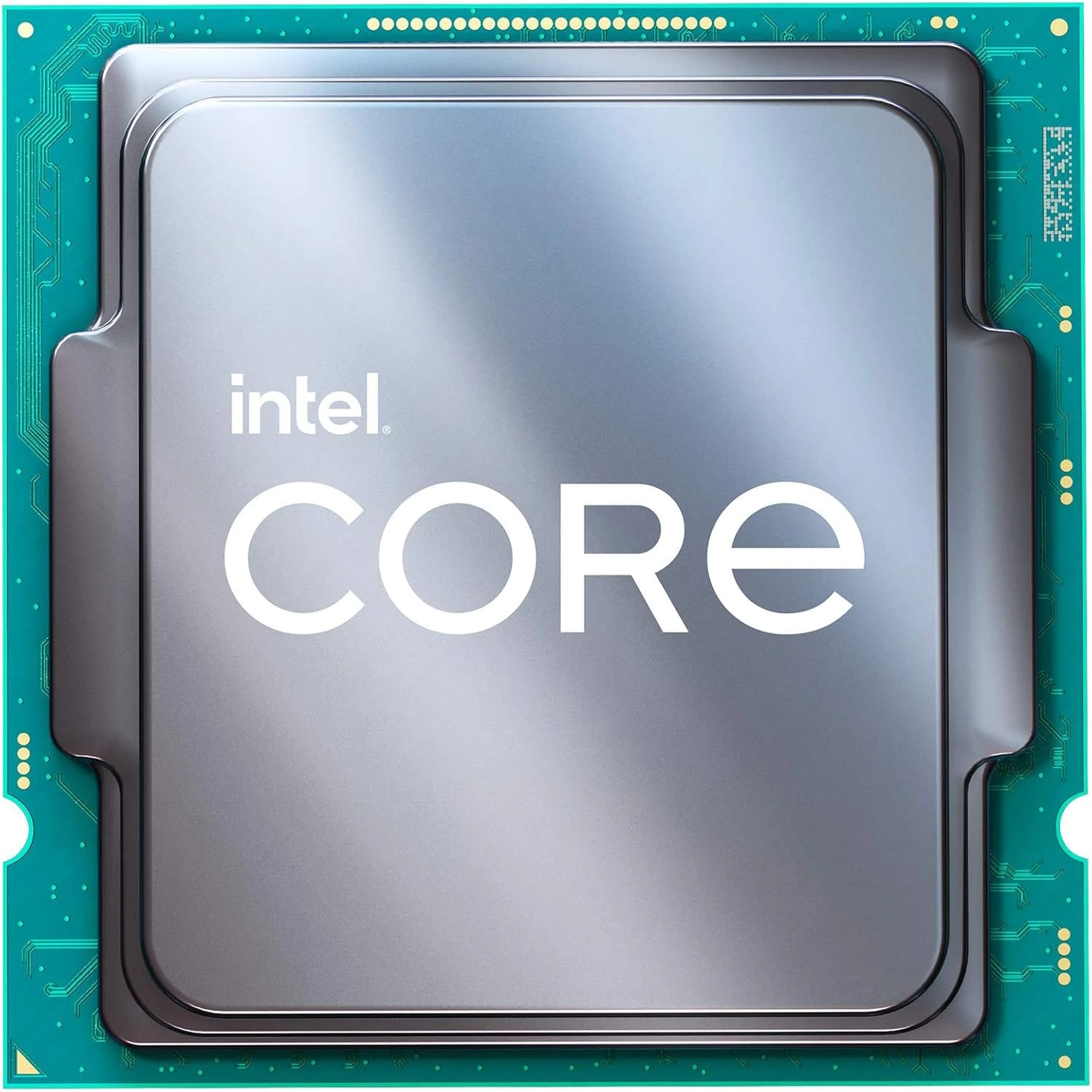
Intel Core i5-11600 Processor | 6-Core 12-Thread 4.8GHz Turbo, LGA1200, UHD Graphics 750, PCIe 4.0
| Specification | Details |
|---|---|
| Processor Model | Intel Core i5-11600 |
| Generation | 11th Generation (Rocket Lake-S) |
| Manufacturing Process | 14nm |
| Cores/Threads | 6 Cores, 12 Threads (Hyper-Threading Supported) |
| Base Clock Speed | 2.8GHz |
| Max Turbo Frequency | 4.8GHz (Single-Core), 4.3GHz (Multi-Core) |
| Cache | 12MB Intel Smart Cache |
| TDP (Thermal Design Power) | 65W |
| Socket Type | LGA1200 |
| Memory Support | Dual-Channel DDR4-3200MHz, Max 128GB (64GB per channel), Non-ECC |
| Memory Bandwidth | 50GB/s |
| Integrated Graphics | Intel UHD Graphics 750 (350MHz Base, 1.30GHz Max Dynamic Frequency) |
| Graphics Features | DirectX 12.1, OpenGL 4.5, OpenCL 3.0, 4K@60Hz Support, 3 Displays Max |
| PCIe Support | PCIe 4.0, 20 Lanes (Configurable: 1×16+1×4, 2×8+1×4, 1×8+3×4) |
| Bus Speed | 8 GT/s |
| Advanced Technologies | Intel Turbo Boost 2.0, Hyper-Threading, Deep Learning Boost, Quick Sync Video, Virtualization Technology (VT-x/VT-d) |
| Operating Temperature (Tjunction) | 100°C |
| Launch Date | Q1 2021 |
| Status | Discontinued |
| Suggested Customer Price | $234.00 – $244.00 (At Launch) |
The Intel Core i5-11600 Processor stands as a cornerstone of mid-range desktop computing, part of Intel’s 11th Generation Rocket Lake-S lineup launched in Q1 2021. Built on a 14nm manufacturing process, this processor strikes an exceptional balance between performance, power efficiency, and affordability, making it a top choice for gamers, content creators, and productivity users alike. Unlike entry-level processors that sacrifice speed for cost or high-end models that overdeliver for casual use, the i5-11600 is engineered to handle the most common desktop tasks with ease—from multitasking with dozens of browser tabs to editing photos and videos, and even running modern games at competitive settings. Below is a detailed breakdown of its key features, performance capabilities, compatibility, and use cases, designed to help WordPress users and potential buyers understand why this processor remains a reliable option for mid-range builds.
Key Architecture & Core Specifications
At the heart of the Intel Core i5-11600 is the Rocket Lake-S architecture, which marked a significant refinement of Intel’s 14nm process, introducing several key upgrades over the previous Comet Lake generation. Unlike its unlocked counterpart (the i5-11600K), the i5-11600 features a locked multiplier, meaning it does not support overclocking—making it ideal for users who prioritize stability and simplicity over manual performance tuning. The processor features 6 physical cores and 12 threads, thanks to Intel’s Hyper-Threading technology, which allows each core to handle two tasks simultaneously. This multi-threaded performance is critical for modern applications, which are increasingly optimized to leverage multiple cores for faster, more efficient task execution.
The i5-11600 boasts a base clock speed of 2.8GHz, which serves as the default operating speed for everyday tasks like web browsing, word processing, and email. When demand increases—such as when editing a video or launching a game—Intel’s Turbo Boost Technology 2.0 kicks in, boosting the clock speed to a maximum of 4.8GHz for single-core performance and up to 4.3GHz for multi-core workloads. This dynamic speed adjustment ensures that the processor delivers power when needed while conserving energy during lighter use, aligning with its 65W TDP (Thermal Design Power). The 65W TDP makes the i5-11600 compatible with most standard CPU coolers, eliminating the need for expensive aftermarket cooling solutions and reducing overall build costs.
Complementing its core performance is a 12MB Intel Smart Cache, which acts as a high-speed buffer between the processor and system memory. This cache reduces latency by storing frequently accessed data and instructions, allowing the i5-11600 to retrieve information faster and minimize bottlenecks. The 12MB cache size is optimal for mid-range use cases, striking a balance between the 8MB cache of entry-level i3 processors and the 16MB cache of high-end i7 models. Additionally, the processor supports 8 GT/s bus speed, ensuring fast communication between the CPU and other system components, such as the chipset and memory.
Integrated Graphics: Intel UHD Graphics 750
One of the standout features of the Intel Core i5-11600 is its integrated Intel UHD Graphics 750, a significant upgrade over the UHD Graphics 630 found in previous generations. Built on Intel’s Xe architecture, the UHD 750 delivers improved graphics performance, making it suitable for casual gaming, media streaming, and basic content creation—eliminating the need for a dedicated graphics card (GPU) for users with modest visual demands. The UHD 750 features 32 execution units, a base clock speed of 350MHz, and a maximum dynamic frequency of 1.30GHz, allowing it to handle 4K video playback at 60Hz and support up to three displays simultaneously.
For casual gamers, the UHD 750 can run popular titles like Minecraft, League of Legends, and Fortnite at 720p or 1080p resolutions with moderate settings, providing a smooth gaming experience without the added cost of a discrete GPU. It also supports modern graphics technologies, including DirectX 12.1, OpenGL 4.5, and OpenCL 3.0, ensuring compatibility with the latest games and applications. Additionally, Intel’s Quick Sync Video technology is included, accelerating video encoding and decoding tasks—ideal for content creators who edit short videos or stream content online. While the UHD 750 is not designed for AAA gaming at high settings, it offers exceptional value for users who prioritize versatility and cost savings.
Memory & Expansion Capabilities
The Intel Core i5-11600 supports dual-channel DDR4 memory with a maximum speed of 3200MHz, allowing for fast data transfer rates and improved system responsiveness. It can handle up to 128GB of memory (64GB per channel), making it suitable for memory-intensive tasks like video editing, 3D rendering, and virtualization. While ECC (Error-Correcting Code) memory is not supported—common in mid-range consumer processors—this does not impact performance for most home and office users. The dual-channel architecture ensures that the processor can access memory more efficiently than single-channel setups, reducing latency and improving multi-tasking performance.
In terms of expansion, the i5-11600 supports PCI Express 4.0, a significant upgrade over the PCIe 3.0 standard found in previous generations. PCIe 4.0 doubles the bandwidth of PCIe 3.0, delivering up to 32GB/s per lane, which is ideal for high-speed storage devices (like NVMe SSDs) and modern GPUs. The processor offers a maximum of 20 PCIe 4.0 lanes, configurable in various setups (1×16+1×4, 2×8+1×4, or 1×8+3×4), providing flexibility for building systems with multiple expansion cards. This compatibility ensures that the i5-11600 can keep up with future storage and graphics technologies, extending the lifespan of the desktop build.
Performance Benchmarks & Real-World Use Cases
To truly understand the capabilities of the Intel Core i5-11600, it’s important to examine its performance in both benchmark tests and real-world scenarios. In synthetic benchmarks, the i5-11600 consistently delivers strong results for a mid-range processor. In Geekbench 6, it scores approximately 2,127 points in single-core performance and 7,996 points in multi-core performance—placing it on par with AMD’s Ryzen 5 5600 and ahead of Intel’s own i5-11400. In Cinebench R23, the i5-11600 achieves around 1,508 points in single-core performance, making it suitable for tasks that rely on single-threaded speed, such as gaming and single-task productivity.
In real-world use cases, the i5-11600 excels at multitasking. It can easily handle running multiple applications simultaneously—such as a web browser with 20+ tabs, a video editing program, and a music player—without lag or slowdowns. For content creators, the processor’s 6 cores and 12 threads make it capable of editing 1080p and 4K videos in software like Adobe Premiere Pro and DaVinci Resolve, though 4K editing may require additional RAM and a dedicated GPU for optimal performance. For gamers, when paired with a mid-range GPU like the NVIDIA RTX 3060 or AMD RX 6600, the i5-11600 can run AAA titles like Cyberpunk 2077 and Elden Ring at 1080p/1440p resolutions with high settings, delivering smooth frame rates of 60+ FPS.
Compared to its competitors, the i5-11600 offers a compelling balance of performance and value. It outperforms the AMD Ryzen 5 5500 in single-core performance, making it better for gaming, while offering similar multi-core performance for productivity tasks. It also maintains compatibility with older LGA1200 motherboards (with a BIOS update), allowing users to upgrade their processor without replacing the entire motherboard—reducing upgrade costs. While newer 12th and 13th Generation Intel processors offer better performance, the i5-11600 remains a cost-effective option for users building a mid-range desktop or upgrading an existing LGA1200 system.
Compatibility & System Requirements
The Intel Core i5-11600 uses the LGA1200 socket, which is compatible with Intel’s 400-series (Z490, B460, H410) and 500-series (Z590, B560, H510) motherboards. However, users with 400-series motherboards will need to update their BIOS to support the 11th Generation Rocket Lake processors. This compatibility is a significant advantage, as it allows users to upgrade from older 10th Generation i5 processors (like the i5-10600) without replacing the motherboard, saving money on the overall build.
In terms of cooling, the i5-11600’s 65W TDP means it is compatible with most stock coolers that come with motherboards or entry-level aftermarket coolers. For users who plan to run the processor at full load for extended periods (such as content creators or gamers), a low-profile CPU cooler or a 120mm AIO (All-in-One) liquid cooler is recommended to maintain optimal temperatures. The processor’s maximum junction temperature (Tjunction) is 100°C, so proper cooling is essential to prevent overheating and ensure long-term reliability.
The i5-11600 also supports Intel Optane Memory, a technology that accelerates storage performance by caching frequently accessed data on a high-speed Optane module. This is particularly useful for users with traditional HDDs, as it can significantly reduce boot times and application load times. Additionally, the processor includes a range of advanced technologies, such as Intel Deep Learning Boost (DL Boost) for AI-accelerated tasks, Intel Virtualization Technology (VT-x) for virtualization, and Intel AES New Instructions for secure data encryption.
Why Choose the Intel Core i5-11600 for Your WordPress Build?
For WordPress users, whether building a personal blog, a small business website, or a content-heavy platform, the Intel Core i5-11600 offers the performance and reliability needed to run a smooth, efficient system. WordPress itself is not overly resource-intensive, but when paired with plugins, themes, and database operations, a powerful processor can significantly improve load times and user experience. The i5-11600’s multi-threaded performance ensures that the server can handle multiple concurrent users, while its power efficiency reduces energy costs—ideal for users running a home server or a small VPS (Virtual Private Server).
Additionally, the i5-11600’s integrated UHD Graphics 750 eliminates the need for a dedicated GPU, reducing build costs for users who do not require high-end graphics performance. For content creators who use WordPress to share videos, photos, or other media, the processor’s video encoding capabilities (via Quick Sync Video) make it easy to edit and upload content directly from the desktop. The processor’s compatibility with DDR4 memory and PCIe 4.0 storage also ensures that the system can be upgraded in the future, extending its lifespan and providing better value over time.
Conclusion
The Intel Core i5-11600 Processor is a versatile, reliable mid-range processor that excels in gaming, productivity, and content creation. Its 6 cores, 12 threads, 4.8GHz max turbo speed, and integrated UHD Graphics 750 make it an ideal choice for users building a mid-range desktop or upgrading an existing LGA1200 system. With support for PCIe 4.0, dual-channel DDR4 memory, and a range of advanced technologies, the i5-11600 offers exceptional value for its price point, outperforming many competitors in single-core performance and matching them in multi-core tasks. Whether you’re a gamer, a content creator, or a WordPress user in need of a powerful yet affordable processor, the Intel Core i5-11600 delivers the performance and reliability you need to get the job done.


