
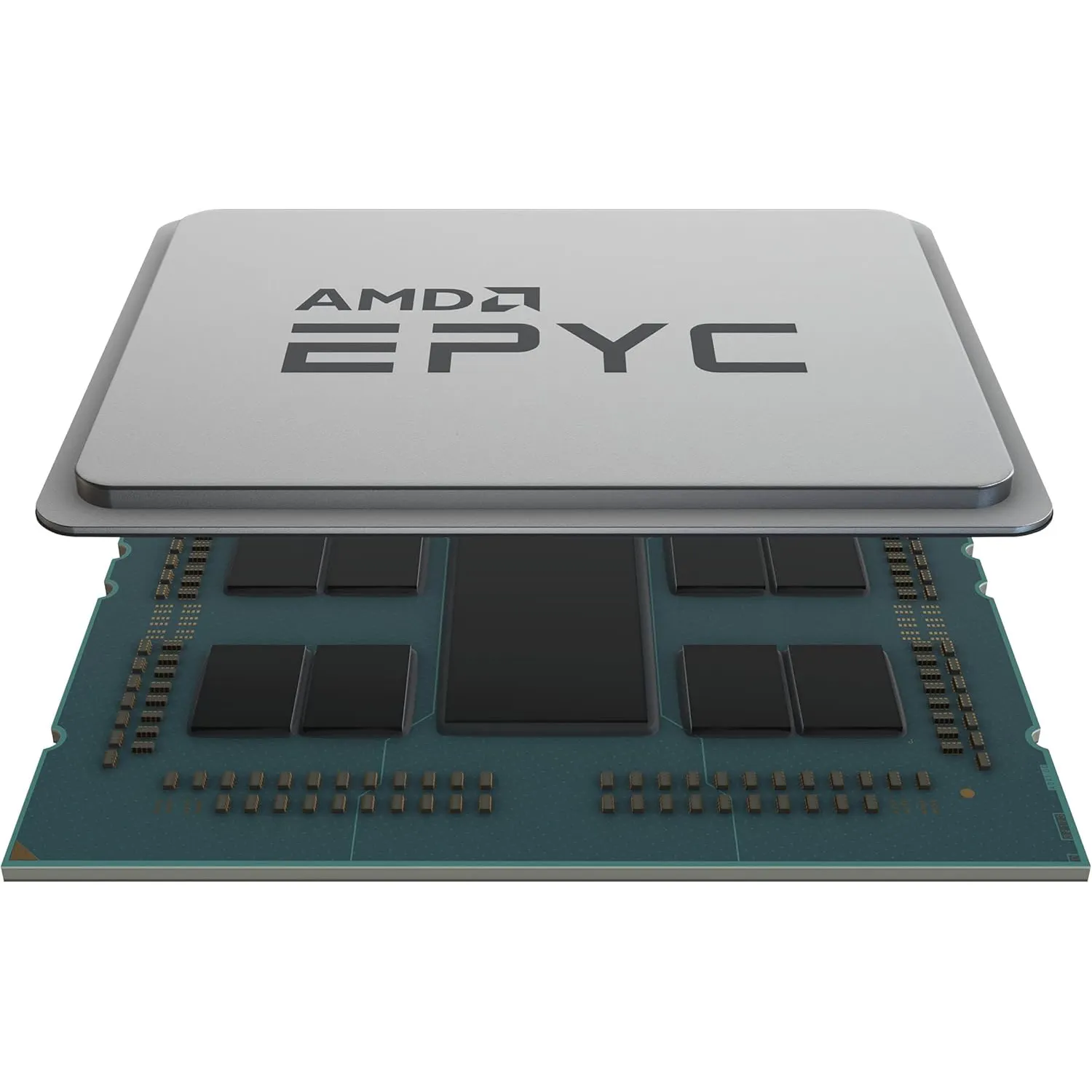
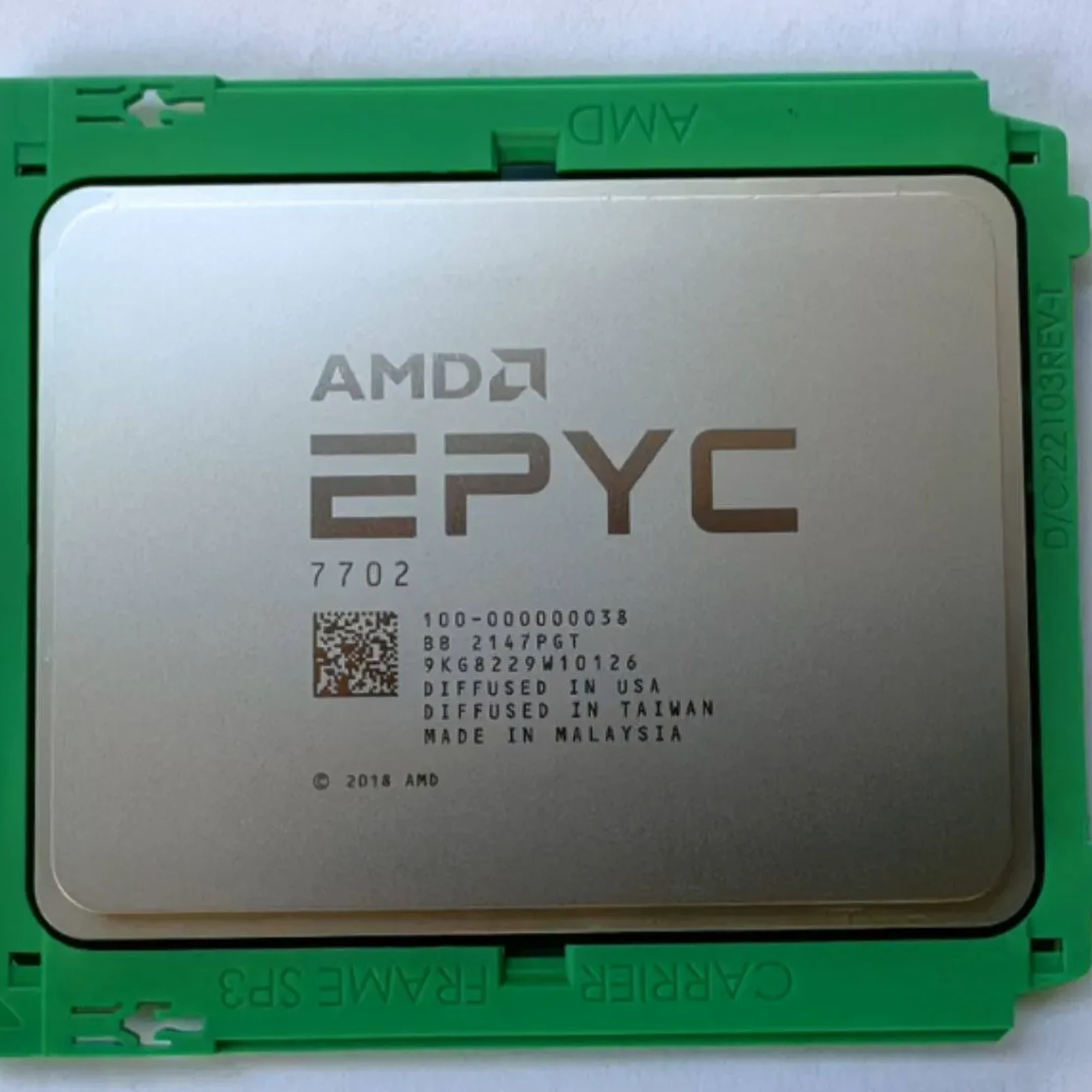
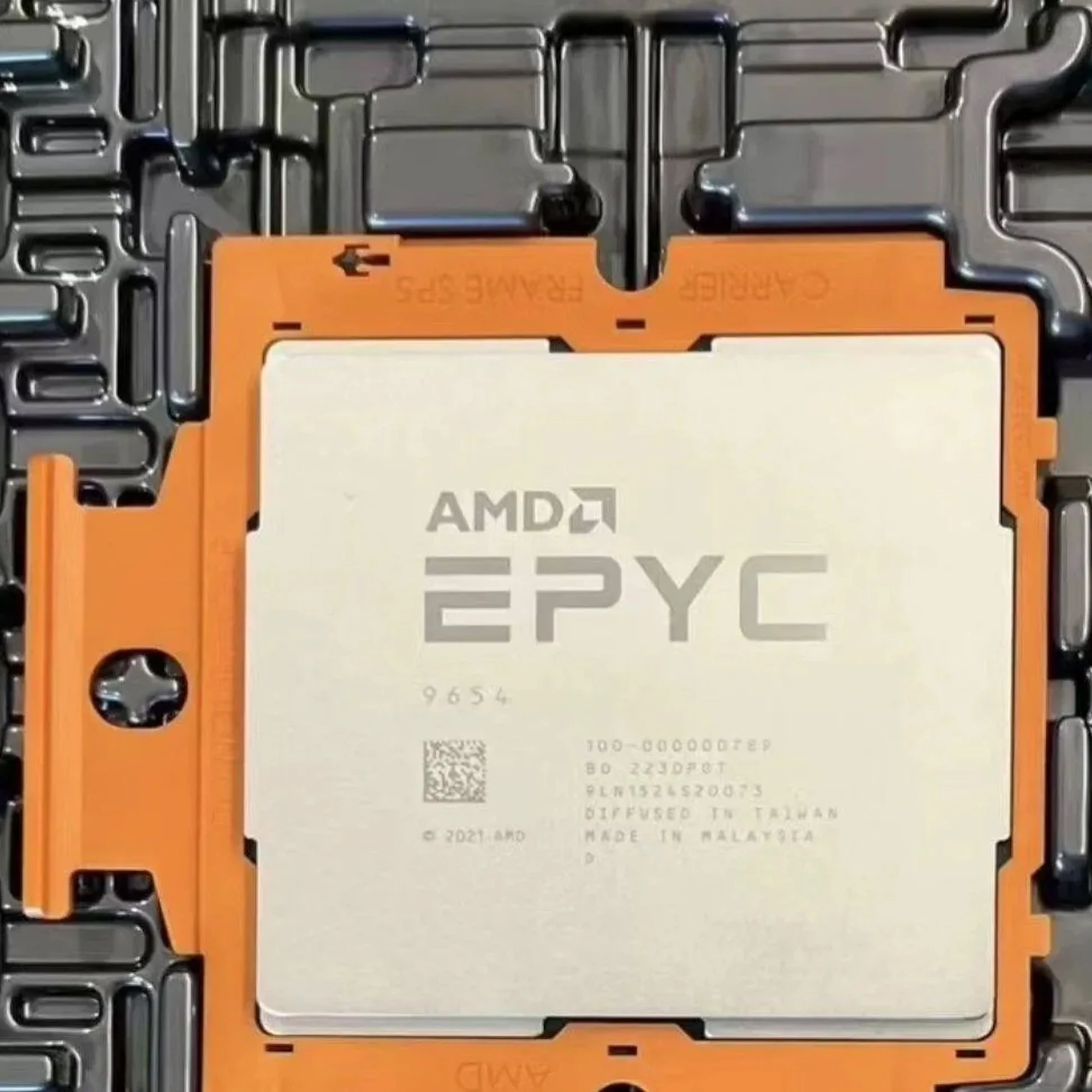
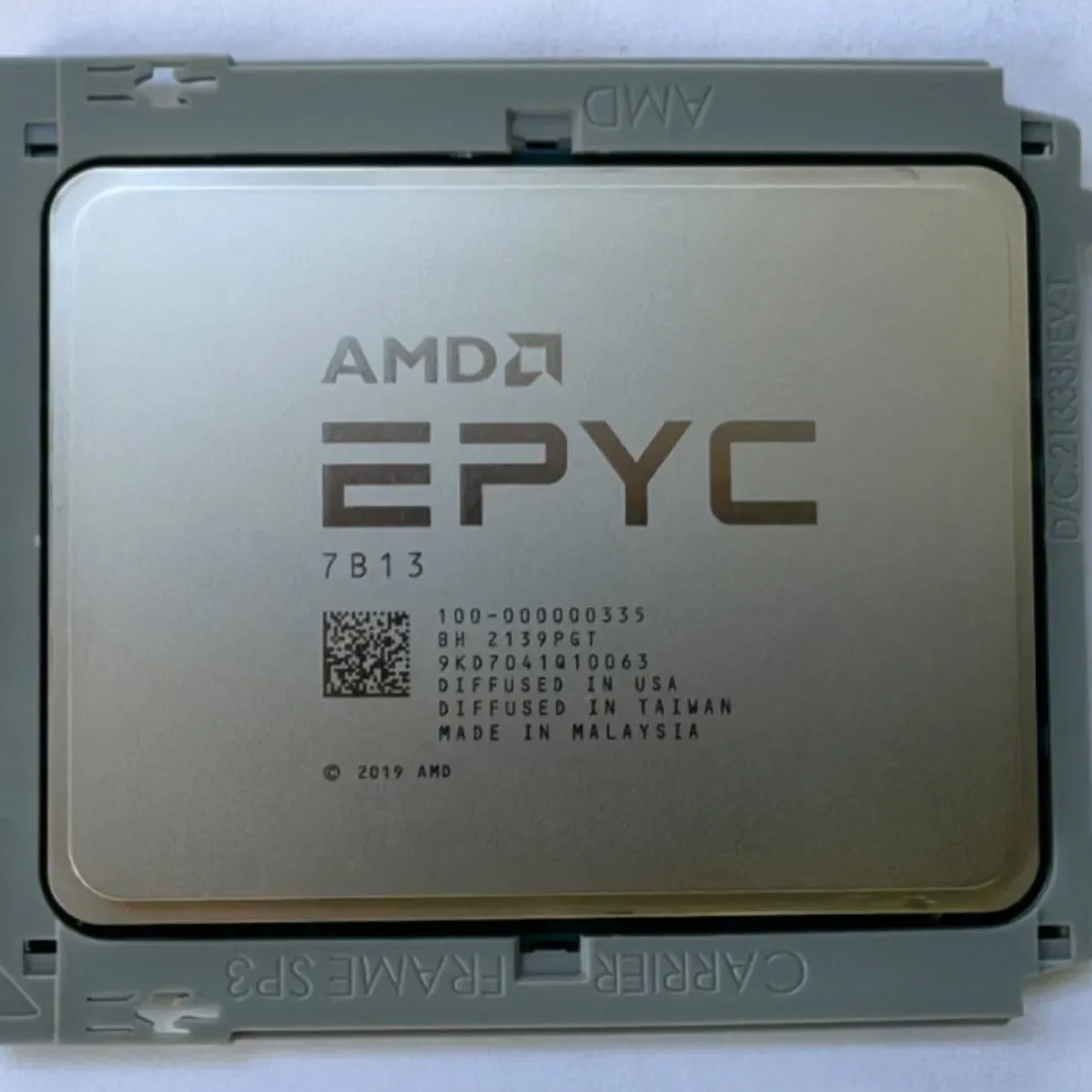

AMD EPYC 7513 Processor – 32-Core 64-Thread Server CPU with PCIe 4.0 and High Efficiency
Overview of AMD EPYC 7513
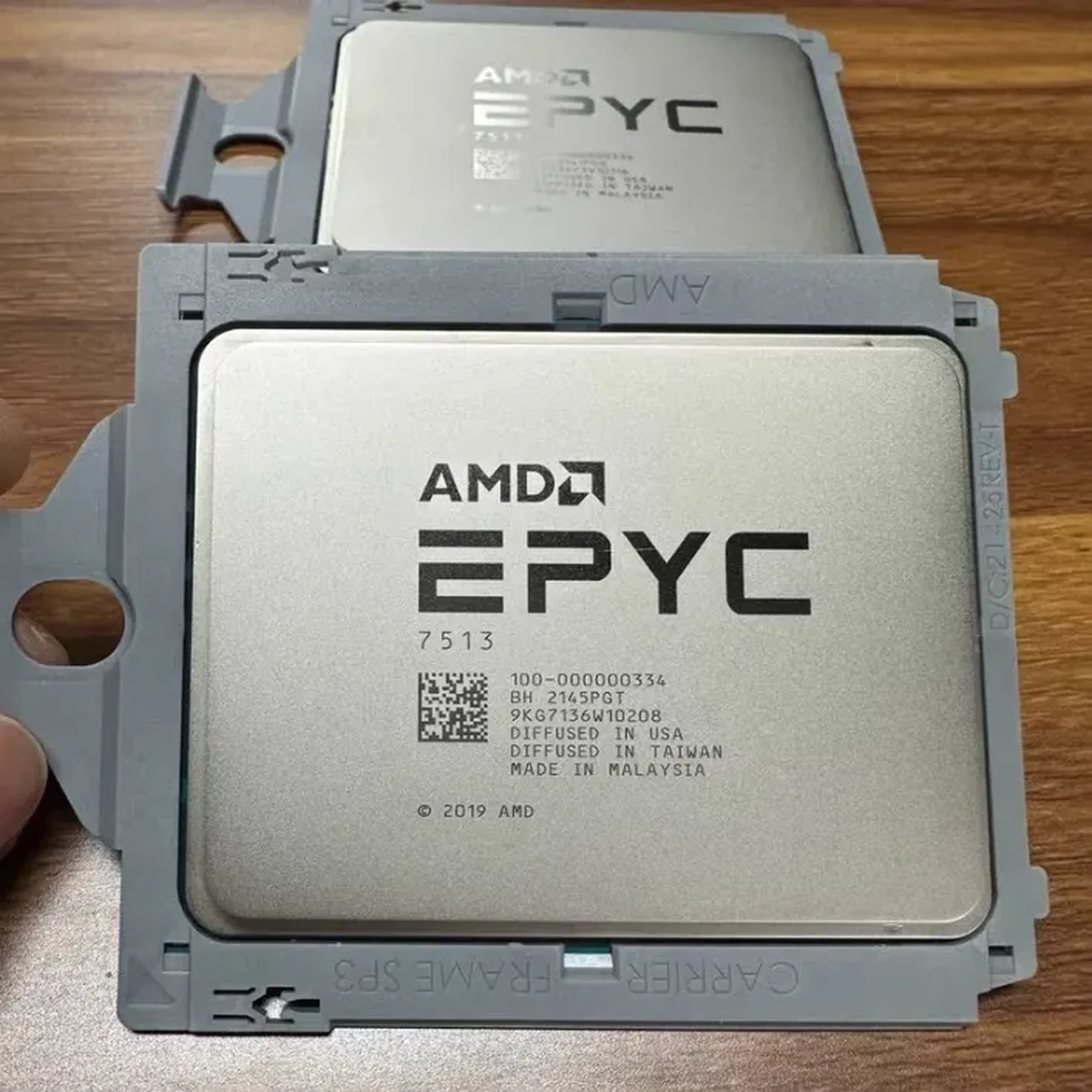
The AMD EPYC 7513 is a powerful server processor built on the advanced Zen 3 architecture. Designed for modern data centers, cloud computing, and enterprise workloads, this processor delivers exceptional performance, scalability, and energy efficiency.
With 32 cores and 64 threads, the EPYC 7513 strikes an ideal balance between performance and cost. It is engineered to handle demanding applications such as virtualization, database management, high-performance computing (HPC), and large-scale cloud deployments.
Built on Advanced Zen 3 Architecture
At the heart of the AMD EPYC 7513 is the Zen 3 core architecture, which significantly improves instructions per cycle (IPC) compared to previous generations. This enhancement ensures faster data processing, reduced latency, and improved overall efficiency.
The unified L3 cache design allows all cores within a chiplet to access a shared pool of cache, reducing bottlenecks and improving workload responsiveness. This makes it highly effective for applications that rely on fast memory access and data sharing.
High Core Count for Multi-Threaded Workloads
The 32-core, 64-thread configuration makes the EPYC 7513 ideal for parallel processing tasks. Businesses running virtual machines, containerized applications, and multi-user environments can benefit from its high core density.
This processor supports simultaneous multithreading (SMT), enabling each core to handle two threads efficiently. As a result, users experience better utilization and improved throughput across complex workloads.
Exceptional Memory Support
The AMD EPYC 7513 supports up to 8-channel DDR4 memory, delivering high bandwidth and low latency. This is crucial for memory-intensive applications such as:
- Big data analytics
- In-memory databases
- Scientific simulations
- Enterprise resource planning (ERP) systems
With support for large memory capacities, the processor ensures smooth performance even under heavy workloads.
PCIe 4.0 for Faster Connectivity
One of the standout features of the EPYC 7513 is its support for PCIe 4.0 technology. This allows for faster data transfer speeds compared to previous PCIe generations.
With up to 128 PCIe 4.0 lanes, users can connect multiple GPUs, NVMe SSDs, and networking devices without bandwidth limitations. This makes it an excellent choice for storage-heavy and GPU-accelerated environments.
Optimized for Virtualization and Cloud Computing
The AMD EPYC 7513 is widely used in cloud infrastructure and virtualization platforms. Its high core count and memory bandwidth allow service providers to run more virtual machines per server.
This results in better resource utilization, reduced hardware costs, and improved scalability. Businesses can deploy applications more efficiently while maintaining consistent performance.
Enterprise-Grade Security Features
Security is a top priority in modern data centers. The EPYC 7513 includes advanced security technologies such as:
- AMD Secure Encrypted Virtualization (SEV)
- Secure Memory Encryption (SME)
- Hardware-based root of trust
These features help protect sensitive data and workloads from unauthorized access, making it suitable for industries such as finance, healthcare, and government.
Energy Efficiency and Thermal Performance
Despite its high performance, the AMD EPYC 7513 is designed with energy efficiency in mind. With a thermal design power (TDP) of 200W, it provides excellent performance per watt.
This efficiency helps reduce operational costs in large-scale deployments, where power consumption and cooling are critical factors.
Scalability for Growing Businesses
The EPYC 7513 supports dual-socket configurations, allowing organizations to scale their infrastructure as needed. This flexibility ensures that businesses can expand their computing resources without replacing existing systems.
Whether used in a single server or a large cluster, this processor adapts to evolving workload demands.
Ideal Use Cases
The AMD EPYC 7513 is suitable for a wide range of applications, including:
- Cloud computing platforms
- Virtualization environments
- Enterprise databases
- High-performance computing (HPC)
- AI and machine learning workloads
- Data analytics and big data processing
Its versatility makes it a preferred choice for IT professionals and system integrators.
Reliability and Enterprise Support
AMD EPYC processors are known for their reliability and long lifecycle support. The EPYC 7513 is built for 24/7 operation in mission-critical environments.
It undergoes rigorous testing to ensure stability, making it a dependable solution for enterprise deployments.
Conclusion
The AMD EPYC 7513 is a powerful, efficient, and scalable server processor that meets the demands of modern data centers. With its advanced architecture, high core count, and robust feature set, it provides outstanding performance for a wide range of workloads.
Organizations looking to optimize their infrastructure and improve efficiency will find the EPYC 7513 to be a valuable investment.
Specifications Sheet
| Specification | Details |
|---|---|
| Model | AMD EPYC 7513 |
| Architecture | Zen 3 |
| Cores / Threads | 32 / 64 |
| Base Clock | 2.6 GHz |
| Max Boost Clock | Up to 3.65 GHz |
| L3 Cache | 128 MB |
| TDP | 200W |
| Socket | SP3 |
| Memory Support | DDR4 |
| Memory Channels | 8 Channels |
| PCIe Version | PCIe 4.0 |
| PCIe Lanes | 128 |
| Process Technology | 7nm |
| Server Type | Dual Socket Supported |
AMD EPYC 7003 Series Processors General Specifications
Name | # of CPU Cores | # of Threads | Max. Boost Clock | Base Clock | L3 Cache | Default TDP |
|---|---|---|---|---|---|---|
| AMD EPYC™ 7203P | 8 | 16 | Up to 3.4 GHz | 2.8 GHz | 64 MB | 120W |
| AMD EPYC™ 7203 | 8 | 16 | Up to 3.4 GHz | 2.8 GHz | 64 MB | 120W |
| AMD EPYC™ 7303P | 16 | 32 | Up to 3.4 GHz | 2.4 GHz | 64 MB | 130W |
| AMD EPYC™ 7303 | 16 | 32 | Up to 3.4 GHz | 2.4 GHz | 64 MB | 130W |
| AMD EPYC™ 7643P | 48 | 96 | Up to 3.6 GHz | 2.3 GHz | 256 MB | 225W |
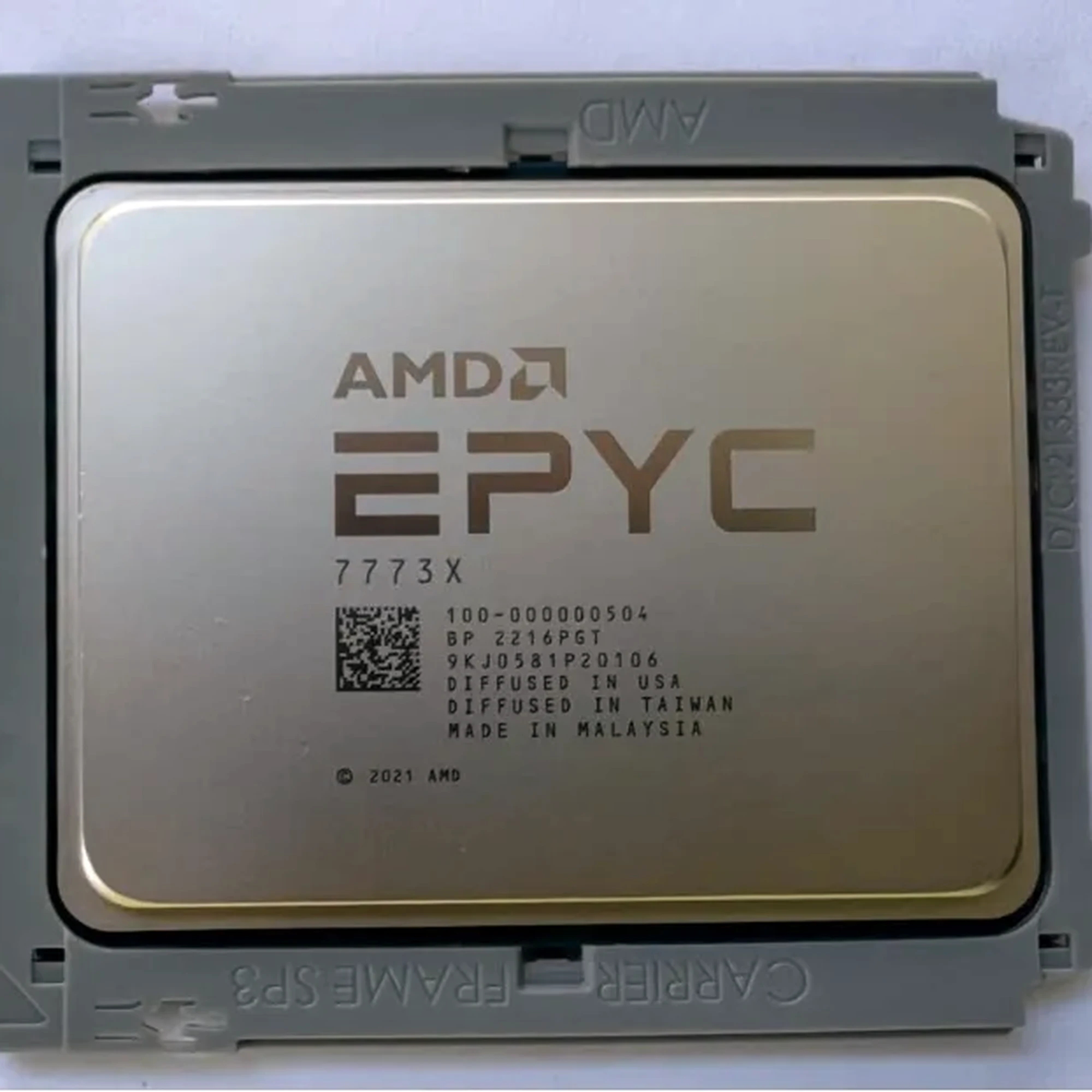
| AMD EPYC™ 7773X | 64 | 128 | Up to 3.5 GHz | 2.2 GHz | 768 MB | 280W |
| AMD EPYC™ 7763 | 64 | 128 | Up to 3.5 GHz | 2.45 GHz | 256 MB | 280W |
| AMD EPYC™ 7713P | 64 | 128 | Up to 3.67 GHz | 2 GHz | 256 MB | 225W |
| AMD EPYC™ 7713 | 64 | 128 | Up to 3.67 GHz | 2 GHz | 256 MB | 225W |
| AMD EPYC™ 7663 | 56 | 112 | Up to 3.5 GHz | 2 GHz | 256 MB | 240W |
| AMD EPYC™ 7643 | 48 | 96 | Up to 3.6 GHz | 2.3 GHz | 256 MB | 225W |
| AMD EPYC™ 7663P | 56 | 112 | Up to 3.5 GHz | 2 GHz | 256 MB | 240W |
| AMD EPYC™ 75F3 | 32 | 64 | Up to 4 GHz | 2.95 GHz | 256 MB | 280W |
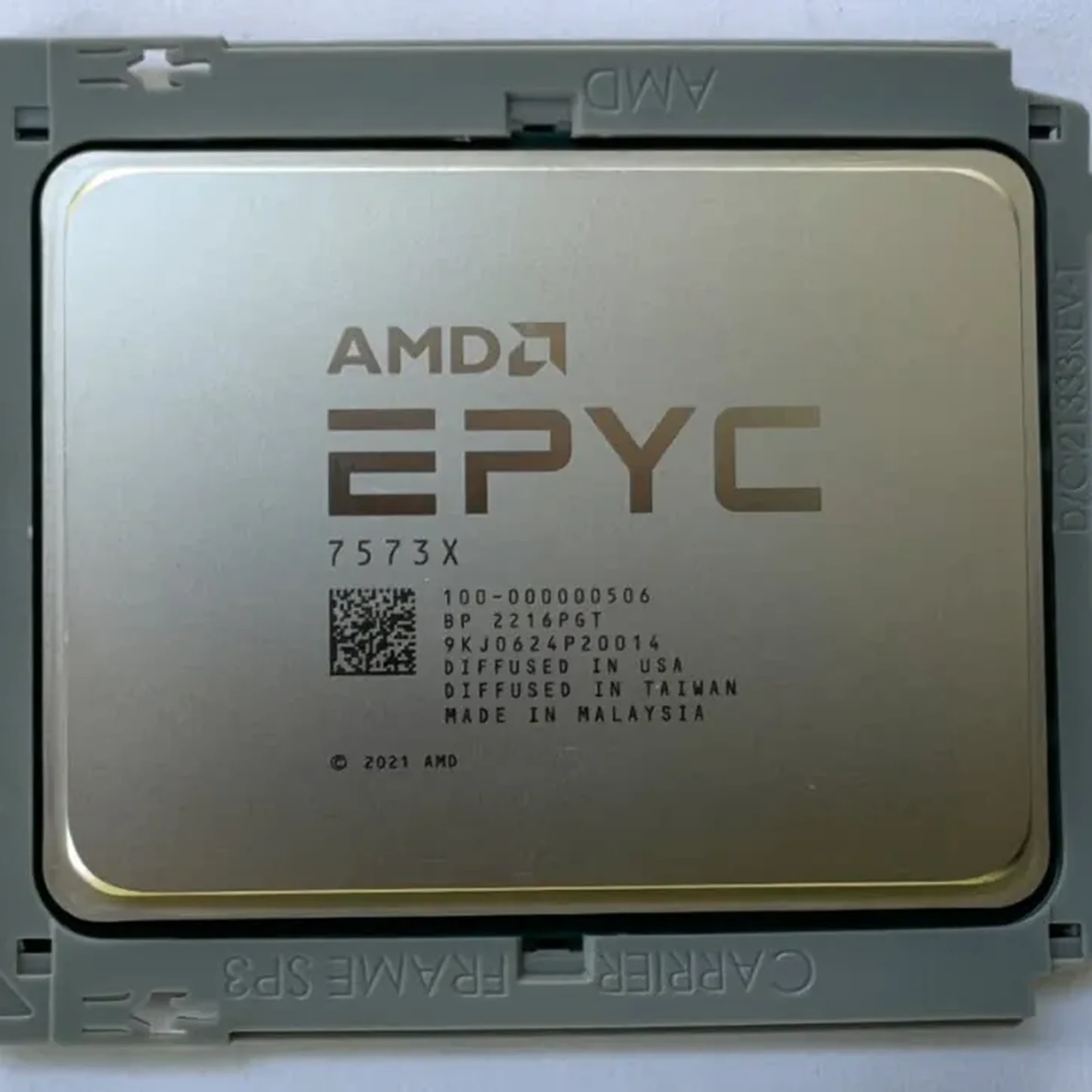
| AMD EPYC™ 7573X | 32 | 64 | Up to 3.6 GHz | 2.8 GHz | 768 MB | 280W |
| AMD EPYC™ 7543P | 32 | 64 | Up to 3.7 GHz | 2.8 GHz | 256 MB | 225W |
| AMD EPYC™ 7543 | 32 | 64 | Up to 3.7 GHz | 2.8 GHz | 256 MB | 225W |
| AMD EPYC™ 7513 | 32 | 64 | Up to 3.65 GHz | 2.6 GHz | 128 MB | 200W |
| AMD EPYC™ 74F3 | 24 | 48 | Up to 4 GHz | 3.2 GHz | 256 MB | 240W |
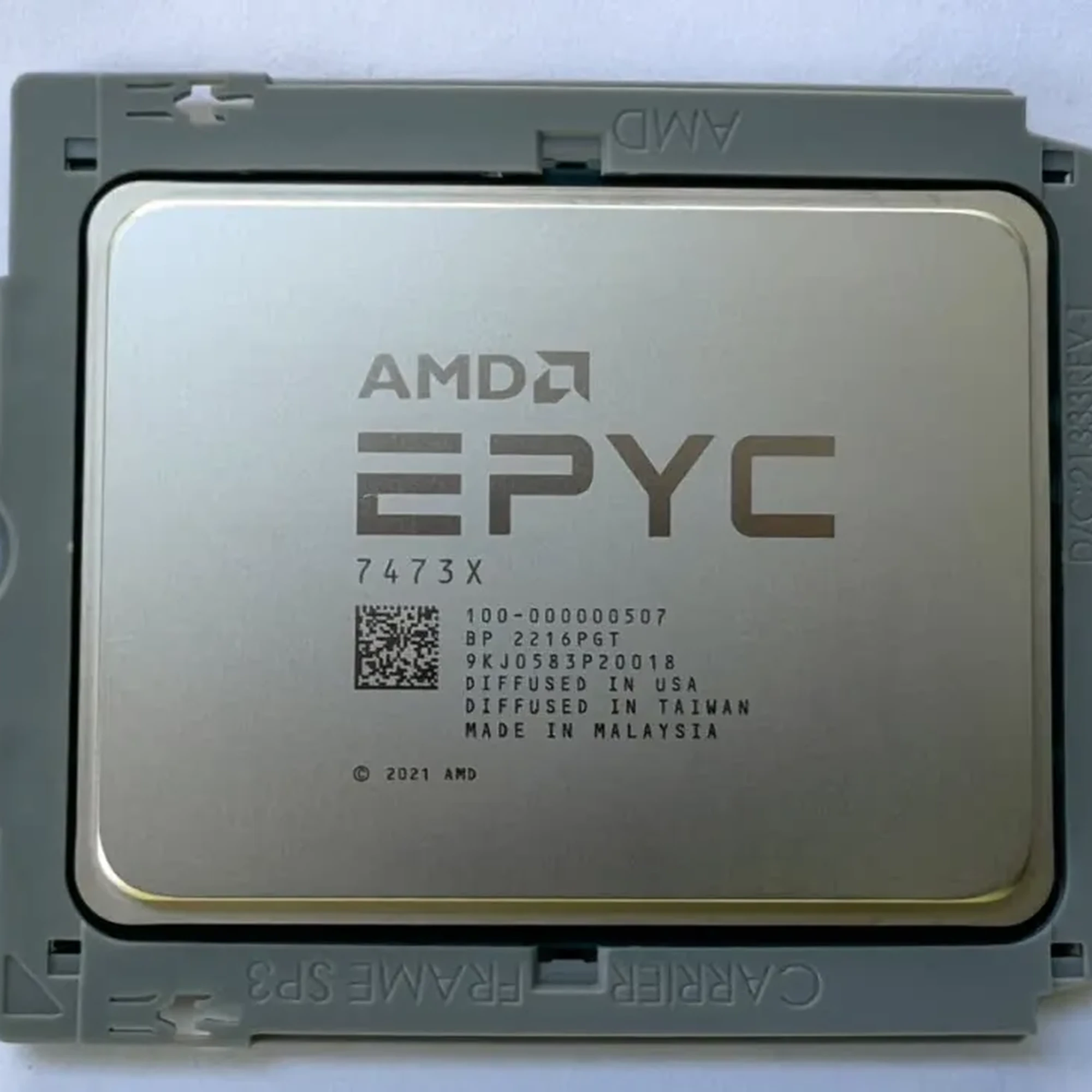
| AMD EPYC™ 7473X | 24 | 48 | Up to 3.7 GHz | 2.8 GHz | 768 MB | 240W |
| AMD EPYC™ 7453 | 28 | 56 | Up to 3.45 GHz | 2.75 GHz | 64 MB | 225W |
| AMD EPYC™ 7443P | 24 | 48 | Up to 4 GHz | 2.85 GHz | 128 MB | 200W |
| AMD EPYC™ 7443 | 24 | 48 | Up to 4 GHz | 2.85 GHz | 128 MB | 200W |
| AMD EPYC™ 7413 | 24 | 48 | Up to 3.6 GHz | 2.65 GHz | 128 MB | 180W |
| AMD EPYC™ 73F3 | 16 | 32 | Up to 4 GHz | 3.5 GHz | 256 MB | 240W |
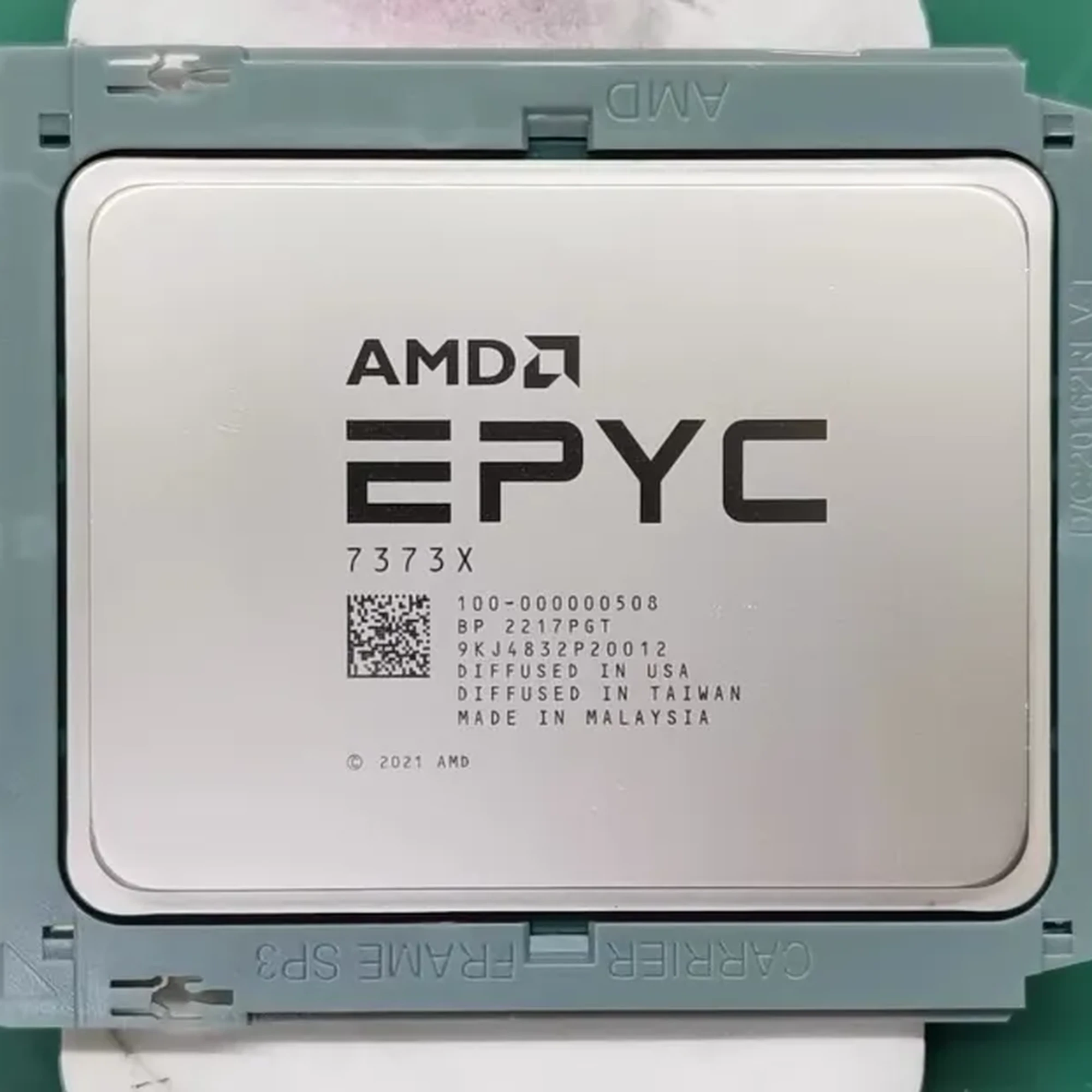
| AMD EPYC™ 7373X | 16 | 32 | Up to 3.8 GHz | 3.05 GHz | 768 MB | 240W |
| AMD EPYC™ 7343 | 16 | 32 | Up to 3.9 GHz | 3.2 GHz | 128 MB | 190W |
| AMD EPYC™ 7313P | 16 | 32 | Up to 3.7 GHz | 3 GHz | 128 MB | 155W |
| AMD EPYC™ 7313 | 16 | 32 | Up to 3.7 GHz | 3 GHz | 128 MB | 155W |
| AMD EPYC™ 72F3 | 8 | 16 | Up to 4.1 GHz | 3.7 GHz | 256 MB | 180W |


