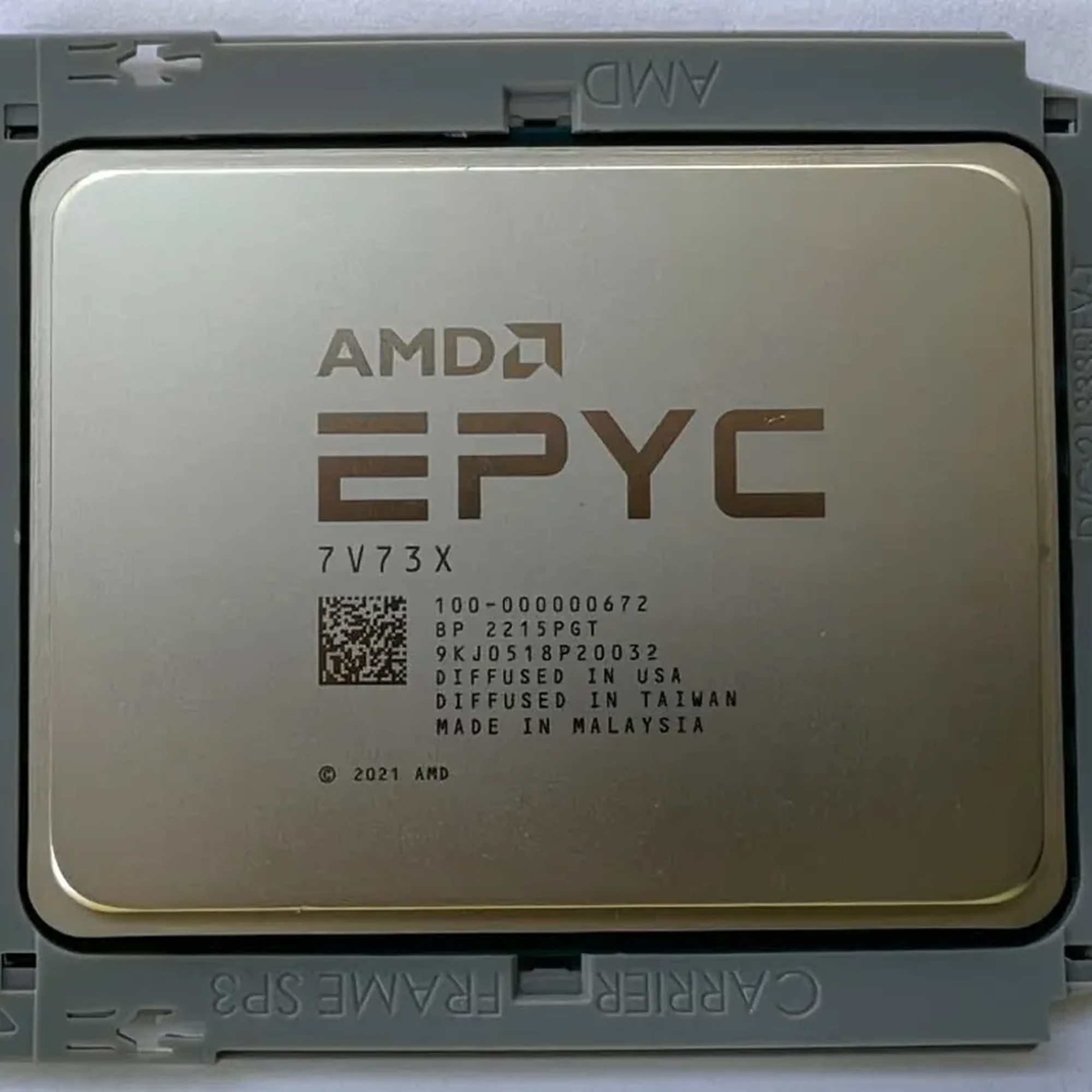
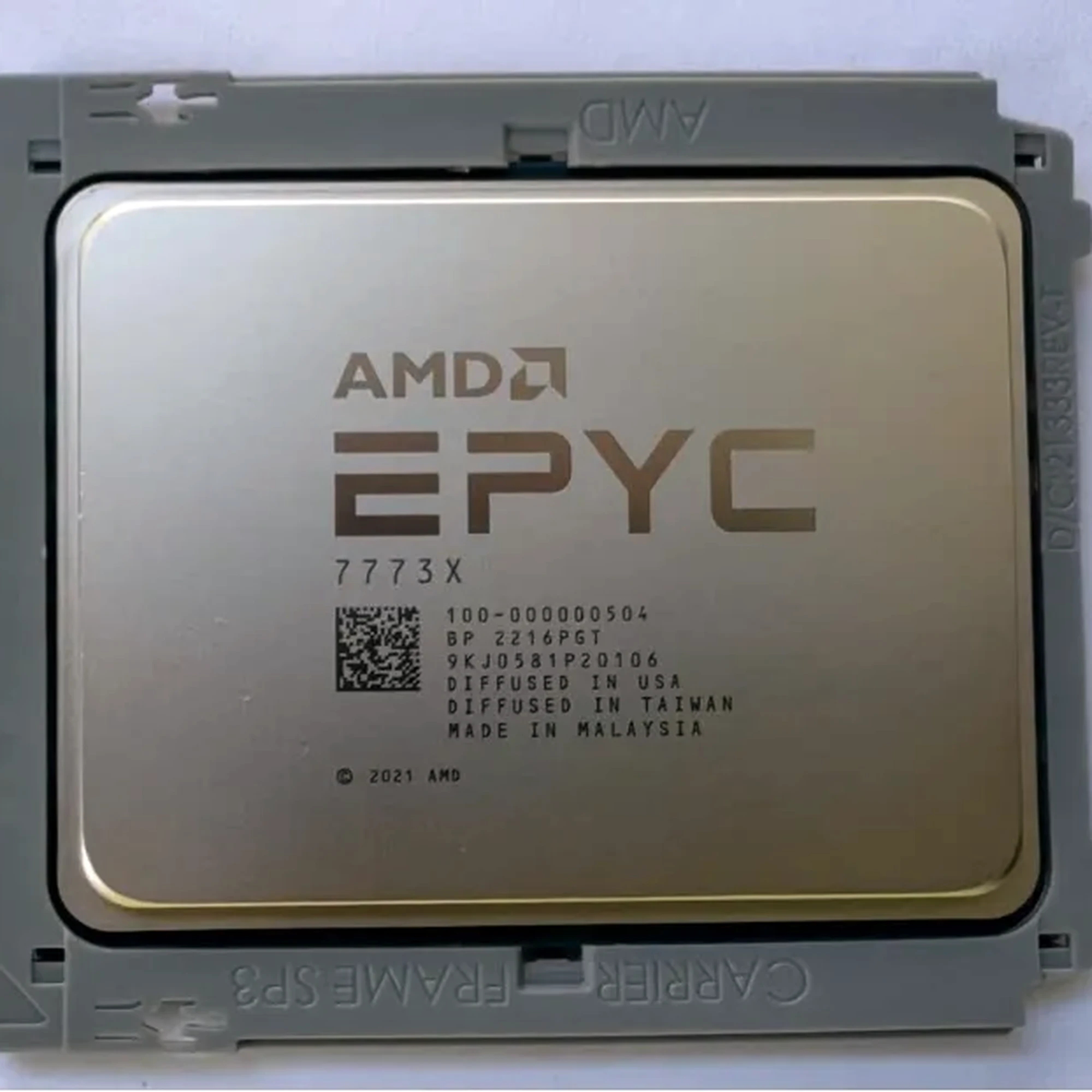
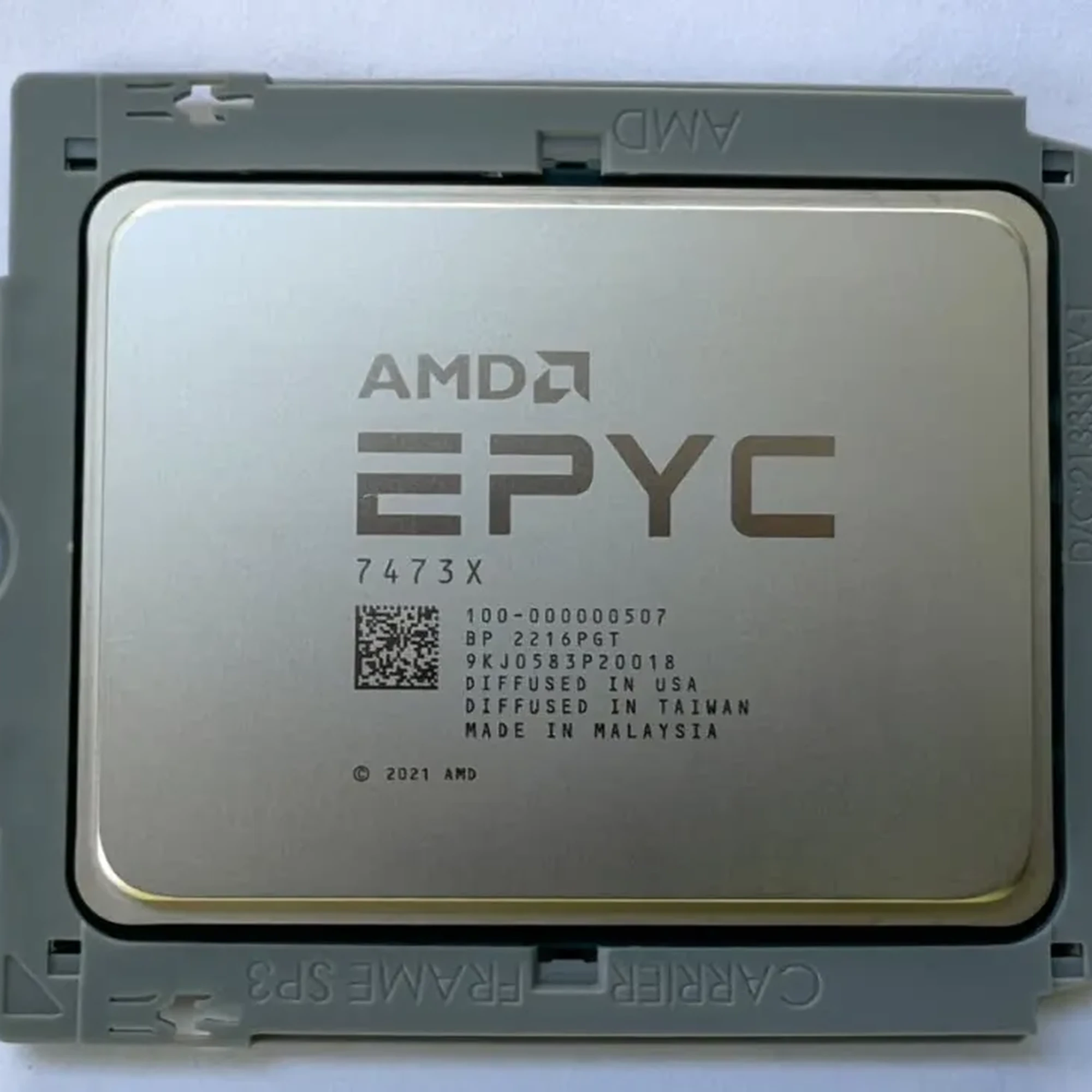
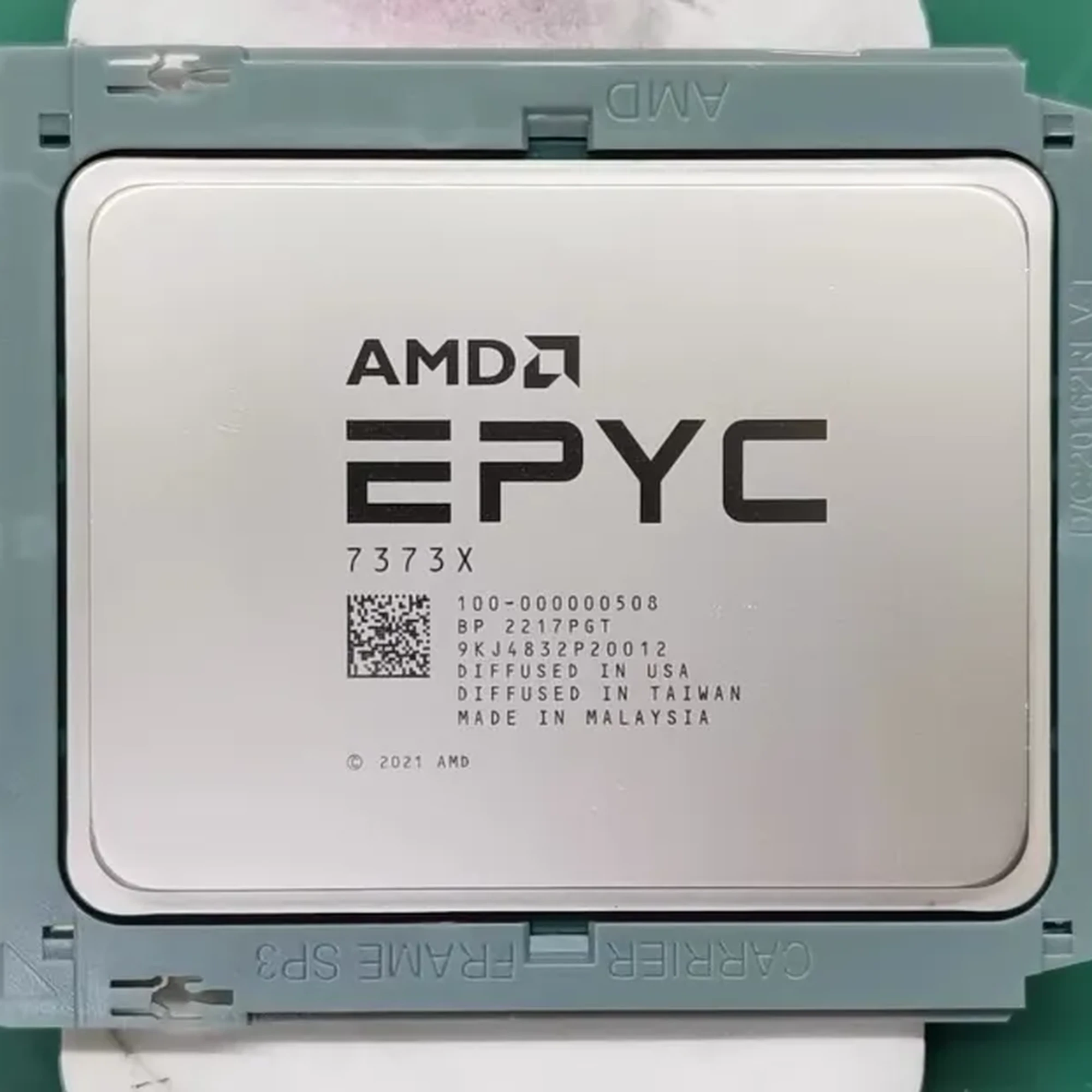

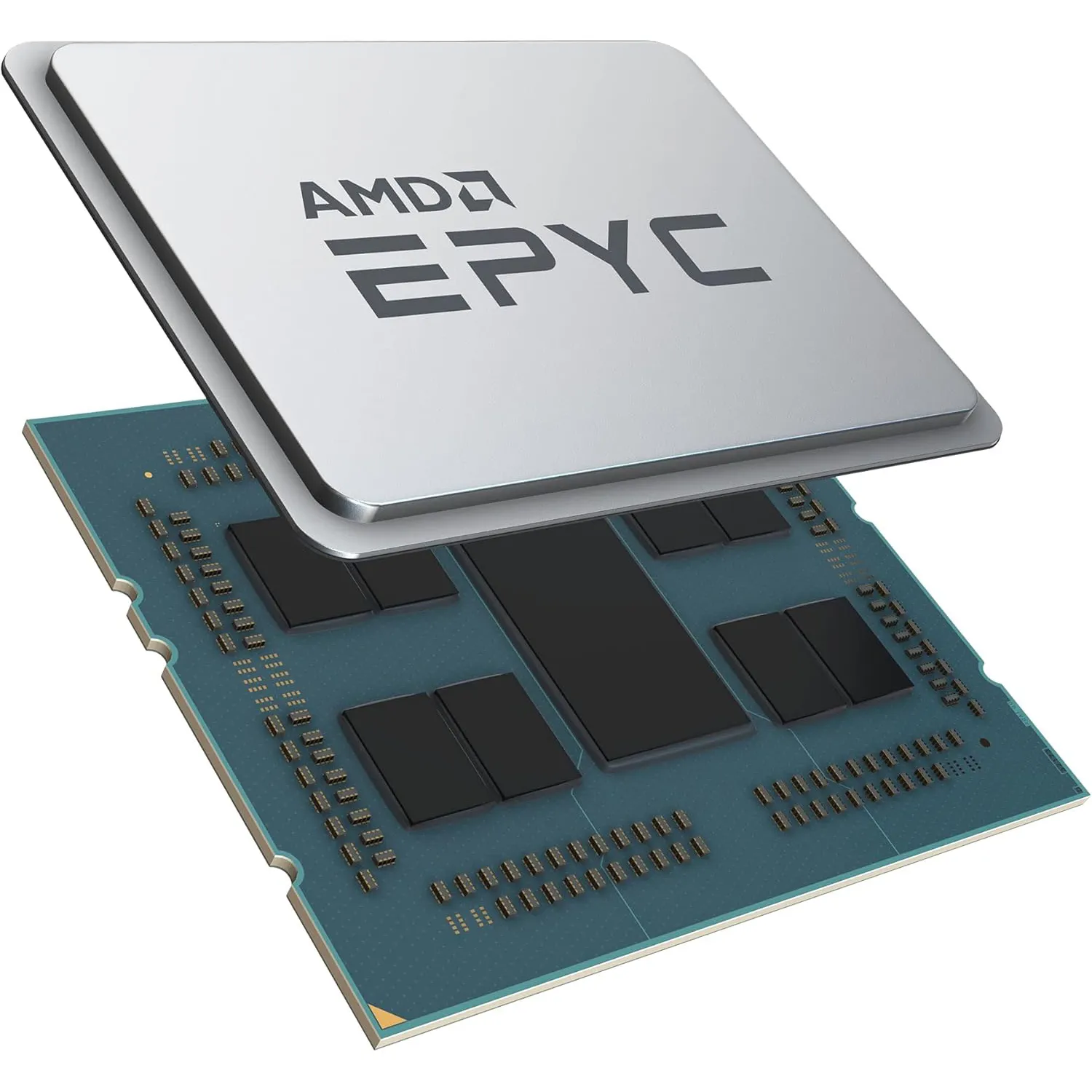
AMD EPYC 7413 Processor – 24-Core 48-Thread 2.65GHz Server CPU for Enterprise Workloads
The AMD EPYC 7413 processor is a powerful and efficient server-grade CPU designed for modern data centers, enterprise environments, and cloud-native workloads. Built on AMD’s advanced Zen 3 architecture, this processor delivers exceptional performance, improved efficiency, and enhanced security features compared to previous generations.
With 24 cores and 48 threads, the EPYC 7413 strikes an excellent balance between performance and cost, making it an ideal choice for businesses that need reliable computing power without overprovisioning. Whether you are running virtualization platforms, databases, or high-performance computing (HPC) applications, this processor is engineered to handle demanding workloads with ease.
Zen 3 Architecture for Superior Performance
At the heart of the AMD EPYC 7413 lies the Zen 3 core architecture, which offers significant improvements in instructions per cycle (IPC) and overall processing efficiency. This architectural advancement ensures that each core delivers more work per clock cycle, leading to faster execution times and reduced latency.
The unified L3 cache design in Zen 3 allows all cores within a CCD (Core Complex Die) to access a larger shared cache pool. This results in improved data access speeds and better performance in workloads such as databases, analytics, and virtualization.
High Core Count for Multitasking
The EPYC 7413 features 24 cores and 48 threads, making it well-suited for parallel workloads. This high core count enables businesses to run multiple virtual machines, containers, or applications simultaneously without compromising performance.
For virtualization environments such as VMware, Hyper-V, or KVM, the processor provides excellent consolidation capabilities. Organizations can reduce hardware footprint while maintaining high performance, ultimately lowering total cost of ownership (TCO).
Optimized Clock Speeds
With a base clock speed of 2.65 GHz and a boost clock of up to 3.6 GHz, the AMD EPYC 7413 offers a balanced approach between sustained performance and burst workloads.
This combination ensures smooth operation for both steady-state applications like databases and dynamic workloads such as web servers and cloud services. The processor adapts to varying demands, delivering consistent and reliable performance across different use cases.
Large Cache for Faster Data Access
The EPYC 7413 is equipped with a massive 128MB L3 cache, which plays a crucial role in reducing memory latency and improving application responsiveness.
Large cache sizes are especially beneficial for workloads involving large datasets, such as data analytics, scientific simulations, and enterprise resource planning (ERP) systems. By keeping more data closer to the cores, the processor minimizes the need for slower memory access.
Advanced Memory Support
This processor supports DDR4 memory with speeds up to 3200 MT/s and offers 8 memory channels per socket. The high memory bandwidth ensures that data-intensive applications can operate efficiently without bottlenecks.
With support for large memory capacities, the EPYC 7413 is ideal for in-memory databases, virtualization environments, and big data processing tasks. Businesses can scale their memory infrastructure to meet growing demands.
PCIe 4.0 for High-Speed Connectivity
One of the standout features of the AMD EPYC 7413 is its support for PCIe 4.0, providing up to 128 PCIe lanes per socket. This enables faster data transfer rates and improved connectivity for GPUs, NVMe storage, and networking devices.
PCIe 4.0 doubles the bandwidth compared to PCIe 3.0, making it an essential feature for modern data centers that rely on high-speed storage and accelerators.
Energy Efficiency and Thermal Design
With a thermal design power (TDP) of 180W, the EPYC 7413 offers excellent performance-per-watt. AMD’s efficient 7nm manufacturing process ensures lower power consumption while maintaining high computational output.
Energy efficiency is a critical factor for data centers aiming to reduce operational costs and environmental impact. The EPYC 7413 helps achieve these goals without sacrificing performance.
Security Features for Enterprise Protection
Security is a top priority in enterprise environments, and the AMD EPYC 7413 includes advanced hardware-based security features such as:
- AMD Infinity Guard
- Secure Encrypted Virtualization (SEV)
- Secure Memory Encryption (SME)
These technologies help protect sensitive data, isolate virtual machines, and prevent unauthorized access, making the processor a reliable choice for secure workloads.
Ideal Use Cases
The AMD EPYC 7413 is versatile and can be deployed across a wide range of applications, including:
- Virtualization and cloud computing
- Enterprise databases and ERP systems
- High-performance computing (HPC)
- Web hosting and content delivery
- Data analytics and AI workloads
Its balanced performance and scalability make it suitable for both mid-sized and large-scale deployments.
Scalability and Platform Compatibility
Designed for the SP3 socket platform, the EPYC 7413 is compatible with a wide range of server motherboards and systems. It supports dual-socket configurations, allowing businesses to scale performance as needed.
This flexibility ensures that organizations can future-proof their infrastructure and adapt to evolving workload requirements.
Reliability and Enterprise-Grade Stability
AMD EPYC processors are built with enterprise reliability in mind. The EPYC 7413 offers features such as ECC memory support and robust system validation, ensuring stable operation in mission-critical environments.
Businesses can rely on this processor for continuous uptime and consistent performance, even under heavy workloads.
Conclusion
The AMD EPYC 7413 processor is a powerful, efficient, and secure solution for modern data centers and enterprise environments. With its 24 cores, advanced Zen 3 architecture, and support for high-speed memory and PCIe 4.0, it delivers exceptional performance across a wide range of workloads.
Whether you are upgrading your infrastructure or building a new server environment, the EPYC 7413 provides the perfect balance of performance, scalability, and cost-effectiveness.
Specifications Sheet
| Specification | Details |
|---|---|
| Processor Model | AMD EPYC 7413 |
| Architecture | Zen 3 |
| Cores / Threads | 24 Cores / 48 Threads |
| Base Clock | 2.65 GHz |
| Max Boost Clock | Up to 3.6 GHz |
| L3 Cache | 128 MB |
| TDP | 180W |
| Socket | SP3 |
| Memory Type | DDR4 |
| Memory Speed | Up to 3200 MT/s |
| Memory Channels | 8 Channels |
| PCIe Version | PCIe 4.0 |
| PCIe Lanes | Up to 128 |
| Manufacturing Process | 7nm |
| Security Features | SEV, SME, Infinity Guard |
AMD EPYC 7003 Series Processors General Specifications
Name | # of CPU Cores | # of Threads | Max. Boost Clock | Base Clock | L3 Cache | Default TDP |
|---|---|---|---|---|---|---|
| AMD EPYC™ 7203P | 8 | 16 | Up to 3.4 GHz | 2.8 GHz | 64 MB | 120W |
| AMD EPYC™ 7203 | 8 | 16 | Up to 3.4 GHz | 2.8 GHz | 64 MB | 120W |
| AMD EPYC™ 7303P | 16 | 32 | Up to 3.4 GHz | 2.4 GHz | 64 MB | 130W |
| AMD EPYC™ 7303 | 16 | 32 | Up to 3.4 GHz | 2.4 GHz | 64 MB | 130W |
| AMD EPYC™ 7643P | 48 | 96 | Up to 3.6 GHz | 2.3 GHz | 256 MB | 225W |
| AMD EPYC™ 7773X | 64 | 128 | Up to 3.5 GHz | 2.2 GHz | 768 MB | 280W |
| AMD EPYC™ 7763 | 64 | 128 | Up to 3.5 GHz | 2.45 GHz | 256 MB | 280W |
| AMD EPYC™ 7713P | 64 | 128 | Up to 3.67 GHz | 2 GHz | 256 MB | 225W |
| AMD EPYC™ 7713 | 64 | 128 | Up to 3.67 GHz | 2 GHz | 256 MB | 225W |
| AMD EPYC™ 7663 | 56 | 112 | Up to 3.5 GHz | 2 GHz | 256 MB | 240W |
| AMD EPYC™ 7643 | 48 | 96 | Up to 3.6 GHz | 2.3 GHz | 256 MB | 225W |
| AMD EPYC™ 7663P | 56 | 112 | Up to 3.5 GHz | 2 GHz | 256 MB | 240W |
| AMD EPYC™ 75F3 | 32 | 64 | Up to 4 GHz | 2.95 GHz | 256 MB | 280W |
| AMD EPYC™ 7573X | 32 | 64 | Up to 3.6 GHz | 2.8 GHz | 768 MB | 280W |
| AMD EPYC™ 7543P | 32 | 64 | Up to 3.7 GHz | 2.8 GHz | 256 MB | 225W |
| AMD EPYC™ 7543 | 32 | 64 | Up to 3.7 GHz | 2.8 GHz | 256 MB | 225W |
| AMD EPYC™ 7513 | 32 | 64 | Up to 3.65 GHz | 2.6 GHz | 128 MB | 200W |
| AMD EPYC™ 74F3 | 24 | 48 | Up to 4 GHz | 3.2 GHz | 256 MB | 240W |
| AMD EPYC™ 7473X | 24 | 48 | Up to 3.7 GHz | 2.8 GHz | 768 MB | 240W |
| AMD EPYC™ 7453 | 28 | 56 | Up to 3.45 GHz | 2.75 GHz | 64 MB | 225W |
| AMD EPYC™ 7443P | 24 | 48 | Up to 4 GHz | 2.85 GHz | 128 MB | 200W |
| AMD EPYC™ 7443 | 24 | 48 | Up to 4 GHz | 2.85 GHz | 128 MB | 200W |
| AMD EPYC™ 7413 | 24 | 48 | Up to 3.6 GHz | 2.65 GHz | 128 MB | 180W |
| AMD EPYC™ 73F3 | 16 | 32 | Up to 4 GHz | 3.5 GHz | 256 MB | 240W |
| AMD EPYC™ 7373X | 16 | 32 | Up to 3.8 GHz | 3.05 GHz | 768 MB | 240W |
| AMD EPYC™ 7343 | 16 | 32 | Up to 3.9 GHz | 3.2 GHz | 128 MB | 190W |
| AMD EPYC™ 7313P | 16 | 32 | Up to 3.7 GHz | 3 GHz | 128 MB | 155W |
| AMD EPYC™ 7313 | 16 | 32 | Up to 3.7 GHz | 3 GHz | 128 MB | 155W |
| AMD EPYC™ 72F3 | 8 | 16 | Up to 4.1 GHz | 3.7 GHz | 256 MB | 180W |