
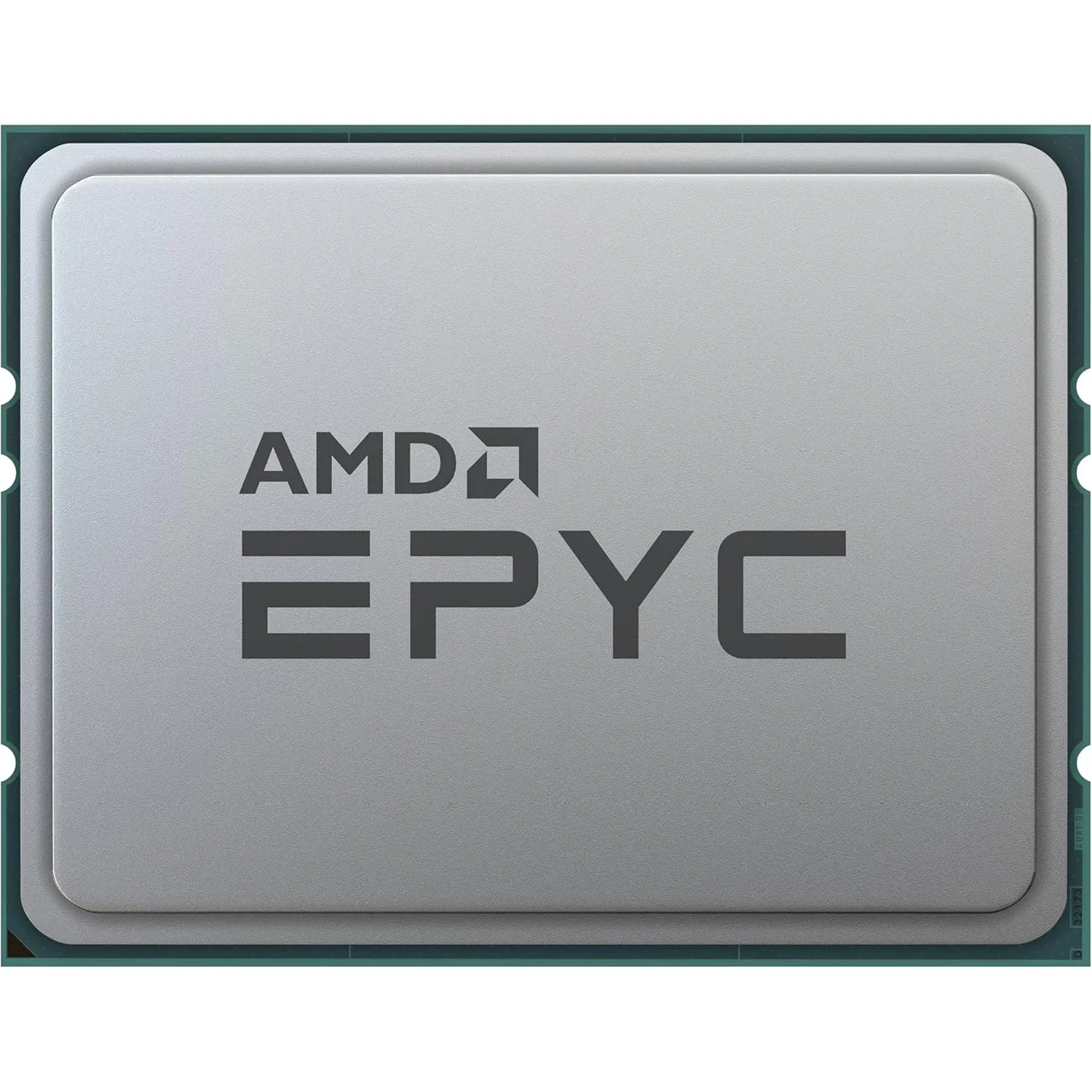
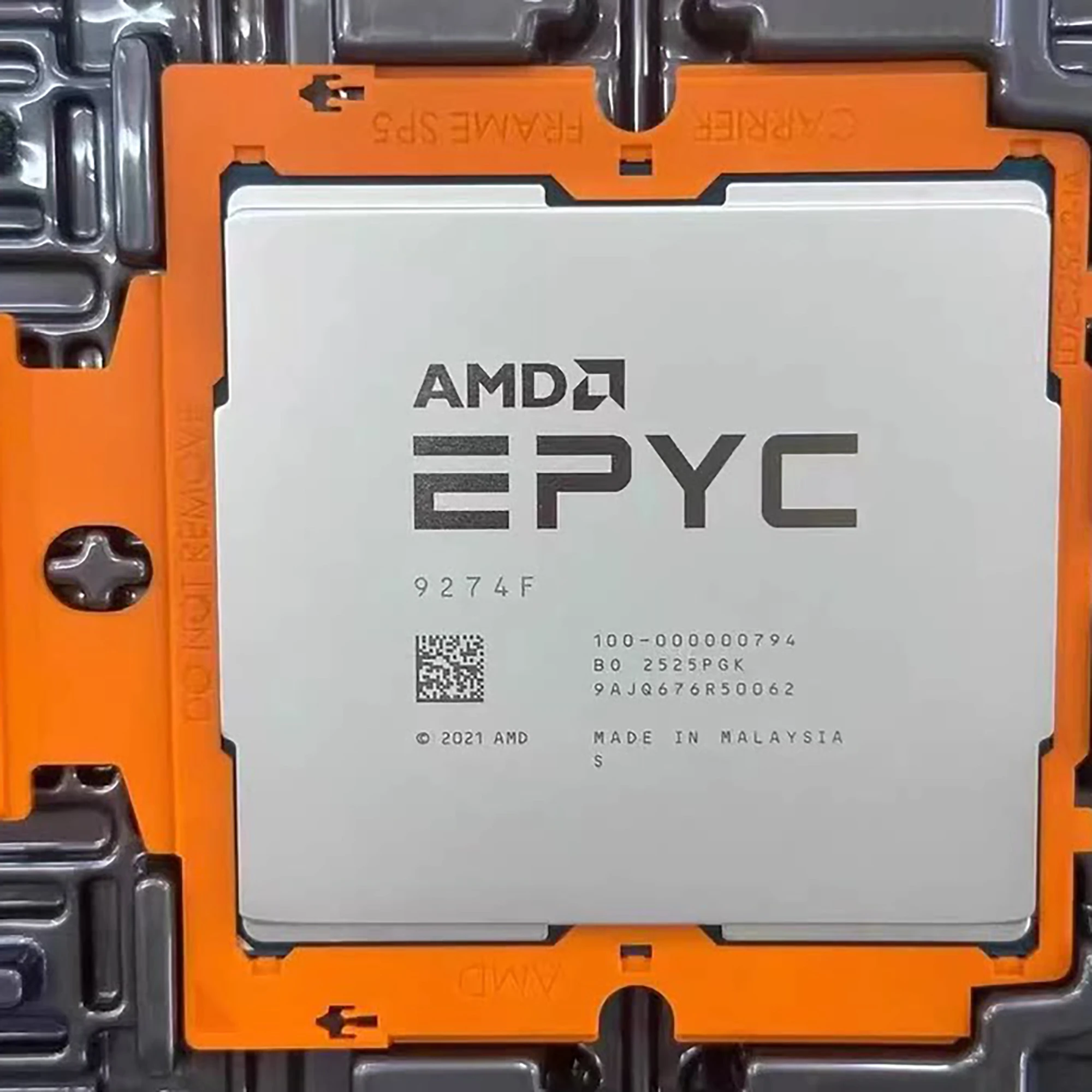
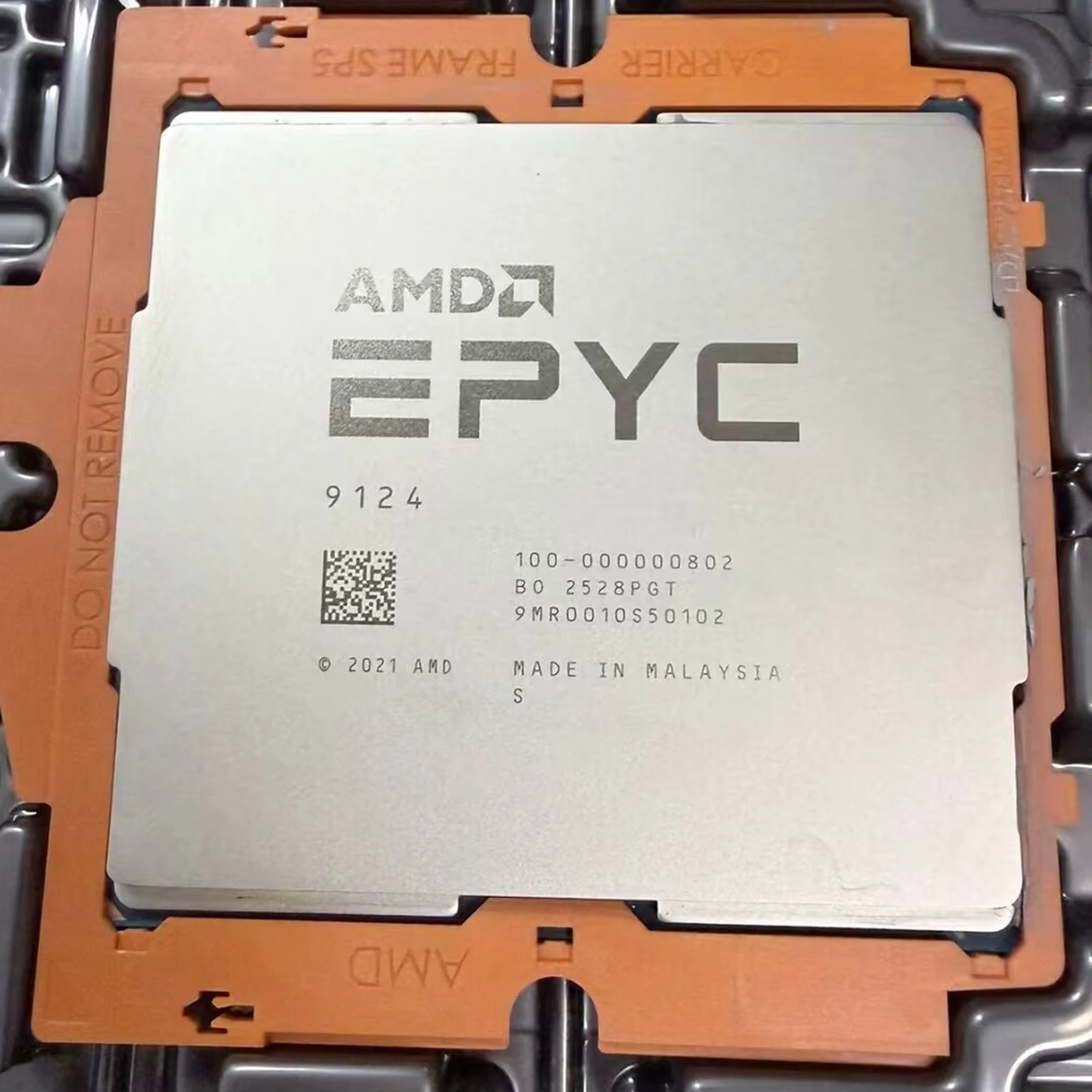
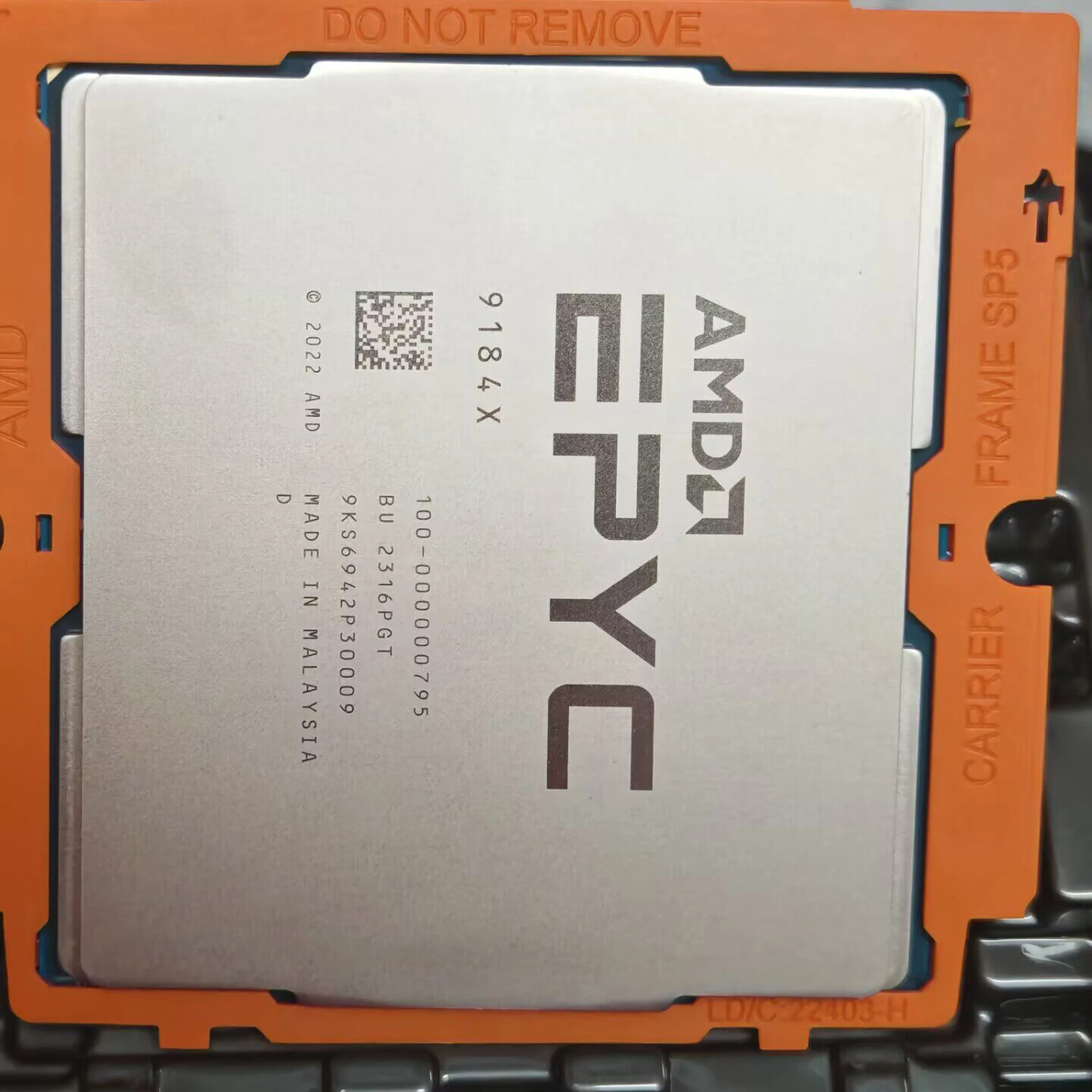
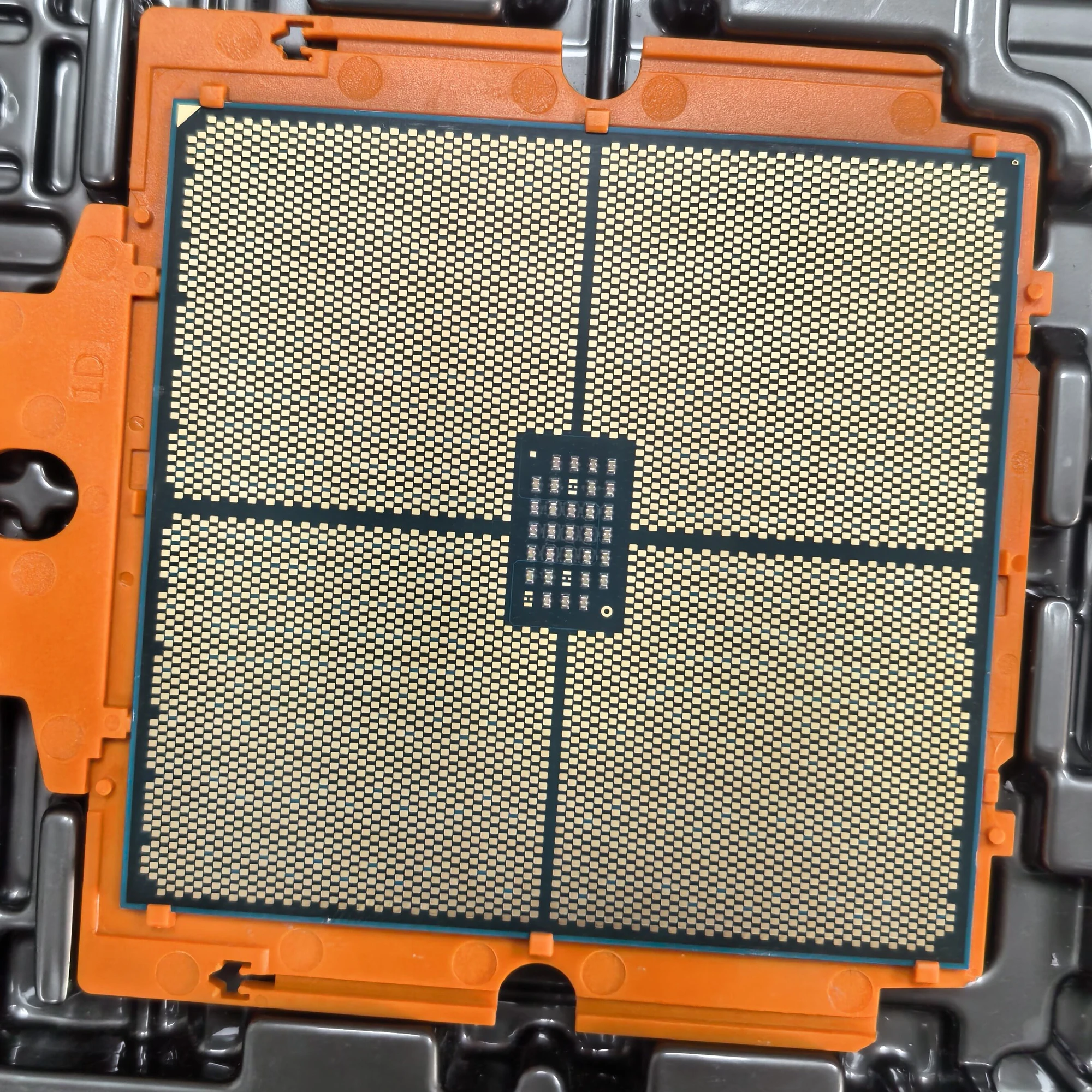
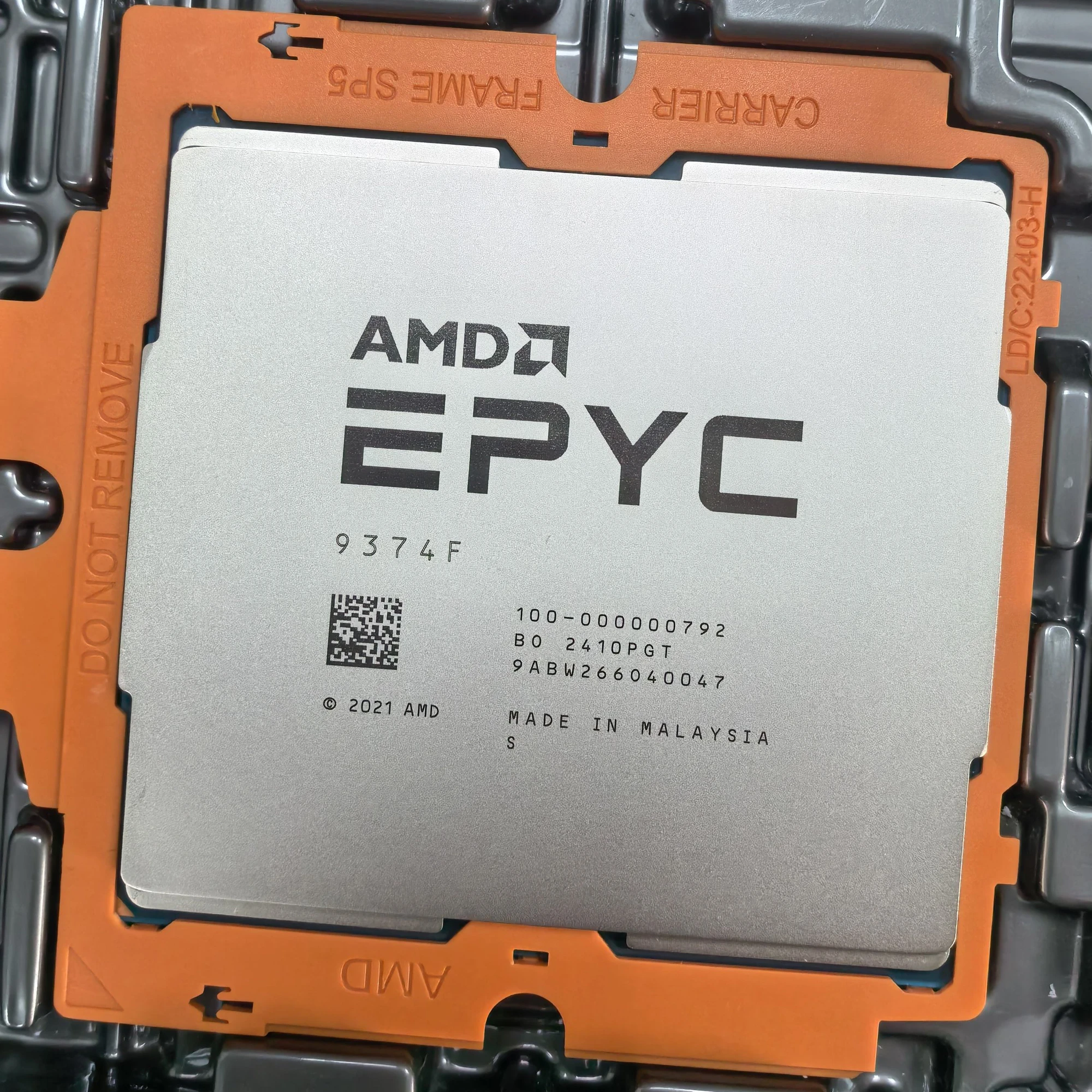
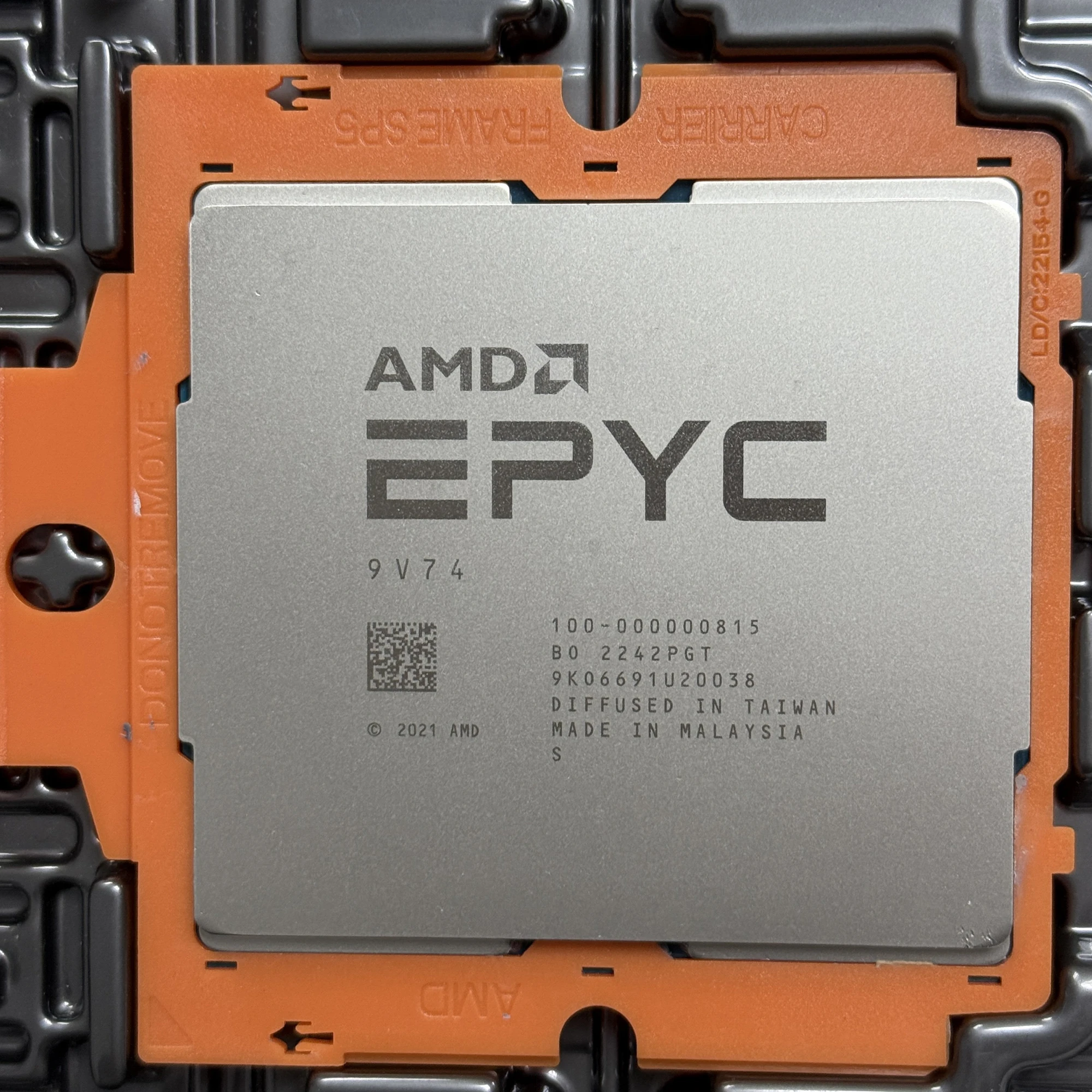
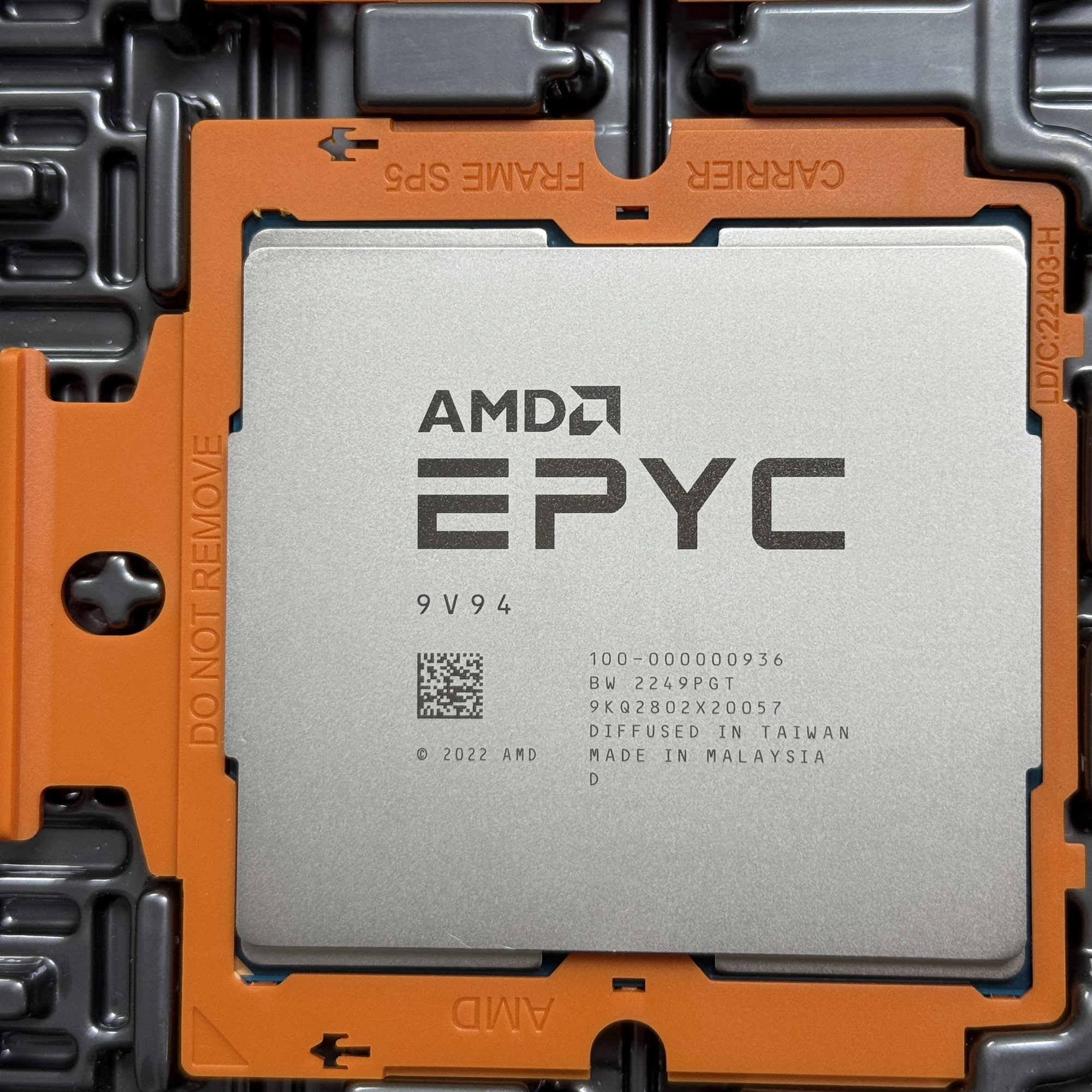

AMD EPYC 9274F 4th Gen 9004 Series Server Processor – 24 Core 4.3GHz SP5 CPU
✅ Specifications
| Specification | Details |
|---|---|
| Model | AMD EPYC 9274F |
| Architecture | Zen 4 (Genoa) |
| Process Technology | 5nm |
| Cores / Threads | 24 / 48 |
| Base Clock | 4.05 GHz |
| Max Boost Clock | Up to 4.3 GHz |
| All-Core Boost | 4.1 GHz |
| L3 Cache | 256 MB |
| TDP | 320W (cTDP up to 400W) |
| Socket | SP5 |
| Memory Type | DDR5 |
| Memory Channels | 12 |
| Memory Speed | Up to 4800 MT/s |
| Max Memory Bandwidth | 460.8 GB/s |
| PCIe Version | PCIe 5.0 |
| PCIe Lanes | 128 |
| Multi-Socket Support | 1P / 2P |
| Launch Date | November 2022 |
Overview of AMD EPYC 9274F Processor
The AMD EPYC 9274F is part of the powerful 4th Generation EPYC 9004 Series processors, engineered to deliver exceptional performance, efficiency, and scalability for modern data centers. Built on the advanced Zen 4 architecture and manufactured using a 5nm process technology, this processor is specifically designed for workloads that demand high clock speeds and strong per-core performance.
Unlike traditional high-core-count server CPUs, the EPYC 9274F focuses on frequency optimization. This makes it ideal for applications that benefit from faster individual core speeds rather than sheer parallelism. With a base clock of 4.05 GHz and boost frequencies reaching up to 4.3 GHz, it stands out as one of the fastest server processors in its class.
High-Frequency Performance for Critical Workloads
The “F” designation in the EPYC lineup represents frequency-optimized models. The EPYC 9274F is tailored for workloads such as electronic design automation (EDA), high-performance computing simulations, and virtual desktop infrastructure (VDI). These applications rely heavily on strong single-thread and per-core performance.
With 24 cores and 48 threads, the processor strikes a balance between parallel processing and high clock speed. Its all-core boost of approximately 4.1 GHz ensures consistent performance under heavy workloads.
This combination makes the EPYC 9274F particularly suitable for:
- Engineering simulations (CAE, CFD, FEA)
- Financial modeling and analytics
- High-performance virtual machines
- Latency-sensitive enterprise applications
Advanced Zen 4 Architecture
At the heart of the EPYC 9274F lies AMD’s Zen 4 microarchitecture. This architecture introduces significant improvements in IPC (instructions per cycle), energy efficiency, and overall throughput compared to previous generations.
Manufactured using TSMC’s 5nm process, the chip integrates billions of transistors to deliver higher performance while maintaining efficiency.
Key architectural advantages include:
- Improved branch prediction and execution pipelines
- Enhanced floating-point and vector performance
- Support for AVX-512 instructions
- Advanced security technologies
These improvements make the processor highly capable of handling complex computational workloads and modern enterprise applications.
Massive Cache for Faster Data Access
The EPYC 9274F is equipped with an impressive 256MB of L3 cache, which significantly reduces memory latency and improves performance in data-intensive tasks.
A larger cache enables faster access to frequently used data, which is crucial for:
- Database processing
- Virtualization environments
- Scientific simulations
- Real-time analytics
This high cache-to-core ratio is one of the defining features of frequency-optimized EPYC processors.
DDR5 Memory and High Bandwidth
The processor supports next-generation DDR5 memory with up to 12 memory channels per socket. This allows for significantly higher memory bandwidth compared to previous DDR4-based systems.
- Memory Speed: Up to 4800 MT/s
- Memory Channels: 12
- Bandwidth: Up to 460.8 GB/s
This ensures smooth handling of memory-intensive applications such as:
- Big data analytics
- AI inference workloads
- Large-scale virtualization
Additionally, ECC memory support ensures data integrity, making it ideal for mission-critical environments.
PCIe 5.0 and Exceptional Connectivity
The AMD EPYC 9274F supports PCIe 5.0 with up to 128 lanes, providing massive I/O bandwidth for modern data center infrastructure.
This enables:
- Faster NVMe storage performance
- High-speed networking (100GbE and beyond)
- GPU and accelerator integration
PCIe Gen5 ensures that the system remains future-proof and capable of handling next-generation storage and networking technologies.
Scalable Multi-Socket Deployment
The EPYC 9274F supports both single-socket (1P) and dual-socket (2P) configurations. This scalability allows organizations to build flexible server infrastructures depending on their workload requirements.
Dual-socket configurations can effectively double compute resources, making them ideal for:
- Enterprise virtualization clusters
- HPC environments
- Large-scale databases
This scalability ensures that businesses can grow their infrastructure without needing to redesign their systems.
Enterprise Security and Reliability
Security is a core feature of the EPYC platform. The 9274F integrates AMD Infinity Guard, a suite of advanced security technologies designed to protect data at all levels.
Key security features include:
- Secure Memory Encryption (SME)
- Secure Encrypted Virtualization (SEV)
- Hardware-based root of trust
These features help protect sensitive data from unauthorized access and cyber threats, making the processor suitable for cloud and enterprise deployments.
Power Efficiency and Thermal Design
Despite its high frequency, the EPYC 9274F maintains a configurable TDP range of 320W to 400W.
While it requires robust cooling solutions, the processor delivers excellent performance per watt for frequency-intensive workloads. This efficiency is crucial for reducing operational costs in large-scale data centers.
Ideal Use Cases
The AMD EPYC 9274F is best suited for applications that require high clock speeds and strong per-core performance. Typical use cases include:
- Electronic Design Automation (EDA)
- Engineering simulations (CFD, FEA)
- Virtual Desktop Infrastructure (VDI)
- High-frequency trading systems
- Enterprise databases
- Cloud-native applications
Its unique combination of high frequency, large cache, and modern platform support makes it a versatile choice for specialized workloads.
Conclusion
The AMD EPYC 9274F stands out as a high-performance, frequency-optimized server processor designed for modern enterprise environments. With its 24 cores, high clock speeds, advanced Zen 4 architecture, and cutting-edge platform features like DDR5 and PCIe 5.0, it delivers exceptional performance where it matters most.
For organizations seeking a processor that excels in latency-sensitive and performance-critical workloads, the EPYC 9274F is a powerful and future-ready solution.
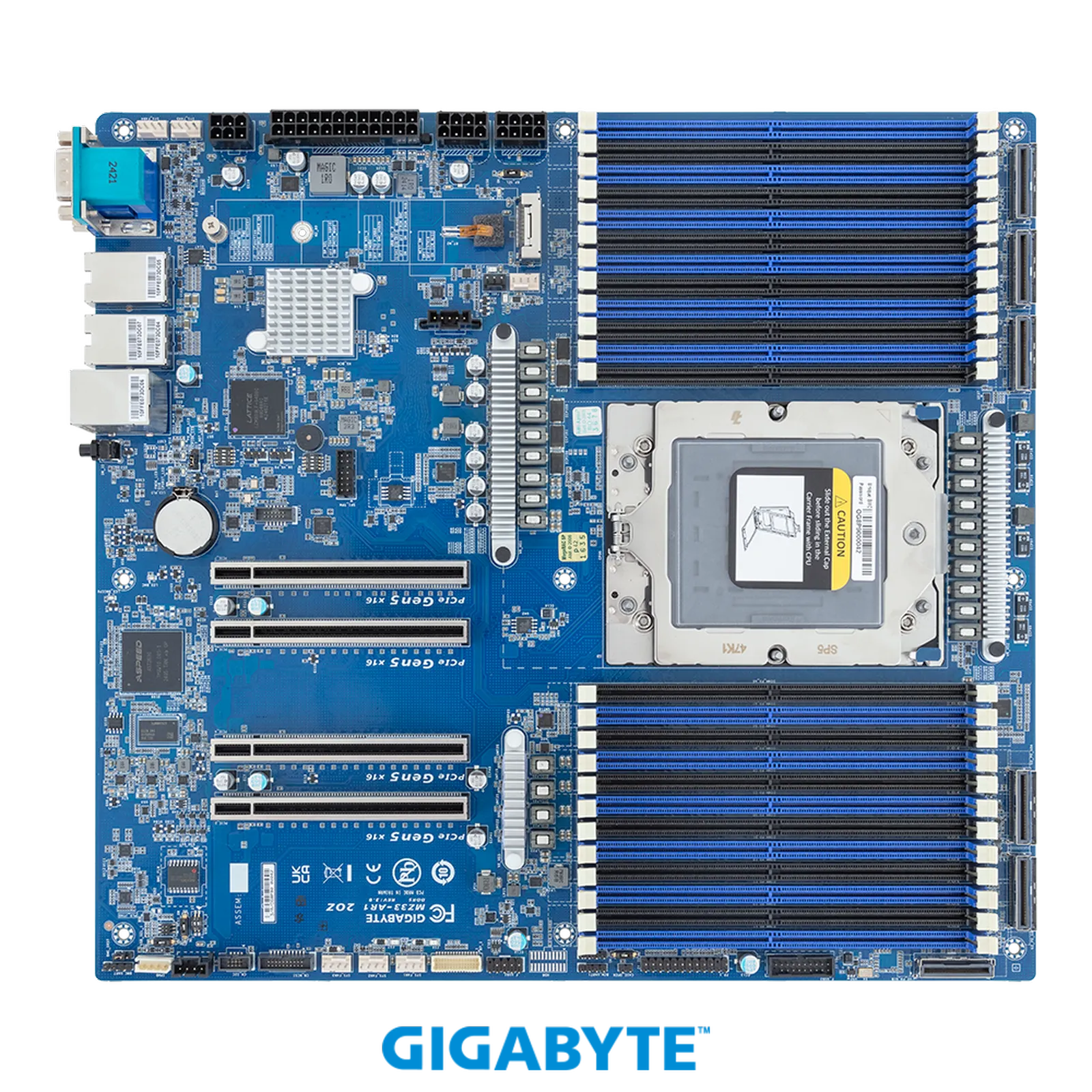
Recommended Motherboards for AMD EPYC 9005/9004 SP5 processors
| Model | CPU (Socket / TDP) | Memory | PCIe/CXL | LAN | Management | Form Factor |
|---|---|---|---|---|---|---|
| Gigabyte MZ73-LM2 | Dual SP5 / 500W | 24×DDR5 | PCIe 5.0 | 2×10GbE | IPMI | E-ATX |
| Gigabyte MZ73-LM1 | Dual SP5 / 400W | 24×DDR5 | PCIe 5.0 | 2×10GbE | IPMI | E-ATX |
| Gigabyte MZ73-LM0 | Dual SP5 / 400W | 24×DDR5 | PCIe 5.0 | 2×10GbE | IPMI | E-ATX |
| Gigabyte MZ33-AR1 | Single SP5 / 400W | 24×DDR5 | PCIe 5.0 | 1×10GbE | IPMI | E-ATX |
| Gigabyte MZ33-CP1 | Single SP5 / 500W | 12×DDR5 | PCIe 5.0 | 2×1GbE | IPMI | E-ATX |
| ASRock Rack TURIND8-2L2T | Single SP5 / 400W | 8×DDR5 | PCIe 5.0 + CXL 2.0 | 2×10GbE + 2×1GbE | IPMI | CEB |
| ASRock Rack TURIN2D16-2T | Dual SP5 / 400W | 16×DDR5 (8+8) | PCIe 5.0 + CXL 2.0 | 2×10GbE | IPMI | EEB |
| ASRock Rack TURIN2D24G-2L+/500W | Dual SP5 / 500W | 24×DDR5 (12+12) | PCIe 5.0 + CXL 2.0 | 2×1GbE | IPMI | Proprietary |
| ASUS K14PA-U12 | Single SP5 / 400W | 12×DDR5 | PCIe 5.0 | 2×25GbE (SFP28) | iKVM (ASMB11) | CEB |
4th Gen AMD EPYC Server CPUs 9004 Series Processors SKUs
| Name | # of CPU Cores | # of Threads | Max. Boost Clock | Base Clock | L3 Cache | Default TDP |
| AMD EPYC™ 9184X | 16 | 32 | Up to 4.2 GHz | 3.55 GHz | 768 MB | 320W |
| AMD EPYC™ 9174F | 16 | 32 | Up to 4.4 GHz | 4.1 GHz | 256 MB | 320W |
| AMD EPYC™ 9124 | 16 | 32 | Up to 3.7 GHz | 3 GHz | 64 MB | 200W |
| AMD EPYC™ 9184X | 16 | 32 | Up to 4.2 GHz | 3.55 GHz | 768 MB | 320W |
| AMD EPYC™ 9274F | 24 | 48 | Up to 4.3 GHz | 4.05 GHz | 256 MB | 320W |
| AMD EPYC™ 9254 | 24 | 48 | Up to 4.15 GHz | 2.9 GHz | 128 MB | 200W |
| AMD EPYC™ 9224 | 24 | 48 | Up to 3.7 GHz | 2.5 GHz | 64 MB | 200W |
| AMD EPYC™ 9384X | 32 | 64 | Up to 3.9 GHz | 3.1 GHz | 768 MB | 320W |
| AMD EPYC™ 9374F | 32 | 64 | Up to 4.3 GHz | 3.85 GHz | 256 MB | 320W |
| AMD EPYC™ 9354P | 32 | 64 | Up to 3.8 GHz | 3.25 GHz | 256 MB | 280W |
| AMD EPYC™ 9354 | 32 | 64 | Up to 3.8 GHz | 3.25 GHz | 256 MB | 280W |
| AMD EPYC™ 9334 | 32 | 64 | Up to 3.9 GHz | 2.7 GHz | 128 MB | 210W |
| AMD EPYC™ 9384X | 32 | 64 | Up to 3.9 GHz | 3.1 GHz | 768 MB | 320W |
| AMD EPYC™ 9474F | 48 | 96 | Up to 4.1 GHz | 3.6 GHz | 256 MB | 360W |
| AMD EPYC™ 9454P | 48 | 96 | Up to 3.8 GHz | 2.75 GHz | 256 MB | 290W |
| AMD EPYC™ 9454 | 48 | 96 | Up to 3.8 GHz | 2.75 GHz | 256 MB | 290W |
| AMD EPYC™ 9554P | 64 | 128 | Up to 3.75 GHz | 3.1 GHz | 256 MB | 360W |
| AMD EPYC™ 9554 | 64 | 128 | Up to 3.75 GHz | 3.1 GHz | 256 MB | 360W |
| AMD EPYC™ 9534 | 64 | 128 | Up to 3.7 GHz | 2.45 GHz | 256 MB | 280W |
| AMD EPYC™ 9634 | 84 | 168 | Up to 3.7 GHz | 2.25 GHz | 384 MB | 290W |
| AMD EPYC™ 9684X | 96 | 192 | Up to 3.7 GHz | 2.55 GHz | 1152 MB | 400W |
| AMD EPYC™ 9654P | 96 | 192 | Up to 3.7 GHz | 2.4 GHz | 384 MB | 360W |
| AMD EPYC™ 9654 | 96 | 192 | Up to 3.7 GHz | 2.4 GHz | 384 MB | 360W |
| AMD EPYC™ 9684X | 96 | 192 | Up to 3.7 GHz | 2.55 GHz | 1152 MB | 400W |
| AMD EPYC™ 9734 | 112 | 224 | Up to 3 GHz | 2.2 GHz | 256 MB | 340W |
| AMD EPYC™ 9734 | 112 | 224 | Up to 3 GHz | 2.2 GHz | 256 MB | 340W |
| AMD EPYC™ 9754S | 128 | 128 | Up to 3.1 GHz | 2.25 GHz | 256 MB | 360W |
| AMD EPYC™ 9754 | 128 | 256 | Up to 3.1 GHz | 2.25 GHz | 256 MB | 360W |
| AMD EPYC™ 9754S | 128 | 128 | Up to 3.1 GHz | 2.25 GHz | 256 MB | 360W |
| AMD EPYC™ 9754 | 128 | 256 | Up to 3.1 GHz | 2.25 GHz | 256 MB | 360W |


