
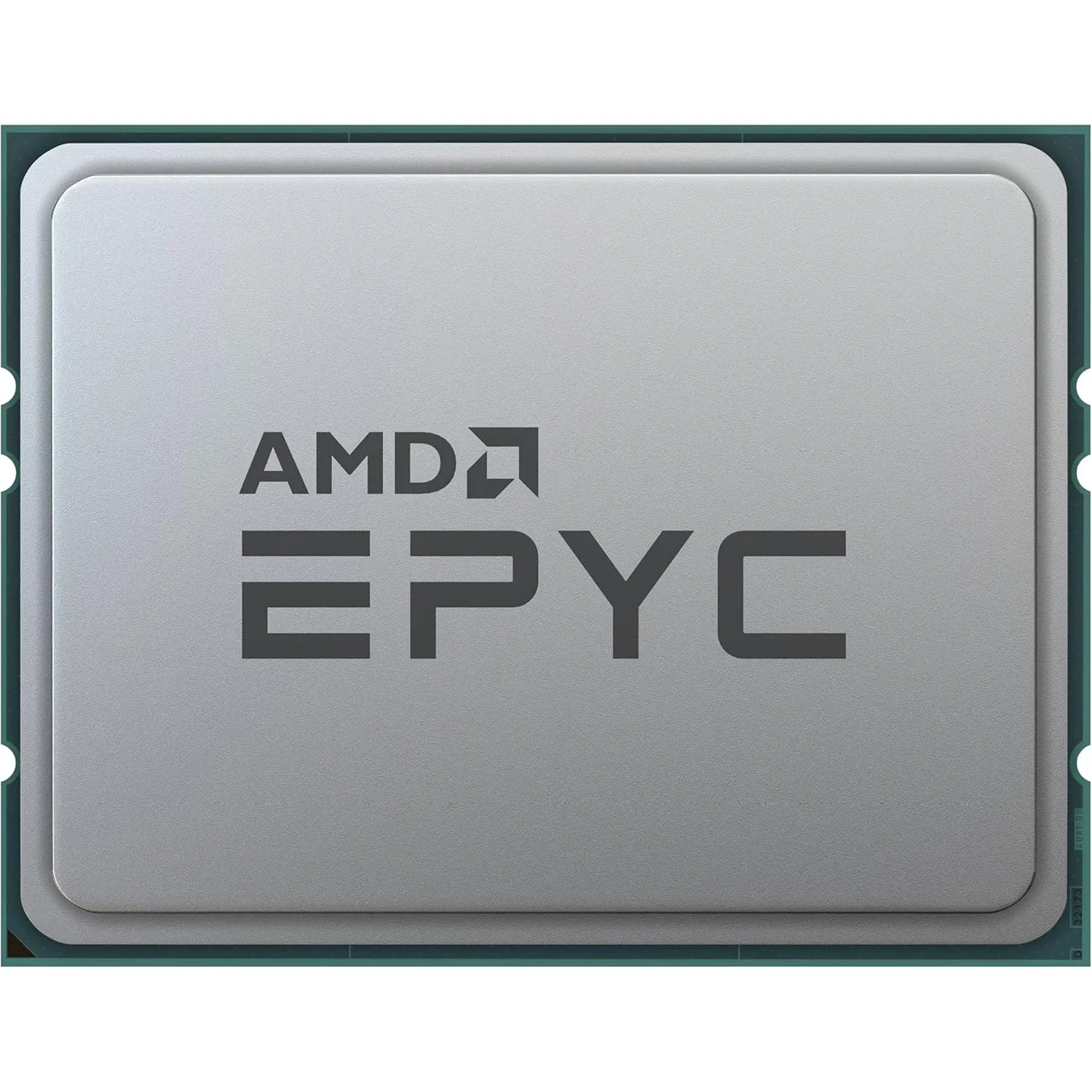
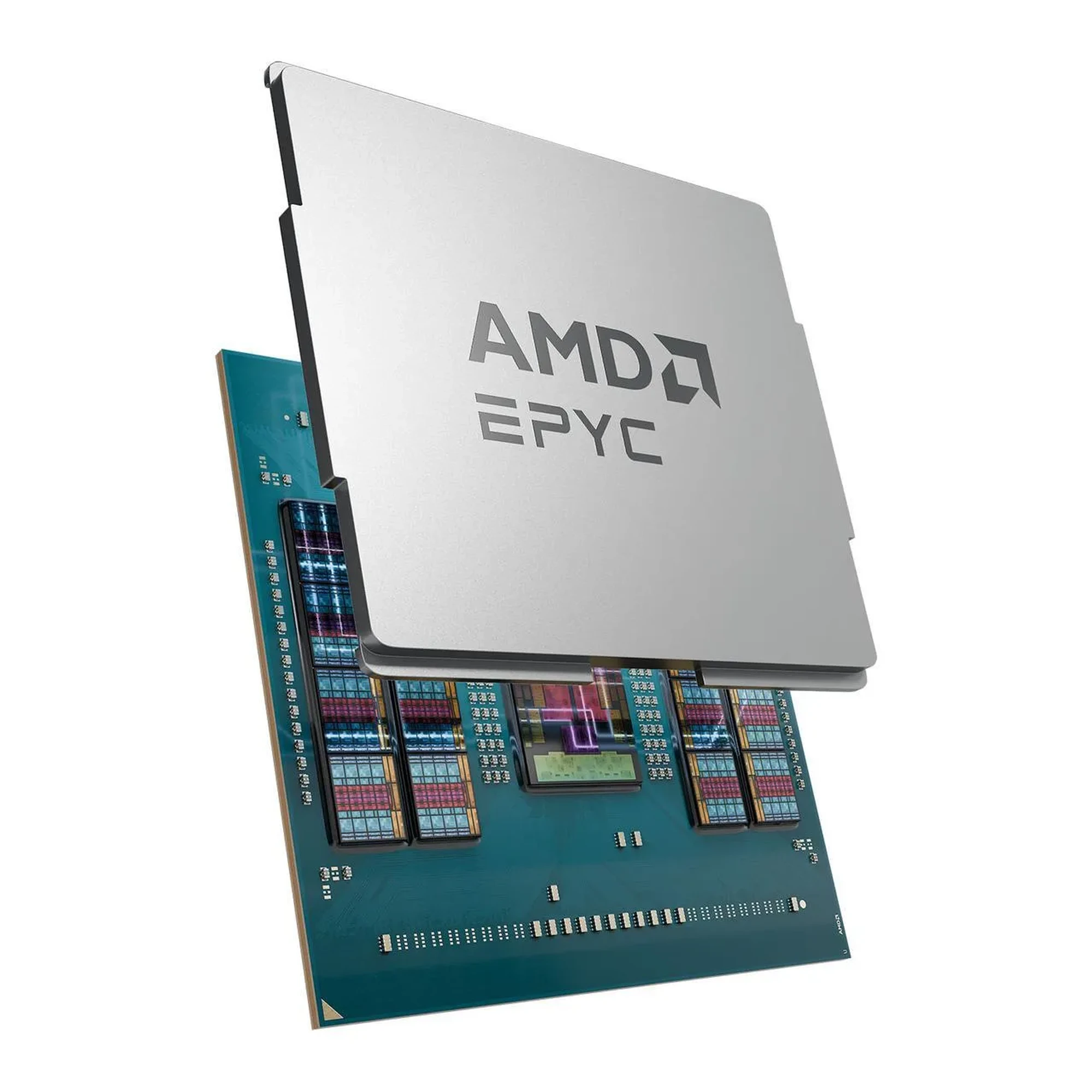
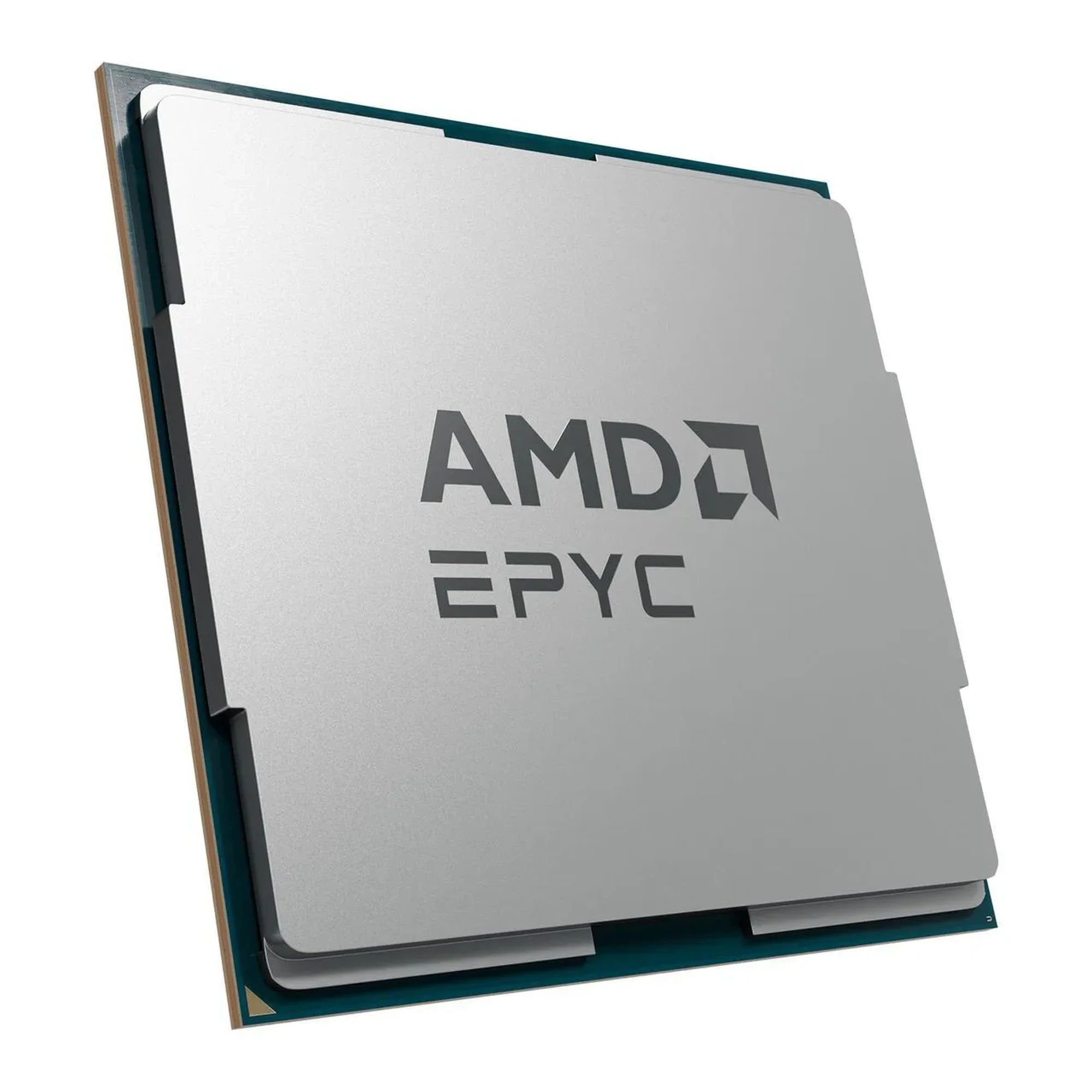
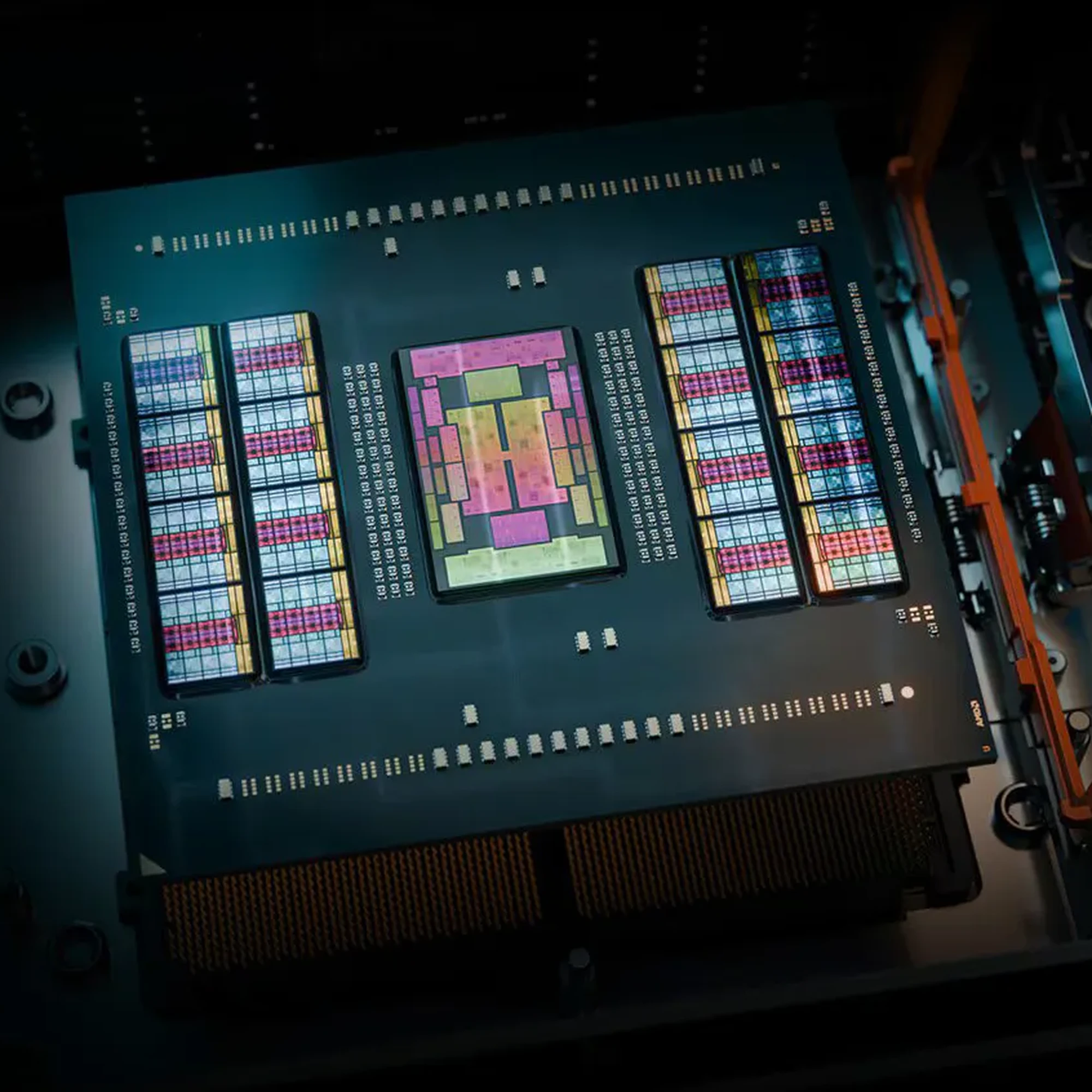
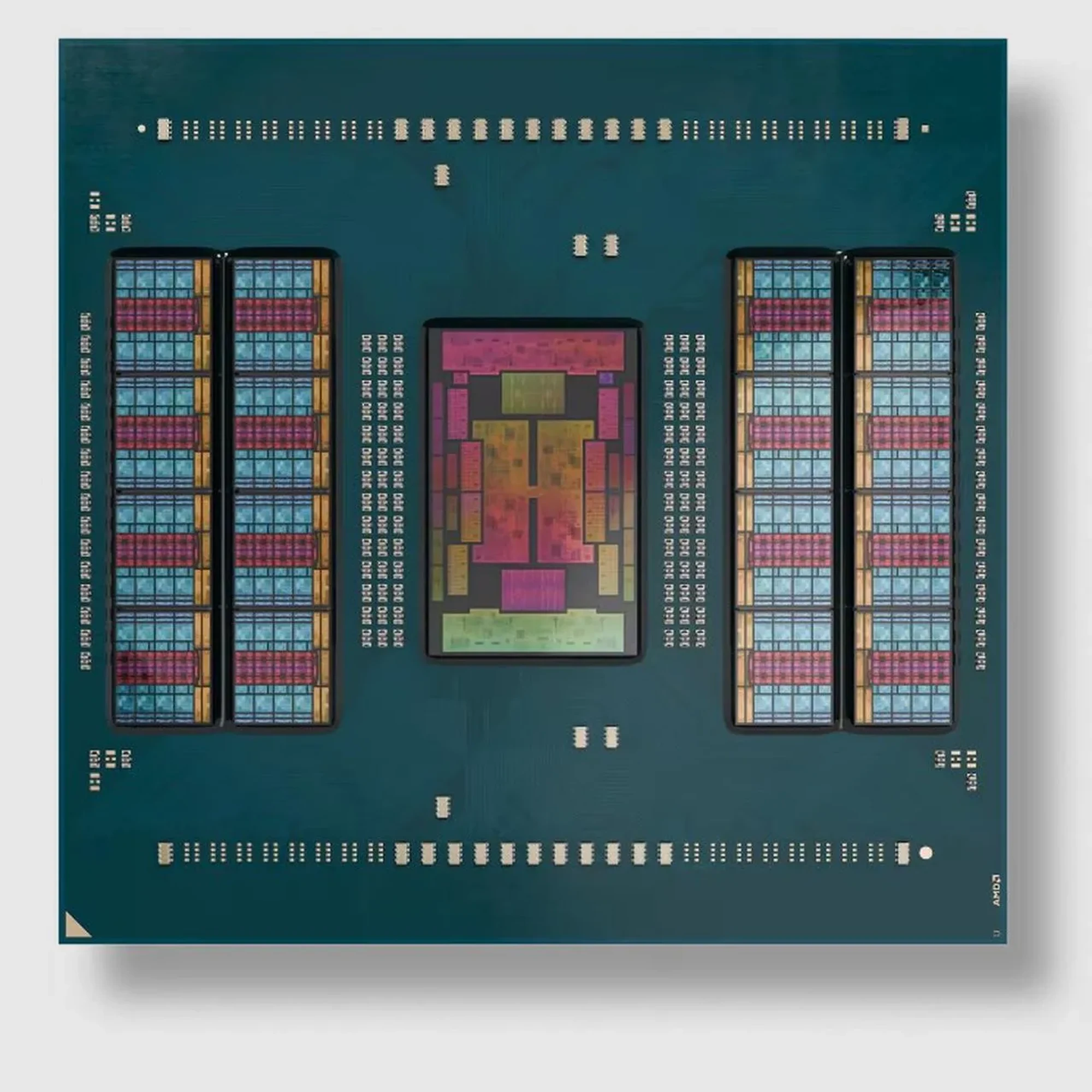
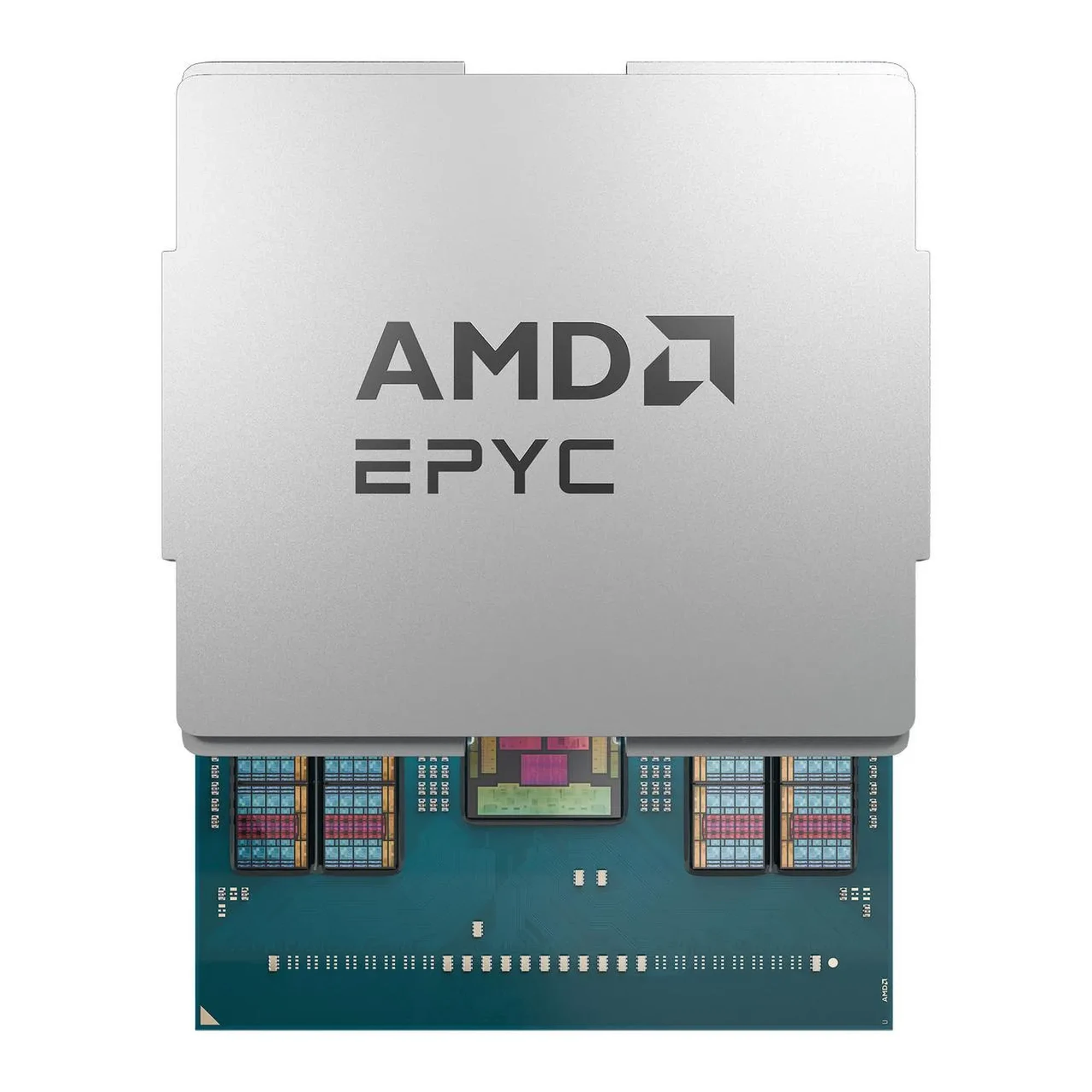
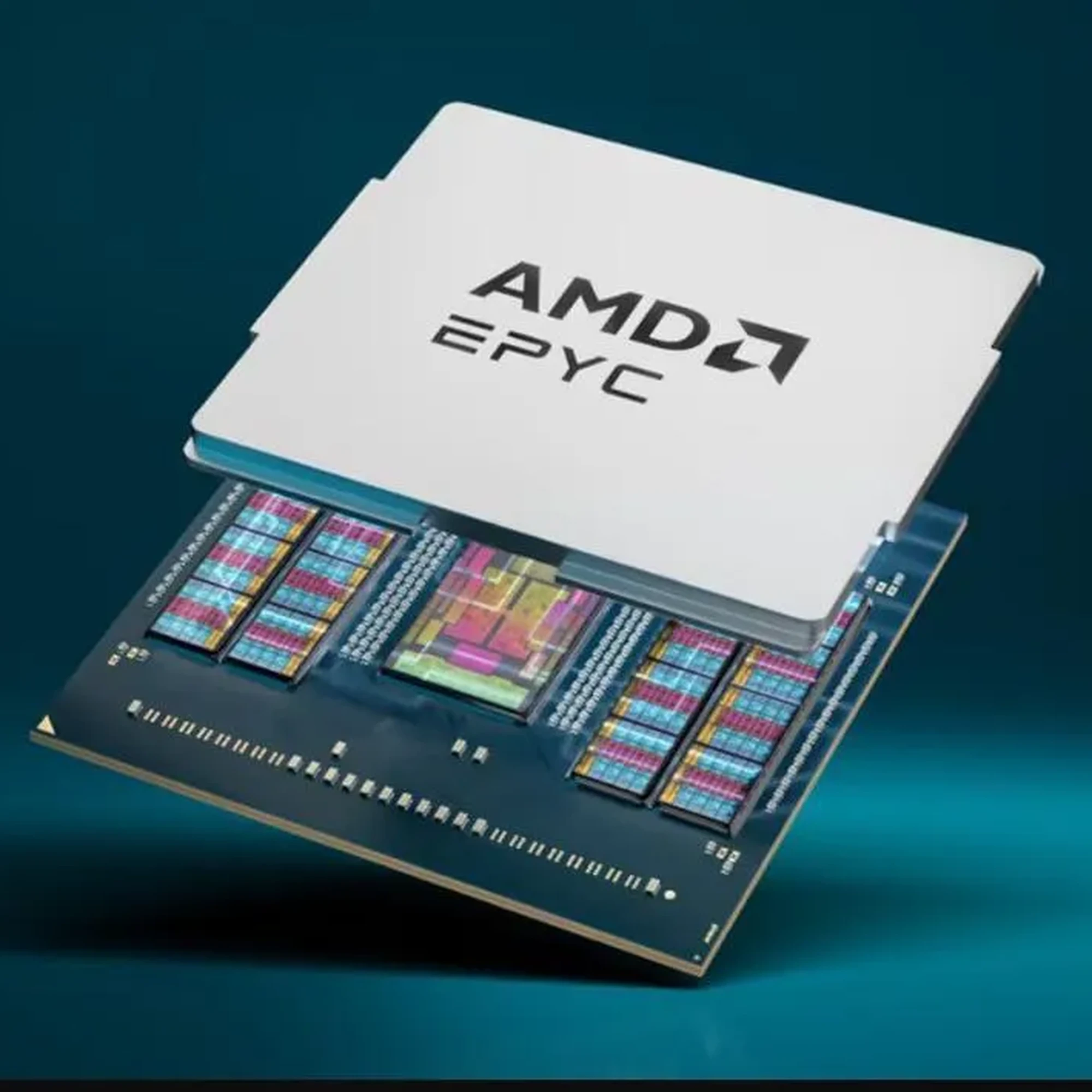
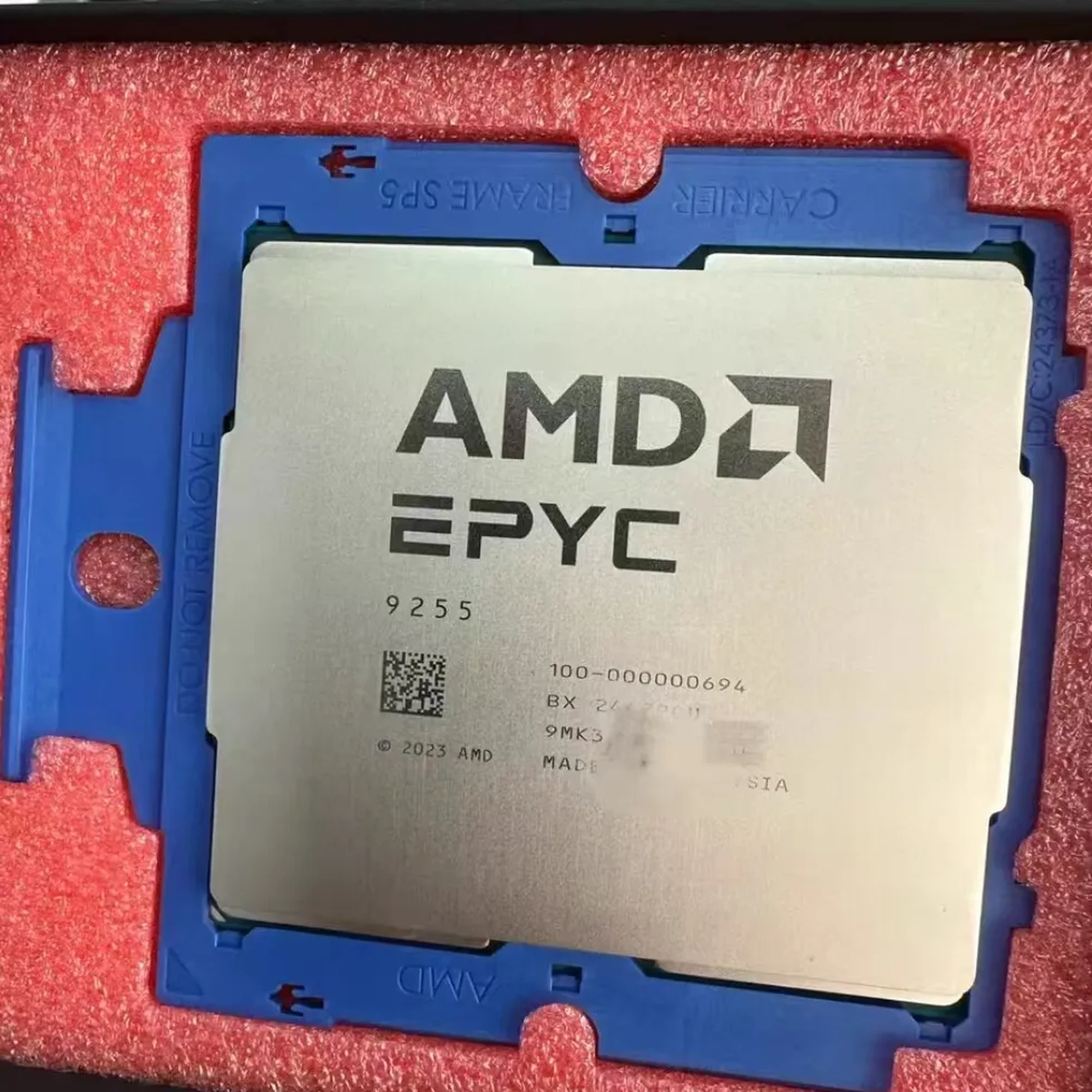

AMD EPYC 9275F 5th Gen 9005 Series Server CPU – 24C / 48T, DDR5, PCIe 5.0
Introduction to AMD EPYC 9275F
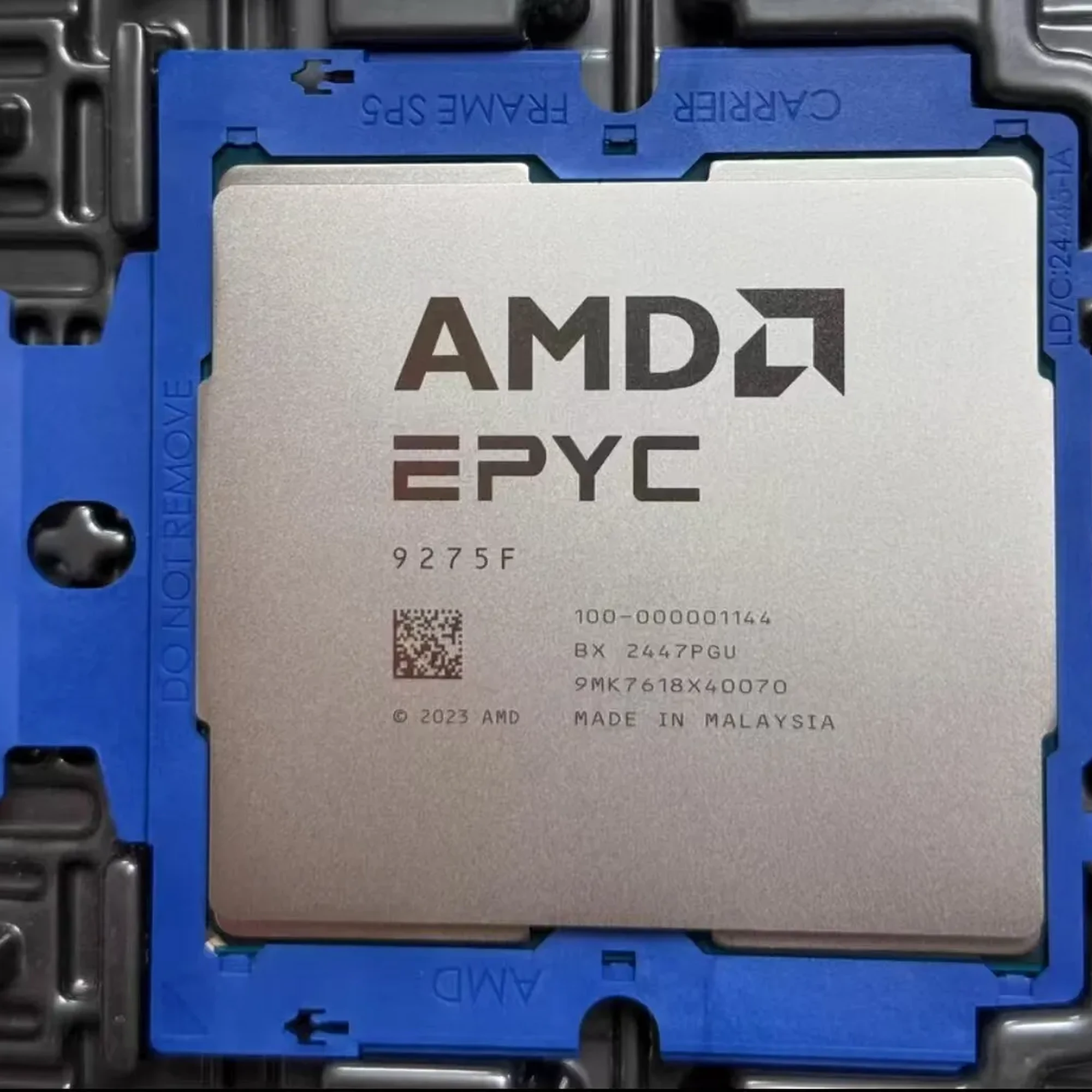
The AMD EPYC 9275F represents one of the most capable CPUs in the 5th Generation EPYC 9005 Series, built for modern data centers that require a balance of high clock speeds, substantial core counts, and robust system I/O. It is crafted to drive performance across demanding enterprise, cloud, and artificial intelligence workloads while maintaining efficiency and broad platform compatibility.
This server processor distinguishes itself with 24 cores and 48 threads, up to 4.8 GHz maximum boost clock, extensive memory bandwidth, and PCIe 5.0 capabilities. Its feature set ensures responsiveness and performance for both single‑threaded and multi‑threaded tasks prevalent in today’s enterprise environments.
Zen 5 Architecture: The Foundation
At its core, the EPYC 9275F utilizes AMD’s groundbreaking Zen 5 microarchitecture, a major evolution in AMD server design. Built on an advanced process node, Zen 5 delivers improved instructions per cycle (IPC), power efficiency, and scalability compared to previous generations. The enhanced architecture boosts both throughput and single‑thread responsiveness, making it ideal for database processing, virtualization, and real‑time analytics.
Zen 5’s performance enhancements also contribute to better overall energy efficiency — an important consideration for data center TCO (Total Cost of Ownership). This makes the EPYC 9275F not just powerful, but economical at scale.
Core and Thread Powerhouse
The EPYC 9275F features:
- 24 physical cores
- 48 simultaneous threads via AMD SMT (Simultaneous Multithreading)
This configuration allows advanced scheduler and multitasking capabilities, optimizing performance across multi‑user and multi‑tasking environments. A high core count enables efficient handling of parallel workloads — essential for everything from virtualized servers to HPC simulation jobs.
Clock Speed Leadership
Clock speed is a critical factor for performance‑sensitive workloads, especially those bound by single‑thread performance. Key clock metrics for the EPYC 9275F include:
- Base clock: 4.1 GHz
- All‑core boost: 4.5 GHz
- Maximum boost up to: 4.8 GHz
These high frequencies enable rapid response times and strong execution for cloud‑facing applications, per‑core licensed software, and latency‑sensitive operations, distinguishing it among server‑class CPUs.
Massive Cache for Performance
The EPYC 9275F includes 256 MB of shared L3 cache, providing substantial data locality and reduced latency across core clusters. Cache plays a vital role in speeding up repeated access to frequently used data, benefiting real‑time decision engines, AI inference, and large memory footprint workloads.
This expansive cache clears bottlenecks often seen in memory‑heavy applications and improves throughput for in‑memory databases and analytics platforms.
Advanced Memory Support
Memory performance is foundational to server computing. The EPYC 9275F supports:
- DDR5 memory
- 12 memory channels
- Up to 6400 MT/s supported speeds
- 614 GB/s memory bandwidth per socket
This memory configuration yields exceptional throughput and capacity — enabling fast access to large datasets and smoother performance under heavy workloads such as virtualization, big data frameworks, and AI inference.
PCIe 5.0: Next‑Gen I/O Capability
Modern data centers rely on fast I/O for connectivity with GPUs, FPGAs, storage and networking components. The EPYC 9275F supports PCIe 5.0 with up to 128 lanes, allowing:
- High‑speed NVMe storage
- GPU, AI accelerator, and FPGA connectivity
- Scalable I/O for distributed computing environments
This high bandwidth is essential for data‑intensive operations and machine learning workloads that depend on rapid data flow between processors and accelerators.
Socket Compatibility and Flexibility
The processor is designed for the SP5 socket, compatible with both single‑socket (1P) and dual‑socket (2P) server configurations. This flexibility enables system builders to scale performance as needed and tailor systems for:
- Enterprise virtualization
- High‑density cloud servers
- HPC clusters and hybrid cloud infrastructures
Enterprise Reliability and Security
The EPYC architecture places strong emphasis on security and resilience. AMD Infinity Guard technologies integrate hardware‑level protections, including features like Secure Encrypted Virtualization (SEV) and Secure Memory Encryption (SME), which help ensure data integrity in multi‑tenant environments and protect against certain attack vectors.
These built‑in defenses enhance compliance readiness and support secure operation in enterprise and cloud datacenter contexts.
AI, Cloud and Virtualization Workloads
The EPYC 9275F is engineered for versatility — capable of powering:
- AI inference and machine learning tasks
- Virtualization for cloud platforms
- Containerized microservices
- In‑memory databases and analytics
- High‑bandwidth storage servers
Its blend of high frequency, multi‑threaded performance, and modern I/O make it a high‑value choice for both traditional compute tasks and emerging data center demands like real‑time analytics and AI‑driven services.
Power and Thermal Characteristics
With a default TDP of 320 W and configurable power range up to 400 W, the EPYC 9275F is engineered to deliver stable performance under full load while providing flexibility for thermal and power management across different server chassis and cooling strategies.
This ensures that thermal and power configurations can be tuned for workload priorities and energy efficiency.
Deployment Scenarios
Here’s how the EPYC 9275F excels across sectors:
Cloud Providers
Supports dense virtualization, high vCPU density, and consistent instance performance.
AI & Analytics
High memory bandwidth, PCIe 5.0 connectivity, and core performance deliver fast inference and data evaluation.
Enterprise Data Centers
Strong general‑purpose application support with robust security for multi‑tenant infrastructure.
High‑Performance Computing (HPC)
Handles parallel simulations and analytics workloads at scale with efficient data movement and processing.
Conclusion
The AMD EPYC 9275F is a powerful and flexible server CPU designed to meet the challenges of next‑generation data centers. Combining Zen 5 performance, DDR5 memory support, PCIe 5.0 I/O, and extensive core capabilities, it offers unmatched performance for enterprise, cloud, AI, and HPC environments at its class level.
Whether scaling virtualization nodes or handling complex enterprise workloads, the EPYC 9275F delivers balance, speed, and efficiency for demanding server deployments.
Specifications Sheet
| Specification | Details |
|---|---|
| Processor Name | AMD EPYC 9275F |
| Series | EPYC 9005 Series |
| Architecture | Zen 5 |
| Cores / Threads | 24 / 48 |
| Base Clock | 4.1 GHz |
| All‑Core Boost | 4.5 GHz |
| Max Boost Clock | Up to 4.8 GHz |
| L3 Cache | 256 MB |
| TDP | 320 W (configurable 320‑400 W) |
| Socket | SP5 |
| Socket Count | 1P / 2P |
| Memory Type | DDR5 |
| Memory Channels | 12 |
| Memory Speed | Up to 6400 MT/s |
| Memory Bandwidth | 614 GB/s |
| PCIe Version | PCIe 5.0 (128 lanes) |
| Launch Date | October 10, 2024 |
5th Gen AMD EPYC Server CPUs Model Specifications
Name | # of CPU Cores | # of Threads | Max. Boost Clock | Base Clock | L3 Cache | Default TDP |
|---|---|---|---|---|---|---|
| AMD EPYC™ 9965 | 192 | 384 | Up to 3.7 GHz | 2.25 GHz | 384 MB | 500W |
| AMD EPYC™ 9845 | 160 | 320 | Up to 3.7 GHz | 2.1 GHz | 320 MB | 390W |
| AMD EPYC™ 9825 | 144 | 288 | Up to 3.7 GHz | 2.2 GHz | 384 MB | 390W |
| AMD EPYC™ 9755 | 128 | 256 | Up to 4.1 GHz | 2.7 GHz | 512 MB | 500W |
| AMD EPYC™ 9745 | 128 | 256 | Up to 3.7 GHz | 2.4 GHz | 256 MB | 400W |
| AMD EPYC™ 9655P | 96 | 192 | Up to 4.5 GHz | 2.6 GHz | 384 MB | 400W |
| AMD EPYC™ 9655 | 96 | 192 | Up to 4.5 GHz | 2.6 GHz | 384 MB | 400W |
| AMD EPYC™ 9645 | 96 | 192 | Up to 3.7 GHz | 2.3 GHz | 256 MB | 320W |
| AMD EPYC™ 9575F | 64 | 128 | Up to 5 GHz | 3.3 GHz | 256 MB | 400W |
| AMD EPYC™ 9565 | 72 | 144 | Up to 4.3 GHz | 3.15 GHz | 384 MB | 400W |
| AMD EPYC™ 9555P | 64 | 128 | Up to 4.4 GHz | 3.2 GHz | 256 MB | 360W |
| AMD EPYC™ 9555 | 64 | 128 | Up to 4.4 GHz | 3.2 GHz | 256 MB | 360W |
| AMD EPYC™ 9535 | 64 | 128 | Up to 4.3 GHz | 2.4 GHz | 256 MB | 300W |
| AMD EPYC™ 9475F | 48 | 96 | Up to 4.8 GHz | 3.65 GHz | 256 MB | 400W |
| AMD EPYC™ 9455P | 48 | 96 | Up to 4.4 GHz | 3.15 GHz | 256 MB | 300W |
| AMD EPYC™ 9455 | 48 | 96 | Up to 4.4 GHz | 3.15 GHz | 256 MB | 300W |
| AMD EPYC™ 9375F | 32 | 64 | Up to 4.8 GHz | 3.8 GHz | 256 MB | 320W |
| AMD EPYC™ 9365 | 36 | 72 | Up to 4.3 GHz | 3.4 GHz | 192 MB | 300W |
| AMD EPYC™ 9355P | 32 | 64 | Up to 4.4 GHz | 3.55 GHz | 256 MB | 280W |
| AMD EPYC™ 9355 | 32 | 64 | Up to 4.4 GHz | 3.55 GHz | 256 MB | 280W |
| AMD EPYC™ 9335 | 32 | 64 | Up to 4.4 GHz | 3 GHz | 128 MB | 210W |
| AMD EPYC™ 9275F | 24 | 48 | Up to 4.8 GHz | 4.1 GHz | 256 MB | 320W |
| AMD EPYC™ 9255 | 24 | 48 | Up to 4.3 GHz | 3.2 GHz | 128 MB | 200W |
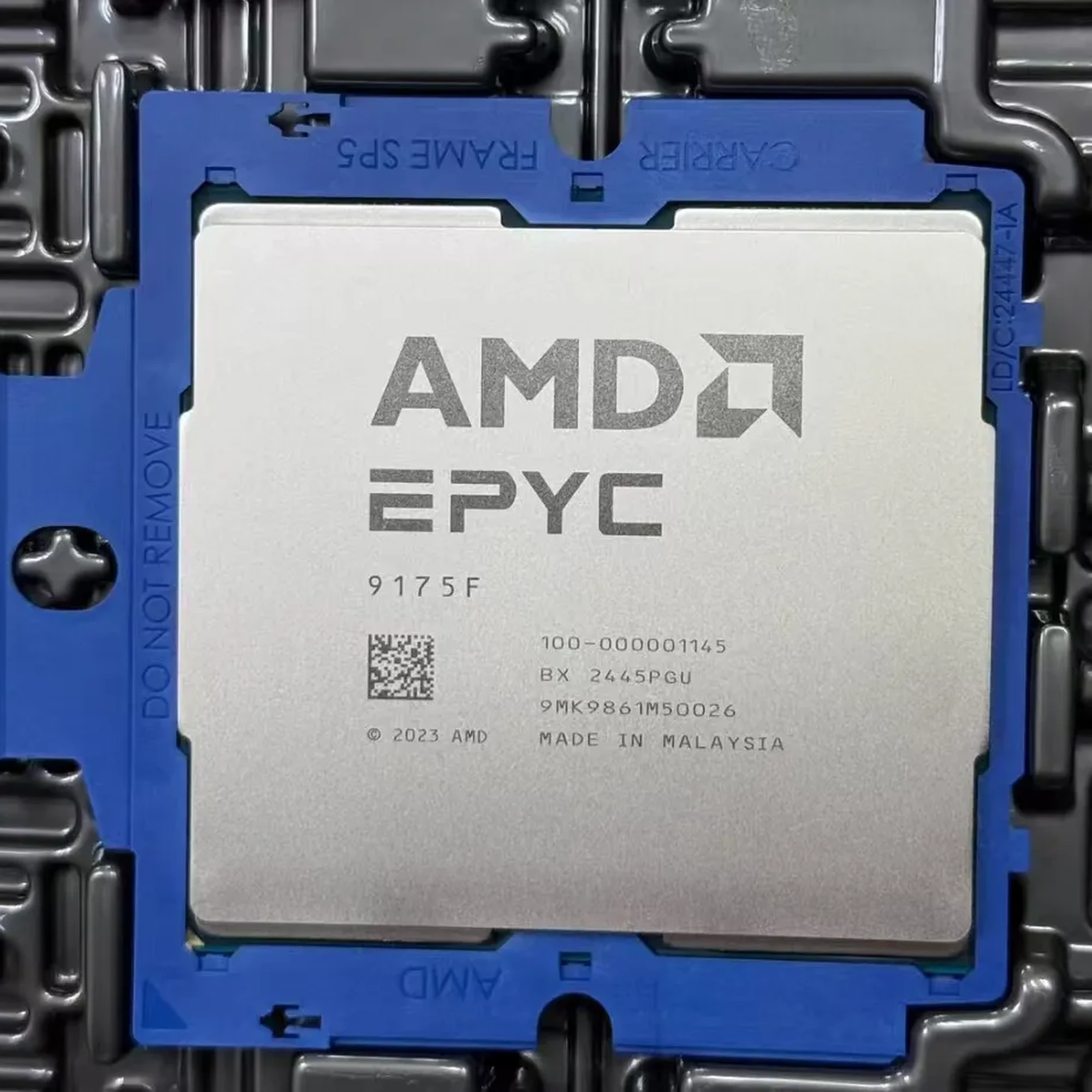
| AMD EPYC™ 9175F | 16 | 32 | Up to 5 GHz | 4.2 GHz | 512 MB | 320W |
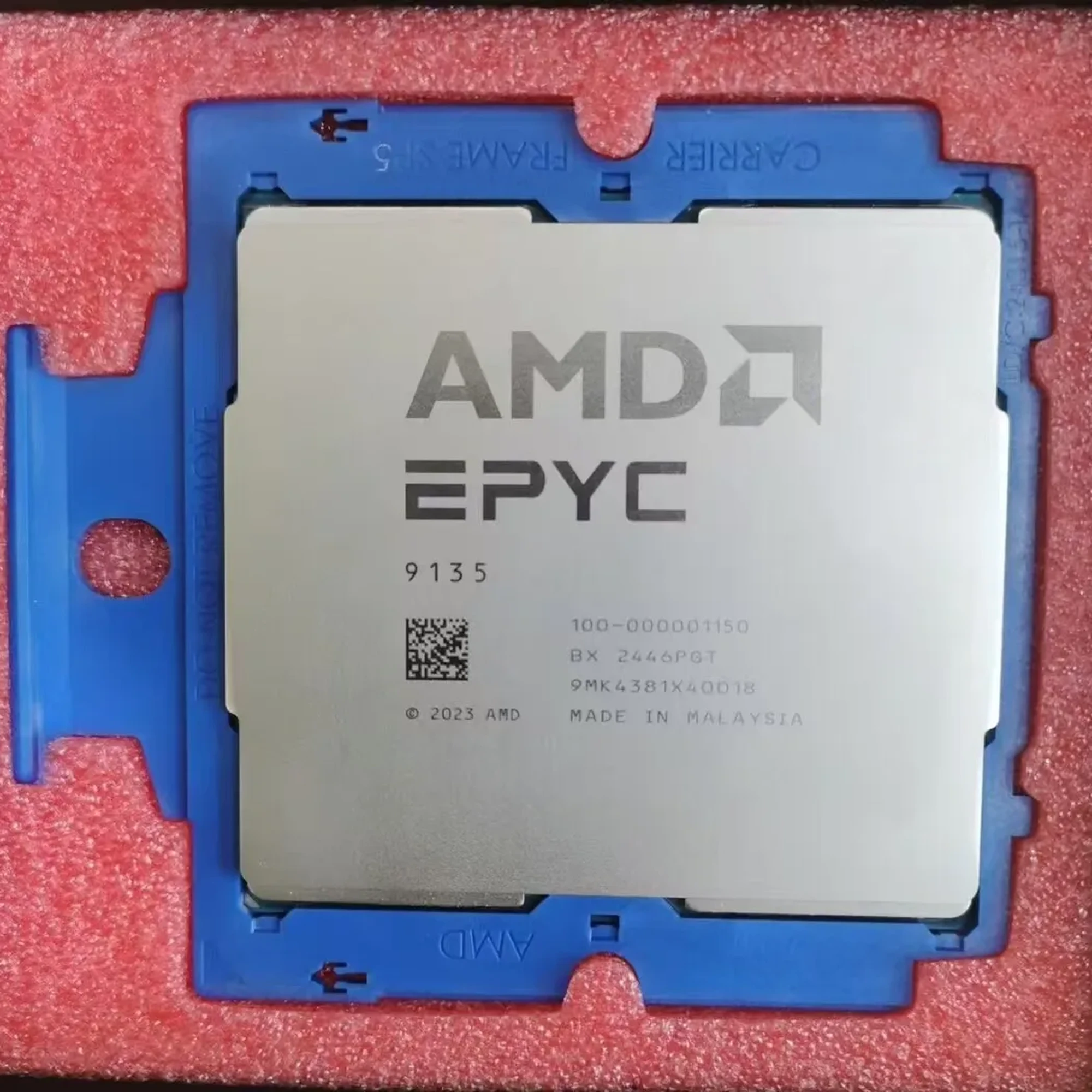
| AMD EPYC™ 9135 | 16 | 32 | Up to 4.3 GHz | 3.65 GHz | 64 MB | 200W |
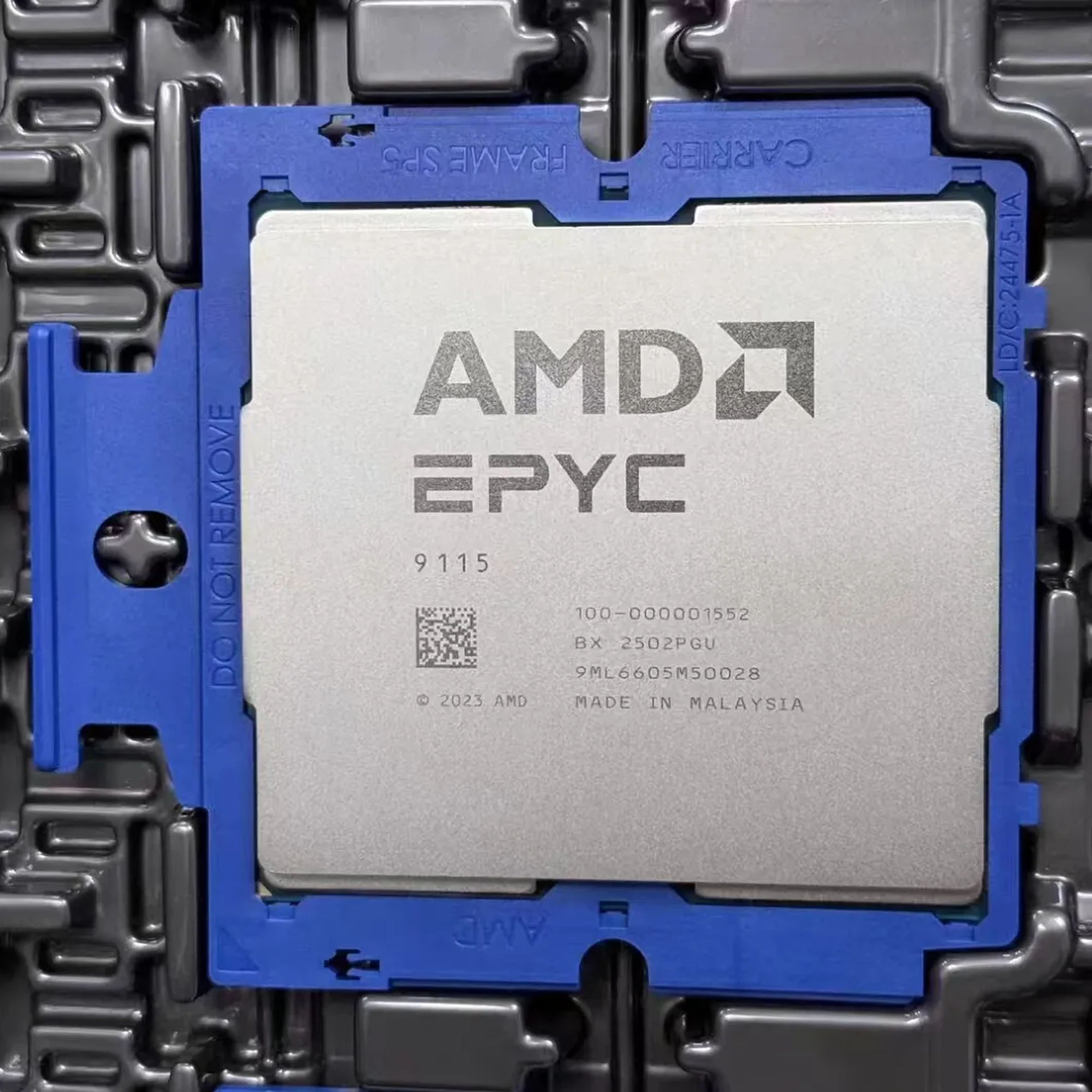
| AMD EPYC™ 9115 | 16 | 32 | Up to 4.1 GHz | 2.6 GHz | 64 MB | 125W |
| AMD EPYC™ 9015 | 8 | 16 | Up to 4.1 GHz | 3.6 GHz | 64 MB | 125W |


